Red River Métis director Tim Riedel’s debut feature, Ancestral Beasts, has emerged from its World Premiere at the Fantasia Film Festival, a significant platform for genre cinema, after an earlier appearance as a Frontières Platform Project at the 2025 Cannes Film Festival. The film, which tackles the complex themes of intergenerational trauma within Indigenous communities in rural Canada, presents a narrative rich with potential, yet the execution, according to early critical reception, falls short of its ambitious premise. While the project boasts considerable talent and a unique conceptual approach, its reliance on conventional haunted house tropes has led to a critical assessment that highlights a disconnect between its potent thematic underpinnings and its narrative delivery.
A Premise Steeped in Potential, Hampered by Convention
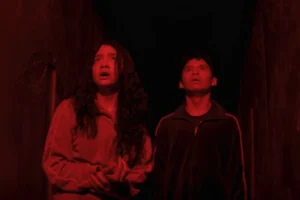
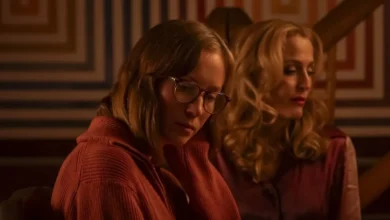
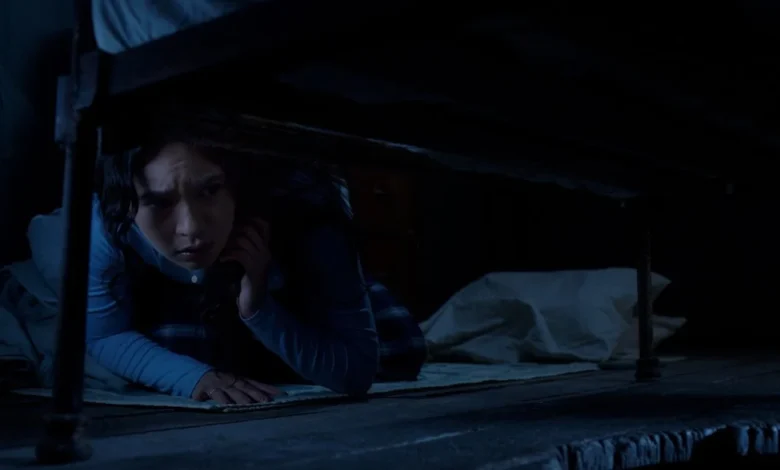
Ancestral Beasts centers on Elyse, portrayed by Morgon Homstrom, a young woman grappling with profound personal and familial struggles. The film’s narrative catalyst is the off-screen death of Elyse’s mother, a tragic event attributed to a supernatural force. Seeking solace and a respite from her mental health challenges, Elyse retreats to her aunt’s remote cabin. It is here that she begins to confront a sinister presence lurking within the confines of the isolated dwelling. This supernatural encounter is interwoven with explorations of familial dynamics, particularly the overbearing presence of Elyse’s older sister, Nikki, played by Darla Contois.
The film’s initial setup, with its bloody prologue and the protagonist’s descent into a haunted locale, firmly plants it within the established lexicon of horror cinema. Director Tim Riedel, himself of Red River Métis heritage, imbues the project with a palpable sense of personal connection to the material. This authentic engagement is a commendable aspect, offering a refreshing counterpoint to the often-generic nature of some genre offerings. However, critics suggest that this deeply personal foundation is ultimately constrained by the very genre conventions it seeks to subvert or recontextualize. The "dusty old cobwebs of horror’s seminal haunted houses," as one review described, appear to have ensnared Riedel’s more innovative elements, transforming a potentially groundbreaking exploration of Indigenous trauma into a more derivative haunted house narrative.
The Weight of Trauma and a Stilted Performance
Morgon Homstrom’s portrayal of Elyse has been a focal point of discussion. While Homstrom is acknowledged for delivering her best effort, the script frequently burdens her performance with dialogue that is described as stilted and overly focused on trauma. This narrative choice, according to critics, positions Elyse less as a fully realized character and more as a conduit for expressing historical injustices. The potential for a more nuanced character arc is, by some accounts, undermined by this approach. The film’s thematic ambitions might have been better served by a less conventional narrative path, one that allowed Elyse’s internal struggles and the external supernatural threat to develop organically, rather than feeling overtly expositional. The demand for "big, emotional reveals" within the film’s structure, coupled with a lead performance that is perceived as "numb," creates a significant disconnect, diminishing the emotional impact.
The film’s thematic exploration of intergenerational trauma is further articulated through the relationship between Elyse and Nikki. The narrative explicitly literalizes Nikki’s role as a maternal support figure for her sister, a choice that has been interpreted as a missed opportunity for subtler storytelling. Critics suggest that audiences could have been allowed to infer this dynamic, fostering a more engaging and less didactic viewing experience. This direct exposition, while clear in its intent, sacrifices the potential for organic character development and audience interpretation.
A Blended Brew of Horror Tropes
The horror elements within Ancestral Beasts are described as simmering rather than boiling, a pace that may contribute to a diluted sense of dread. Riedel’s directorial approach is characterized by an attempt to blend a variety of disparate genre elements into a cohesive whole. This includes the introduction of a rotating cast of family members, a gym owner with romantic overtures, and a creepy neighbor reminiscent of characters from Tobe Hooper’s filmography. While these elements are intended to enrich the narrative tapestry, they are perceived by some as contributing to a lack of focus.
![‘Ancestral Beasts’ Review: Promising Debut That Never Takes Off [Fantasia]](https://www.dreadcentral.com/wp-content/uploads/2026/05/ANCESTRAL-BEASTS.jpg)
The film eventually coalesces into what is described as an Indigenous take on The Babadook. This comparison highlights both the thematic resonance and the perceived shortcomings of Ancestral Beasts. While the ambition to explore mental illness through a supernatural lens is present, the tactile and deeply unsettling nature of The Babadook‘s monster is replaced by a digitally rendered manifestation of mental illness. This shift, from tangible horror to a more abstract digital representation, has been noted as a point where the film loses some of its visceral impact.
Contextualizing the Indigenous Narrative in Horror
Horror cinema has a long-standing tradition of examining societal anxieties, historical traumas, and the darker aspects of human psychology. Ancestral Beasts attempts to place itself within this tradition by foregrounding Indigenous experiences and perspectives. The deliberate inclusion of a land acknowledgment at the opening of Elyse’s podcast, which is featured throughout the film, underscores this intention. This detail signifies a conscious effort to situate the narrative within a specific cultural and historical context, acknowledging the ongoing legacy of colonialism and its impact on Indigenous communities.
However, the film’s engagement with these potent themes is, according to reviews, often hampered by a regression into "tired, trauma-horror tropes." This critique suggests that despite the unique cultural lens, the film fails to break free from established narrative patterns that have become predictable within the genre. The commentary on mental health, while a crucial and timely subject for horror, is seen by some as being handled with a lack of subtlety. The "unbelievably stilted therapy scene" is cited as an example of the film’s tendency to "bludgeon the audience over its head with its optics" rather than allowing for organic exploration.
Technical Execution and Future Prospects
The technical aspects of Ancestral Beasts have also drawn commentary. Joey Forte’s cinematography is described as "washed-out," potentially contributing to a somber mood but perhaps lacking the visual dynamism to fully enhance the horror. Justine Delorme’s score is characterized as "nondescript," failing to provide the emotional or atmospheric weight that could have amplified the film’s scares. Coupled with what is described as "flat acting" from some members of the ensemble, these elements collectively contribute to a viewing experience that inspires "more sighs than chills."
Despite these criticisms, the film’s underlying intention and thematic depth are acknowledged. Ancestral Beasts is recognized as a well-intentioned effort, aiming to bring important Indigenous narratives to the forefront of genre cinema. The current era is often hailed as a "golden age for horror," characterized by a proliferation of diverse voices and innovative storytelling. Filmmakers like Tim Riedel are seen as integral to this evolution, deserving of opportunities to showcase their unique perspectives. The critical consensus, however, suggests that while Riedel has demonstrated potential and a clear passion for his subject matter, his future endeavors might benefit from a departure from established genre formulas, allowing his distinct voice to emerge more forcefully. The hope is that subsequent projects will tap into something "uniquely his," rather than relying on a "carousel of the genre’s greatest yet tired hits."
Festival Circuit and Critical Reception
The selection of Ancestral Beasts for both the prestigious Cannes Film Festival’s Frontières Platform and the Fantasia Film Festival underscores its perceived artistic merit and potential for genre innovation. The Frontières Market, a co-production and financing market for genre films, provides a crucial platform for emerging filmmakers to connect with industry professionals and secure funding. Its inclusion at Cannes signals international recognition and interest in the film’s unique premise. Subsequently, its World Premiere at Fantasia, one of the largest and most respected genre film festivals globally, offered a wider audience and critical assessment.
Fantasia Film Festival, held annually in Montreal, has a storied history of championing independent and international genre cinema, often serving as a launching pad for groundbreaking films. Its diverse programming ranges from mainstream blockbusters to avant-garde independent features, making it an ideal venue for a film like Ancestral Beasts that seeks to push genre boundaries. The critical reception emerging from these festivals provides an early indication of the film’s impact and its standing within the contemporary horror landscape. While the initial reviews highlight areas for improvement, the film’s presence at these key industry events signifies a promising, albeit challenging, debut for director Tim Riedel. The conversation around Ancestral Beasts will likely continue as it seeks wider distribution and further audience engagement.