Spider-Man: Brand New Day Director Reveals Extensive Villain Scene Cut, Prioritizing Narrative Focus

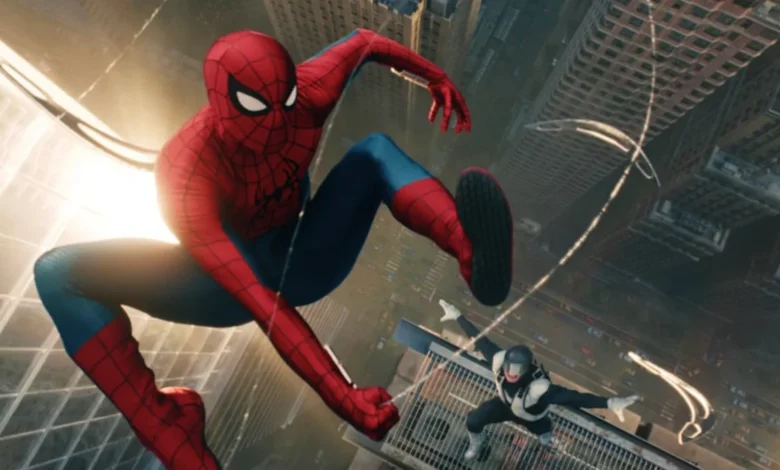
The highly anticipated Spider-Man: Brand New Day is poised to transform Peter Parker’s corner of the Marvel Cinematic Universe into a gritty, street-level saga, but director Destin Daniel Cretton has disclosed that the film’s already substantial rogue’s gallery was originally far larger. Set four years after the earth-shattering events of Spider-Man: No Way Home, the upcoming film finds an isolated Peter Parker, portrayed by Tom Holland, navigating a new reality as he endeavors to rebuild his life while confronting a diverse array of adversaries drawn from the deeper echelons of Spider-Man lore. Confirmed antagonists include Tarantula, Boomerang, and Ramrod, all slated to make their live-action debuts. They will be joined by Mavin Jones III’s Tombstone and the long-awaited return of Mac Gargan, played by Michael Mando, finally fulfilling the Scorpion tease planted in Spider-Man: Homecoming‘s post-credits scene nearly a decade ago. Even the enigmatic Hand’s ninjas are glimpsed facing Peter in promotional materials. However, Cretton recently revealed that this extensive lineup was, at one point, even more expansive.
Unveiling the Scrapped Battle: A Director’s Revelation
During an interview with Nerdtropolis, Cretton shed light on a significant creative decision made during the film’s development. "There was a whole other scene that ended up getting cut from the movie," Cretton stated, elaborating that Brand New Day‘s impressive villain ensemble was initially designed to be more crowded. "We were going to throw a whole bunch of villains into this one giant fight that ended up getting cut. We were looking at a lot of the old classics, and it was really fun, though. We got to design a lot of them. Maybe for another one we’ll bring it back." While Cretton’s comments do not confirm if the scene was ever shot, the fact that character designs were created for the sequence indicates that this decision was made well into the movie’s development, likely after an approved script had been established. This suggests a deliberate choice to streamline the narrative and character focus, rather than a mere early concept discard.
The Post-No Way Home Landscape: A New Era for Spider-Man
To fully appreciate the implications of this cut, it is crucial to contextualize Spider-Man: Brand New Day within the broader narrative arc of the Marvel Cinematic Universe, particularly following Spider-Man: No Way Home. The 2021 blockbuster famously concluded with Doctor Strange’s memory-wiping spell, which erased all knowledge of Peter Parker from the world’s collective consciousness. This left Peter entirely isolated, without friends, family, or the support network he once relied upon. Brand New Day picks up four years after this pivotal event, a significant temporal jump that allows for Peter to have established a new, solitary existence.
The title itself, "Brand New Day," directly references a pivotal comic book storyline from 2008, which similarly rebooted Spider-Man’s status quo after a controversial event, giving Peter a fresh start and often focusing on more grounded, street-level threats rather than cosmic or global crises. This alignment underscores the film’s thematic intention: to return Peter Parker to his roots as a neighborhood protector, grappling with challenges that reflect his personal isolation and newfound anonymity. The shift from multi-dimensional villains and Avengers-level threats to a roster of more traditional, often C-list, Spider-Man rogues is a deliberate choice to reinforce this street-level focus.
The Current Villain Roster: A Strategic Blend of Familiarity and Deep Cuts
The confirmed lineup for Brand New Day already signals a departure from the larger-than-life villains seen in previous MCU Spider-Man films. Tarantula, Boomerang, and Ramrod are characters predominantly known to avid comic readers, signifying a dive into the extensive Spider-Man mythos beyond the most iconic antagonists. Their inclusion suggests a concerted effort to populate Peter’s world with fresh, yet authentically Spider-Man, threats.
Mavin Jones III as Tombstone further solidifies the film’s commitment to a street-level, crime-noir aesthetic. Tombstone, a formidable crime boss with superhuman strength and durability, represents a significant departure from the tech-based villains or mystical threats Peter has previously faced. His presence indicates a focus on organized crime and underworld dealings, grounding the narrative in a more tangible urban landscape.
The return of Michael Mando as Mac Gargan, finally realizing his transformation into Scorpion, is a long-awaited moment for fans. Introduced in Spider-Man: Homecoming‘s post-credits scene in 2017, Gargan’s impending transformation into the armored villain has been a slow burn, building anticipation for nearly a decade. His inclusion not only pays off a long-standing tease but also further anchors the film in the established continuity of Peter’s earlier MCU adventures, even as his personal history has been erased. The brief appearance of the Hand’s ninjas in the trailer also suggests a connection to the broader street-level heroes of the MCU, hinting at potential crossovers or at least a shared universe sensibility that respects the grittier corners of Marvel’s world.
The Rationale for the Cut: Navigating Narrative Density
The decision to excise an entire villain battle, while potentially disappointing for fans eager to see more classic characters, appears to be a judicious one in the context of Brand New Day‘s already packed narrative. Modern superhero blockbusters often struggle with "villain bloat," a phenomenon where an excessive number of antagonists dilutes the focus and prevents any single villain from being fully developed or impactful. Examples like Spider-Man 3 (2007) and The Amazing Spider-Man 2 (2014) are frequently cited by critics as films that suffered from trying to juggle too many antagonistic forces.
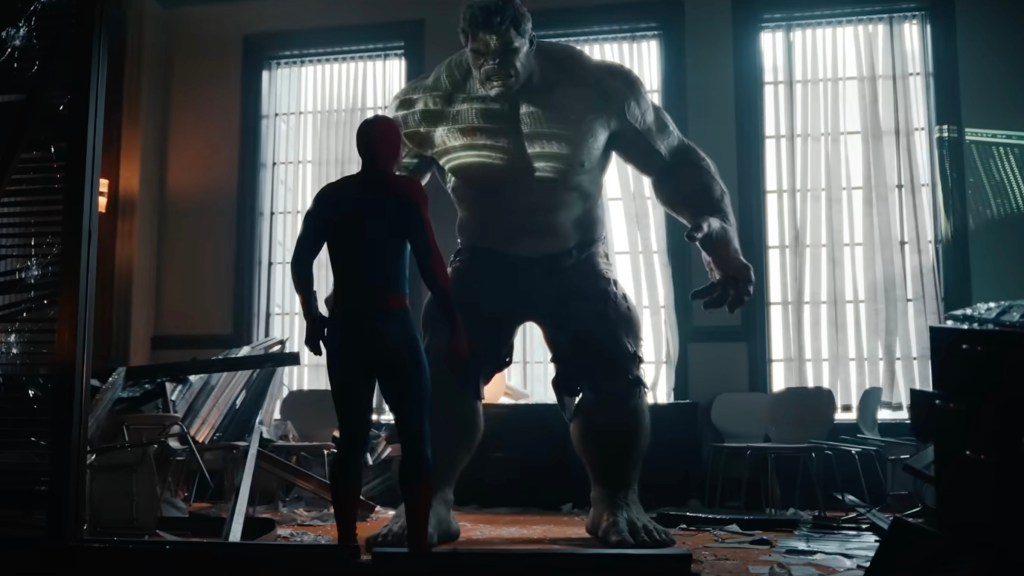
Brand New Day is not merely introducing a new batch of Spider-Man villains; it is weaving a complex tapestry of interconnected subplots and character arcs. The film is set to feature Bruce Banner (Mark Ruffalo) transforming into a rampaging Hulk, an intriguing and potentially disruptive element that promises significant action and emotional depth. Furthermore, Jon Bernthal’s Punisher is confirmed to be operating on his own brutal moral code alongside Peter, adding a layer of moral ambiguity and vigilante justice to the mix. The bureaucratic Department of Damage Control, a recurring MCU presence, will also be monitoring superhuman activity across New York, representing an institutional challenge to Peter’s unregistered heroism.
On top of this, Marvel Studios has deliberately kept the film’s central antagonist shrouded in mystery, teasing a formidable and enigmatic force capable of hopping between possessed bodies. This primary threat alone demands significant screen time and narrative development. The role of Sadie Sink, whose character remains unconfirmed but is widely speculated to be connected to Jean Grey, further adds to the film’s potential for intricate storytelling and character introductions. Integrating a full-scale sequence featuring additional classic villains on top of this already dense roster would undoubtedly risk fragmenting the narrative, diluting the focus on Peter’s journey, and potentially undermining the impact of the primary antagonists. The decision reflects a commitment to narrative coherence and character development over sheer spectacle.
An Industry Trend: Prioritizing Pacing and Focus
This strategic cut in Brand New Day is not an isolated incident within the current landscape of superhero filmmaking. Marvel Studios, in particular, has demonstrated a willingness to refine and streamline narratives to serve the overall story. A comparable situation arose with last year’s The Fantastic Four: First Steps, where an opening montage showcasing the First Family tackling classic villains originally included Mister Fantastic (Pedro Pascal) battling John Malkovich’s Red Ghost. That confrontation was ultimately cut for pacing reasons, indicating a shared studio philosophy across different franchises.
Director Cretton’s description of the excised scene – "a large-scale brawl built to showcase old-school character designs" – strongly suggests it might have functioned as an opening montage or an early action sequence designed to re-establish Spider-Man’s presence in New York. While such a sequence can be a fun way to introduce multiple characters and demonstrate a hero’s capabilities, it can also consume valuable screen time that could be dedicated to advancing the core plot and developing the central characters and conflicts. By trimming this densely packed action sequence, Brand New Day appears to be prioritizing its main narrative thrust, ensuring that the story dedicates more screen time to the threats that genuinely drive its plot forward and contribute to Peter Parker’s emotional and physical journey.
Future Implications: A Strategic Reserve for a New Trilogy
The removal of this villain scene is unlikely to mean these characters are permanently shelved. Spider-Man: Brand New Day has already demonstrated immense commercial promise, posting the strongest advance ticket sales of any Marvel release since its predecessor, Spider-Man: No Way Home. Box office tracking projections point towards an opening weekend well north of $200 million domestically and a global haul exceeding $500 million. This overwhelming commercial success firmly positions Brand New Day as not just a standalone film, but as the opening chapter of a new Spider-Man trilogy.
Director Destin Daniel Cretton is widely expected to remain at the helm for subsequent installments, ensuring a consistent creative vision for Peter Parker’s future. This continuity provides Marvel and Sony with a clear and opportune pathway to revisit the shelved villains. Cretton’s own comment, "Maybe for another one we’ll bring it back," directly alludes to this possibility. These characters could be introduced in future montages, allowing for brief, impactful appearances, or they could be given more substantial roles when the overarching narrative truly calls for their presence, ensuring their impact is maximized rather than diluted in an already crowded debut.
This strategic decision reflects a long-term franchise building approach. Instead of burning through a large roster of villains in a single film, Marvel and Sony appear to be carefully curating their introductions, preserving valuable intellectual property for future storylines. This not only builds anticipation for upcoming films but also allows for a more focused and character-driven narrative in Brand New Day, laying a stronger foundation for Peter Parker’s isolated but determined new chapter.
Spider-Man: Brand New Day is scheduled for theatrical release on July 31st, promising a compelling and grounded return for the web-slinger, with a clear focus on his personal journey and the street-level threats that define his enduring appeal.