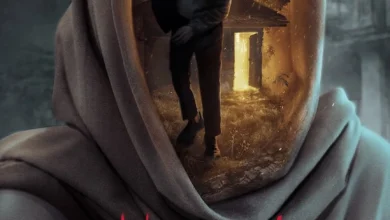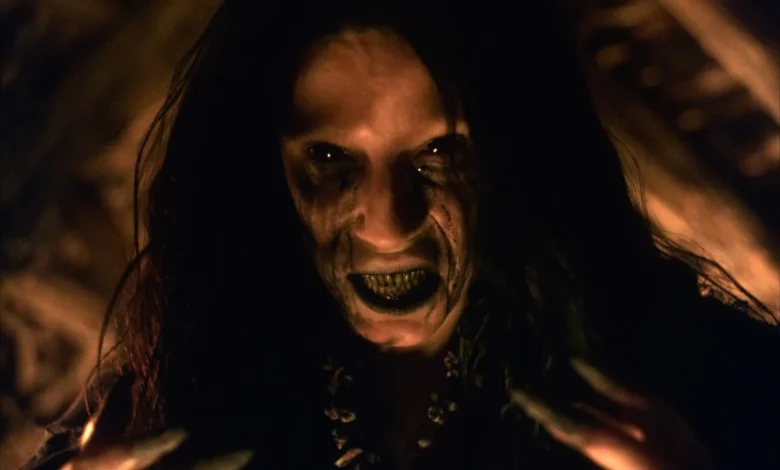
The highly anticipated folk-horror feature film, MOTHERWITCH, helmed by acclaimed short filmmaker Minos Papas, is poised to make its North American premiere on Thursday, July 30, at the prestigious Fantasia International Film Festival in Montreal. This marks a significant milestone for Papas’s directorial debut in feature filmmaking, following a string of successful showcases and festival appearances across Europe.
A Deep Dive into Cypriot Folklore and Grief
MOTHERWITCH, a project born from the collaborative writing efforts of Minos Papas, Nikolas Kouroumtzis, and Euripides Dikaios, delves into the rich tapestry of Cypriot folklore and the universal theme of parental grief. The film stars a compelling ensemble cast, including Margarita Zachariou, Miltos Yerolemou, Jason Hughes, Danai Katsameni, Athos Antoniou, and Marina Makris.
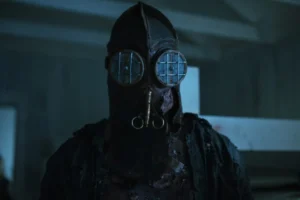
The narrative unfolds in Cyprus in 1882, centering on Eleni, a painter grappling with profound loss and societal scorn. Driven by an desperate attempt to resurrect her deceased children, Eleni inadvertently unleashes the Kalikantzari, malevolent creatures from Cypriot mythology. The film’s synopsis highlights Eleni’s subsequent struggle: "Now she must find a way to overcome her grief and anger and dispel the curse that has befallen her village." This central conflict promises a potent blend of supernatural horror and deeply human drama.
The filmmakers have explicitly described MOTHERWITCH as "a love letter to Cyprus—to its captivating beauty, its cloudswept mountains and blood-red earth, its lullabies, superstitions, and stories whispered from grandmother to child." This statement suggests a film that not only leverages Cypriot folklore for its horror elements but also aims to celebrate and preserve the cultural heritage of the island. This approach could resonate with audiences seeking authentic cinematic experiences that explore specific cultural mythologies.
The Fantasia International Film Festival: A Hub for Genre Cinema
The selection of MOTHERWITCH for its North American premiere at the Fantasia International Film Festival is a testament to the film’s quality and its potential to captivate genre enthusiasts. Fantasia, established in 1996, has carved out a significant niche as one of the most important and respected film festivals globally, particularly for its dedication to horror, fantasy, science fiction, and cult cinema. The festival is renowned for its ability to discover and champion emerging talent, providing a vital platform for independent filmmakers.
Held annually in Montreal, Canada, Fantasia typically attracts a diverse international audience of filmmakers, critics, industry professionals, and avid fans. The festival’s programming is curated with a keen eye for originality, innovation, and films that push the boundaries of cinematic storytelling. Previous editions have seen groundbreaking films premiere and gain significant traction, often leading to wider distribution and critical acclaim. For MOTHERWITCH, this premiere offers a strategic entry point into the North American market, with the potential to generate buzz and secure distribution deals.
The festival’s commitment to showcasing a wide array of international films means that audiences at Fantasia are often exposed to unique cultural perspectives and storytelling traditions, making it an ideal venue for a film deeply rooted in Cypriot culture and folklore.
Background: Minos Papas and the Folk-Horror Genre
Minos Papas’s transition to feature filmmaking with MOTHERWITCH follows a distinguished career in short films. While specific details of his prior award-winning shorts are not provided in the initial announcement, the mention of "award-winning" signifies a proven track record and artistic merit that likely attracted the attention of festival programmers and potential distributors. Short films often serve as a crucial testing ground for filmmakers to hone their craft, develop their visual style, and explore thematic interests before tackling larger projects.

Folk horror, as a genre, has experienced a resurgence in recent years. This subgenre typically blends supernatural or supernatural-adjacent elements with rural settings, ancient folklore, pagan rituals, and a pervasive sense of unease or dread. Films like The Wicker Man (1973), Midsommar (2019), and The Witch (2015) have brought folk horror to wider audiences, demonstrating its capacity for both atmospheric tension and profound thematic exploration. MOTHERWITCH’s engagement with Cypriot folklore, specifically the Kalikantzari, places it within this contemporary wave of folk horror, while offering a distinct cultural lens.
The Kalikantzari, according to Cypriot folklore, are mischievous and often malevolent goblins or imps that are said to emerge from the earth during the twelve days of Christmas. However, the film’s synopsis suggests a reimagining or expansion of these creatures’ origins and influence, linking them to a more ancient or primal force unleashed by Eleni’s actions. This adaptation of folklore is a common and effective technique in folk horror, allowing filmmakers to tap into familiar fears while creating new narratives.
Supporting Data and Cultural Context
The historical setting of 1882 in Cyprus is significant. This period was marked by considerable political and social change in the Eastern Mediterranean. Cyprus was under Ottoman rule until 1878, when it was leased to the British Empire. This era of transition and foreign influence could inform the film’s themes of displacement, cultural identity, and the anxieties that might fester in such a climate. The "scorned painter" status of Eleni could also be interpreted within the societal constraints of the late 19th century, where female artists and individuals who deviated from societal norms might have faced particular hardship.
The film’s emphasis on Cyprus’s natural beauty—"captivating beauty, its cloudswept mountains and blood-red earth"—suggests that the landscape itself will play a crucial role in the narrative. In folk horror, the environment is often as much a character as the human or supernatural entities within it. The isolation of rural settings, the primal power of nature, and the ancientness of the land can all contribute to the unsettling atmosphere. The "blood-red earth" could be a visual metaphor for the bloodshed and trauma that underpins Eleni’s story and the curse afflicting the village.
The inclusion of "lullabies, superstitions, and stories whispered from grandmother to child" points to an oral tradition that is integral to the film’s storytelling. This can be a powerful tool in folk horror, as it connects the present-day events to a lineage of beliefs, warnings, and ancestral knowledge. The passing down of such stories often serves to reinforce the community’s connection to its past and its understanding of the supernatural forces that may influence their lives.
Inferred Reactions and Broader Impact
While direct statements from the filmmakers or festival organizers beyond the initial announcement are not yet available, the premiere at Fantasia is likely to elicit positive reactions from genre critics and festival attendees. The film’s unique premise—a Cypriot folk-horror tale centered on a grieving mother and malevolent goblins—offers a fresh perspective within a popular genre.
The North American premiere could have several implications for MOTHERWITCH:
- Distribution Opportunities: A successful showing at Fantasia often opens doors for distribution deals in North America and beyond. The festival’s international profile can attract distributors looking for compelling genre content.
- Critical Acclaim: Positive reviews from reputable film critics attending the festival can significantly boost the film’s visibility and reputation.
- Audience Engagement: The film’s themes of grief, folklore, and supernatural terror are likely to resonate with a broad audience, especially those interested in international cinema and the horror genre.
- Cultural Representation: By bringing Cypriot folklore to a global stage, MOTHERWITCH contributes to the growing trend of diverse cultural narratives in mainstream cinema. It offers a window into a specific cultural heritage, potentially sparking wider interest in Cypriot history and mythology.
The film’s narrative arc, from a personal tragedy to a village-wide curse, suggests a story with high stakes and a compelling emotional core. The success of MOTHERWITCH at Fantasia could pave the way for further recognition of Cypriot cinema on the international festival circuit and potentially introduce audiences worldwide to the rich storytelling traditions of the island. The trailer, available for viewing, offers a glimpse into the film’s visual style and atmospheric horror, further building anticipation for its debut. The integration of practical effects, haunting visuals, and a narrative steeped in local lore positions MOTHERWITCH as a potentially significant entry in the contemporary folk-horror landscape.