Wizards of the Coast Unleashes a Torrent of Middle-earth Magic with The Hobbit Crossover, Building on the Success of Lord of the Rings Expansion

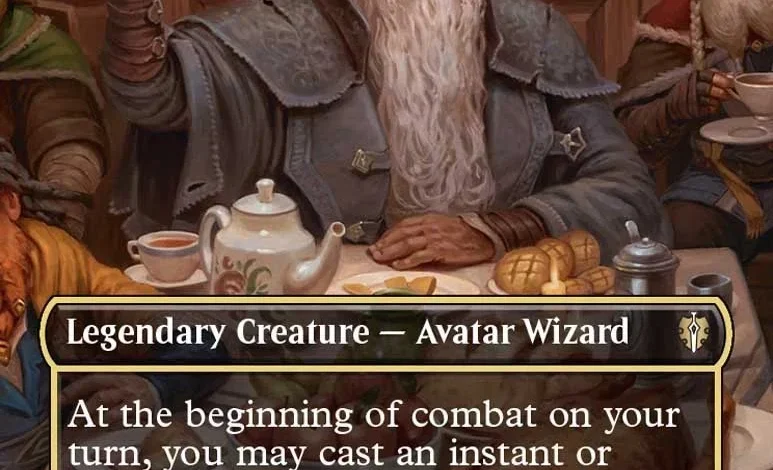
The world of Magic: The Gathering is currently experiencing an unprecedented surge of fan excitement, fueled by a double dose of beloved fantasy universes. Following the highly anticipated reveal of a Star Trek crossover set, Wizards of the Coast has now offered a deeper dive into its upcoming The Hobbit collection, a venture that has already proven to be a significant success story for the company’s Universes Beyond initiative. This expansion, building on the momentum of the record-breaking Lord of the Rings: Tales of Middle-earth set, promises to immerse players in the iconic adventures of Bilbo Baggins and his dwarven companions through meticulously crafted cards and collectible scene boxes.

The strategic decision by Wizards of the Coast to blend the rich lore of The Lord of the Rings and The Hobbit with the intricate gameplay of Magic: The Gathering has resonated powerfully with both established fans and newcomers. The success of the Lord of the Rings: Tales of Middle-earth set, which became the second-best-selling Universes Beyond release to date, trailing only the Final Fantasy collaboration, underscored the immense market potential for these cross-franchise ventures. This strong performance has paved the way for The Hobbit set, which aims to capture the distinct charm and narrative arc of J.R.R. Tolkien’s original novel, further solidifying the appeal of Middle-earth within the Magic ecosystem.

A Legacy of Adventure: The Hobbit’s Enduring Appeal
Published in 1937, J.R.R. Tolkien’s The Hobbit, or There and Back Again predates The Lord of the Rings by nearly two decades, serving as its beloved prequel. The novel chronicles the unexpected journey of Bilbo Baggins, a comfort-loving hobbit residing in the Shire, whose quiet existence is dramatically upended by the arrival of the wizard Gandalf and a company of thirteen dwarves. Their ambitious quest: to reclaim their ancestral home, the Lonely Mountain, and their vast treasure from the clutches of the fearsome dragon Smaug. This adventure not only sees Bilbo forge unlikely friendships with the dwarves but also marks his accidental acquisition of the One Ring, setting in motion the epic events that would define his later years and the fate of Middle-earth.

Tolkien’s literary masterpiece has long been considered a foundational pillar of the fantasy genre, inspiring countless authors, filmmakers, and game designers. The intricate world-building, complex characters, and timeless themes of courage, friendship, and the corrupting influence of power have cemented its place in popular culture. For Magic: The Gathering, a game itself deeply rooted in fantasy tropes, the integration of The Hobbit represents a natural and highly anticipated evolution of its Universes Beyond program, allowing players to experience these legendary narratives through the strategic depth of card play.

Unveiling the Collection: Scene Boxes and Iconic Moments
The Magic: The Gathering The Hobbit assortment is set to feature two distinct scene boxes, each designed to immerse players in pivotal moments from the story. These collectible boxes are more than just a collection of individual cards; when arranged correctly, they recreate iconic visual tableaux from the narrative, offering a unique blend of gameplay and artistic display.

The first scene box, titled "Crack The Plates," encapsulates the early stages of Bilbo’s adventure, focusing on the initial gathering at Bag End. This set features characters and elements integral to the unexpected party that initiates the dwarves’ quest. The cards within this box are designed to evoke the warmth and revelry of the hobbit-hole, a stark contrast to the dangers that lie ahead. Players can anticipate cards that represent the camaraderie and burgeoning chaos of the dwarves’ arrival, setting the stage for the epic journey.

Complementing this is the "Desolation of Smaug" scene box, named after the second film in Peter Jackson’s adaptation trilogy. This collection delves into the heart of the quest, depicting Bilbo’s tense and pivotal encounter with the dragon Smaug within his treasure-laden lair. This scene box promises to bring the confrontation with the great wyrm to life on the tabletop, featuring cards that capture the dragon’s terrifying presence and Bilbo’s daring bravery.

A Glimpse at the Cards: Key Revelations
Wizards of the Coast has begun to reveal specific cards from The Hobbit set, offering fans a tangible preview of the game mechanics and thematic integration. These early reveals highlight beloved characters and crucial plot points, demonstrating a keen eye for translating the spirit of the source material into Magic gameplay.

Among the early showcases are cards like "The Eagles Are Coming," hinting at the timely intervention of these majestic creatures, and "Thorin Oakenshield," the resolute leader of the dwarves. The Queen of Dale, Bard the Bowman, and key figures like Thranduil the Elvenking also make appearances, reflecting the diverse cast of characters that inhabit Middle-earth. The inclusion of pivotal items such as "Sting, Bilbo’s Sword" further deepens the connection to the narrative.

More creature-focused cards include "The Chief Warg," representing the formidable threats faced by the fellowship, and "Gollum, Riddle Master," alluding to Bilbo’s fateful encounter in the Misty Mountains. The more whimsical side of the story is captured by "Silvan Reveler" and "Gandalf, Party Guest," while the harsh realities of their journey are hinted at with "Burn, Burn, Tree and Fern" and "Desolation of Smaug." Even the dwarves themselves are represented, with cards like "Fili and Kili, Joyous" and "Bifur, Melodic Rider," alongside their leaders like "Thorin, King of Durin’s Folk" and "Bolg of the North."

The scene boxes further flesh out these narrative arcs. "Crack The Plates" features cards such as "Fili and Kili, Joyous," "Gandalf, Party Guest," "Thorin, King of Durin’s Folk," "Bilbo, Fellow Conspirator," and "Bag End Banquet," all designed to recreate the memorable opening of the story. The "Desolation of Smaug" box includes "Long-Lost Lances," "Dragon-Cursed Halls," "Smaug the Impenetrable," "Bilbo’s Burglaring," "Dragon’s Desire," and "Necklace of Girion," bringing the epic confrontation with the dragon to the forefront.

Additionally, the set will include five Dwarvish language cards, adding a unique linguistic element to the collection. One such card, "Dwarven Warriors," was notably revealed at MagicCon, showcasing the martial prowess of the race. Other revealed Dwarvish language cards include "Arcane Signet," "Mox Amber," "The Reaver Cleaver," and "Treasure Vault," hinting at the treasures and dangers associated with the dwarves’ homeland.

The Shadow of the One Ring: Controversy and Resolution
The Magic: The Gathering Universes Beyond program has not been without its challenges. The previous Lord of the Rings: Tales of Middle-earth set faced significant controversy surrounding "The One Ring" card. In a publicity stunt that generated immense global attention, only one copy of "The One Ring" card, uniquely illustrated by artist John Howe, was produced. This singular card was eventually purchased by musician Post Malone for a staggering $2 million, making it the most expensive Magic: The Gathering card ever sold.

However, the subsequent release of a special variant of "The One Ring" card by artist Dan Frazier, intended to be more widely available as a box-topper, ignited a firestorm of accusations. Many fans and critics pointed out striking similarities between Frazier’s design and Howe’s unique card, leading to widespread allegations of plagiarism. The controversy prompted public apologies from both Wizards of the Coast and Dan Frazier, acknowledging the concerns raised by the community. Despite the apologies, no alternative iteration of the card was released for the Lord of the Rings set, leaving a lingering sentiment of dissatisfaction among some collectors and players.

The upcoming The Hobbit set also features "The One Ring" in its box-topper offerings. While the design of these new "One Ring" cards is distinct from both Howe’s unique creation and Frazier’s controversial variant, the lingering memory of the previous controversy undoubtedly casts a shadow. The community will be closely watching to see how these new cards are received and whether Wizards of the Coast has implemented sufficient measures to ensure originality and prevent similar controversies in the future. The success of the Lord of the Rings set, despite the "One Ring" incident, suggests a strong market appetite for these thematic expansions, but maintaining player trust is paramount.

Strategic Implications and Market Performance
The sustained investment in the Universes Beyond program, particularly with the Lord of the Rings and now The Hobbit collaborations, represents a calculated strategy by Wizards of the Coast to broaden its player base and tap into established fan communities. The success of these crossover sets indicates a significant market opportunity, allowing the company to leverage beloved intellectual properties to attract new players and engage existing ones with fresh thematic content.

The financial implications are substantial. The strong sales performance of the Lord of the Rings set, as reported by Hasbro’s earnings calls, demonstrates the commercial viability of these large-scale intellectual property crossovers. This success provides a robust financial foundation for continued investment in similar projects, potentially expanding the scope of Universes Beyond to include other popular franchises. The ability to translate iconic characters, locations, and plot points into engaging Magic: The Gathering gameplay is key to this strategy.

Furthermore, the inclusion of collectible elements like the scene boxes and unique "One Ring" cards caters to both the competitive Magic player and the dedicated collector. This dual appeal ensures a broader market reach and contributes to the overall value proposition of these special sets. The strategic timing of these releases, often coinciding with major fan conventions or significant cultural anniversaries, further amplifies their impact and visibility within the gaming community.

Looking Ahead: A Future of Fantasy Convergence
With The Hobbit set officially releasing on August 14, the Magic: The Gathering community stands poised to embark on another epic adventure. The early reveals have generated significant buzz, and the prospect of playing with iconic characters and reliving cherished moments from Middle-earth through the lens of Magic is a compelling one.

The success of these Universes Beyond sets is not merely a testament to the enduring appeal of Tolkien’s work but also to Wizards of the Coast’s ability to adapt and innovate within the evolving landscape of the gaming industry. By carefully curating partnerships and delivering high-quality, thematic content, the company is charting a course for continued growth and engagement. As the lines between different fantasy universes continue to blur in the realm of gaming, Magic: The Gathering‘s The Hobbit expansion stands as a prime example of how such convergences can create genuinely exciting and valuable experiences for fans worldwide. The journey through Middle-earth, it seems, is far from over for Magic players.
Related posts: