Riot Games Reverses Course on League of Legends Classic Skins Following Community Backlash on Public Beta Environment

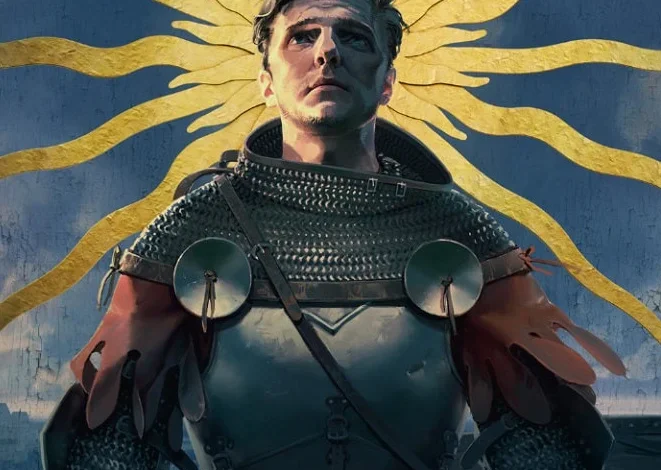
The launch of League of Legends Classic on the Public Beta Environment (PBE) has ignited a significant conversation within the global gaming community, highlighting the delicate balance between modern monetization strategies and the preservation of digital nostalgia. League of Legends Classic, a specialized game mode designed to transport players back to the era of 2013 and earlier, was intended to be a celebratory "remix" of the world’s most popular Multiplayer Online Battle Arena (MOBA). By restoring archived character kits, old item builds, and a condensed roster of champions, Riot Games aimed to capture the lightning-in-a-bottle magic of the game’s formative years. However, the initial execution of the mode’s visual presentation and monetization structure met with immediate and vocal resistance from the player base, forcing the developer to implement rapid changes to its deployment strategy.
The Catalyst of Controversy: Visual Fidelity and Monetization
When League of Legends Classic first went live on the PBE, players were surprised to find that the "classic" experience was filtered through a modern lens. Despite the gameplay mechanics being reverted to their decade-old states, the champions utilized their current high-definition models, updated voice-overs, and contemporary spell effects by default. The original, lower-fidelity "classic" skins—the very ones that defined the game’s aesthetic during its rise to prominence—were not the standard. Instead, Riot Games initially implemented a system where these legacy appearances had to be unlocked using earned tokens or purchased via real-money transactions.
The reaction on social media platforms and community forums was swift. On the League of Legends subreddit, a thread authored by user "prime_desire" quickly gained traction, amassing over 6,000 upvotes and hundreds of comments. The post, titled "League ‘not so’ Classic," criticized the developer for what was perceived as a half-hearted attempt at a legacy mode. The user expressed a sentiment shared by many, stating that it was "embarrassing" to release a nostalgia-focused mode that paywalled the very visuals that defined that nostalgia. The core of the grievance was that a "Classic" mode should, by definition, include the classic aesthetic as the foundational experience, rather than an optional premium add-on.
Riot Games’ Rapid Response and Strategic Reversal
Recognizing the potential for a PR crisis and the validity of the community’s concerns, Riot Games moved with unusual speed to address the feedback. On July 16, Brian "FeralPony" Feeney, a prominent figure in the League of Legends development team, released a video blog to communicate the studio’s pivot. Feeney acknowledged the feedback directly, stating that the developer had heard the community "loud and clear."
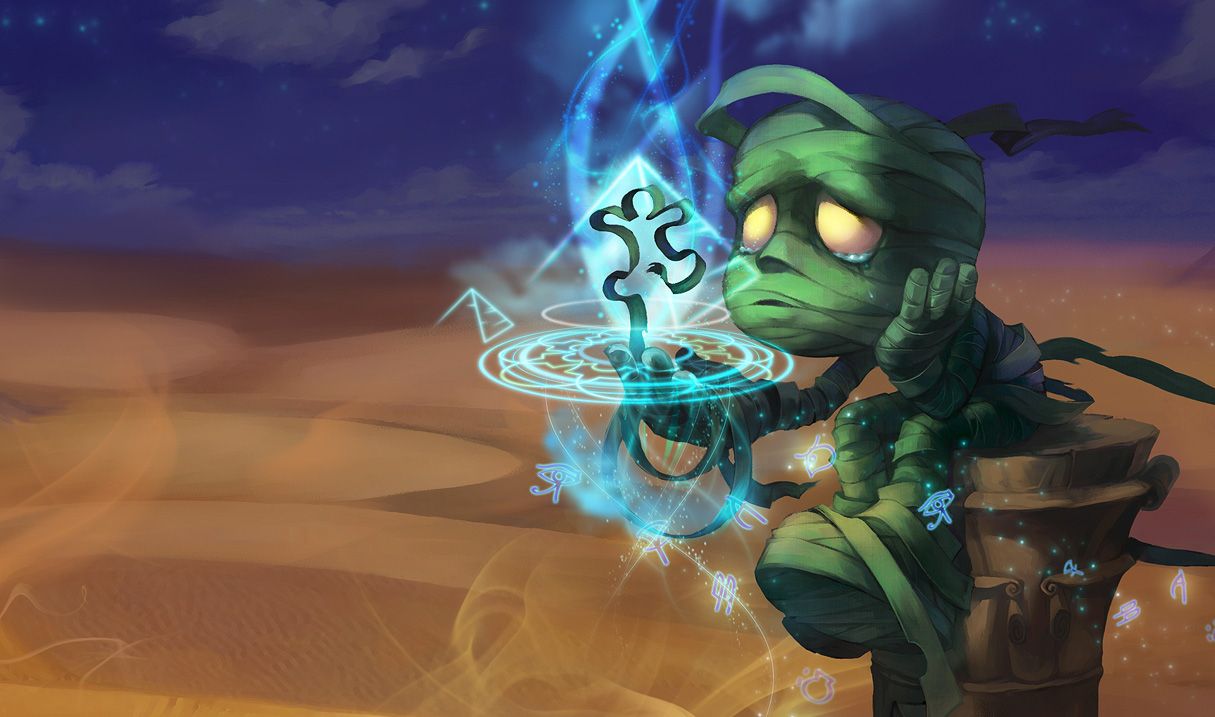
The immediate result of this feedback loop was a total reversal of the skin policy for the Classic mode. "If you’re on PBE, you probably already noticed that all classic skins are unlocked for all champions that have one," Feeney noted in his update. Beyond simply making them available, Riot Games took the further step of making these legacy skins the default option for the mode. This means that when a player selects a champion like Amumu or Nidalee in the Classic queue, the game automatically loads the character models and animations as they existed in the 2013 era, effectively replacing their modern, polished counterparts.
This move was further supported by the game’s technical staff. Senior VFX Artist Sirhaian shared on social media that the team is actively working to "undo" years of visual polish to ensure the mode feels authentic. "It’s been fun to basically undo my years of work," Sirhaian remarked, illustrating the unique technical challenge of regressing a live-service game’s engine to accommodate older assets while maintaining stability on a modern client.
The "Greatest Hits" Philosophy: Navigating Fragmented Nostalgia
One of the more complex aspects of League of Legends Classic is its chronological placement. Unlike World of Warcraft Classic, which launched by targeting a specific patch (Version 1.12), Riot Games opted for a "greatest hits" approach. This involves mixing elements from various patches between the game’s launch in 2009 and the major map overhaul in late 2014.
The decision to avoid a single-patch recreation was rooted in extensive player data and surveys. Riot’s research indicated that there is no consensus on what constitutes the "definitive" version of old League of Legends. Brian Feeney explained that player responses were largely dictated by their own personal history with the game. "League was classic the year they started playing, League was best the year after they started, and League was too old before they started," Feeney observed.
By creating a curated experience that blends the most iconic elements of the early years—such as the infamous "Dodge" mechanic, the "Heart of Gold" item, and the original, high-damage "AP Yi" builds—Riot hopes to satisfy the broadest possible segment of its veteran audience. However, the developers have clarified that this is not a static environment. Once the mode transitions from the PBE to the live servers, Riot plans to implement a voting system, allowing the community to influence which specific patches or "eras" the mode should focus on in subsequent updates.
Historical Context: The Rise of the "Classic" Gaming Trend
The development of League of Legends Classic is part of a broader industry trend toward legacy preservation and "nostalgia-as-a-service." The success of Blizzard Entertainment’s World of Warcraft Classic in 2019 proved that there is a massive market for "un-modernized" versions of long-running live-service games. Similarly, Epic Games saw record-breaking player numbers with the release of Fortnite OG, which brought back the game’s original map and weapon pool.
For League of Legends, which has undergone radical transformations since its 2009 debut, the demand for a classic mode has been building for years. The game’s original map, the "Old Summoner’s Rift," was replaced in 2014 with a more stylized, painterly aesthetic. Since then, dozens of champions have undergone "Visual and Gameplay Updates" (VGUs), which often completely replace their original abilities and lore. For many players, the modern game—while more balanced and technically superior—lacks the "wild west" charm of the early seasons where experimental builds and over-tuned abilities were common.
Technical Implications and Development Challenges
Re-implementing decade-old code into a modern game client is a monumental task. The League of Legends engine has been rewritten and optimized multiple times over the last fifteen years. Restoring "classic" kits often means re-coding abilities that were deleted from the game’s database years ago.
Furthermore, the "Classic" mode must coexist with the modern game. Riot has to ensure that the assets for the old map and old champions do not bloat the game’s file size excessively or cause compatibility issues with modern hardware drivers. The "undoing" of VFX work mentioned by Sirhaian is particularly notable; modern VFX in League of Legends are designed for visual clarity and accessibility, whereas the old effects were often noisier and less refined. Reverting these changes requires a careful touch to ensure the game remains playable while looking appropriately "retro."
Broader Impact on the MOBA Market and Player Retention
The introduction of League of Legends Classic is a strategic move by Riot Games to bolster player retention and re-engage "lapsed" players. As the MOBA genre has matured, the barrier to entry has increased, and the high-speed, high-complexity nature of modern League can be daunting for those who haven’t played in years. A Classic mode offers a lower-complexity alternative that relies on the "muscle memory" of older players.
From a business perspective, the initial attempt to monetize classic skins suggests that Riot was looking for ways to offset the high development cost of maintaining a secondary game version. While the backlash led to the skins being made free within the mode, the incident highlights the tension between community expectations of "preservation" and a corporation’s need for "monetization."
The successful pivot by Riot Games may set a new standard for how developers handle legacy content. By listening to the PBE feedback and prioritizing authenticity over immediate monetization, Riot has likely secured a more successful launch for the mode on live servers.
Chronology of the League of Legends Classic Rollout
- Announcement: Riot Games reveals "League of Legends Classic" as a limited-time experimental mode.
- PBE Launch (July 2026): The mode debuts on the Public Beta Environment. Players discover modern models are the default and classic skins are behind a paywall/grind.
- Community Backlash (July 14-15): The "League ‘not so’ Classic" thread gains massive traction on Reddit and Twitter (X), criticizing the lack of visual authenticity.
- Developer Response (July 16): Brian Feeney releases a video blog addressing the skin controversy and the "greatest hits" patch philosophy.
- Implementation of Changes (July 17): Riot updates the PBE to make all classic skins free and sets them as the default visual option for the mode.
- VFX Adjustments (Ongoing): Developers like Sirhaian continue to roll back modern visual effects to match the 2013 aesthetic.
- Live Release (TBA): The mode is expected to hit standard servers following the conclusion of the PBE testing phase, featuring community voting for future patch updates.
As League of Legends Classic prepares for its full debut, the gaming industry will be watching closely. The project serves as a case study in community-driven development and the enduring power of digital heritage in an ever-evolving live-service landscape. By choosing to embrace the "jank" and lower fidelity of its past, Riot Games is not just offering a game mode, but a time machine for millions of players who grew up on the original Summoner’s Rift.