The transition from a web-based hobby project to a full-scale television anime underscores the growing trend within the Japanese media industry of scouting talent and intellectual property from social media platforms and art-sharing communities. Sometimes Even Reality Is a Lie!, known in Japan as Real mo Tama ni wa Uso wo Tsuku, has cultivated a dedicated following since its inception, praised for its subversion of traditional romantic comedy tropes and its exploration of online gaming culture.
Narrative Overview and Character Dynamics
The core of the series centers on Kaoru Terazaki, a young man who spends a significant portion of his leisure time immersed in an online role-playing game. Within this virtual environment, Kaoru utilizes a female avatar, a common practice in gaming often referred to as "gender-bending" or "playing a girl." His primary gaming companion is a user named Nanami, who utilizes a male avatar. Over time, the two develop a deep bond, though their relationship is built on the mutual assumption that their real-world identities match their in-game avatars.
The narrative tension escalates when the duo decides to bridge the gap between the digital and physical worlds by meeting in person. Kaoru, anxious about his deception regarding his gender, prepares for the meeting with the expectation of meeting a male friend. However, the encounter reveals a double subversion: Nanami is actually a young woman. The revelation leaves both parties in a state of shock, particularly Nanami, who had already informed her enthusiastic mother and protective father that a female friend would be visiting their home.
To navigate the immediate social pressure and avoid the complications of explaining their online personas to Nanami’s parents, the pair settles on a precarious solution: Kaoru must cross-dress to maintain the illusion of being a girl. This "lie" serves as the catalyst for the series’ comedic and romantic progression, as the two protagonists navigate their evolving feelings while managing the complexities of their secret identities. Unlike many series in the genre that rely on prolonged misunderstandings, Niichi’s work focuses on the "unusual bond" formed through this shared secret and the genuine emotional connection that persists despite the initial layers of deception.
Publication History and Chronology of Development
The journey of Sometimes Even Reality Is a Lie! began in August 2018. Niichi initially posted the series under the title Game-zuki no Tomodachi to Iroiro suru Hanashi (A Story About Doing Various Things with a Friend Who Loves Games) on their personal Pixiv and Twitter accounts. The format—typically short, episodic updates—allowed for immediate reader feedback and viral growth, which is a hallmark of the modern "web manga" ecosystem.
The popularity of the web version caught the attention of Kadokawa, one of Japan’s largest publishing conglomerates. In July 2020, the series transitioned to an official serialization under Kadokawa’s Kitora comic label. This label is known for hosting titles that often bridge the gap between niche web interests and mainstream commercial appeal. The transition allowed for more structured storytelling and the production of physical tankobon (collected) volumes.
The publication timeline is as follows:
- August 2018: Initial debut as a webcomic on Pixiv and Twitter.
- July 2020: Official serialization begins under Kadokawa’s Kitora label.
- March 2022: J-Novel Club announces the acquisition of the English language license for digital and physical distribution.
- February 27, 2024: Kadokawa publishes the eighth collected volume in Japan.
- May 27, 2024: J-Novel Club releases the English version of the seventh volume.
- September 16, 2024: Scheduled release of the ninth and final volume of the manga in Japan.
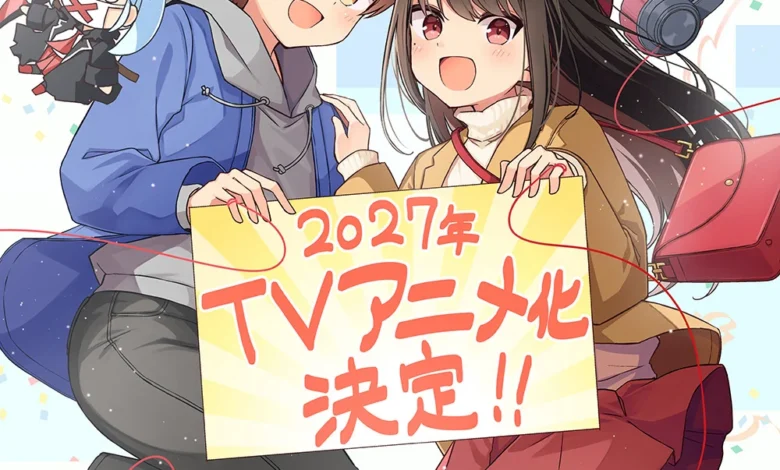
- 2027: Scheduled premiere of the television anime adaptation.
The announcement of the anime comes just as the manga reaches its conclusion. The ninth volume, set for release in mid-September 2024, is slated to be the final entry in the series. This timing suggests that the anime adaptation will have the benefit of a completed source material, allowing the production team to adapt the entire story arc without the need for original "filler" content or an inconclusive ending.
International Market Reach and Localization
The series has seen considerable success outside of Japan, particularly in North America. J-Novel Club, a publisher known for its digital-first approach and rapid localization of light novels and manga, licensed the series in early 2022. This move was part of a broader strategy to capture the "rom-com" market, which has seen a resurgence in popularity among English-speaking anime and manga fans.
The English title, Sometimes Even Reality Is a Lie!, was chosen to capture the spirit of the Japanese title while appealing to Western sensibilities regarding the "reality vs. digital" theme. The seventh volume’s recent release in May 2024 indicates a steady localization pace, ensuring that international fans will likely be caught up with the manga’s conclusion well before the anime’s 2027 debut. The presence of an established English-speaking fanbase provides a ready-made audience for the anime, increasing its potential for a successful international simulcast.
Industry Context and the Web-to-Anime Pipeline
The announcement of a 2027 premiere date is notable for its transparency and the length of the lead time. In the current anime production climate, projects are often announced only a year or eighteen months before their debut. A three-year lead time suggests several possibilities: the production committee is securing a high-tier animation studio with a busy schedule, or they are planning a comprehensive marketing campaign to coincide with the post-manga-conclusion period.
Kadokawa has been aggressive in its goal to increase its anime output, aiming to produce approximately 40 titles per year. Sometimes Even Reality Is a Lie! fits perfectly into this strategy. Web-sourced manga often come with a pre-established data set regarding reader demographics and engagement metrics, which mitigates the financial risk for production committees. Furthermore, the "cross-dressing" and "gaming" tropes are currently high-performing niches within the romantic comedy genre, following the success of titles like Princess Jellyfish or Wotakoi: Love is Hard for Otaku.
Impact and Implications for the Genre
The adaptation of Niichi’s work reflects a shift in how romantic comedies are structured. While older titles in the genre often relied on "will-they-won’t-they" dynamics spanning dozens of volumes, modern web-origin series like Sometimes Even Reality Is a Lie! tend to focus on the unique circumstances of a specific relationship. The "otokonoko" (cross-dressing boy) trope, combined with the "gamer" aesthetic, addresses a specific intersection of Japanese pop culture that resonates with younger audiences who grew up with digital identities.
Furthermore, the involvement of the author in the announcement—sharing commemorative art and personal messages—continues to bridge the gap between creators and fans. This direct line of communication, fostered on platforms like X, has become an essential part of a title’s lifecycle. The 2027 anime will likely serve as a retrospective celebration of the manga, bringing the characters to life for an audience that has followed their journey from four-panel web drawings to a fully realized television production.
As the industry moves toward 2027, further details regarding the animation studio, voice cast, and specific broadcast windows are expected to be released. For now, the conclusion of the manga in September 2024 will serve as the next major milestone for fans, providing the definitive blueprint for the upcoming television adaptation. The project stands as a testament to the power of independent web creators in the modern media landscape, proving that a compelling premise shared on social media can eventually evolve into a cornerstone of a major publishing house’s seasonal lineup.