Entering the Digital Abyss: Actor-Turned-Director Dan Scully Targets the Manosphere with Found-Footage Horror Feature PEAK FORM

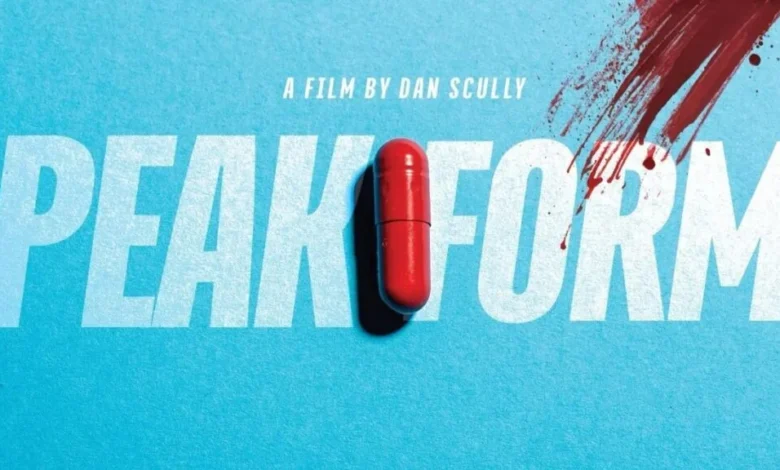
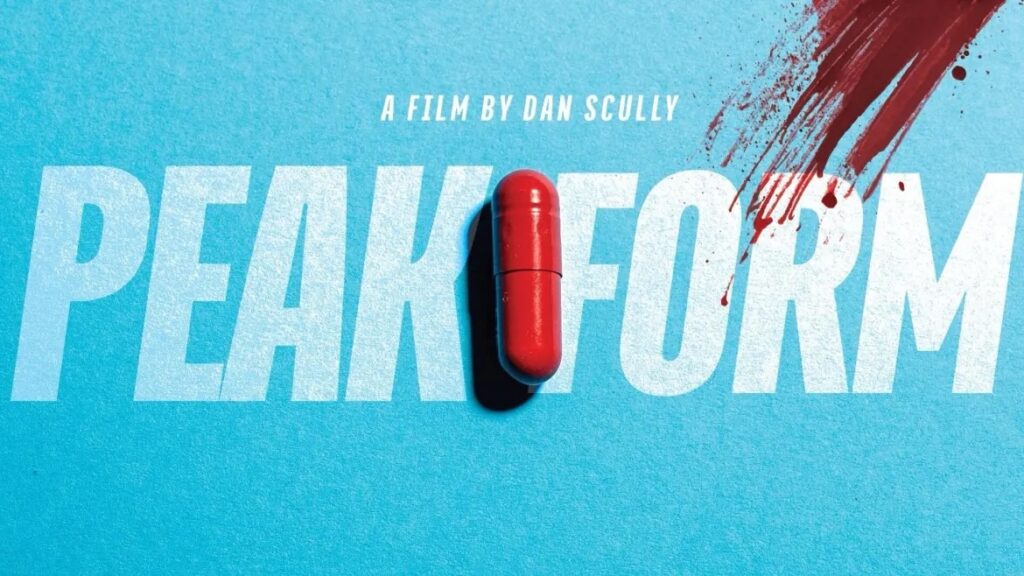
The intersection of online radicalization, fitness subcultures, and the unregulated corners of digital media has long provided fertile ground for sociological study, but it is increasingly becoming a primary muse for modern horror cinema. PEAK FORM, the debut feature film from actor-turned-director Dan Scully, leverages the conventions of the found-footage subgenre to dissect the psychological vulnerabilities exploited by contemporary manosphere influencers and online Red Pill ideologies. Set against the gritty backdrop of Philadelphia, the film examines how the pursuit of personal betterment can seamlessly mutate into ideological indoctrination, blurring the boundary between digital performance and physical violence.
The Main Facts of the Production
At its core, PEAK FORM follows Hurley, portrayed by Scully himself, a young man navigating the profound grief of losing his father. Seeking reinvention and stability, Hurley turns to the internet for guidance, eventually falling under the thrall of a charismatic and predatory online personality played by Chris Vander Kaay. As Hurley dives deeper into hyper-masculine online ecosystems, his behavior grows increasingly erratic. The narrative reaches a critical pivot point when his fixation shifts toward his younger neighbor, steering his supposed journey of self-discovery into deeply unsettling territory.
The film is a collaborative effort spearheaded by a creative team experienced in low-budget, high-concept indie cinema. Scully not only directed and starred in the feature but also co-wrote the screenplay alongside Vander Kaay. In addition to his writing and acting duties, Vander Kaay served as a co-producer alongside Mary Beth McAndrews. Rob White rounded out the core production team as an associate producer. The ensemble cast features performances from Erin Herschberger, Hannah Palermo, Doris Pringle-Bruhle-Salahari, Kristen Rice, and Stephan A. Richards. Following its completion, the film secured a distribution home on Found TV, where it is currently available for streaming.
Chronology and Background Context

The genesis of PEAK FORM can be traced back to the creative partnership forged during the production of the 2025 found-footage film .ask. Both Scully and Vander Kaay, alongside producer Mary Beth McAndrews, contributed to the earlier project, which explored distinct pockets of digital anxiety. During a limited theatrical run of .ask, a specific sequence featuring an interaction between Scully and Vander Kaay consistently elicited strong audience reactions, ranging from laughter to applause.
Reflecting on the audience reception of that dynamic, .ask producer Preston Fassel noted that the scene effectively established the tone for the entire picture. The positive reception encouraged the creative team to expand upon that specific comedic and dramatic chemistry, ultimately inspiring Scully to spearhead a feature-length project of his own. Rather than attempting a traditional narrative feature, Scully opted for the found-footage medium as a deliberate thematic choice.
According to the director, the framing device was chosen to mirror the very platforms where real-world radicalization occurs. By placing the narrative within a digital, recorded format, the film intentionally mimics the aesthetic of the video content consumed by young men seeking self-improvement advice online. Scully humorously observed that the production also afforded him the practical opportunity to manufacture fake blood in a residential kitchen sink, a milestone he described as a fulfillment of a personal ambition.
Supporting Data and Industry Context
The release of PEAK FORM arrives at a cultural juncture defined by increasing scholarly and media scrutiny regarding the impact of online manosphere content on young men. Over the past decade, digital platforms have witnessed the proliferation of influencers promising financial independence, physical peak performance, and traditional masculinity in exchange for ideological alignment. Sociological studies frequently highlight how algorithms designed to maximize engagement often funnel vulnerable individuals—particularly those experiencing isolation, grief, or economic uncertainty—toward increasingly extreme content silos.
Within the horror genre, found-footage films have historically functioned as barometers for contemporary cultural anxieties. From the documentary-style paranoia of 1999’s The Blair Witch Project to modern iterations that examine cyberbullying, live-streaming culture, and parasocial relationships, the medium relies on the illusion of authenticity to generate dread. By adopting the visual grammar of fitness vlogs, motivational seminars, and unedited digital logs, PEAK FORM taps into the unsettling reality of how easily trusted spaces can be weaponized. The film’s Philadelphia setting further grounds the narrative in a recognizable, blue-collar urban environment, contrasting the hyper-polished digital avatars of online gurus with the grim, grounded reality of the protagonist’s daily life.
Official Responses and Creative Insights
The transition from acting to directing represented a significant milestone for Scully, who leveraged his prior experience in front of the camera to shape the psychological tension of the narrative. The collaborative synergy between Scully and Vander Kaay proved vital not only in the writing room but also in establishing the manipulative dynamics between Hurley and his online mentor.
Industry colleagues have pointed to the film as a natural evolution of the themes explored in the creative team’s previous endeavors. The continuation of professional relationships from .ask to PEAK FORM underscores a growing trend within independent horror filmmaking, where tightly knit ensembles and production crews leverage shared shorthand to execute ambitious conceptual projects on streamlined schedules and budgets.
Broader Impact and Implications
As independent distribution models increasingly shift toward specialized streaming platforms like Found TV, films that tackle niche cultural phenomena are finding direct pathways to receptive audiences without relying on traditional theatrical gatekeepers. PEAK FORM exemplifies this distribution shift, utilizing digital-first platforms to reach viewers already fluent in the language of internet subcultures.
The implications of the film extend beyond its entertainment value, offering a darkly satirical critique of an unregulated digital landscape. By personifying the dangers of online radicalization through the horror genre, Scully and his collaborators have crafted a narrative that resonates with contemporary discussions surrounding mental health, parasocial manipulation, and the modern crisis of male identity. Whether viewed as a cautionary tale, a psychological thriller, or a visceral exercise in indie filmmaking, PEAK FORM demonstrates the enduring versatility of the found-footage format in reflecting the hidden terrors of the digital age.