Helldivers 2 faces ongoing community backlash as Arrowhead Game Studios attempts to balance anti-cheat measures with player modding expectations


The recent integration of Easy Anti-Cheat (EAC) into the popular cooperative shooter Helldivers 2 has ignited a significant conflict between the developer, Arrowhead Game Studios, and its highly active player base. The implementation of this security software, intended to curb illicit activity within the game’s live-service environment, has resulted in a wave of negative user sentiment on Steam, bringing the total tally of negative reviews to levels that challenge the historical records for the platform. As the studio navigates this crisis, the incident has highlighted the inherent friction between the necessity of maintaining a secure online ecosystem and the community’s desire for creative freedom through game modification.
The Chronology of the Conflict
The friction began when Arrowhead announced a transition from its previous anti-cheat solution, GameGuard, to Easy Anti-Cheat. While the stated objective was to provide a more robust defense against unauthorized software, the announcement was met with immediate resistance. The primary concern among the player base was the restriction of modding—a practice that, while technically unsupported by the studio, had flourished within the community.
Within days of the update, Helldivers 2 saw an influx of over 10,000 negative reviews on Steam. This surge in critical feedback shifted the game’s recent review rating to "mostly negative." This was not the first time the community had mobilized to express dissatisfaction; the player base has previously demonstrated its ability to effectively coordinate boycotts and review-bombing campaigns when they perceive that development choices negatively impact their user experience.
Technical Justification and the Modding Divide
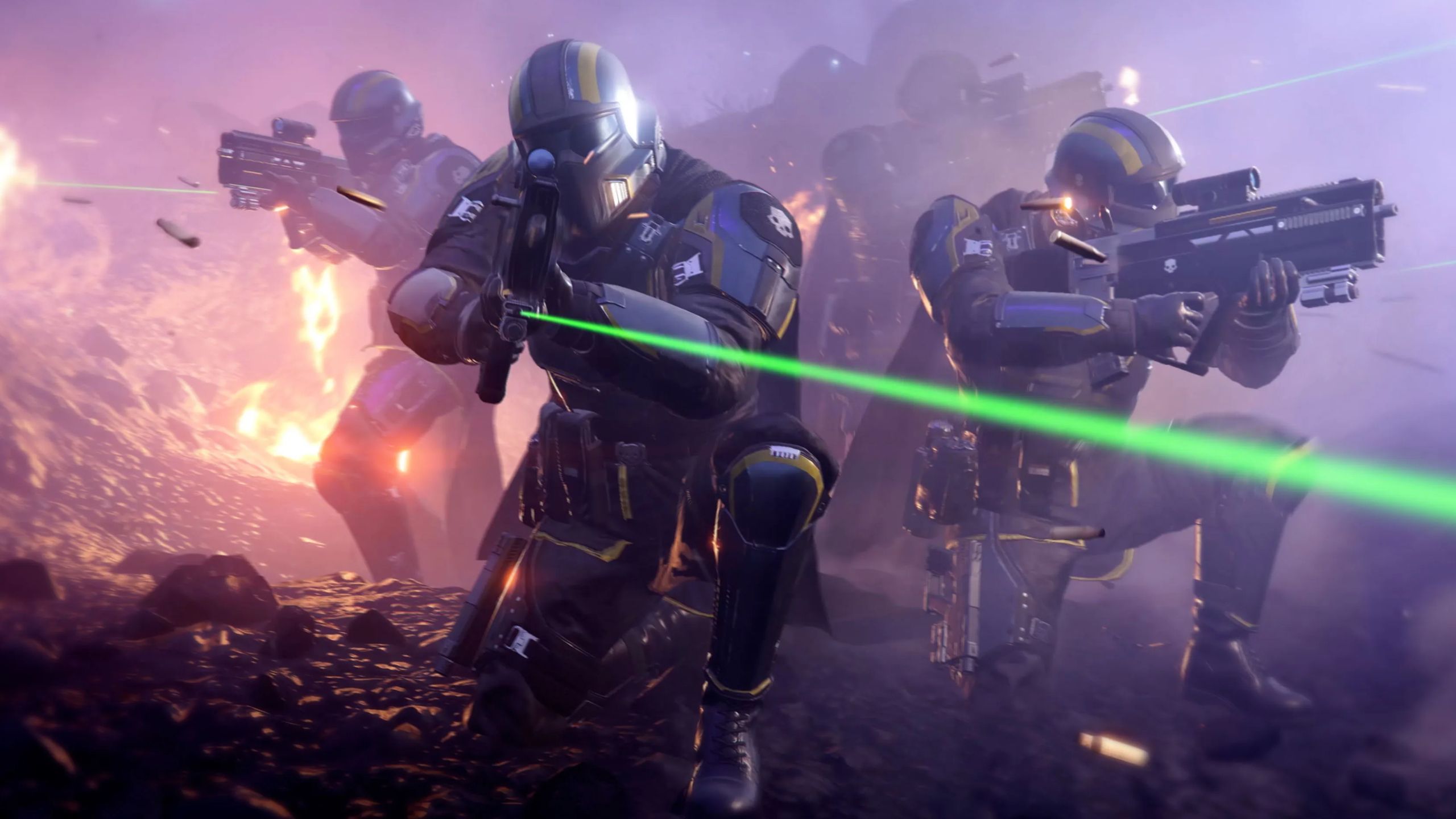
From the perspective of Arrowhead Game Studios, the shift to EAC was a calculated measure to preserve the integrity of a live-service game that relies on a stable, fair, and monetized economy. Helldivers 2 utilizes a premium currency system known as "Super Credits," which can be earned through gameplay or purchased with real-world money. The existence of mods that allow players to circumvent these acquisition rates or manipulate game files to spawn resources creates a direct conflict with the game’s commercial model.
Furthermore, the studio has pointed to technical stability as a primary motivator. Unofficial mods that alter enemy behavior, weapon statistics, or movement physics have been linked to client-side crashes and synchronization errors in multiplayer sessions. By moving to a more restrictive anti-cheat framework, Arrowhead aimed to create a standardized environment where every player is subject to the same mechanical constraints, thereby reducing the "unfair advantages" that frustrate the broader community.
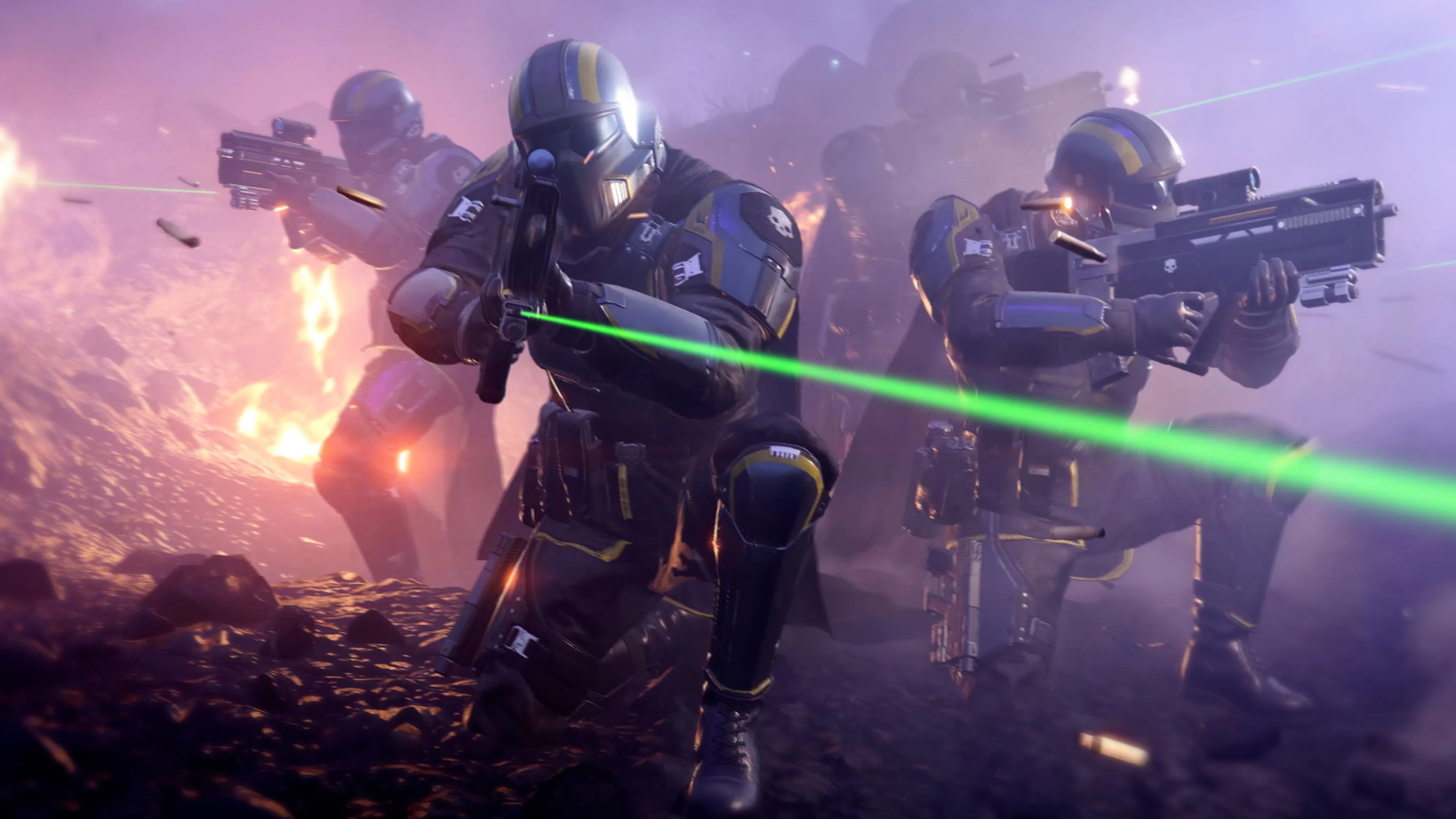
However, the "collateral damage" of this transition was the disabling of cosmetic-only mods—add-ons that change the visual appearance of armor, capes, or weapons without impacting game balance. These mods were largely accepted by the community and viewed as a way to enhance personal expression in a game that otherwise offers limited customization. The unintended breaking of these mods served as a catalyst for the community’s frustration, which was compounded by a perception that the studio was prioritizing administrative control over the correction of long-standing gameplay bugs.
Official Response and Strategic Adjustments
Recognizing the intensity of the backlash, Arrowhead issued a statement via their official developer blog to address the community’s concerns. The studio clarified that while it remains firm on its stance regarding gameplay-altering mods—which they categorize as indistinguishable from cheating—they are actively working to mitigate the impact on harmless cosmetic modifications.
"We have been reviewing how the code changes disabled cosmetic non-gameplay mods," the studio stated. "This has resulted in adjustments that should allow some cosmetic mods to be functional with our next hotfix."
This acknowledgment is part of a broader attempt by Arrowhead to regain trust after a period of miscommunication regarding their development roadmap. The studio conceded that they had failed to meet several internal deadlines for promised features, such as improvements to hellpod steering and stratagem mechanics. They also addressed criticism regarding the "new biome" update, admitting that their labeling of bug-cave environments as a significant new biome was an overstatement that failed to meet player expectations.
Broader Implications for Live-Service Games
The Helldivers 2 situation serves as a microcosm for a larger, ongoing debate in the gaming industry: the tension between the "Live Service" model and the "Modding Culture." In traditional, single-player titles, modding is often encouraged, extending the longevity of the game through community-driven content. However, in the context of a live-service multiplayer game, where the developer must maintain a balanced, secure, and profitable ecosystem, the presence of external, unauthorized code is often viewed as a systemic risk.
The financial implications of this are significant. Developers face the dual challenge of protecting their microtransaction revenue streams from exploitation while avoiding the alienation of their most dedicated players. When a developer moves to secure their game, they often inadvertently punish the "power users"—the modders and enthusiasts who are often the most vocal advocates for the game on social media and community forums.

Looking Toward Future Updates
As Arrowhead moves forward, the success of their recovery strategy depends on their ability to deliver on the promises made in their latest communication. The developer has committed to a more transparent approach, noting that their future roadmap will be designed with the explicit goal of demonstrating that they are listening to user feedback.
The upcoming patches, scheduled for early December, will be a critical test for the studio. Players are expecting not only the restoration of certain modding capabilities but also concrete progress on the mechanical fixes they have been requesting for months. The ambiguity surrounding some of the studio’s technical notes—such as the vague descriptions of how mobility packs will interact with object-carrying mechanics—highlights the current communication gap that Arrowhead must close to de-escalate the situation.
Ultimately, the Helldivers 2 incident underscores a vital lesson for developers: in a landscape where players are more connected and organized than ever, transparency is a commodity as valuable as the game itself. Whether the community will accept the new, more restricted security environment depends entirely on whether the studio can prove that these changes are truly in service of a better gameplay experience, rather than simply an administrative crackdown on the player base. As the game continues to evolve, the challenge for Arrowhead will be to maintain the "Galactic War" spirit that has made the game a cultural phenomenon, while simultaneously enforcing the digital borders required to keep that war fair and functional for all participants.