In the landscape of cinematic storytelling, there are films that leave audiences with a lingering sense of incompleteness, as if vital connective tissue has been surgically removed, leaving plot holes and underdeveloped character arcs in its wake. These cinematic experiences, while not necessarily outright failures, often provoke a collective sigh of "what happened there?" or "how did they get from A to B so quickly?" This phenomenon can stem from a variety of factors, including extensive studio interference, rushed production schedules, ambitious source material condensed into a tight runtime, or simply directorial choices that prioritize pacing over clarity. The result is a viewing experience where the audience is often left to fill in the blanks, speculating on motivations, transitions, and events that feel conspicuously absent. This article delves into sixteen such films, examining how their narrative gaps have left a mark on their reception and legacy.
The Perils of Production: A Deeper Look at Incomplete Narratives
The creation of a feature film is a complex, often arduous process, fraught with potential pitfalls that can impact the final product. For the films on this list, the feeling of missing scenes is not merely subjective interpretation; it often points to tangible production challenges. These can range from creative disagreements between directors and studios, leading to significant re-edits and reshoots, to ambitious adaptations of dense literary works that prove difficult to condense without sacrificing essential narrative threads.
In many instances, the impact of these missing elements is not just felt in the narrative flow but also in the audience’s ability to connect with characters and their motivations. When a character’s journey feels abrupt or their sudden change in allegiance lacks clear justification, it diminishes the emotional investment the audience can have. This can lead to a disconnect between the film’s intended emotional impact and the actual viewer experience, contributing to a film’s critical or commercial underperformance, or conversely, a fervent fan base advocating for a "director’s cut" that restores the intended narrative.
Case Studies: Films That Left Audiences Wanting More
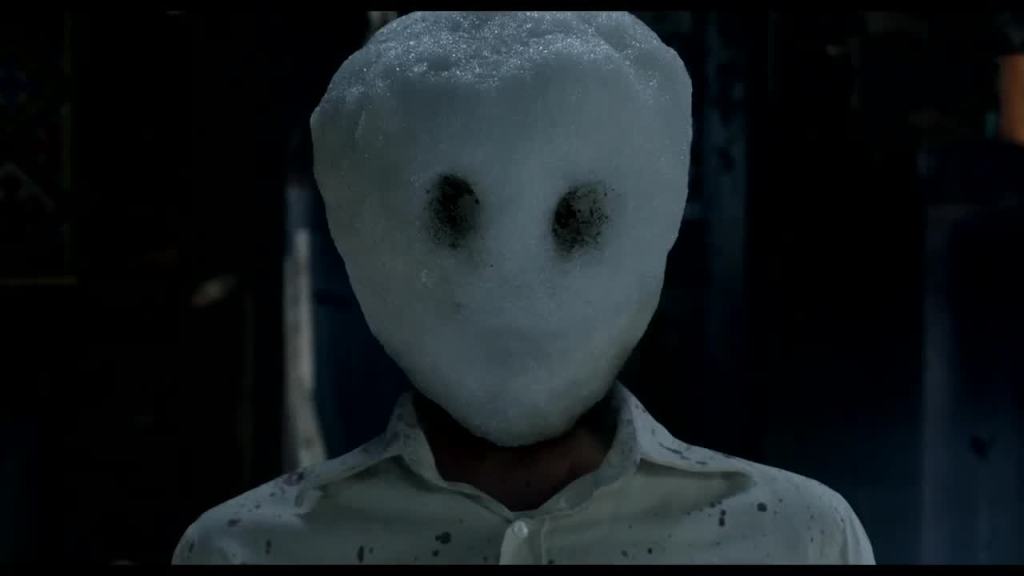
The Snowman (2017): This crime thriller, based on Jo Nesbø’s novel, is perhaps the most notorious example of a film feeling fundamentally incomplete. Reports from the production revealed that a significant portion of the script was never actually filmed due to time constraints and logistical challenges. Key plot points and character motivations are left unexplained, making the narrative feel disjointed and abrupt. The resulting film, widely criticized for its lack of coherence, stands as a stark reminder of how crucial it is to capture essential scenes during principal photography. The intended chilling atmosphere and complex detective work of the novel were largely lost in translation, leaving audiences bewildered by the rapid progression of events and the unclear connections between them.

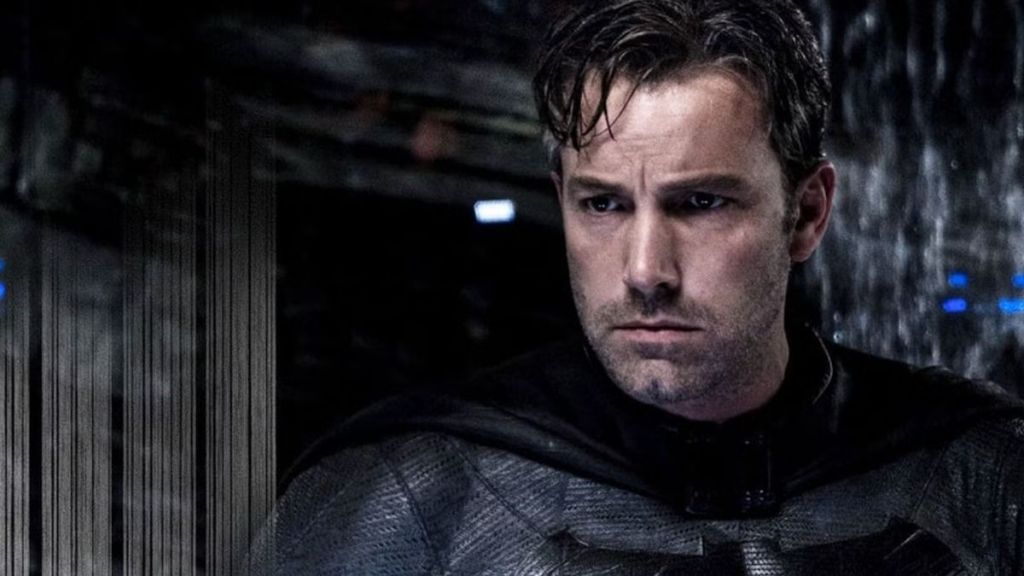
Justice League (2017): The troubled production of "Justice League" is well-documented. Following initial directorial work by Zack Snyder, Joss Whedon was brought in to oversee extensive reshoots and a significant tonal shift. The final product, a hybrid of both visions, suffers from jarring transitions, underdeveloped character arcs, and plot points that feel rushed. The assembly of the titular league, a cornerstone of the narrative, lacks the organic development that audiences expected. The rushed nature of the reshoots and the pressure to adhere to a specific runtime meant that many thematic elements and character backstories were either truncated or omitted, leaving a disjointed viewing experience. The film’s box office performance, while significant, was considered a disappointment given the franchise’s potential, and many attributed this to the perceived lack of narrative cohesion.
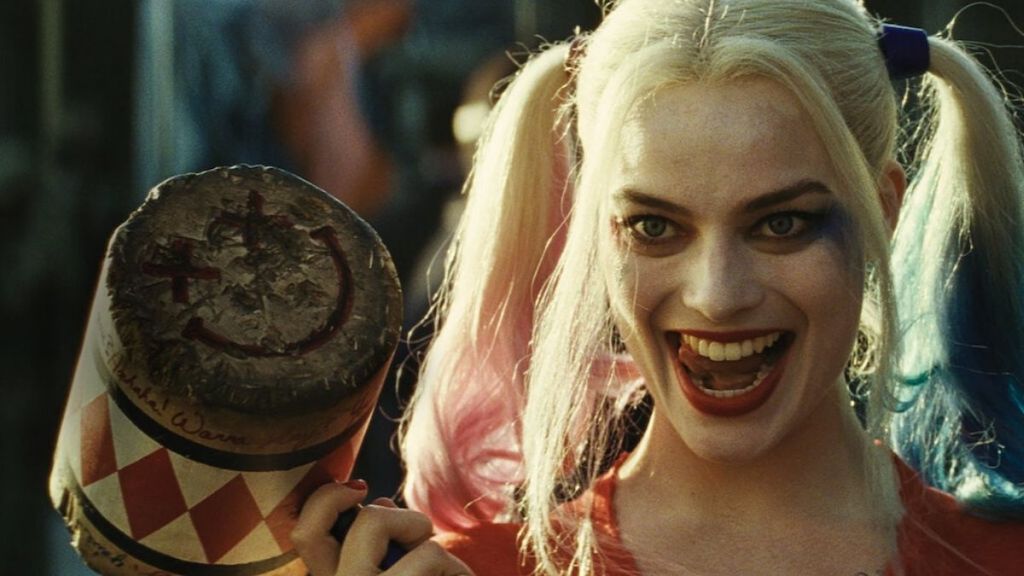
Suicide Squad (2016): The journey of "Suicide Squad" to the big screen was marked by significant post-production changes. Early test screenings reportedly led to a substantial re-editing of the film, resulting in a disjointed narrative that felt like a collection of disparate scenes rather than a cohesive whole. The film’s tone shifts jarringly between dark and comedic, and character introductions often feel abrupt. The marketing campaign itself was criticized for showcasing a different, more tonally consistent film than what ultimately appeared in theaters, leading to accusations of misleading advertising and further fueling the perception of a film that was fundamentally altered from its original vision.
Fantastic Four (2015): This reboot of Marvel’s First Family is a prime example of a film undergoing drastic tonal and narrative alterations. Reports indicate that the initial vision of director Josh Trank was significantly altered during reshoots, leading to a jarring shift in tone midway through the film. The development of the characters, particularly their acquisition of powers and their subsequent relationships, feels rushed and underdeveloped. The final act, in particular, feels disconnected from the build-up, suggesting that crucial scenes explaining the characters’ motivations and the escalation of the conflict were either cut or never filmed. The film’s critical and commercial failure led to its quick departure from theaters and a tarnished legacy.
Star Wars: The Rise of Skywalker (2019): As the concluding chapter of the Skywalker saga, "The Rise of Skywalker" faced immense pressure to tie up numerous plot threads from the previous two trilogies. However, the film’s rapid pacing and constant barrage of new plot developments left many viewers feeling overwhelmed and confused. Major events, such as Rey’s lineage and Kylo Ren’s redemption, felt like they happened with insufficient buildup or explanation. This accelerated storytelling approach, while aiming for spectacle, often came at the expense of narrative clarity and emotional resonance, leaving audiences to question the connective tissue that should have bound these significant moments together. The film’s divisiveness among fans and critics highlighted the challenges of concluding such a long-running and beloved saga.
Quantum of Solace (2008): Following the critical success of "Casino Royale," this James Bond installment was lauded for its action but criticized for its narrative coherence. The film’s aggressive editing and breakneck pacing often resulted in fragmented action sequences and a storyline that was difficult to follow. Key character interactions and plot developments felt truncated, giving the impression that crucial transitional scenes were omitted to maintain the film’s high-octane momentum. While the film delivered on the espionage thriller front, its narrative clarity suffered, leaving some viewers feeling disoriented by the swift shifts in plot and character objectives.
Kingdom of Heaven (Theatrical Cut) (2005): Ridley Scott’s epic historical drama faced significant cuts for its theatrical release, a decision that dramatically impacted its narrative clarity and thematic depth. The theatrical version omits substantial character development, particularly for key figures like Balian and Sibylla, and removes critical political context that explains the motivations behind the conflict. This leads to a viewing experience where alliances shift and motivations seem unclear. The subsequent release of the director’s cut, which runs nearly an hour longer, revealed the extent to which essential material was originally missing, transforming a rushed and somewhat confusing film into a rich, complex, and deeply resonant historical epic.
Daredevil (2003): Similar to "Kingdom of Heaven," the theatrical cut of "Daredevil" was widely criticized for its uneven pacing and underdeveloped plotlines. The studio-mandated cuts removed entire subplots, particularly those involving supporting characters like Elektra and Kingpin, resulting in a narrative that felt disjointed and lacking in crucial motivations. The director’s cut, released years later, restored much of this missing material, providing a more coherent and compelling story that better explored the characters and their relationships, demonstrating how significant omissions can derail even a promising concept.
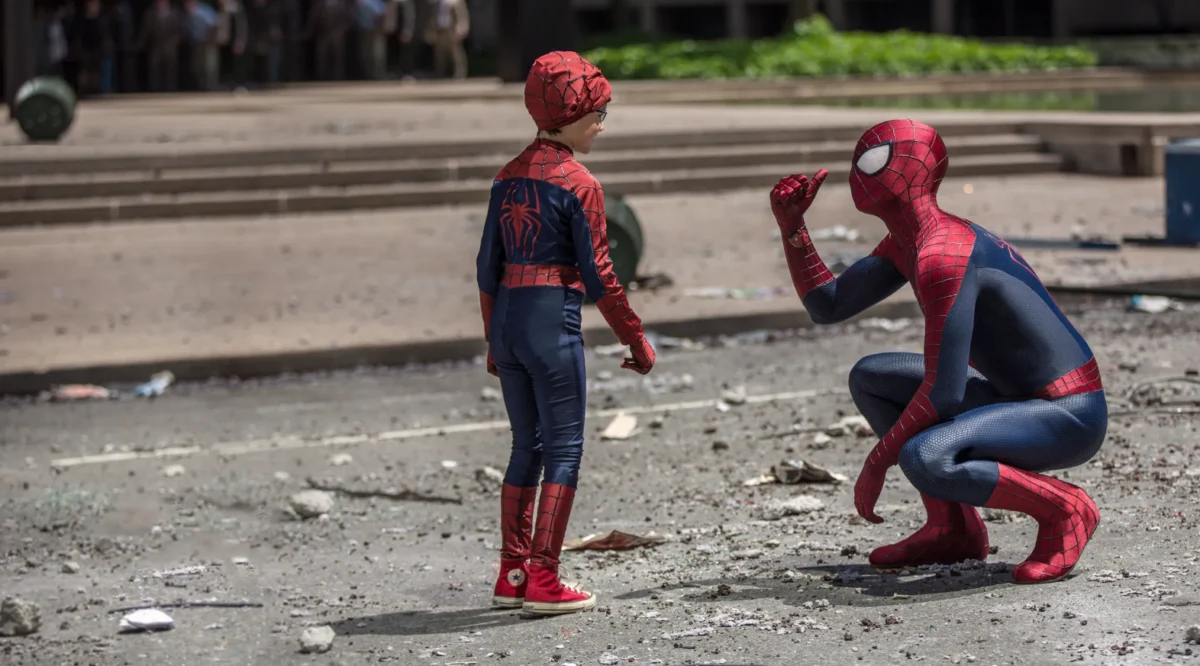
The Amazing Spider-Man 2 (2014): This sequel attempted to juggle multiple villains and storylines, a common pitfall in franchise filmmaking. The film introduced numerous plot threads that were either underdeveloped or abruptly abandoned, creating a fragmented narrative that left audiences questioning the purpose of certain scenes or character introductions. The sheer volume of introduced elements, coupled with what felt like rushed resolutions or complete omissions, suggested that important connective scenes or explanations were sacrificed during the editing process in an effort to streamline the story, ultimately contributing to its critical and commercial underperformance.
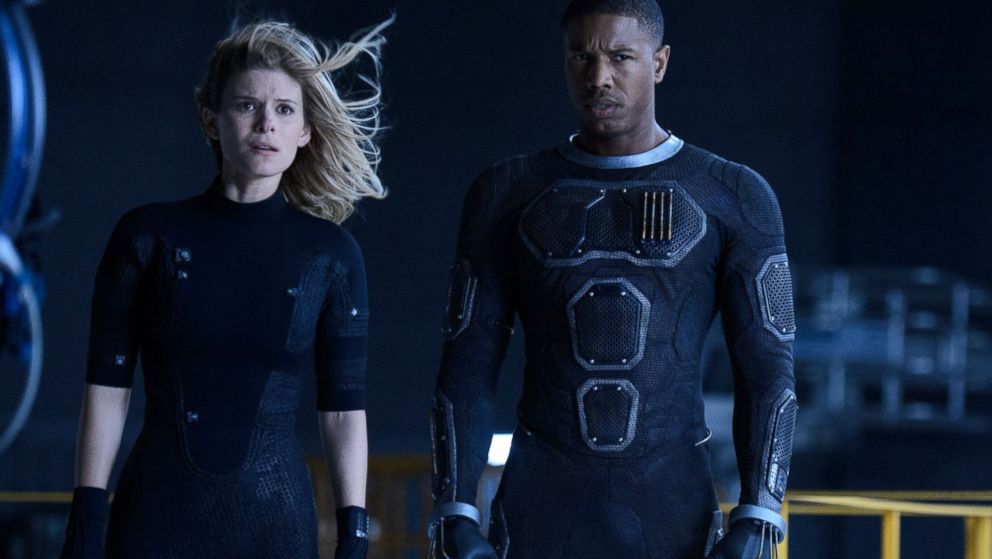
Green Lantern (2011): Studio interference is often cited as a primary reason for the shortcomings of "Green Lantern." Reports suggest that Warner Bros. heavily influenced the script and editing process, leading to a film that rushed through its world-building and character development. Major story beats, intended to establish the mythology of the Green Lantern Corps, felt incomplete, and the protagonist’s journey from ordinary man to intergalactic protector lacked the necessary groundwork. The resulting film felt like a collection of loosely connected ideas, failing to fully immerse audiences in its universe or connect them with the hero’s plight.
X-Men Origins: Wolverine (2009): The origin story of Marvel’s iconic mutant, "X-Men Origins: Wolverine," suffered from an uneven structure and pacing that suggested significant story elements were either cut or reshaped during production. Abrupt transitions between plot points and underdeveloped relationships between characters, particularly Wolverine and his allies and adversaries, left the narrative feeling disjointed. The film’s rushed conclusion and the unclear motivations of certain characters further contributed to the sense that crucial scenes detailing their development and conflicts were missing from the final cut.
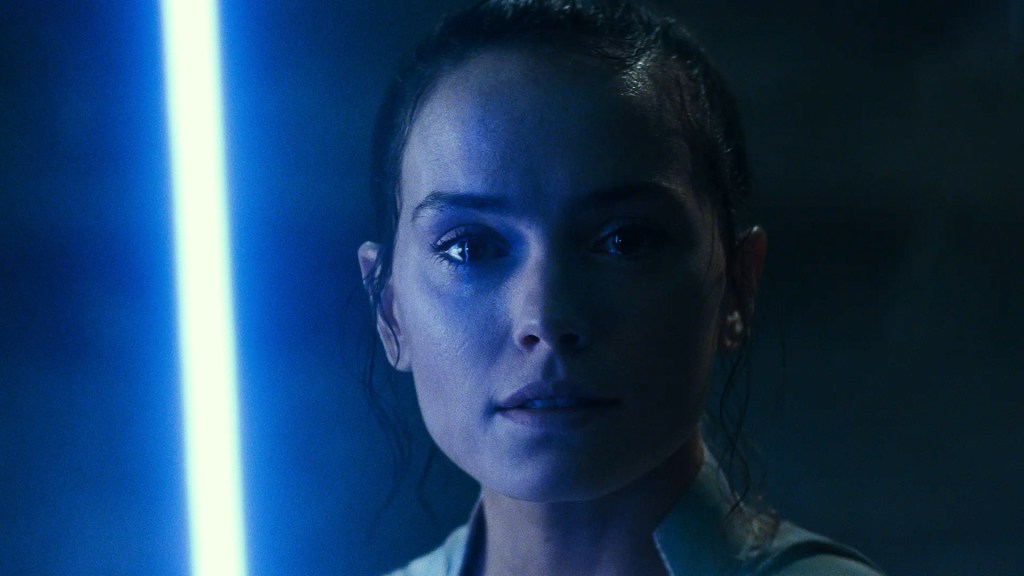
Jupiter Ascending (2015): The Wachowskis’ ambitious science-fiction epic, "Jupiter Ascending," was praised for its stunning visual design and imaginative world-building. However, the film struggled to convey its complex lore and intricate plot with clarity. Dense exposition was introduced with minimal explanation, leaving audiences to piece together the rules of its universe and the motivations of its characters on their own. This resulted in a viewing experience where crucial narrative details felt like they were never fully shown or explained on screen, leaving many viewers struggling to grasp the intricacies of the story.
Eragon (2006): Adapting Christopher Paolini’s lengthy fantasy novel into a single film proved to be a daunting task. The adaptation significantly compressed the source material, leading to a rushed narrative and a lack of crucial character development. The protagonist’s journey from farm boy to dragon rider, a pivotal arc in the novel, felt truncated in the film. The relationships between characters and the intricate political landscape of the story were also underdeveloped, leaving the film feeling incomplete and lacking the depth that made the book so compelling.
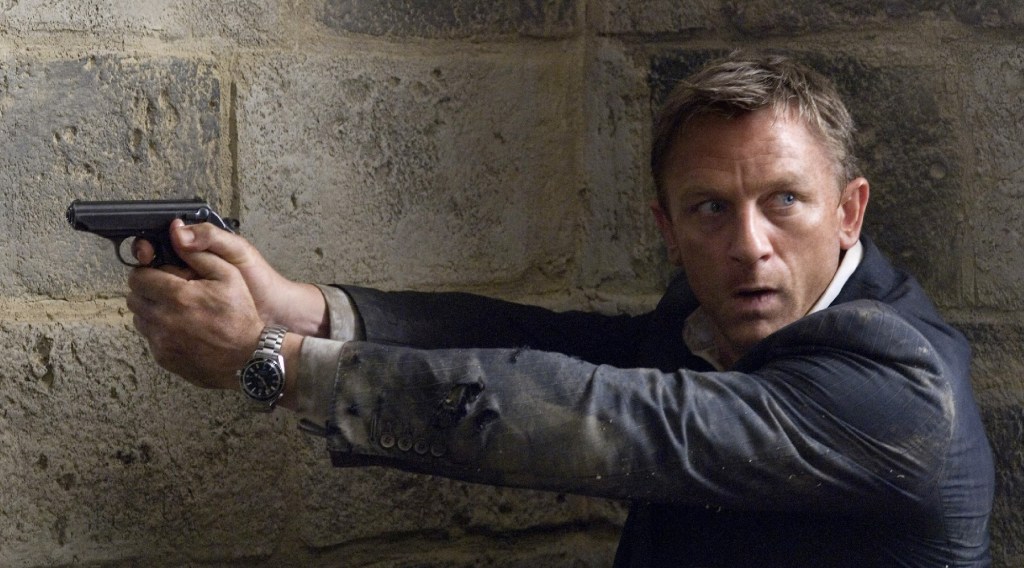
The Golden Compass (2007): Based on Philip Pullman’s acclaimed novel, "The Golden Compass" faced significant alterations from its source material, particularly concerning its ending. Key elements of the book’s conclusion were removed or altered, resulting in a film that felt abruptly cut off and lacking the important narrative resolution that defined the novel. The complex theological and philosophical themes of the book were also significantly downplayed, contributing to a less impactful and more superficial cinematic experience. The decision to alter the ending left many fans of the book disappointed and the film with a sense of unfinished business.
The Dark Tower (2017): Attempting to adapt Stephen King’s sprawling, multi-novel series into a single film was an inherently challenging endeavor. The resulting movie felt stripped down, introducing major concepts and characters from the beloved book series but never properly exploring them in sufficient depth. The thematic richness and the intricate mythology that made "The Dark Tower" a literary phenomenon were significantly diluted, leaving the film feeling like a superficial glimpse into a much larger and more complex narrative. Major plot points and character arcs felt underdeveloped, contributing to a sense of narrative incompleteness.
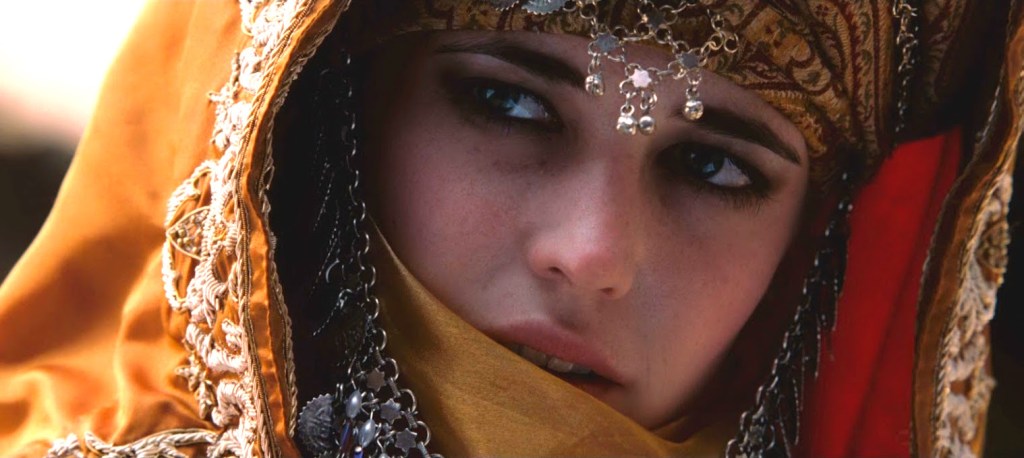
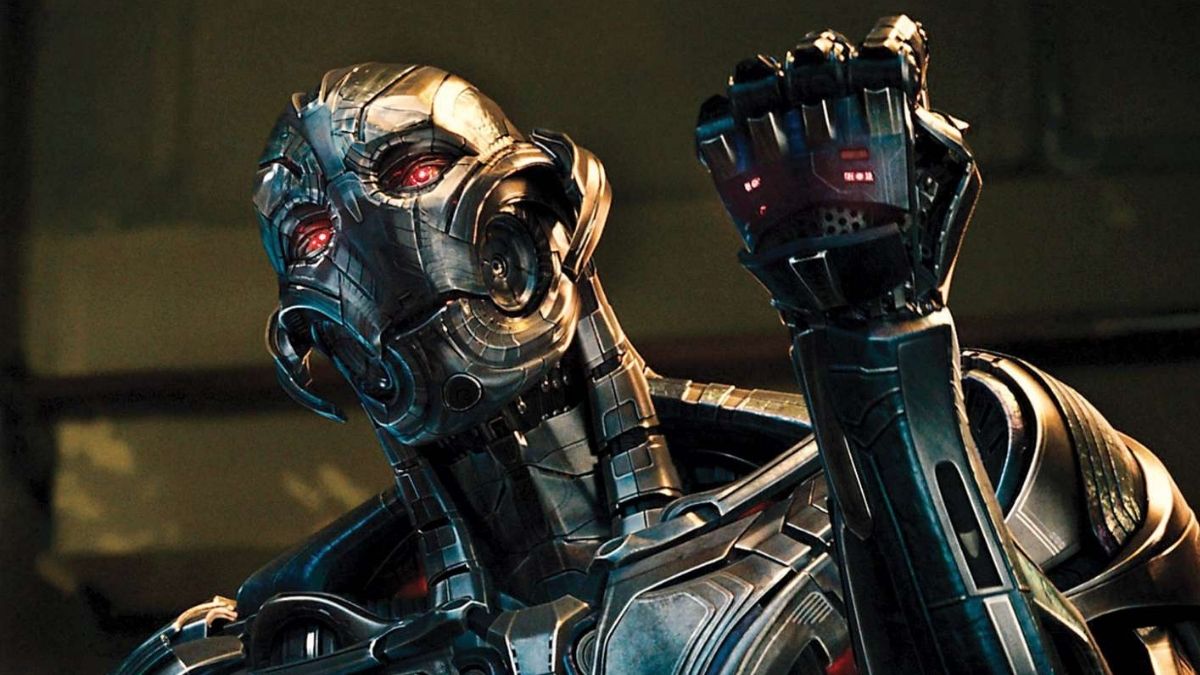
Avengers: Age of Ultron (2015): While a commercial success, "Avengers: Age of Ultron" is often cited as a film that felt cluttered and fragmented due to its heavy focus on setting up future Marvel Cinematic Universe installments. The narrative juggled multiple plot threads and character arcs, with various ideas competing for attention rather than coalescing into a cohesive story. This approach, while effective for long-term universe building, sometimes came at the expense of the film’s immediate narrative clarity and emotional impact, leaving some viewers feeling that the core story was diluted by its ties to a larger, ongoing saga.
The Lasting Impact of Narrative Gaps
The phenomenon of films feeling like they are missing crucial scenes is a testament to the delicate balance required in filmmaking. It highlights the importance of a cohesive vision, adequate production time, and respectful adaptation of source material. While some of these films have garnered cult followings or found appreciation for their individual strengths, their perceived narrative incompleteness remains a significant aspect of their legacy. For audiences, these films serve as a reminder that while spectacle and action are important, a well-told story with clear motivations and satisfying transitions is paramount to a truly resonant cinematic experience. The lingering questions and the desire to "fill in the blanks" are, in many ways, the most enduring commentary on these films that felt like they were always just a few scenes away from being truly complete.