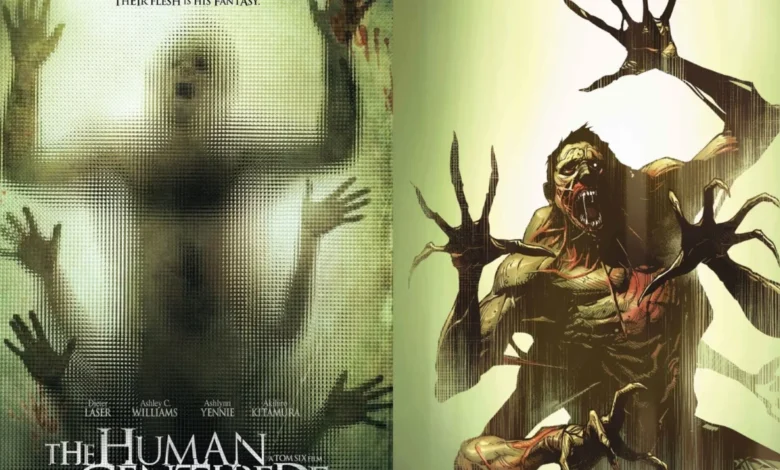
Marvel Comics has once again pushed the boundaries of traditional superhero marketing with a daring and controversial promotional strategy for its latest publishing imprint. As part of the rollout for the new "Midnight Universe" line—a collection of titles designed to blend mainstream Marvel characters with classic horror aesthetics—publishers approved a variant cover for Midnight Spider-Man #1 that directly references the notorious 2009 body-horror film The Human Centipede.
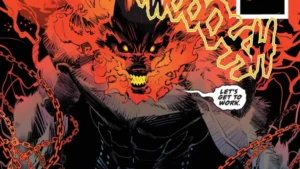
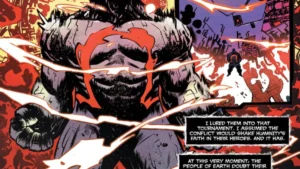
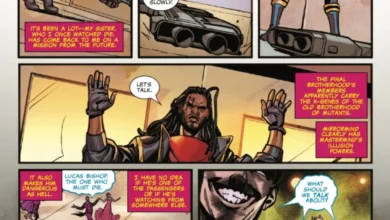
The artistic choice has sparked widespread discussions across the comic book industry regarding editorial standards, corporate oversight, and the escalating trend of utilizing extreme horror imagery to market mainstream comic book properties. The release coincides with the physical and digital distribution of several flagship titles under the new horror-themed imprint, including Midnight Fantastic Four #1 and Midnight X-Men #1, which hit shelves and participating comic book retailers at midnight.

Background and Context of the Midnight Universe Imprint
The launch of the Midnight Universe line represents a distinct tonal shift for Marvel Comics, which has historically maintained a strict demarcation between its standard superhero continuity and mature-audience imprints like MAX. However, the modern comic book market has increasingly leaned toward high-concept, genre-blending variants and alternate-reality miniseries to capture collector interest.
The imprint relies heavily on homage covers—variant covers that recreate iconic posters from cinematic history. While this is a standard industry practice, Marvel’s recent approach has pushed into unconventional territory by selecting properties that exist far outside the traditional PG-13 or superhero demographic. The decision to adapt the imagery of Tom Six’s controversial arthouse horror film The Human Centipede for a Spider-Man title underscores a growing appetite among publishers to court controversy and secure social media visibility through shocking visual juxtapositions.
This creative direction also follows recent industry scrutiny regarding homage covers. Earlier in the week, reports emerged detailing stricter guidelines imposed by competitor DC Comics regarding unauthorized or overly specific homage artwork, highlighting a shifting landscape in how major publishers manage intellectual property and cultural references on variant covers. In contrast, Marvel’s editorial team permitted a wide net of horror influences for the Midnight Universe rollout, bypassing traditional boundaries to include imagery from cult and extreme horror cinema, regardless of studio ownership or family-friendly brand guidelines.
Narrative Direction of Midnight Spider-Man
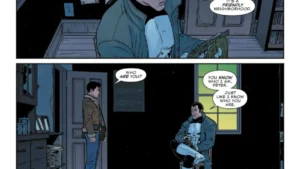
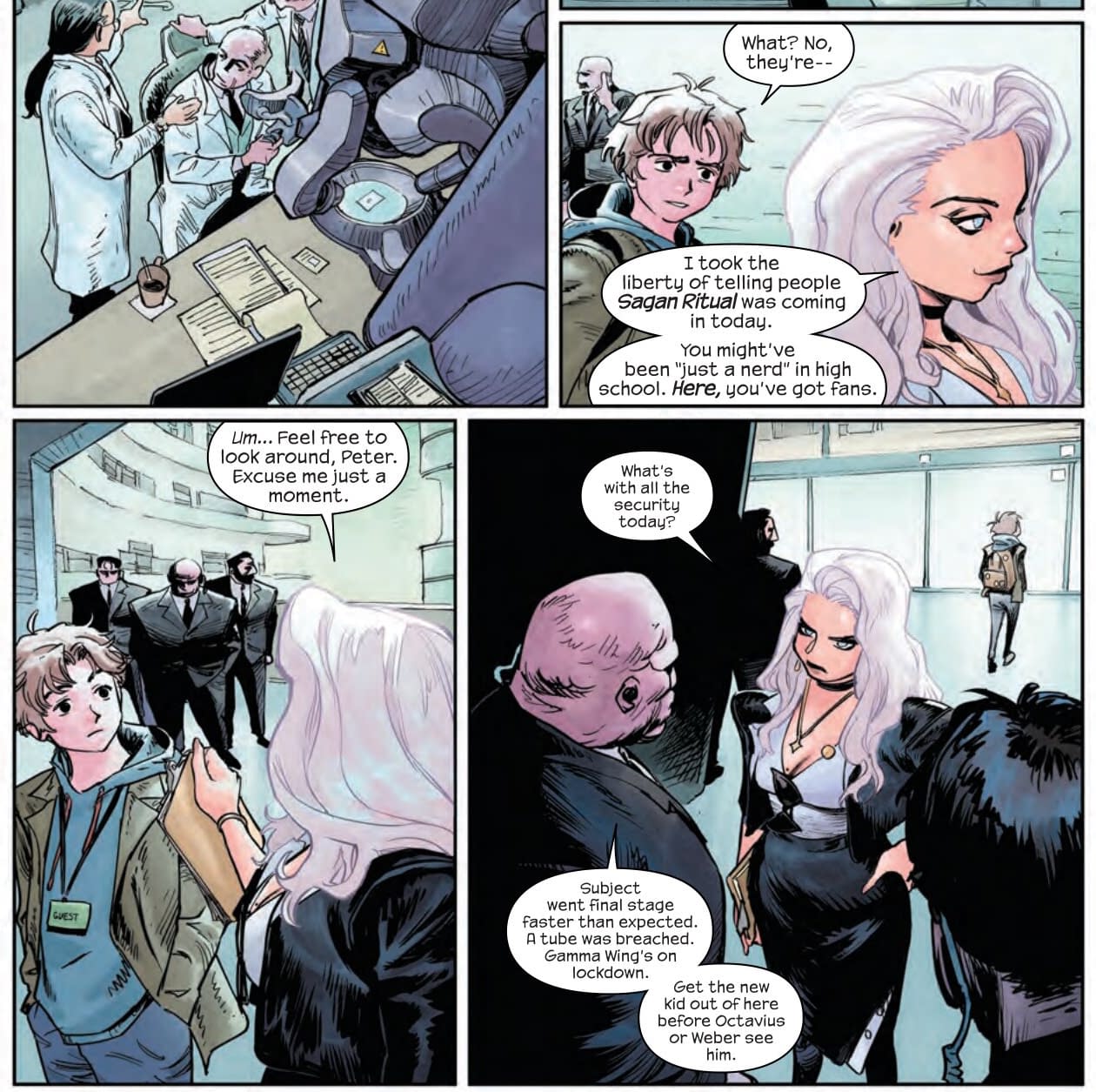
Beyond the controversial promotional imagery, Midnight Spider-Man #1—written by Phillip Kennedy Johnson with artwork by ScieTronc—establishes a dark, psychological, and visceral tone that separates it from standard Peter Parker adventures. Early plot developments within the debut issue introduce unsettling implications regarding classic Spider-Man lore and its supporting cast.
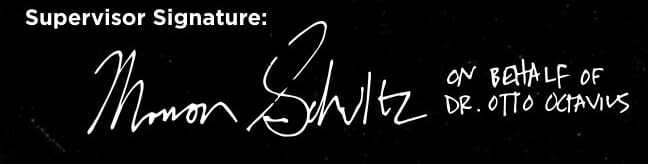
Narrative cues within the first issue suggest the involvement of Otto Octavius within the Oscorp infrastructure, though presented through a deeply distorted, body-horror lens. Panels depict surreal scenarios, including imagery suggesting a profound loss of bodily autonomy and bureaucratic failure, such as a character seemingly unable to physically sign official documents. The unfolding mystery leans heavily into psychological dread, drawing stylistic comparisons to surrealist and body-horror manga, notably the works of Junji Ito.
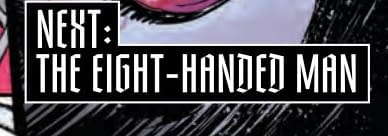
Subsequent promotional materials and variant covers for Midnight Spider-Man #2 further muddy the waters regarding character identities within this alternate reality. Promotional artwork reveals figures bearing striking visual similarities to Doctor Octopus, yet heavily re-engineered with aesthetic motifs reminiscent of iconic cinematic monsters like Pinhead from the Hellraiser franchise. This blending of classic Marvel rogues with diverse horror subgenres indicates that the creative team is utilizing the Midnight Universe as a sandbox to deconstruct traditional superhero mythos into pure nightmare fuel.
Industry Reactions and Editorial Implications
The inclusion of extreme horror references in a Spider-Man publication has elicited a complex reaction from comic book retailers, collectors, and industry analysts. On one hand, the strategy has undeniably achieved its primary marketing objective: generating widespread discourse, online traffic, and strong initial collector demand for variant covers. Retailers reported solid midnight-launch turnouts for the initial wave of Midnight Universe titles, driven largely by collectors seeking out the more unusual and controversial covers.
Conversely, the choice has raised questions concerning brand safety and demographic targeting. While comic shops feature mature-section indicators, mainstream comic characters like Spider-Man maintain a broad, multi-generational audience that includes younger readers. The cross-pollination of a universally recognized family-friendly hero with an explicit torture-porn cinematic touchstone has invited debate over whether the industry is pushing envelope-stretching marketing too far.
Industry commentators have noted the slippery slope of horror homages, jokingly questioning whether even more explicit or taboo arthouse films might serve as inspiration for future variant cover campaigns. However, from a commercial standpoint, the gambit has proven effective in differentiating the Midnight Universe from standard event tie-ins.
Broader Market Impact and Future Outlook
The debut of Midnight Spider-Man #1, alongside Midnight Fantastic Four #1 and Midnight X-Men #1, marks the beginning of a significant publishing push for Marvel as they test the waters for sustained horror-themed publishing initiatives. By leaning into transgressive imagery, the publisher has successfully captured the attention of a collector market increasingly driven by scarcity, variant aesthetics, and shock value.
As the Midnight Universe miniseries progress, the central mystery involving Otto Octavius, Oscorp, and the transformation of the Spider-Man mythos will unfold across upcoming issues. Whether the internal storytelling can match the provocative nature of its marketing campaign remains to be seen, but the imprint has already cemented its place as one of the most unorthodox editorial experiments of the publishing year.
Related posts: