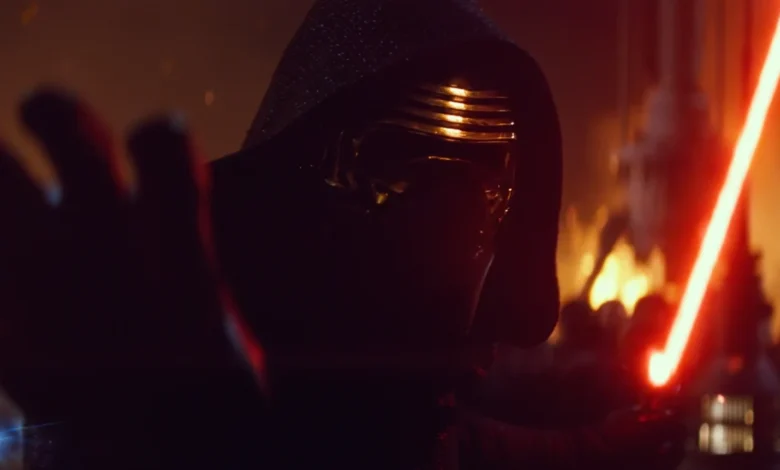
The discourse surrounding Lucasfilm’s creative direction in the post-sequel era of the Star Wars franchise remains a contentious subject among film enthusiasts, industry analysts, and the massive fan community alike. At the center of recent speculation is The Hunt for Ben Solo, a canceled cinematic project that would have reunited actor Adam Driver with the character of Ben Solo—formerly known as Kylo Ren—following the ambiguous and controversial conclusion of 2019’s Star Wars: Episode IX – The Rise of Skywalker.
While initial leaks regarding the project generated immense excitement across social media and even prompted dedicated fan campaigns, the definitive shelving of the film is, upon closer inspection, a positive development for the long-term health of the franchise. By examining the chronology of the project’s development, the mechanics of modern fandom culture, the existing multimedia explorations of the character, and Lucasfilm’s broader strategic pivot toward uncharted eras, it becomes evident that Ben Solo’s narrative arc reached its natural, definitive conclusion.
Anatomy of a Canceled Project: The Genesis and Fall of The Hunt for Ben Solo
The revelation that Lucasfilm actively considered—and ultimately rejected—a standalone Ben Solo feature film first came to light through industry reporting and subsequent confirmations by key creative personnel. Conceptualized as a redemption-focused narrative dealing with the fallout of the sequel trilogy, the film would have featured high-profile creative talent behind and in front of the camera.
Academy Award-winning filmmaker Steven Soderbergh was reportedly attached to direct, working from a screenplay penned by accomplished writer Scott Z. Burns, known for his work on projects such as World War Z and Contagion. Furthermore, Adam Driver was approached to reprise the complex role that defined his cinematic presence throughout the sequel trilogy.
Despite the pedigree of the attached talent, the project ultimately stalled during the evaluation phase. Former Disney leadership figures, including Bob Iger and Alan Bergman, reviewed the script extensively, while Driver and Soderbergh eventually chose to redirect their professional energies elsewhere. Driver’s remarks on various media appearances, including the Smartless podcast and subsequent interviews on The Rich Eisen Show, firmly cemented the finality of the decision. When pressed on whether the project could ever be revived, Driver offered a succinct and unambiguous assessment: the chapter of Star Wars is closed.
Fandom Agitation and the Parallels to Modern Studio Pressure
The cancellation of The Hunt for Ben Solo triggered a vocal, highly organized response from a segment of the fan base eager to see the character’s post-redemption journey brought to life. Methods employed by advocates mirrored modern digital protest tactics observed in other major intellectual property franchises. Fans funded electronic billboards in prominent urban locations such as Times Square and commissioned aerial banner flights over corporate studio lots to pressure executives into reversing their creative decisions. High-profile industry figures, including Rian Johnson—director of Star Wars: Episode VIII – The Last Jedi—also voiced qualitative support for the hypothetical project, lending intellectual weight to the fan movement.
This grassroots lobbying effort bears striking structural similarities to the protracted "Release the Snyder Cut" campaign that targeted Warner Bros. and DC Entertainment regarding Zack Snyder’s Justice League. While that specific historical precedent resulted in the eventual greenlighting and release of the director’s cut on streaming platforms, industry analysts note that unique business pressures dictated that outcome. Specifically, the newly launched HBO Max platform required high-profile exclusive content to drive early subscriber acquisition during its inaugural year.
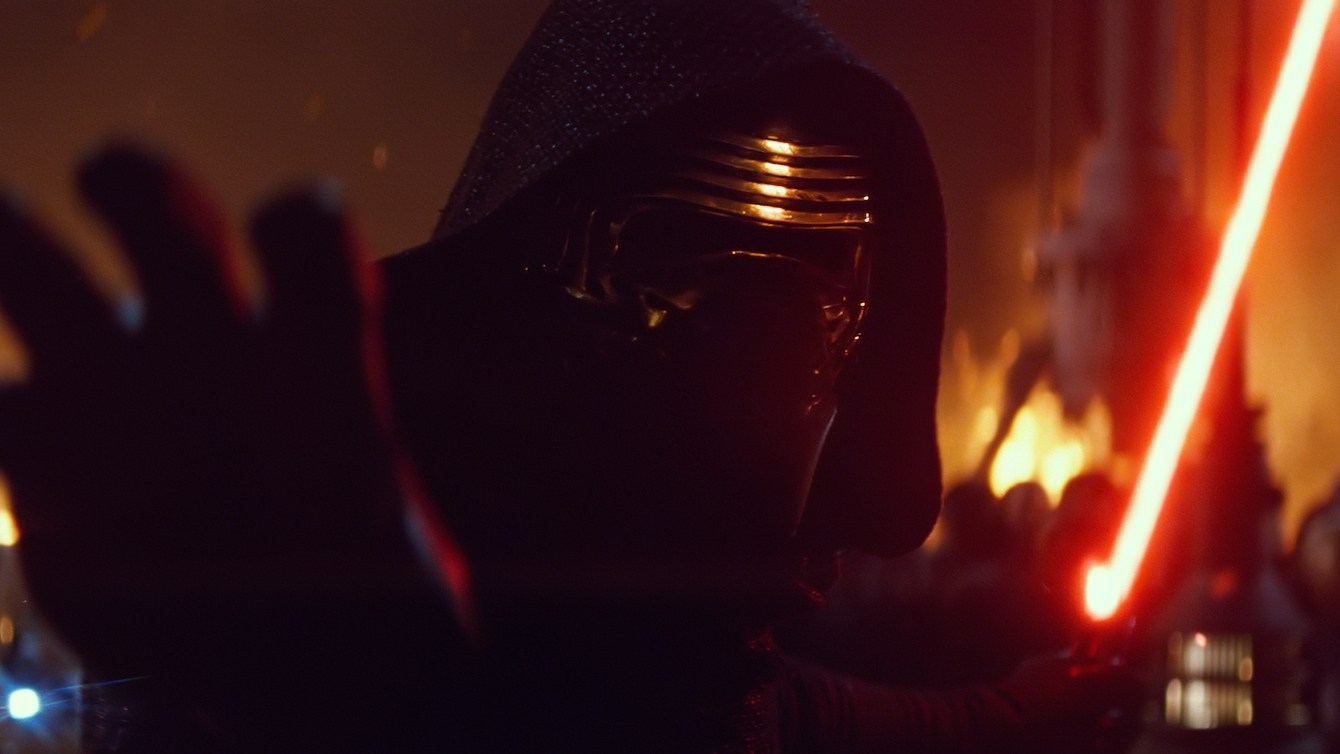
In contrast, repeating such a precedent within the Star Wars ecosystem risks establishing a problematic operational dynamic. Yielding to demands for retrospective narrative corrections invites continuous cyclical agitation—a "give an inch, take a mile" phenomenon—that can destabilize long-term creative planning. As demonstrated by the polarized reception of The Rise of Skywalker, attempting to appease every faction of a fractured global audience is an impossible mandate for any studio executive or filmmaker.
Narrative Redundancy: The Definitive Arc of Kylo Ren in Literature
A central argument frequently raised by proponents of The Hunt for Ben Solo is that the character required further cinematic real estate to fully explore his internal transformation, redemption, and psychological recovery. However, this perspective overlooks the robust literary expansion of the character already executed within the official Star Wars canon established by Lucasfilm Publishing.
The nuanced descent, internal conflict, and ultimate motivations of Ben Solo have been meticulously mapped out across an acclaimed trilogy of comic book miniseries published by Marvel Comics. Written by Charles Soule with artwork by collaborators such as Will Sliney and Luke Ross, this comprehensive narrative sequence encompasses The Rise of Kylo Ren, The Reign of Kylo Ren, and The Fall of Kylo Ren.
These literary works offer deep, sophisticated character studies that elucidate the psychological pressures, manipulations, and tragic misunderstandings that drove Ben Solo away from the Jedi teachings of Luke Skywalker and into the service of Supreme Leader Snoke and the First Order. By detailing his internal war and his paradoxical attempts to assert control while constrained by dark side influences, these comics provide far greater narrative depth than a two-hour theatrical feature could realistically achieve. The existence of these works demonstrates that the most compelling character expansions do not exclusively require a cinematic budget to be effective or emotionally resonant.
Strategic Implications and the Future of the Franchise
From a macro-strategic perspective, greenlighting a retrospective project centered on Ben Solo’s post-redemption survival would have constituted an overt act of creative second-guessing. The Rise of Skywalker was itself heavily influenced by a perceived need to course-correct following the divisive narrative risks taken in The Last Jedi. Perpetuating this cycle of retroactive adjustments traps the franchise in a loop of looking backward rather than forging ahead into new thematic and chronological territory.
The Star Wars intellectual property approaches its significant 50th-anniversary milestone facing an imperative to innovate. Studio leadership has increasingly emphasized moving away from the tightly bounded familial parameters of the Skywalker saga in favor of exploring entirely different eras, corners, and concepts within the galaxy far, far away. Projects such as Starfighter signal an intentional pivot toward fresh storytelling paradigms, distinct stylistic approaches, and independent narrative arcs that do not rely on legacy crutches to capture audience interest.
Conclusion
The decision by Lucasfilm to pass on The Hunt for Ben Solo, supported by the definitive departure of Adam Driver from the role, represents a mature exercise in narrative discipline. While the creative combination of Steven Soderbergh and Scott Z. Burns offered an intriguing cinematic prospect on paper, the ongoing expansion of the Star Wars universe demands forward momentum.
Ben Solo’s narrative journey—spanning his fall, his internal torment, his ultimate sacrifice, and his comprehensive exploration in canonical literature—possesses a thematic completeness that requires no further elaboration. As the franchise prepares to celebrate half a century of cultural impact while charting a course toward new horizons, allowing Ben Solo’s story to rest remains the most creatively sound decision for the future of the galaxy.