Ungraded aims to revolutionize the secondary trading card market with high-fidelity 3D imaging technology

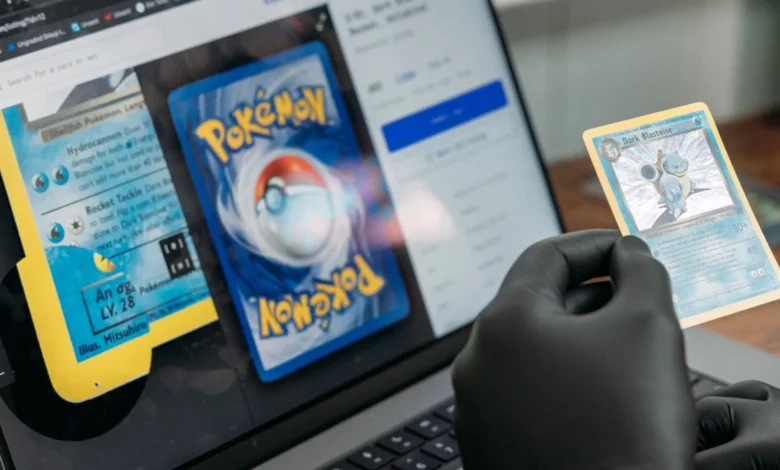
The secondary market for trading card games (TCGs)—a sector encompassing global powerhouses such as Pokémon, Magic: The Gathering (MTG), and Yu-Gi-Oh!—has long grappled with the inherent risks of remote commerce. For decades, collectors and investors have navigated a landscape defined by subjective condition reports, opaque provenance, and the persistent threat of counterfeit items. Now, a startup founded by a team of dedicated enthusiasts from Cornwall is preparing to launch a platform designed to bridge the trust gap between raw, ungraded cards and the potential buyers who covet them.
Ungraded, a new marketplace platform, is positioning itself as a high-tech intermediary. By utilizing proprietary imaging technology to create interactive 3D digital replicas of raw trading cards, the company intends to eliminate the guesswork that typically plagues online transactions. This development arrives at a time when the valuation of collectible card games has reached unprecedented levels, with rare individual cards frequently commanding prices that rival traditional financial assets.
The Problem with the Current Secondary Market
The current ecosystem for trading cards is bifurcated. At the apex, high-value assets are typically sent to third-party authentication and grading services—most notably Professional Sports Authenticator (PSA), Beckett Grading Services (BGS), or CGC. These firms encapsulate cards in protective, tamper-evident plastic cases after assigning a numerical grade based on physical condition. While this provides a standardized benchmark for value, it is a process that is both costly and time-consuming.
For the vast majority of cards—those falling outside the "investment grade" tier—collectors rely on traditional peer-to-peer marketplaces like eBay, TCGplayer, or private Discord and Facebook groups. This creates a significant "information asymmetry." Buyers often rely on two-dimensional photographs that may intentionally or accidentally obscure defects such as edge whitening, surface scratches, or poor centering. For the buyer, the risk of receiving an item that does not match the description is substantial. For the seller, the inability to prove the condition of a raw card often results in lower sale prices, as buyers bake a "risk premium" into their bids.
The Ungraded Technological Solution
Ungraded’s proposed solution centers on a centralized logistics and imaging model. Rather than allowing sellers to photograph their own inventory, the company requires users to ship their cards to its facility. Once in possession of the cards, Ungraded employs a bespoke imaging system that captures hundreds of high-definition photographs from multiple angles.
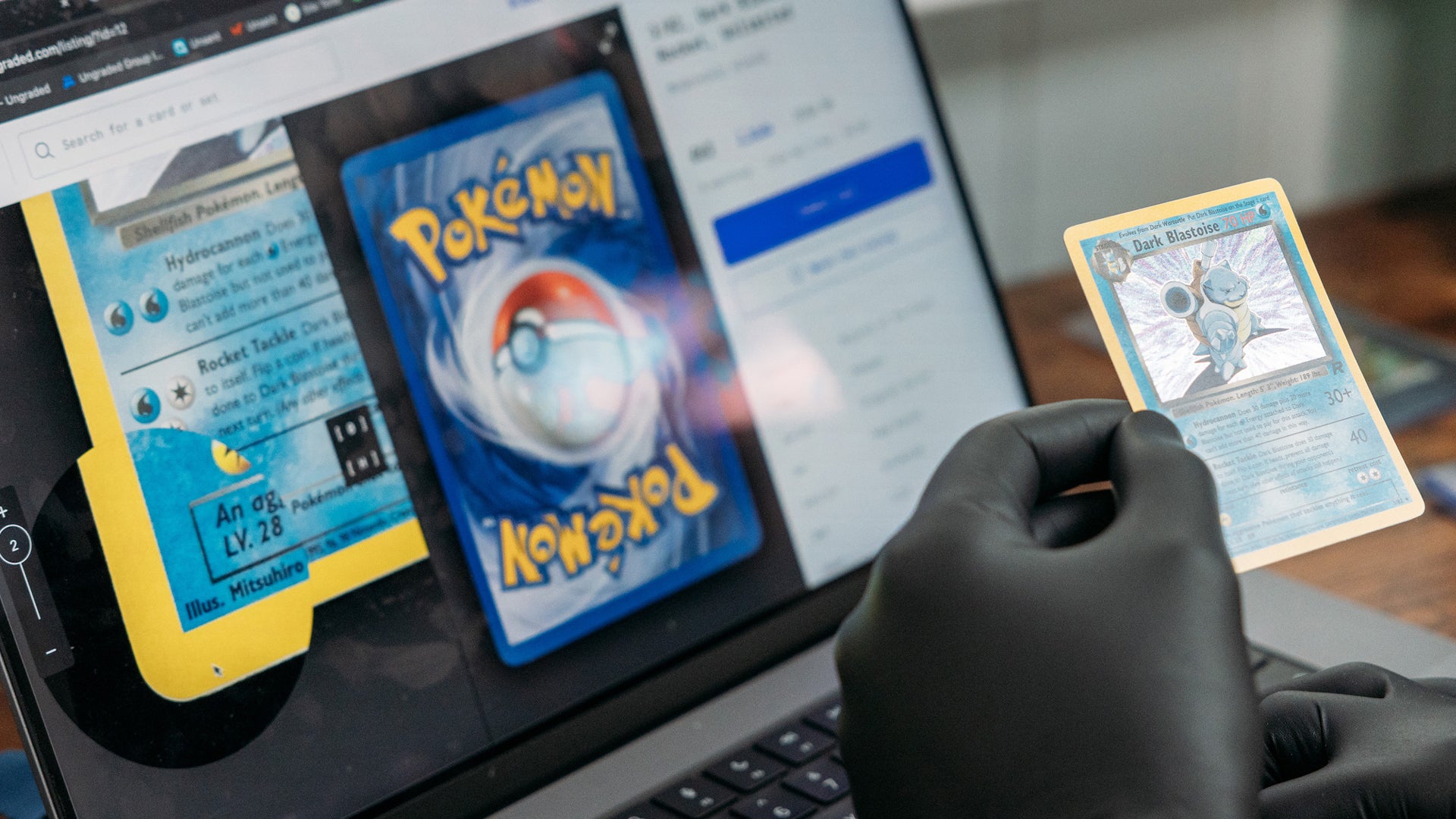
These images are synthesized into a 3D model that allows a prospective buyer to rotate, tilt, and zoom in on the card via a web interface. The company claims the resolution is sufficient to allow users to inspect the CMYK print patterns, identify microscopic surface scuffs, and verify the precise centering of the artwork. By providing this level of granularity, Ungraded hopes to provide a "virtual in-hand" experience that mimics the physical examination of a card at a convention or hobby shop.
Chronology and Launch Roadmap
The development of the platform has followed a phased approach leading toward a full public release. The startup, which emerged from the Cornish collector scene, has spent the last year refining its imaging pipeline and establishing the logistical infrastructure required to store and handle high-value inventory.
- Initial Development: The founding team identified the specific pain points of raw card trading, focusing on the friction caused by inconsistent seller photography.
- Beta Testing: Through early 2024, the company stress-tested its 3D imaging software, ensuring that the file sizes were manageable for web browsers while maintaining high fidelity.
- May 2024: The company announced a series of auction "drops" to demonstrate the platform’s capabilities to the public, showcasing curated collections of Pokémon, Yu-Gi-Oh!, and MTG cards.
- July 2024: The official public launch of the full marketplace, allowing independent sellers to submit their collections for processing and sale.
Fee Structure and Economic Implications
Ungraded has implemented a tiered commission model designed to attract both casual sellers and high-end investors. The cost structure is designed to offset the labor-intensive nature of the physical handling and imaging process.
For cards sold at a fixed price, the seller is charged a flat 15% fee. In the auction format, the commission structure is shifted toward the buyer. For cards sold for up to £250, the buyer pays a 20% premium. This rate scales down to 17.5% for items valued up to £1,000, and 15% for items exceeding that threshold.
The company has also introduced a storage-linked fee to encourage liquidity. If a card remains unsold after 30 days, the owner is charged a maintenance fee of 1% of the card’s average market price per month. This mechanism is intended to discourage the listing of low-demand items that would otherwise clutter the platform. To compensate for the costs of shipping and insurance, Ungraded manages the fulfillment process, assuming responsibility for the items once they are in the company’s custody.
Market Context: The "Raw" vs. "Graded" Divide
To understand the potential impact of Ungraded, one must look at the broader market trends. According to industry analysis, the trading card market has seen a massive influx of capital since 2020. However, the market is currently undergoing a "correction" phase where the premium for graded cards is being scrutinized. Many collectors are returning to "raw" cards—cards kept in binders or protective sleeves rather than hard plastic slabs—as a way to enjoy the hobby without the high entry barrier of graded assets.

However, the "raw" market remains inherently volatile. A card that is "Near Mint" to one collector may be "Excellent" to another. By introducing a standardized digital visualization layer, Ungraded is attempting to create a new category of "digitally verified" raw cards. If successful, this could reduce the necessity of third-party grading for mid-tier cards, effectively saving the consumer both the cost and the wait time associated with traditional grading services.
Expert Analysis and Industry Response
Market observers suggest that the primary challenge for Ungraded will be trust and scalability. The company is essentially asking users to entrust them with physical assets that, in some cases, are worth thousands of dollars. While the company has promised to cover insurance and secure handling, building the institutional reputation required to handle high-value inventory is a long-term endeavor.
Furthermore, the technology itself must withstand the scrutiny of the "community." Trading card enthusiasts are notoriously detail-oriented. If the 3D renders fail to capture specific types of damage—such as minor surface indentations that only appear under specific lighting—the platform could face the same issues as its competitors.
"The shift toward high-definition, interactive visualization is inevitable," notes an independent industry consultant familiar with the collectibles space. "The question is not whether the technology works, but whether the business model can scale without sacrificing the human element of the hobby. If they can provide a seamless user experience that is genuinely faster and more reliable than traditional grading, they could capture a significant share of the mid-market segment."
Looking Ahead
As the July launch approaches, the broader collectibles community is watching to see if Ungraded can deliver on its ambitious claims. If the platform successfully lowers the barrier to entry for high-quality, transparent trades, it could signal a shift in how collectibles are bought and sold globally. The rise of companies like Ungraded reflects a maturing market that is no longer satisfied with the "buyer beware" ethos of early internet commerce, moving instead toward a future where digital transparency is the foundational requirement for value.
For the founders, the mission is clear: to remove the frustration from the hobby and ensure that when a collector invests their money, they are doing so with their eyes wide open, viewing their future acquisition from every possible angle before the final bid is placed.