Borderlands Franchise Crosses 100 Million Units Sold as Gearbox Teases Major Future Plans and Post-Launch Content

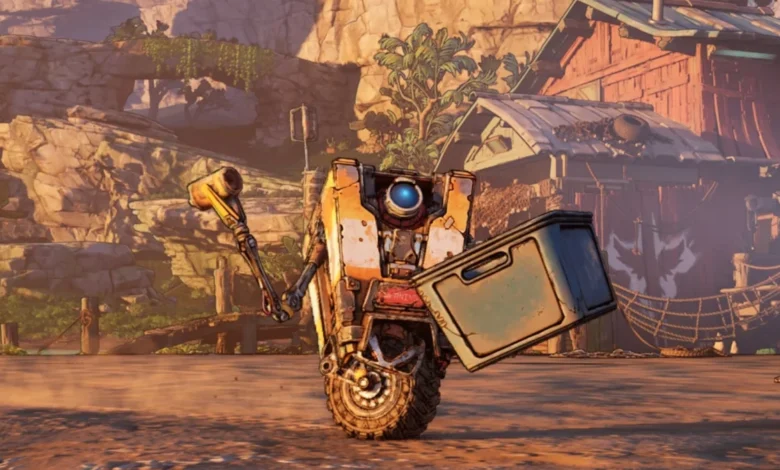
The storied cooperative looter-shooter franchise Borderlands has officially surpassed a monumental sales milestone, crossing 100 million copies sold worldwide across its multi-platform history. Developer Gearbox Software announced the achievement alongside a comprehensive community address detailing upcoming expansions, post-launch roadmaps, and long-term strategic visions for the intellectual property. Despite a turbulent launch window for its most recent installment, the series remains one of the most commercially successful and enduring properties in modern video game history, cementing its legacy within the action-RPG and first-person shooter genres.
A Historic Milestone: The Journey to 100 Million
The Borderlands franchise traces its origins back to November 2009, when Gearbox Software and publisher 2K Games introduced players to the desolate, alien wasteland of Pandora. Blending frantic first-person shooter mechanics with the randomized loot acquisition loops traditionally found in action role-playing games like Diablo, the original game defied initial industry skepticism to become a critical and commercial breakout. Its unique, pseudo-cel-shaded artistic direction, dark humor, and emphasis on four-player cooperative gameplay established a distinct template that countless developers would attempt to replicate over the subsequent decade and a half.
Throughout its lifecycle, the franchise has expanded significantly through mainline sequels, pre-quels, spin-offs, and virtual reality adaptations. The release of Borderlands 2 in 2012 proved to be a watershed moment for the series, vastly expanding the narrative scope, refining the weapon generation systems, and introducing iconic antagonists like Handsome Jack—a character widely regarded as one of the most memorable villains in modern gaming. Subsequent entries, including Borderlands: The Pre-Sequel, Borderlands 3, and the fantasy-themed spin-off Tiny Tina’s Wonderlands, continuously maintained high sales trajectories, collectively steering the franchise toward its current nine-figure milestone.
In a formal communication published via the official Borderlands community blog, Gearbox Software expressed gratitude to the global player base that fueled the franchise’s longevity.
"There aren’t many franchises that have ever hit that milestone, and we certainly didn’t get here on our own," the studio stated. "For us, it started with that first Borderlands in 2009, and we’ve been excited about everyone who has joined us in the Borderlands along the way. Borderlands has always had an incredibly passionate community. We’ve been through a lot together, and your feedback pushes us to make even greater games."
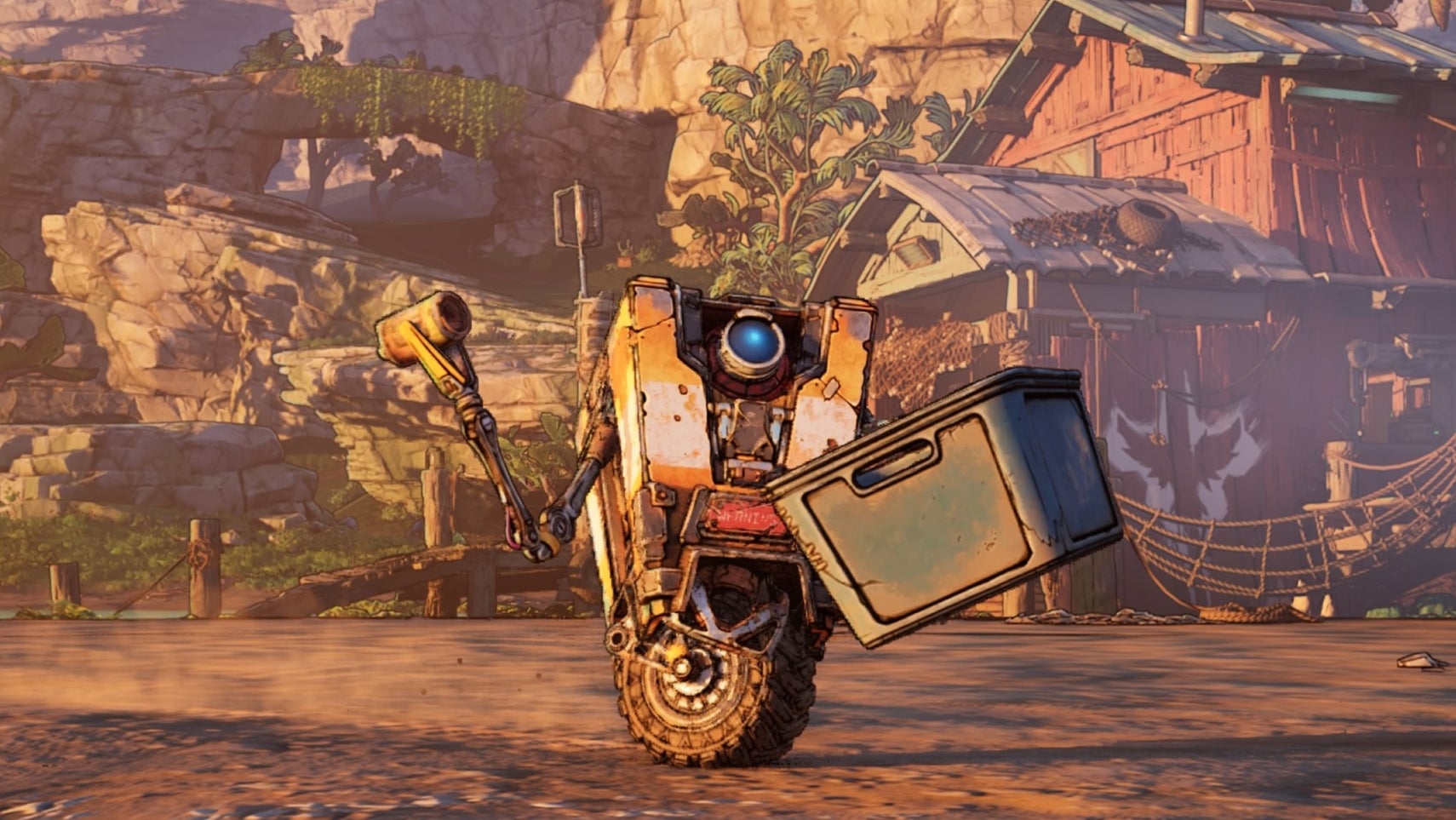
Borderlands 4 Launch Realities and Performance Challenges
While the overarching franchise celebration highlights enduring popularity, the milestone arrives on the heels of a complex chapter for the newest entry, Borderlands 4. Released to high anticipation, the title experienced what publisher Take-Two Interactive characterized as "softer than expected" initial sales figures. Industry analysts and corporate stakeholders attributed a significant portion of this commercial friction to technical hurdles during the game’s launch window, particularly concerning performance optimization on personal computers.
At the time, initial player reception on PC was marred by optimization issues, stutters, and frame-rate instability that frustrated a vocal segment of the core audience. While Gearbox leadership, including studio head Randy Pitchford, defended the technical state of the game at launch—describing the build as robust—the market response necessitated a rapid succession of performance patches and stability hotfixes. Furthermore, hardware-specific expansion strategies faced disruption; a heavily anticipated Nintendo Switch 2 port was indefinitely delayed earlier in the year as engineering resources were redirected toward stabilizing the core platform releases.
Addressing investors during a financial briefing, Take-Two CEO Strauss Zelnick noted that while a Nintendo Switch 2 version of Borderlands 4 remains technically viable for the future, the primary corporate and developmental priority has rested entirely on bringing the core game into optimal condition across current-generation platforms before pursuing additional hardware adaptations.
Critical reception for Borderlands 4 reflected a similar nuance. Reviewers observed that the title successfully introduced structural evolution to the series—most notably transitioning toward a more cohesive, true open-world environment alongside a more grounded narrative script. However, critics also pointed out that these systemic improvements were occasionally counterbalanced by cumbersome exploration mechanics and combat pacing that required substantial time investment before fully realizing its potential.
Expanding the Horizon: Year One Roadmaps and Future Content
Looking forward, Gearbox Software is pivoting aggressively toward long-term player retention and content delivery. The studio recently concluded the deployment of the Year One roadmap for Borderlands 4, a structured rollout that introduced two new playable characters, dual narrative-driven story packs, and recurring seasonal gameplay modifiers.
Rather than winding down development, leadership confirmed that the creative teams are actively "cooking hard" on an extensive slate of post-launch content scheduled for release throughout the following year. While specific narrative details, character additions, and geographic expansions remain under wraps, Gearbox has committed to maintaining community engagement through continuous weekly activity refreshes, dynamic in-game events, and targeted community challenges.

Beyond immediate DLC development, the studio is engaging in a broader philosophical reassessment of the franchise’s future trajectory. By evaluating fan feedback, character popularity metrics, and unresolved narrative arcs, Gearbox aims to shape the long-term identity of the intellectual property.
"We’re also taking a bigger look at the franchise as a whole," the studio noted in its update. "Where can we take it next? What characters do you want to spend more time with? What stories deserve a payoff? A huge part of that is listening to you. All that said, big plans take time, and we need some room to work. You can trust that we’ll talk more when the time is right. Now is your chance to influence what we’ll say."
Industry Implications and the Future of the Loter-Shooter Genre
Crossing the 100-million-unit threshold places Borderlands into an elite echelon of interactive entertainment properties, alongside industry titans like Call of Duty, Grand Theft Auto, Minecraft, and FIFA. For Gearbox Software and its parent organization, Take-Two Interactive, the milestone validates the enduring viability of the looter-shooter genre, even as market saturation and player expectations reach unprecedented heights.
The genre itself has undergone significant evolution since Borderlands first defined its parameters in 2009. Competitors such as Bungie’s Destiny series, Ubisoft’s The Division, and various live-service adaptations have continually challenged developers to innovate regarding endgame loops, monetization structures, and narrative delivery. Gearbox’s ability to navigate these industry shifts while maintaining its signature irreverent tone and cooperative focus has been central to its staying power.
As the studio prepares its next wave of content for Borderlands 4 and lays foundational concepts for future iterations, the overarching strategy appears balanced between addressing immediate technical governance and nurturing long-term community goodwill. With a century-million-strong player base providing continuous feedback, the future of Pandora and its vault-hunting mercenaries remains a cornerstone of the modern gaming landscape.
Related posts: