The Sonic Landscape of Leonida: Rockstar Games Unveils Initial Radio Lineup for Grand Theft Auto 6

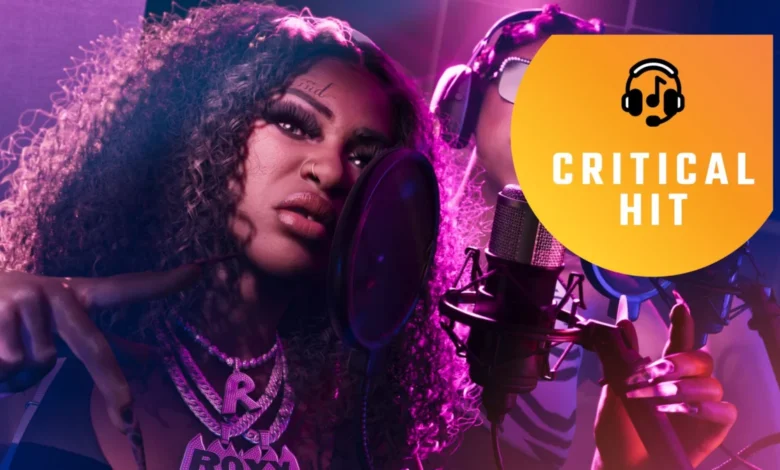
The auditory experience of the Grand Theft Auto series has long served as a defining pillar of its cultural legacy, functioning as both a period-accurate time capsule and a meticulously curated reflection of contemporary culture. As anticipation mounts for the November 19, 2026, release of Grand Theft Auto 6, Rockstar Games has provided the public with an early glimpse into the soundscape of the fictional state of Leonida. By revealing an initial roster of six radio stations, the developer has offered insight into how the series will continue its tradition of blending licensed music, high-production satire, and thematic radio programming.
A Tradition of Curated Sonic Environments
Since the inception of the 3D era of the franchise, Rockstar Games has prioritized the radio as an essential element of the open-world experience. In titles such as Grand Theft Auto: Vice City, the music was used to transport players directly into the neon-soaked aesthetic of the 1980s. In contrast, Grand Theft Auto 5 utilized a more fluid approach, incorporating a massive library of tracks that spanned decades and genres to capture the frenetic energy of modern-day Los Santos.
The evolution of the medium has forced a shift in design philosophy. For the upcoming installment, Rockstar is not merely providing music; they are constructing a simulated media ecosystem. Reports indicate that the game will feature a complex blend of terrestrial radio broadcasts and modern podcast-style content. This dual-track approach reflects the shift in real-world media consumption, where traditional radio broadcast models are increasingly supplemented or replaced by on-demand digital audio content.
The Revealed Lineup: A Multi-Genre Exploration
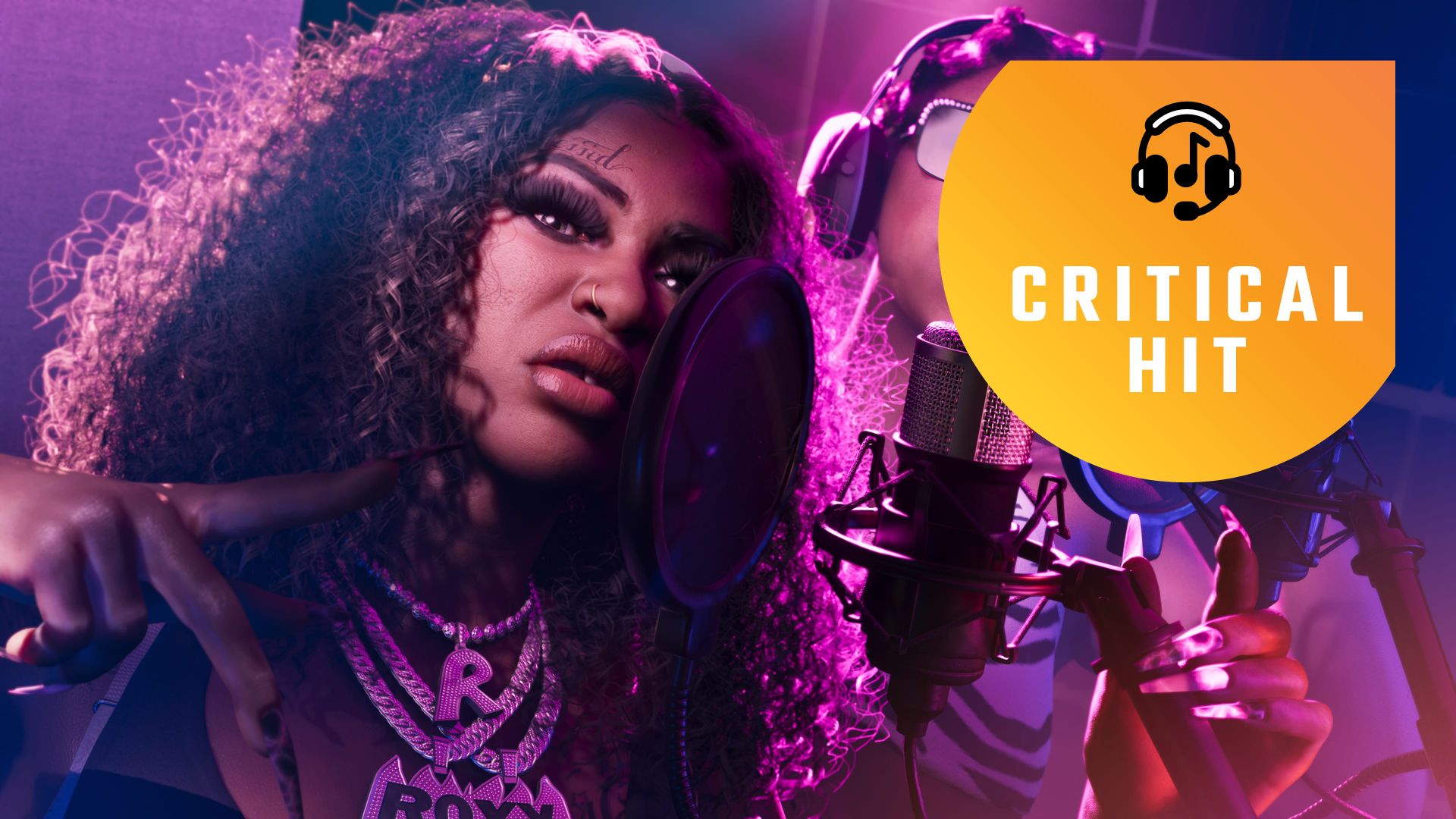
The six stations currently confirmed by Rockstar Games represent a deliberate attempt to capture the diverse cultural geography of the state of Leonida. Each station is designed to anchor a specific demographic or mood, ranging from the heritage of country music to the cutting edge of global pop.
- Back Country Radio: Serving as a thematic anchor for the rural environments of Leonida, this station emphasizes the traditional sounds of the American South.
- Cocoteo FM: A reflection of the growing influence of global Latin music, featuring high-profile artists like Bad Bunny, grounding the game in the vibrant cultural climate of its Florida-inspired setting.
- AfroBANK FM: An expansive channel focusing on the breadth of African musical influence, showcasing Rockstar’s commitment to global representation.
- The Chamber 106.6: A dedicated hub for heavy metal and hard rock. This station features an aggressive roster of legendary acts, including Black Sabbath, Pantera, and Slayer, catering to a legacy fanbase.
- Flash FM: A direct successor to the iconic pop stations of previous entries. With hosts such as model Alex Consani and singer-songwriter Robyn, the station is positioned to act as a cultural barometer for the game’s 2026 setting.
- Dirty South Classics: A dedicated hip-hop channel, underscoring the deep historical roots of the genre within the Southern United States, specifically the regions that inspired Leonida.
The Shift Toward Duo-Based Broadcasting
One of the most notable changes in the presentation of these stations is the move toward a duo-based hosting format. Historically, Rockstar has utilized single, eccentric personalities to guide listeners through the station’s tracklist. In Grand Theft Auto 6, the decision to utilize pairs suggests a shift in the tone of the satire.
By employing a conversational back-and-forth dynamic between hosts, Rockstar likely aims to create a more naturalistic, improvisational feel. This format mirrors the rise of the "personality-driven" podcast and talk-radio landscape, where the chemistry between hosts is often as significant as the content they discuss. This change serves as a narrative tool, allowing the developers to engage in more complex satirical exchanges about the fictional state of Leonida, its political climate, and the absurdities of life within the game world.
Technical and Cultural Implications
The technical requirements for such an ambitious soundtrack are significant. Licensing music for a game of this magnitude involves complex negotiations with labels, publishers, and individual artists. Historically, Rockstar has maintained high standards for these integrations, often ensuring that the music is not merely "background noise" but an integral component of the player’s agency.
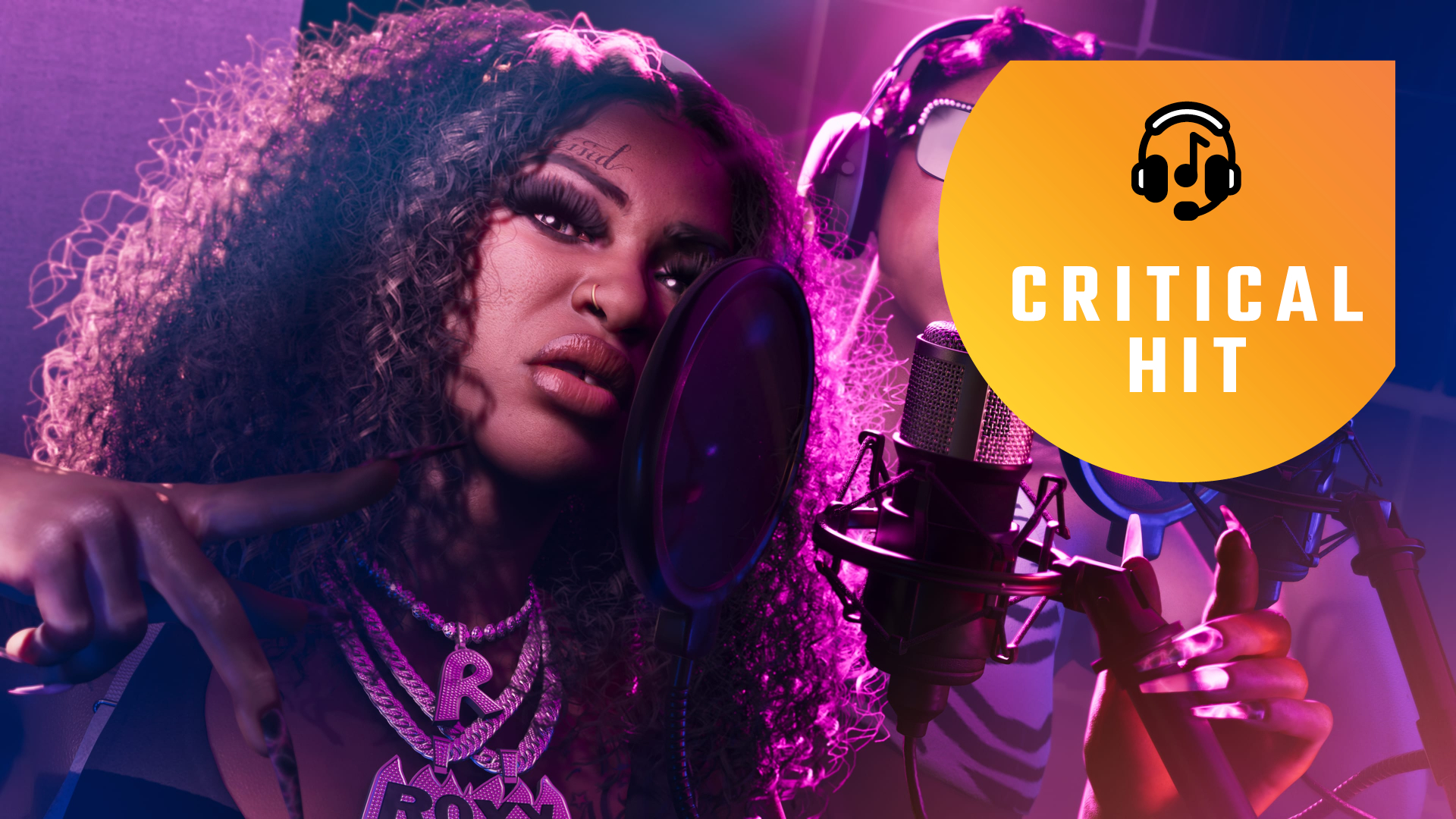
From an industry perspective, the integration of both traditional radio and podcast formats is a significant development. It suggests that Rockstar is aiming for a level of world-building that goes beyond the visual. In a game that will likely be played for years, the inclusion of podcast content allows for longer-form narrative delivery that does not rely on the player standing still or participating in a cutscene. This provides a "living" audio environment that can grow and change alongside the game’s ongoing updates.
A Legacy of Satire and Cultural Commentary
Grand Theft Auto has always been as much a critique of American media as it is a game. The radio stations have historically acted as the primary vehicle for this satire, mocking the vapidity of modern advertising, the hyper-partisanship of news media, and the trends of the music industry.
By selecting specific artists and genres for the 2026 iteration, Rockstar is making a statement about the current state of popular culture. The inclusion of modern stars alongside established legends serves to bridge the gap between generations of players, ensuring that the soundtrack remains relevant to the current zeitgeist while honoring the musical foundations that shaped the series’ identity.
Broader Impact on the Gaming Industry
The announcement of these stations is a reminder of the massive scale of Grand Theft Auto 6. In an era where many developers opt for original scores to avoid licensing complexities and costs, Rockstar remains one of the few entities capable of and willing to invest in massive, curated licensed soundtracks.

This commitment carries a high cost, not just in terms of licensing fees, but in the sheer amount of development time required to mix, master, and script hundreds of hours of audio content. However, the return on this investment is substantial. For many players, the radio is the defining element of the "GTA feeling." It is the constant companion during high-speed chases, quiet drives through the countryside, and the lulls in missions.
As the industry moves toward more immersive, "live-service" models, the ability of a developer to create a persistent, evolving audio experience—one that feels like a real-world reflection—is a competitive advantage. The success of the radio programming in Grand Theft Auto 6 will likely be measured by its ability to maintain player immersion through the repeated cycles of gameplay that characterize the series.
Conclusion
The unveiling of the initial radio lineup for Grand Theft Auto 6 signals a refinement of the series’ core identity. By balancing the inclusion of genre-defining legends with a modern, podcast-adjacent approach to broadcasting, Rockstar is positioning its latest title to be as aurally distinct as its predecessors. As the release date of November 19, 2026, approaches, the focus on these stations serves as a testament to the importance of world-building through sound. For the players who will eventually inhabit the streets of Leonida, these radio stations will provide the soundtrack to their criminal exploits, offering a blend of music and commentary that is uniquely, and recognizably, Grand Theft Auto.
Related posts: