Activision Pulls Itaewon Crowd Crush Footage from Call of Duty Modern Warfare 4 and Issues Apology to Bereaved Families

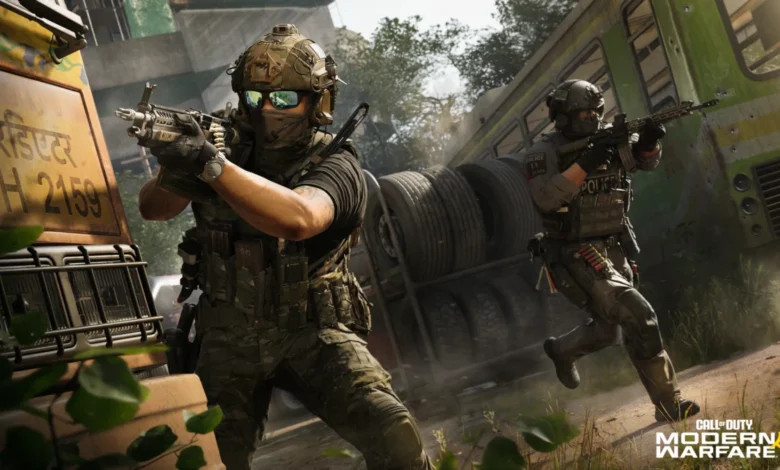
Activision has officially announced that it will completely remove real-world archive footage of the 2022 Itaewon crowd crush from Call of Duty: Modern Warfare 4, following severe backlash from the South Korean public, bereaved families, and government officials. The controversial footage, which appeared in the opening cinematic of the first-person shooter, utilized authentic news broadcasts depicting the tragic events in Seoul to frame a fictional North Korean invasion narrative within the video game.
In an official statement issued in Korean and translated through editorial review channels via Inven Global, Activision expressed profound remorse over the inclusion of the footage. "We bow our heads in deep sympathy and apology to the bereaved families and victims who were deeply hurt by this incident, as well as to everyone we have caused concern," the publisher stated. The company confirmed that a dedicated game update scheduled for rollout on November 12 will purge the footage entirely from the software.
Background Context of the Itaewon Tragedy
The controversy stems from the tragic events of October 29, 2022, in the Itaewon district of Seoul, South Korea. During Halloween festivities, an immense crowd surge occurred in a narrow alleyway near the Hamilton Hotel, resulting in a catastrophic crowd crush. The disaster claimed the lives of approximately 160 individuals—predominantly young adults and teenagers—and injured nearly 200 others.
The incident stands as one of the deadliest peacetime disasters in modern South Korean history, triggering national mourning, extensive investigations into emergency response failures, and deep societal trauma regarding crowd safety management and institutional accountability. Because the collective memory of the tragedy remains raw and heavily protected by the local populace, the unannounced and unconsented use of actual broadcast footage from the event within an entertainment product was met with immediate and fierce condemnation.
Chronology of the Controversy
The sequence of events leading to Activision’s remedial action unfolded rapidly over the course of a single week:
- Late October 2025: Activision launches Call of Duty: Modern Warfare 4, featuring an opening cinematic designed to establish the game’s fictional geopolitical conflict involving a North Korean invasion of South Korea. The sequence incorporates quick cuts of real-world news broadcasts depicting civilian casualties.
- Early November 2025: Sharp-eyed South Korean players and gaming journalists identify that the montage includes authentic, recognizable footage from the 2022 Itaewon disaster.
- Early November 2025: The Itaewon Disaster Bereaved Families Association, alongside the Citizens Countermeasure Meeting, publicly condemns the inclusion, labeling it deeply insensitive and demanding immediate removal and a formal apology.
- Mid-November 2025: South Korean government officials, including Minister of the Interior and Safety Yun Ho-jung, address the controversy in public press briefings, condemning the use of national tragedies as commercial entertainment material.
- November 2025: Activision issues a preliminary statement clarifying its narrative intentions, followed swiftly by a definitive apology and the announcement of a patch to strip the footage from the game by November 12.
Official Responses and Stakeholder Reactions
The integration of the disaster footage into a commercial entertainment product drew sharp rebuke from multiple levels of South Korean society. The bereaved families’ association argued that utilizing real footage of their loved ones’ deaths for the sake of video game immersion inflicted severe psychological distress and violated basic standards of human decency.
The issue quickly escalated from a corporate gaming controversy to a diplomatic and regulatory talking point. During a formal government press briefing, Minister of the Interior and Safety Yun Ho-jung characterized the inclusion of the footage as a form of "secondary harm" directed at the victims and their families.
"Using such a tragedy as material for a game, a form of entertainment or business, is something that should be refrained from as a matter of human ethics," Yun stated during the briefing. He further noted that relevant domestic regulatory agencies would deliberate on whether to impose formal administrative sanctions or restrict accessibility to the software within South Korea to prevent further distress.
Initially, Activision defended the stylistic choice by stating that the opening cinematic merely utilized real-world news coverage to establish a gritty, realistic fictional narrative backdrop. In an earlier statement provided to gaming outlets, the publisher emphasized that the inclusion was "not intended to reference or trivialise the Itaewon disaster or any other real-world tragedy in any way, shape or form."
However, as international pressure mounted and local condemnation intensified, the publisher shifted its stance from defense to remediation, explicitly acknowledging the gravity of the oversight and promising structural changes to the game’s media assets.
Broader Impact and Industry Implications
The incident highlights a recurring ethical challenge within the digital entertainment industry regarding the boundary between historical realism and creative exploitation. Modern military shooters, particularly long-running franchises like Call of Duty, frequently strive for cinematic authenticity by blending fictional storytelling with documentary-style framing devices, including real archival news footage, political speeches, and historical broadcasts.
While utilizing genuine news footage is a common developer shorthand to ground high-stakes narratives in familiar geopolitical realities, this controversy demonstrates the significant reputational and regulatory risks developers face when handling real-world traumas that retain contemporary cultural sensitivity. The oversight has sparked wider discussions within the global gaming community regarding content vetting processes, cultural sensitivity audits, and the ethical responsibilities of multinational software publishers operating in interconnected global markets.
As the video game industry increasingly relies on hyper-realistic visual fidelity and immersive multimedia integration, the fallout from the Modern Warfare 4 cinematic serves as a cautionary tale. Developers and publishers are likely to face heightened scrutiny regarding how historical and contemporary tragedies are referenced within commercial entertainment, prompting more rigorous compliance and localization reviews before global product launches.