BioWare Co-Founder Greg Zeschuk Breaks Silence on Legendary Studio’s Closure and the End of an Era in Gaming

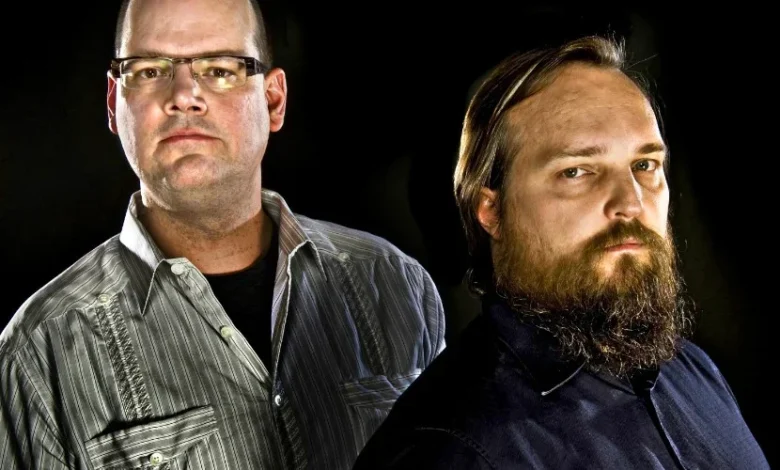
The abrupt closure of BioWare, one of the most celebrated and influential role-playing game development studios in the industry’s history, has sent shockwaves through the global gaming community. Following the shocking announcement that effectively cancelled highly anticipated projects such as the next installment in the Mass Effect franchise, co-founder Greg Zeschuk has broken his silence. In a candid and reflective interview, Zeschuk offered a retrospective on the rise and fall of the studio he helped build, pointing to systemic corporate shifts, a changing industry landscape, and a massive private acquisition as the ultimate factors sealing the studio’s fate.
The news of BioWare’s shuttering arrived unexpectedly for many, including those who laid its foundational stones nearly three decades ago. Zeschuk, who co-founded the company in 1995 alongside fellow medical school graduates Ray Muzyka and Augustine Yip, was vacationing and completely out of contact when the decision was finalized.
"I was fishing," Zeschuk recounted when detailing how he learned of the closure. "I got like 10 texts. I came off the river and got to my little room and opened my phone, and it’s like, ‘I’m so sorry to hear about BioWare.’ And I’m like, ‘Oh shit.’"
By the time Zeschuk managed to fly home, the initial wave of media frenzy had crested, allowing him to process the emotional impact away from the public eye. While acknowledging the sting of the closure, he emphasized that the passage of time—having departed the company in 2012—had blunted the sharpest edges of his grief.
"I’ve kind of gone through all the emotions long, long ago," he noted, adding that while the situation hurts, his deepest sympathies lie with the community of Edmonton, Alberta. For decades, BioWare stood as a monumental beacon of technological innovation, creative excellence, and economic possibility in a region traditionally detached from major video game development hubs.
A Legacy Etched in Digital History: The Chronology of BioWare
To understand the magnitude of BioWare’s closure, one must look back at its storied trajectory through the decades. Founded in 1995 in Edmonton, the studio quickly transitioned from medical informatics projects to the entertainment software sector, establishing its dominance in the computer role-playing game (CRPG) genre.
- 1998: Augustine Yip departs the company early in its commercial lifespan, leaving Zeschuk and Muzyka at the helm as co-CEOs and primary directors.
- 1998–2003: BioWare achieves critical acclaim with Baldur’s Gate (1998) and Star Wars: Knights of the Old Republic (2003), redefining narrative depth and player choice in interactive media.
- 2007: The release of the original Mass Effect launches a monumental sci-fi franchise that defines the Xbox 360 generation and cements the studio’s reputation for cinematic storytelling.
- 2008: Facing expanding development costs and the need for global infrastructure, BioWare and its parent company Pandemic Studios are acquired by Electronic Arts (EA) in a deal valued at approximately $775 million.
- 2012: The release of Mass Effect 3 marks the departure of both Greg Zeschuk and Ray Muzyka from the video game industry, transitioning into entirely separate ventures including craft brewing and angel investing.
- 2014–2024: The studio navigates turbulent development cycles with titles like Dragon Age: Inquisition, Mass Effect: Andromeda, and the critically scrutinized live-service shooter Anthem, followed by a prolonged struggle to return to its narrative-driven roots.
- Late 2024 / Early 2025: Following a leveraged buyout of Electronic Arts by an investment consortium involving international sovereign wealth funds, structural downsizing and asset reallocation culminate in the definitive closure of BioWare and the cancellation of Mass Effect 5.
The Corporate Calculus: EA’s Acquisition and Industry Pressures
While Zeschuk and Muzyka’s departure in 2012 naturally altered the internal culture of BioWare, the co-founder is careful to reject the notion that his exit single-handedly caused the studio’s decline. Instead, he characterizes the corporate erosion as a "slow and insidious kind of thing" driven by gradual staff turnover and shifting executive priorities.
However, the definitive death blow, according to Zeschuk, was the recent leveraged buyout of Electronic Arts by a consortium including foreign investment capital. This massive financial restructuring fundamentally altered the risk tolerance of the parent corporation.
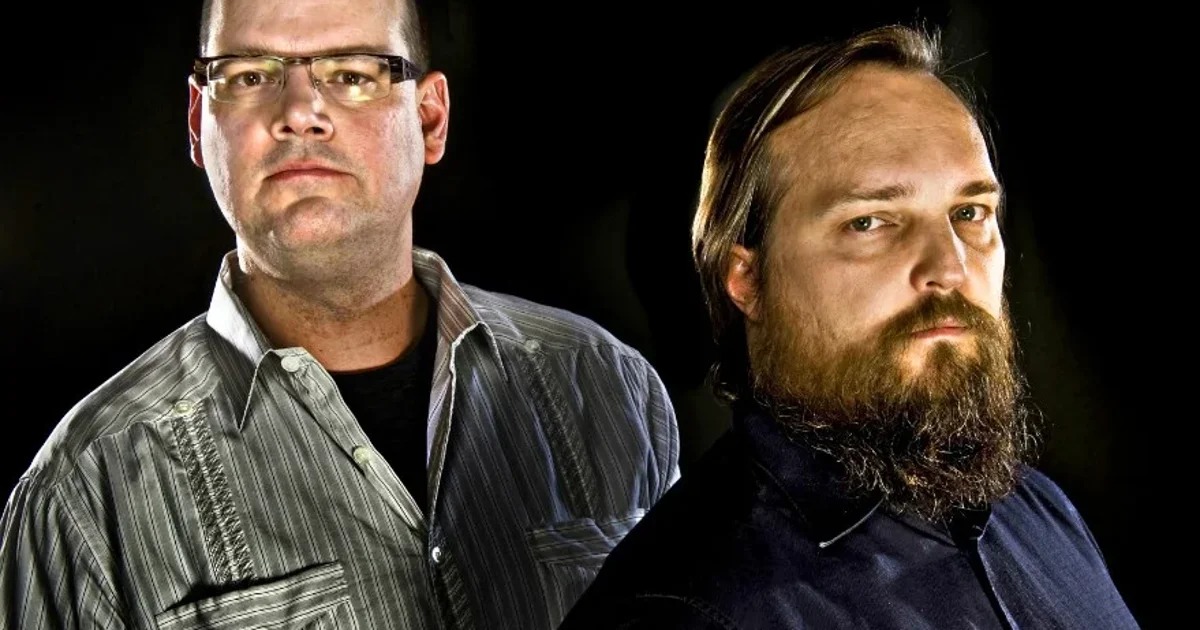
"I think it was the final nail in the coffin," Zeschuk stated regarding the EA acquisition. "I think that was the crux of it in a sense. BioWare makes these kinds of unusual games that take a long time and they’re complicated and so it’s easier just to pump out sports games every year, and that’s a better business model in some ways."
The economic reality of modern AAA game development heavily favors predictable, annualized revenue streams—such as sports franchises and live-service monetization models—over sprawling, narrative-driven RPGs that require five to eight years of incubation, massive multidisciplinary teams, and tens of millions of dollars in upfront investment with uncertain financial returns. As corporate governance shifted under new ownership, patience for BioWare’s meticulous, high-budget development style officially evaporated.
The Broader Impact on the Gaming Industry
The closure of BioWare is not merely the loss of a single studio; it represents the systematic dismantling of a specific era of prestige video game development. BioWare proved that video games could rival Hollywood cinema in emotional resonance, complex character development, and philosophical depth. Franchises like Mass Effect, Dragon Age, and Baldur’s Gate directly inspired a generation of writers, designers, and players.
Industry analysts note that the studio’s shutdown underscores a chilling trend in contemporary entertainment economics: the increasing intolerance for creative risk within publicly traded or heavily leveraged multinational conglomerates. As development budgets skyrocket past $200 million per title, the margin for financial error shrinks to near zero. Consequently, publishers are increasingly reluctant to back single-player, narrative-heavy epics unless they feature guaranteed, immediate returns on investment.
Furthermore, the economic fallout hits the local economy of Edmonton hardest. BioWare was an economic engine and an institutional anchor that fostered a thriving tech ecosystem in Western Canada, attracting global talent to a city not traditionally recognized as a primary media hub.
Life After the Console: Where the Founders Stand Today
While the studio he founded has faded into memory, Greg Zeschuk has long since closed that chapter of his professional life. Following his departure from BioWare in 2012 alongside Ray Muzyka, Zeschuk pivoted away from the interactive entertainment sector entirely.
In 2017, he founded Blind Enthusiasm, an artisanal craft brewery and restaurant group based in Edmonton. The enterprise has grown steadily over the years, currently employing a dedicated staff of around a dozen people and producing tens of thousands of bottles annually. Zeschuk has occasionally expressed greater peace in the tangible, localized nature of brewing compared to the hyper-accelerated, high-stakes environment of global video game publishing.
Ray Muzyka has likewise remained retired from the games industry, focusing his efforts on technology investment, philanthropy, and health-tech ventures. Augustine Yip, the third original partner, exited the company decades prior in 1998.
As the dust settles on BioWare’s abrupt demise, the collective legacy of its pioneering founders remains indelible. Though the digital worlds of the Citadel, thedas, and the Normandy will no longer expand with new installments, the architectural framework of modern storytelling in video games owes an unpayable debt to the visionaries who started it all in a Canadian basement three decades ago.
Related posts: