Bow: A New Solo Tabletop Roleplaying Experience Inspired by the Serenity of Abzu and Studio Ghibli

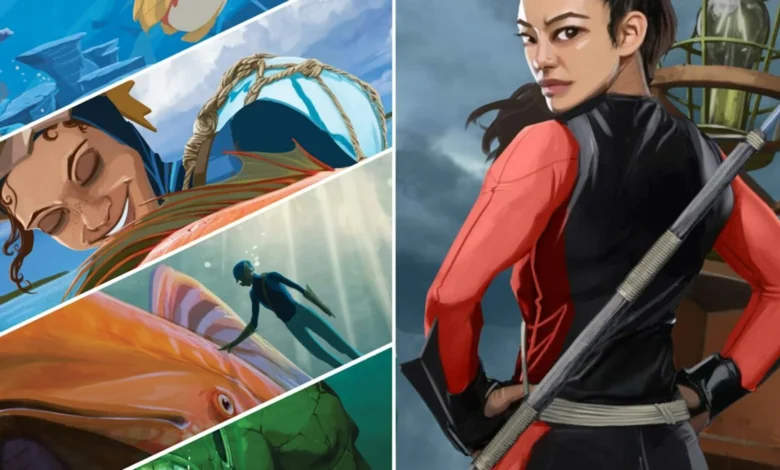
The landscape of tabletop roleplaying games (TTRPGs) is undergoing a significant transformation, moving away from purely combat-centric mechanics toward introspective, narrative-driven experiences. The latest entry in this burgeoning genre is Bow, an upcoming solo and duet-journaling RPG developed by Hatchlings Games. Designed to evoke the meditative atmosphere of the 2016 indie video game Abzu and the evocative, hand-painted aesthetic of Studio Ghibli films, Bow invites players to step into the role of a freediver navigating the vibrant, mysterious depths of a pristine ocean. As the industry continues to see a rise in demand for "low-stakes" or "cozy" gaming experiences, Bow arrives as a testament to the versatility of the journaling RPG format.
The Core Premise and Narrative Setting
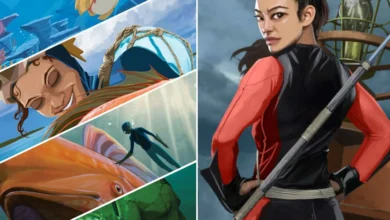
In Bow, the player assumes the identity of a skilled freediver participating in the ceremonial Shoaling Festival. Set against the backdrop of a sprawling, picturesque ocean world, the game functions as an exploration of both the environment and the character’s internal journey. The narrative is centered on a competitive race; players must navigate a treacherous yet beautiful route, reaching four specific markers hidden within the ocean’s depths.
Unlike traditional RPGs that prioritize statistical growth and combat prowess, Bow emphasizes the discovery of "Old-World relics." These artifacts serve as the primary motivation for the player, suggesting a deeper, post-apocalyptic or ancient lore that the player uncovers through the act of diving. The success of the player’s community—the village or tribe they represent—is tied directly to their performance in this festival, providing a sense of stakes that balances the game’s otherwise tranquil aesthetic.
Artistic Influences and Aesthetic Design
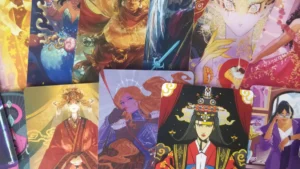
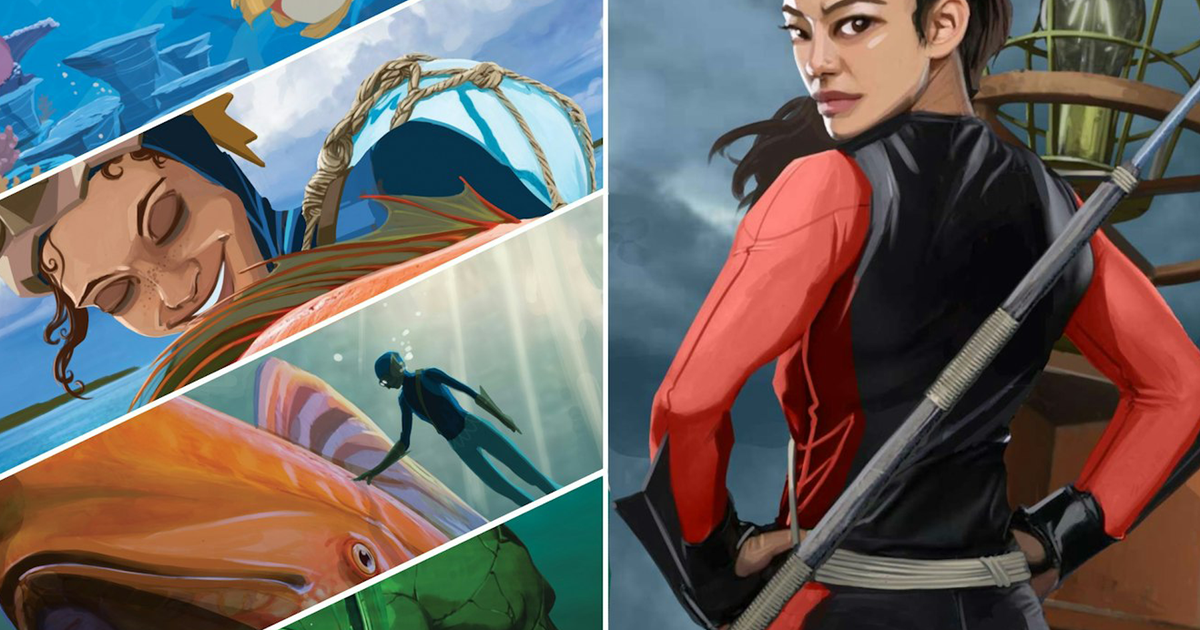
The visual identity of Bow is a cornerstone of its design philosophy. Hatchlings Games has collaborated with artists WillowsQuest and Alex Connolly to craft a rulebook that serves as a piece of art in its own right. The visual direction is explicitly influenced by the works of Studio Ghibli, specifically the maritime beauty of Porco Rosso and the ecological wonder of Nausicaä of the Valley of the Wind.
By leaning into these inspirations, the game aims to provide a sensory experience that complements its gameplay. In an era where digital saturation is at an all-time high, the tactile nature of a journaling RPG—combined with high-quality, evocative artwork—creates a unique emotional tether. The developers have positioned the visual presentation as a critical component of the game’s "journalling" aspect, where the artwork acts as a prompt for the player’s own creative writing.
Mechanical Framework: The Carta System
Bow is built upon the Carta system, a lightweight, accessible gameplay engine developed by Peach Garden Games. The Carta system is specifically engineered for solo and small-group play, utilizing a standard deck of 52 playing cards—though Bow utilizes a subset of 24—to generate narrative beats.
The gameplay loop is structured around a six-by-four grid of cards. Each suit in the deck dictates a different type of challenge or narrative encounter. For instance, one suit might represent the physical perils of the deep sea, such as strong currents or marine life, while another might represent the competitive pressure from rival divers. The grid layout creates a spatial element, as players move their character across the cards, essentially "swimming" through the narrative.
This system is particularly adept at handling the solo experience. Because the cards dictate the events, the player is not required to be both the Game Master and the protagonist simultaneously. The randomness of the deck provides the "unexpected" element that a human GM would typically provide, ensuring that even a solo player is surprised by the obstacles they encounter. If a player successfully navigates the grid and uncovers four aces, their character achieves victory in the Shoaling Festival.
Contextualizing the Growth of Solo RPGs
The emergence of Bow is part of a larger trend in the tabletop industry. Over the past five years, the "solo RPG" category has seen explosive growth. Market analysis suggests that the COVID-19 pandemic acted as a catalyst for this shift, as players sought ways to engage with tabletop gaming while isolated from traditional social groups.
According to various crowdfunding platforms, including Kickstarter and BackerKit, the "Solo RPG" tag has become one of the most frequently searched categories in the hobbyist sector. Titles such as Thousand Year Old Vampire and Ironsworn paved the way, proving that the medium could support deep, emotional, and long-term narrative play without the need for a party of players. Hatchlings Games has been a consistent player in this space, with titles like Dragon Dowser and Inspirisles (which incorporates American and British Sign Language) establishing their reputation for blending innovative mechanics with inclusive or educational themes.
Chronology and Development Timeline
The development of Bow has been a deliberate process, focusing on testing the balance between the competitive racing mechanic and the exploration-heavy journaling prompts. While the specific start date of the project remains internal, the public unveiling of the game marks a significant pivot point for Hatchlings Games.

- Initial Concept Phase: Focus on the "freediving" theme and the adaptation of the Carta system.
- Artistic Development: Collaboration with WillowsQuest and Alex Connolly to define the Studio Ghibli-inspired visual language.
- Playtesting: Iterative testing of the card-grid mechanics to ensure that the "race" felt challenging without sacrificing the relaxing nature of the setting.
- Crowdfunding Launch: Scheduled for May 31st via BackerKit.
The choice of BackerKit as the platform for the crowdfunding campaign is indicative of a broader industry shift. Many independent tabletop developers are moving away from traditional Kickstarter campaigns in favor of platforms that offer more integrated retail and logistics support, allowing for a more streamlined experience for backers and creators alike.
Implications and Industry Impact
The success of a title like Bow could signal a shift in how developers approach the "duet-journaling" market. By merging the high-production values usually reserved for larger TTRPGs with the intimate, mechanics-light systems of indie games, Hatchlings Games is targeting a demographic that values aesthetic beauty and low-stress gameplay.
Furthermore, the game’s reliance on the Carta system highlights the collaborative nature of the modern indie TTRPG scene. By utilizing an established open-source-adjacent system, Hatchlings Games reduces the barrier to entry for potential players who may already be familiar with the mechanics, allowing them to focus entirely on the theme and narrative.
From an analytical perspective, the sustainability of this model is promising. Because solo RPGs often have lower production costs and a more focused distribution strategy, they are more resilient to the supply chain volatility that has recently plagued larger tabletop publishers. As long as there is a demand for meaningful, solitary escapism, games that prioritize the player’s personal narrative—like Bow—are likely to remain a vital component of the gaming ecosystem.
Conclusion
Bow represents a thoughtful convergence of artistic inspiration and mechanical efficiency. By drawing from the visual language of Studio Ghibli and the explorative spirit of Abzu, the game positions itself as a distinct experience in the crowded TTRPG market. As the crowdfunding campaign approaches on May 31st, the focus for the industry will be to observe how well this niche, high-concept journaling game performs compared to more traditional, combat-oriented RPGs. For players seeking a quiet, meditative, and creatively rewarding experience, Bow offers a promising dive into the unknown. The game is not merely a contest of speed or strategy, but a reflection on the relationship between the player, the environment, and the stories we tell ourselves when we are alone.