Supergirl Woman of Tomorrow: A Retrospective Analysis Ahead of the Highly Anticipated Cinematic Adaptation


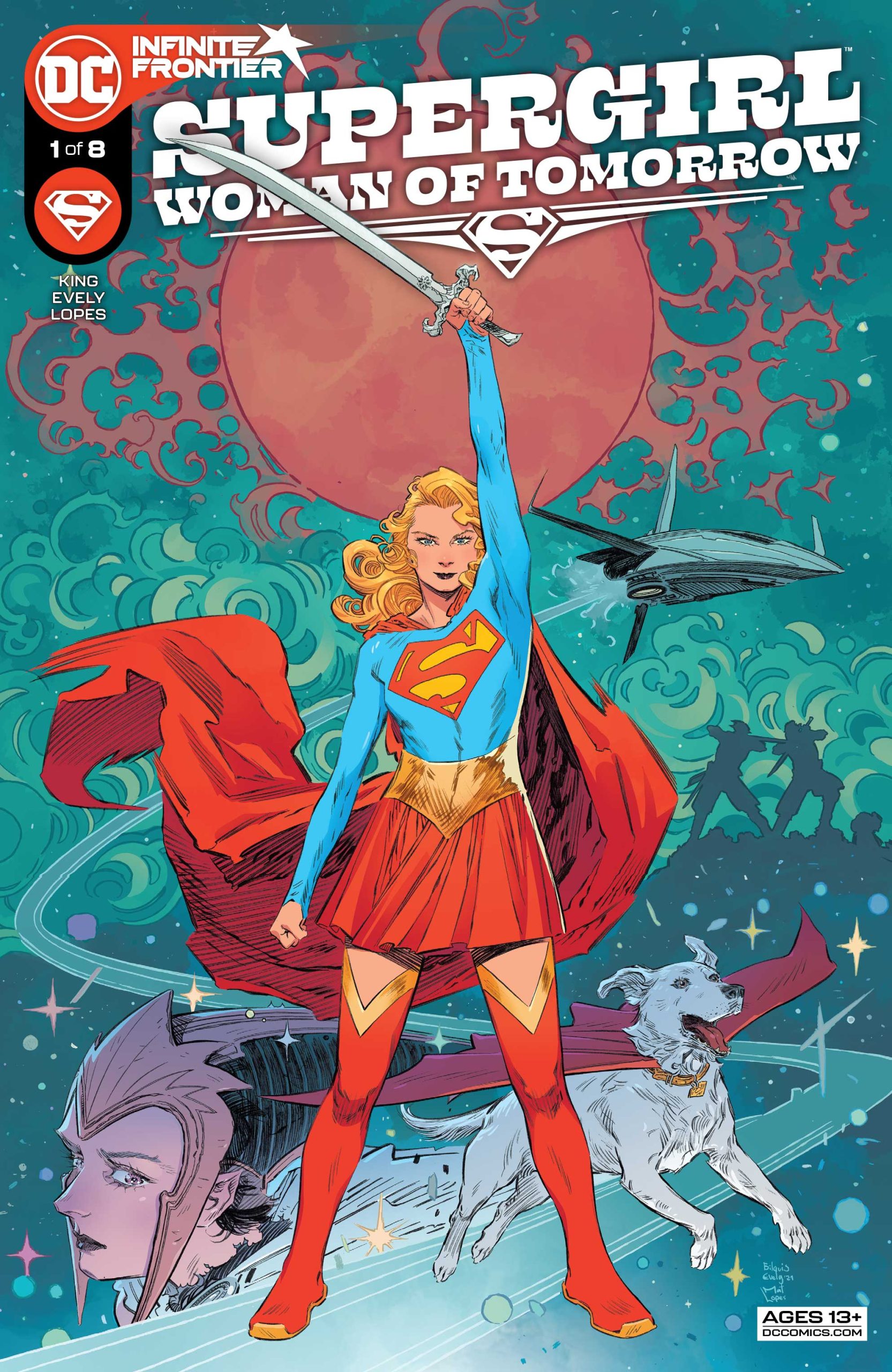
The upcoming June 26, 2026, release of the feature film adaptation of the acclaimed eight-issue comic book limited series, Supergirl: Woman of Tomorrow, has prompted a significant resurgence in public interest regarding the source material. Originally published by DC Comics between 2021 and 2022, the series—written by Tom King and illustrated by Bilquis Evely with colors by Matheus Lopes—garnered critical acclaim for its artistic execution and bold narrative choices. As audiences prepare for the cinematic interpretation, a critical re-examination of the series reveals a complex tapestry of themes, character development, and narrative techniques that continue to divide both casual readers and long-time followers of the DC Universe.
Publication History and Narrative Scope
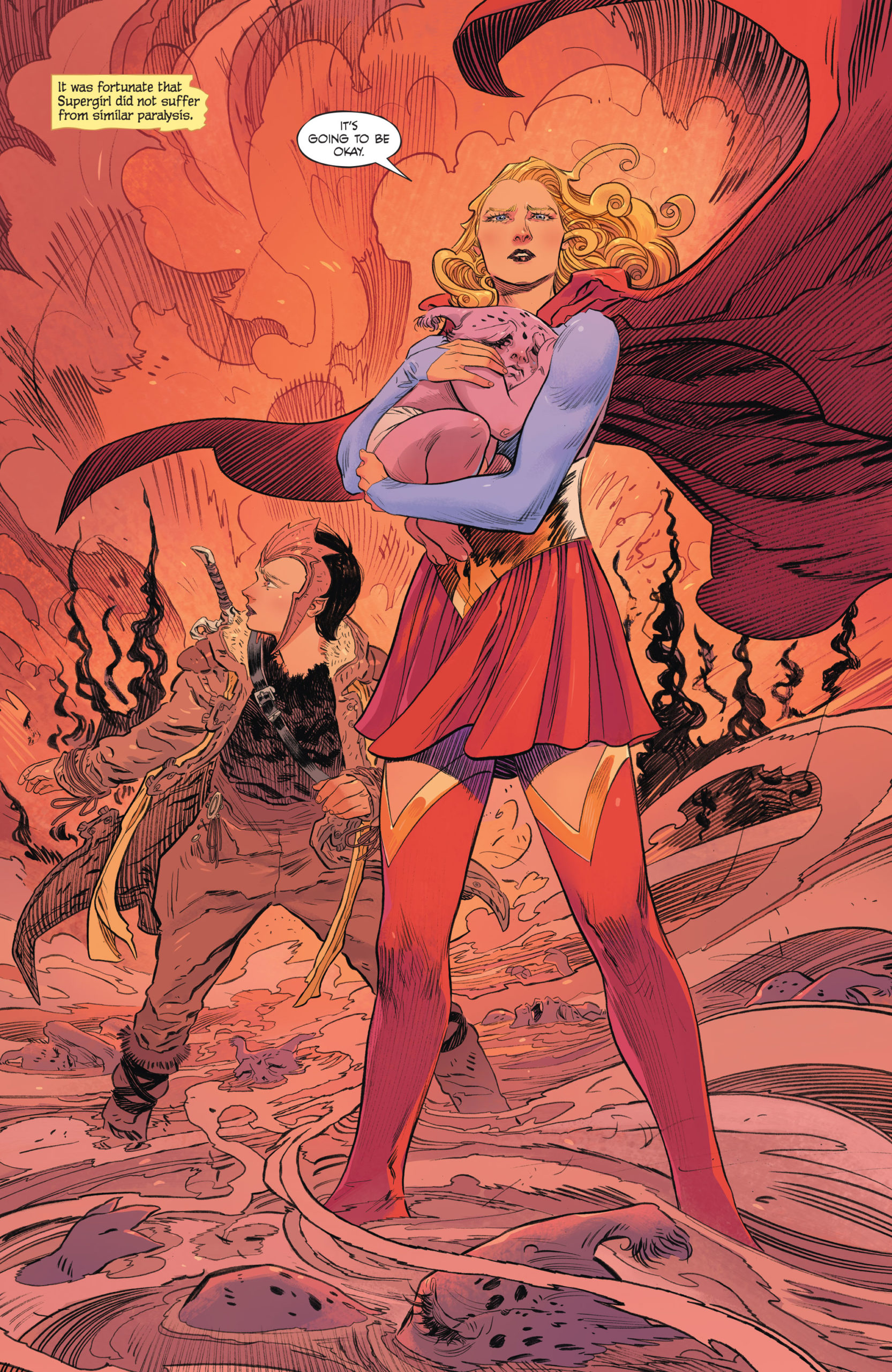
The limited series was launched in September 2021 as a departure from traditional Supergirl portrayals. The narrative follows Kara Zor-El, the Maid of Might, as she embarks on an interstellar journey alongside a young alien girl named Ruthye Marye Knoll. The catalyst for their partnership is a quest for vengeance: Ruthye seeks to punish Krem of the Yellow Hills, the individual responsible for the murder of her father.
Over the course of eight issues, the series explores themes of trauma, loss, and the philosophical divide between justice and retribution. The story is framed through the perspective of Ruthye, serving as a chronicle of her journey alongside a figure who, while heroic, is depicted in a state of emotional isolation. This stylistic choice, utilizing narration boxes that mirror the style of a literary memoir, differentiates the work from standard superhero fare, leaning heavily into space-fantasy tropes reminiscent of classic science fiction literature.
Chronological Breakdown of the Character Arc
To understand the current discourse, it is necessary to analyze the characterization of Kara Zor-El as presented by King. The series begins with a controversial sequence in the first issue: Supergirl is depicted celebrating her 21st birthday in a state of self-imposed intoxication at a local tavern. This choice sparked significant debate among readers. Historically, Supergirl is portrayed as a beacon of hope, often drawing strength from her connections to her cousin, Superman, and her found family on Earth.
Critics of the series argue that this opening scene lacks the necessary context to justify such a profound departure from her established personality. There is no explicit narrative justification for why she is alienated from her support system during a milestone birthday. Supporters, however, suggest that this moment serves to establish the "Woman of Tomorrow" as a multifaceted being who carries the existential weight of a lost civilization—a burden that even a hero as powerful as Supergirl may struggle to navigate.

Artistic Contribution and Visual Storytelling
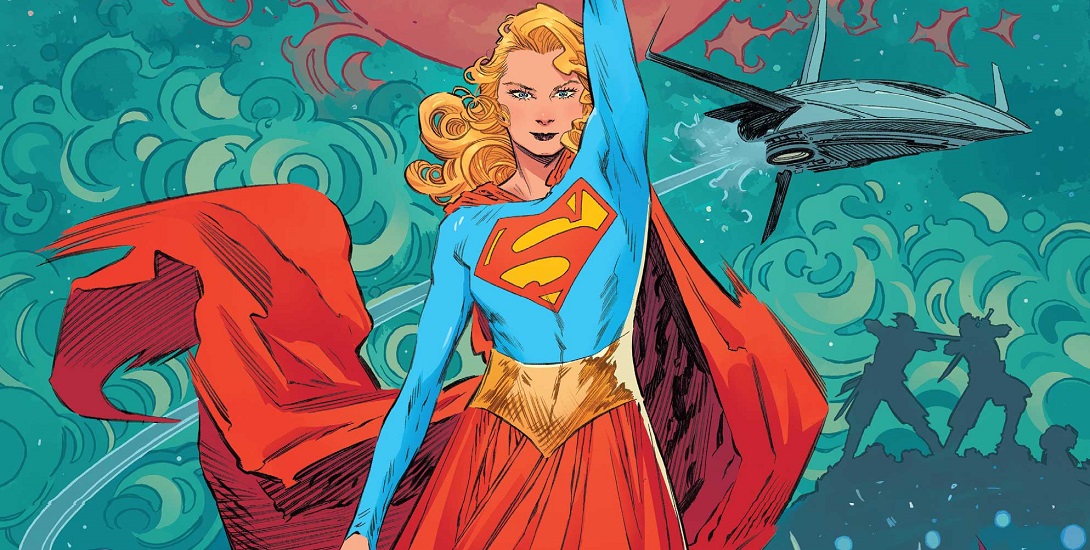
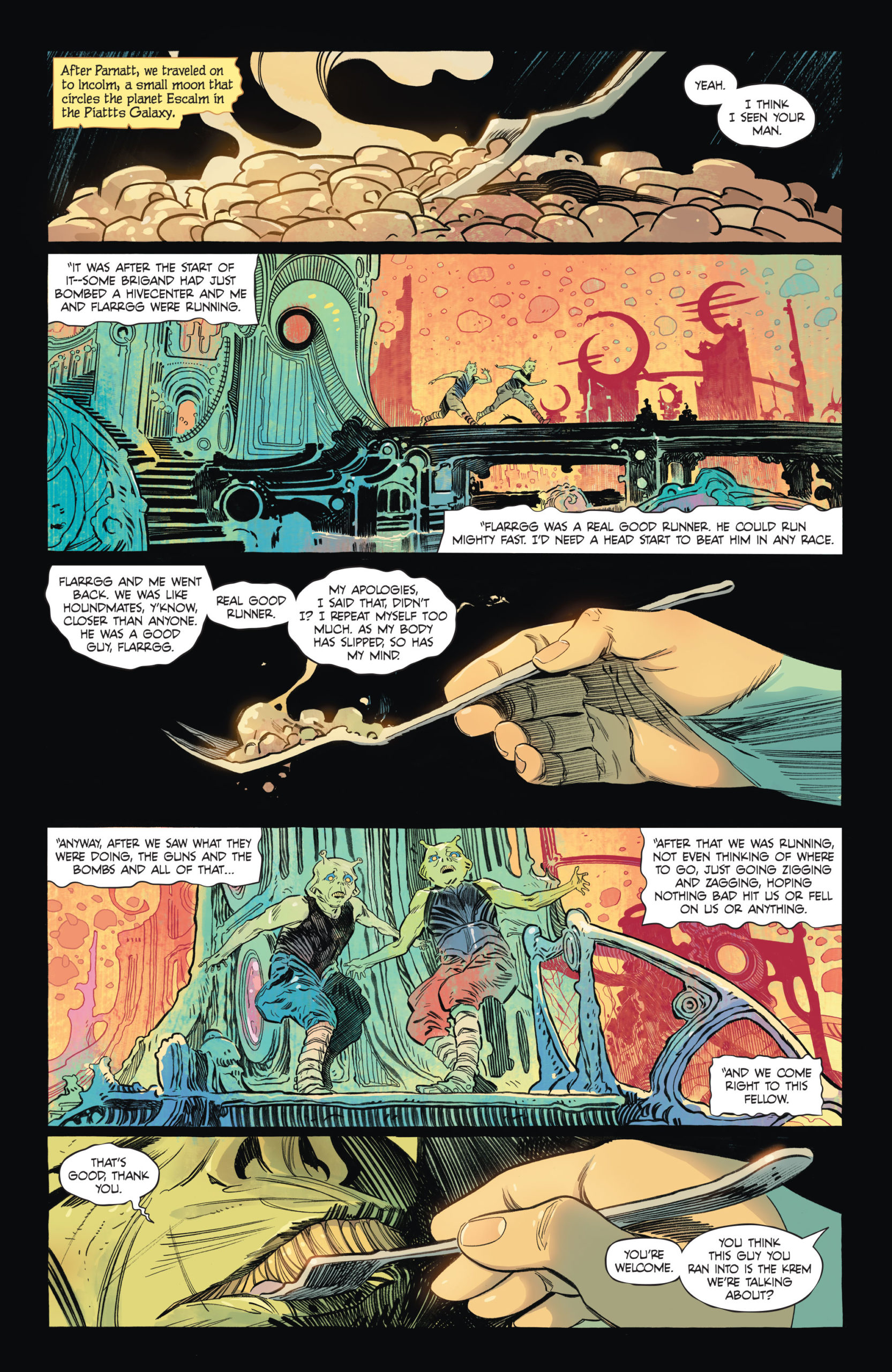
The consensus among critics and fans is that the visual presentation by Bilquis Evely and colorist Matheus Lopes represents a high-water mark for modern comic book art. The series features expansive, intricate designs that elevate the narrative, providing a sense of scale and wonder that complements the cosmic nature of the story.
From an analytical standpoint, the art serves to ground the narrative’s more polarizing elements. While the dialogue and character motivations have been subject to intense scrutiny, the visual consistency of the book has been lauded for its clarity and aesthetic ambition. The collaboration between Evely and Lopes provides a distinct "prestige" feel that distinguishes the title from the broader DC publishing slate, aligning it more closely with graphic novel sensibilities than monthly serial storytelling.

Critical Discourse: The Problem of Characterization
The central point of contention surrounding the series lies in the perceived "deconstruction" of Kara Zor-El. Tom King’s writing style often involves placing established icons into situations that force them to grapple with moral ambiguity. In Woman of Tomorrow, the tension culminates in the final issue when Supergirl is placed in a position to execute the antagonist, Krem.
Critics argue that this moment contradicts the fundamental nature of the character, whose defining trait is often her empathy and moral resilience. By placing her in a position where she appears to contemplate murder, some readers argue that King prioritizes his own thematic interests over the integrity of the character’s legacy. Conversely, proponents of the work view this as a necessary growth arc, suggesting that the "trauma of Krypton" is an inescapable facet of her identity that must be confronted rather than suppressed.
The Ambiguity of the Conclusion
The finale of the series remains one of the most discussed endings in recent DC history. The concluding pages depict a confrontation between Ruthye and Krem, leaving the exact nature of his fate—and the extent of Supergirl’s involvement—subject to interpretation.
Parallelisms between the first page of the series and the final panel are intentional, suggesting a cycle of violence that comes full circle. When viewed through the lens of traditional hero narratives, the ending appears nihilistic. However, when analyzed as a literary study on the nature of closure, the silence between the characters on the final page serves as a poignant, albeit unsettling, commentary on the limits of heroism. Whether or not Supergirl explicitly sanctions the final act of vengeance remains a point of intense speculation, which will likely be addressed or reinterpreted in the upcoming 2026 motion picture.
Broader Implications and Cinematic Outlook
As the release of the Supergirl movie approaches, the industry is watching to see how the studio handles these complex thematic elements. The transition from the comic page to the silver screen often necessitates a streamlining of narrative threads. The film adaptation faces the challenge of maintaining the artistic prestige of the source material while ensuring that the characterization of Kara remains accessible to a broad, global audience.
Historically, successful comic book adaptations have managed to synthesize the "deconstructionist" approach with the core values of the character. If the film successfully captures the visual splendor of Evely’s art while providing the narrative "dots" that many readers felt were missing from the comic, it could set a new benchmark for character-driven superhero cinema.

Summary of Impact
Supergirl: Woman of Tomorrow is a landmark work that demands engagement, regardless of whether one finds its conclusions satisfying. It serves as a case study in the tension between individual authorial voice and the weight of legacy character expectations. With a total of eight issues that span a vast cosmic landscape, the series has forced a conversation about what it means to be a hero when faced with profound personal loss.
As the public prepares for the theatrical premiere in 2026, the ongoing debate serves as a testament to the character’s endurance. Whether seen as a masterpiece of modern comic storytelling or a controversial subversion of a classic icon, the series has undoubtedly secured its place in the history of the DC Universe. The upcoming cinematic release will not only serve as a test of the source material’s viability on a mass scale but will also likely provide the definitive interpretation of this polarizing chapter in Supergirl’s long and storied history. As the release date draws near, audiences are encouraged to look past the initial controversy and evaluate the work for its contributions to the medium’s evolving visual and thematic vocabulary.