Star Trek at 60: Penguin Random House Commemorates Six Decades of Galactic Exploration with Definitive Visual History and Interactive Collections

The year 2026 marks a monumental milestone in science fiction history as the Star Trek franchise celebrates its 60th anniversary. Since the premiere of Star Trek: The Original Series on September 8, 1966, the property has evolved from a low-rated television experiment into a sprawling, multi-billion-dollar global cultural phenomenon. To honor this sexagenarian legacy, publisher Penguin Random House has unveiled a curated suite of four commemorative releases, anchored by the highly anticipated coffee table book, Star Trek: The Original Voyages Visual History. This collection, which includes a strategy card game, an expansive trivia deck, and an interactive coloring book, serves as both a retrospective for longtime fans and an entry point for a new generation of viewers.

A Chronology of Six Decades of Discovery
The narrative of Star Trek began in the mid-1960s when producer Gene Roddenberry pitched his vision of "Wagon Train to the stars" to NBC. Despite the initial series lasting only three seasons, it fostered a fervent cult following that eventually fueled the creation of an expansive cinematic universe, spin-off television series, literary expansions, and a pervasive influence on real-world technology and social discourse.
The timeline of the franchise’s expansion is marked by distinct eras:

- 1966–1969: The Original Series establishes the foundational mythos, introducing Captain James T. Kirk, Mr. Spock, and the crew of the USS Enterprise.
- 1979–1991: The film era cements the legacy of the original cast, while The Next Generation (1987) ushers in the modern age of serialized science fiction television.
- 1993–2005: The "golden age" of expansion sees simultaneous production of multiple shows, including Deep Space Nine, Voyager, and Enterprise.
- 2017–Present: The "modern era" leverages streaming platforms to diversify storytelling, expanding the franchise into serialized, high-budget prestige television.
Star Trek: The Original Voyages Visual History
The centerpiece of the anniversary celebration is the release of Star Trek: The Original Voyages Visual History, a 400-page, full-color hardcover volume scheduled for release on November 10, 2026. Authored by Hugo-nominated writer and filmmaker Kyle Newman—known for the cult classic Fanboys—and veteran pop-culture historian Jeff Bond, the book represents a comprehensive effort to document the franchise’s influence on global pop culture.
The work distinguishes itself by utilizing previously unpublished archival imagery and original interviews that re-contextualize the production of the 1960s series. The book features a foreword by William Shatner, whose portrayal of Captain Kirk remains one of the most recognizable icons in television history.

In a statement regarding the project, co-author Jeff Bond emphasizes the need to revisit the original material with a nuanced perspective. "We wanted to put the show and, in my case particularly, Kirk in focus because it is now being looked at from the perspective of more than half a century," Bond noted. "People often have difficulty viewing the show from the viewpoint of the era where it was radically progressive. Kirk has been caricatured by fans, comedians, and pop culture for so long that we forget he was a very thoughtful and deeply emotional character."
Bond’s analysis extends to the pioneering nature of the production, specifically highlighting Shatner’s performance choices in the 1960s. "Shatner was probably the first male actor on television to play a woman and not play that as comedy," Bond said. "I don’t think any other actor on a 1960s action/adventure show would have dared to do that."

Insight into World-Building and Fandom
The book also explores the evolution of the "Trek" brand through the lens of early fan engagement. Bond highlights the significance of the first fanzines, which treated the characters as real historical figures—a practice that informed the show’s own internal logic.
"The editor of the first fanzine decided to write the issue with the point of view that the Star Trek characters were real people, so it was done more as a report or as history," Bond explained. "That fit in with a lot of things about the show—that the captain’s log was designed to sound like a historical report, and that the incorporation of the footage from ‘The Cage’ into ‘The Menagerie,’ while done purely to save time and money, wound up creating a history and a past for the Enterprise that added to the show’s realism and world-building that we take for granted today."

The collaboration between Newman and Bond was strategic, combining their respective areas of expertise. Newman, bringing the perspective of a fan of the TNG era and a digital-native gamer, focused on the ephemera and merchandise that defined the late-20th-century Trek boom. Bond, meanwhile, provided the deep historical context of the Original Series, ensuring the volume functions as a bridge between the show’s inception and its current status.
Supporting Anniversary Releases
Complementing the visual history book, Penguin Random House has launched three additional products aimed at diverse demographics within the fan base.

- Star Trek: Warped Phrases: A card game developed by author Robb Pearlman, designed for social play. It functions as a thematic iteration of popular party games like Apples to Apples or Cards Against Humanity, focusing on the wit and humor inherent in the franchise.
- Star Trek: The Ultimate Trivia Deck: This 200-card set features 400 questions categorized by technology, character development, narrative events, and planetary lore. Designed by Pearlman, the deck is intended for both solo play and group competition, catering to the competitive nature of the "Trek" fandom.
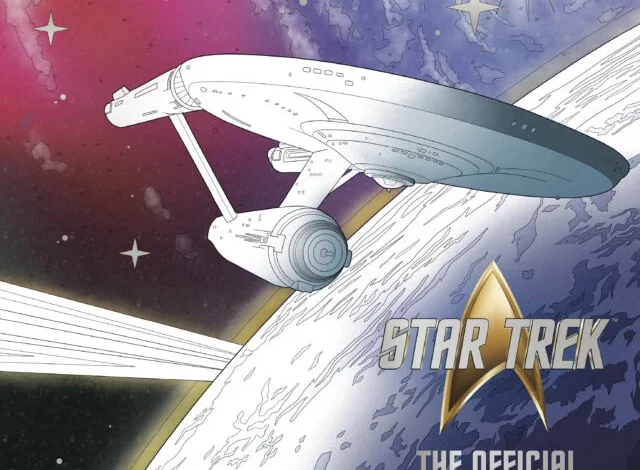
- The Official Star Trek Coloring Book: Released in August 2026, this volume features 40 illustrations covering all six decades of the series. Utilizing bleed-resistant, perforated paper, the book is positioned as an "all-ages" product, balancing accessibility for children with the intricate detail required for adult hobbyists.
Market Implications and Brand Longevity
The release of these materials underscores a broader strategic effort by Paramount and its licensing partners to maintain the relevance of the franchise in a crowded entertainment market. By focusing on "legacy" content—specifically the Original Series—publishers can tap into a multigenerational demographic that includes original viewers and the younger cohorts who have discovered the franchise through streaming services like Paramount+.
From a market analysis perspective, the "coffee table book" segment remains a vital pillar of the franchise’s merchandising revenue. Such high-quality, archival-focused products provide a tactile experience that digital media cannot replicate, often serving as a "collector’s item" that validates the consumer’s emotional investment in the brand.

Furthermore, the 60th-anniversary push demonstrates the shifting nature of fandom. The inclusion of interactive elements like card games and trivia decks signals that the franchise is no longer just a passive viewing experience but an active social community. By documenting the history of the show alongside these interactive components, the 60th-anniversary collection effectively archives the past while facilitating continued engagement in the present.
As the franchise moves toward its seventh decade, the focus remains on the synthesis of its historical significance and its contemporary adaptability. Whether through the academic study of its social progressivism or the simple joy of a trivia challenge, the 60th-anniversary offerings from Penguin Random House provide a comprehensive, if not exhaustive, look at one of the most resilient properties in the history of science fiction. The hardcover edition of the visual history book is priced at $60, with a digital version available for $18, ensuring that the history of the Enterprise remains accessible to fans regardless of their preferred medium.