Clayface Movie Review: James Watkins and Mike Flanagan Deliver a Brutally R-Rated DC Body-Horror Antidote to Modern Superhero Cinema

For nearly two decades, the cinematic landscape of comic book adaptations has been heavily dominated by the polished, family-friendly formulas of the Marvel Cinematic Universe and standard PG-13 superhero outings. Within this sanitized environment, theatrical releases have largely adhered to dependable safety blankets, minimizing graphic violence and psychological darkness to maximize global box office reach. However, the release of Clayface marks a sharp and calculated departure from convention. Co-written by horror filmmakers James Watkins and Mike Flanagan, alongside co-writer Hossein Amini, the DC-inspired feature leans fully into an uncompromised, R-rated, body-horror experience that recalls the visceral dread of 1980s classics like The Fly and John Carpenter’s The Thing.
Far from a traditional cape-and-spandex feature, Clayface approaches its source material through the lens of tragic monster lore and urban noir. Drawing inspiration from the iconic "Feat of Clay" episodes of Batman: The Animated Series, the film trades standard superhero tropes for a gritty exploration of vanity, corruption, and irreversible physical decay set within the unforgiving underworld of Gotham City.
Narrative Premise and Character Arcs
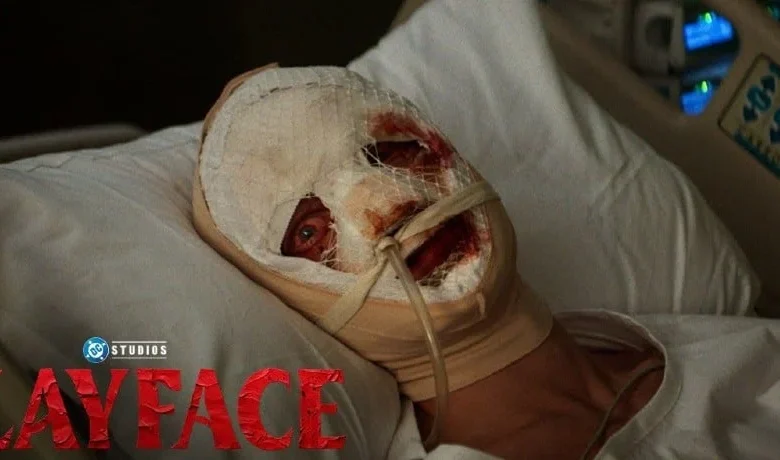
At the center of the narrative is Matt Hagen, portrayed by Tom Rhys Harries. Hagen is introduced as an Oscar-nominated actor on the precipage of a major career breakthrough, possessing the classic Hollywood good looks that grant him effortless access to the industry’s elite. However, his trajectory is upended after a clandestine relationship with the partner of a prominent Gotham mob boss. Seeking retribution, the crime lord orders his associates to disfigure Hagen, slicing his face into a permanent, patchwork mosaic.
Left with a mangled profile that instantly alienates Hollywood studios, Hagen watches his career, finances, and personal life collapse. Desperate to restore his appearance, he turns to fringe scientist Dr. Caitlyn Corr (Naomi Ackie), whose experimental nanobot research and regenerative serum represent his final hope. Hagen demands to be her first human trial. While the serum successfully heals his physical disfigurement, it triggers a cascade of catastrophic, life-altering side effects that gradually transform him into a malleable, monster-like entity.
The screenplay benefits from the distinct creative synergy between Flanagan and Watkins. Flanagan’s established proficiency with human tragedy grounds Hagen’s descent, framing him not merely as a villain, but as a broken soul trapped behind a shifting array of false personas. Conversely, Watkins—known for his bleak, unflinching English thrillers such as Eden Lake and Speak No Evil—infuses the narrative with a chilling lack of sentimentality. Together, they construct a modern Icarus myth that examines the corrosive nature of vengeance and the shallow superficiality of celebrity culture.
Performance and Character Dynamics
Tom Rhys Harries delivers a compelling performance as Hagen, weaponizing his initial physical attractiveness to satirize the vacuous nature of A-list celebrity culture. As the narrative progresses, Harries successfully transitions from a sympathetic protagonist seeking restoration into a mercenary menace driven by wrath. The tension within his performance lies in the duality of his character: a softer, vulnerable interior contrasted with an increasingly volatile and grotesque exterior. Anger unlocks his most dangerous metamorphic abilities, creating sustained uncertainty regarding whether he intends to use these powers for retribution or self-defense.
Naomi Ackie anchors the scientific subplot as Dr. Caitlyn Corr, functioning in a dual archetype reminiscent of Dr. Frankenstein and Veronica Quaife. However, the supporting character dynamics occasionally stumble into predictability. The inclusion of Max Minghella as a Gotham detective and Dr. Corr’s fiancé introduces a conventional love triangle that risks diluting the primary horror momentum. Furthermore, while the film excels in establishing Hagen’s internal psychological collapse, certain narrative betrayals and mob-world confrontations can occasionally feel formulaic within the established crime-noir genre.
Special Effects and Visual Style
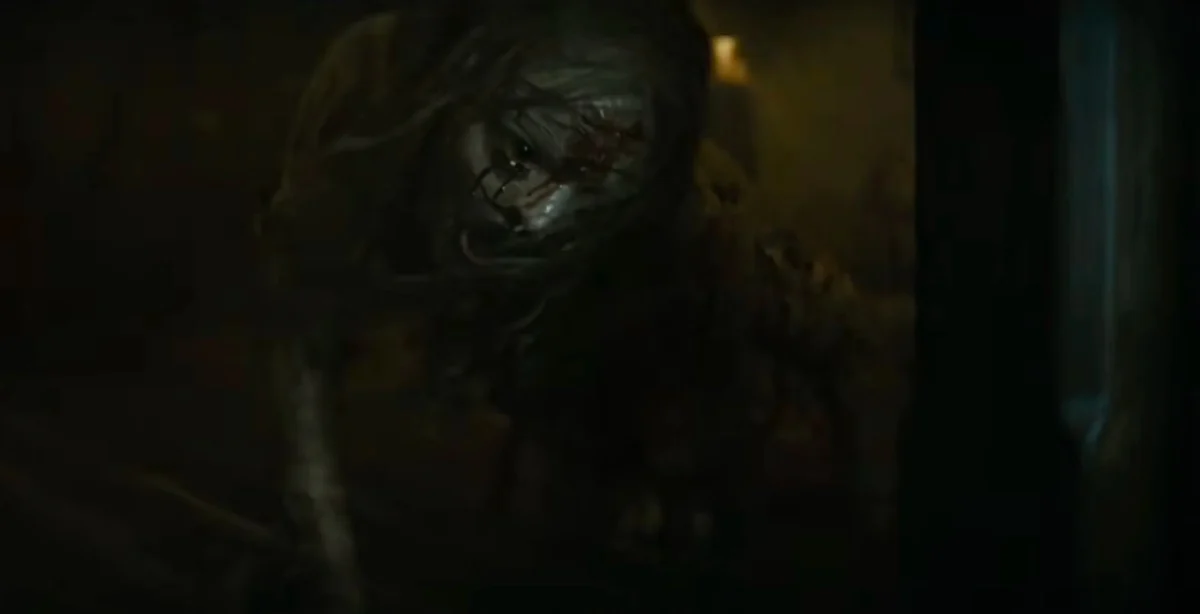
Visually, Clayface distinguishes itself through practical-leaning aesthetics and unsettling visual effects that eschew standard digital cleanliness. Hagen’s transformation is portrayed through a steady diet of melting, lumpy VFX, causing his body to droop and deform in ways that evoke physical revulsion. Scenes involving fused eyelids and regenerating tissue lean heavily into tactile body horror, prioritizing unease over standard jump scares.
The violence within the film is unsparing. Eschewing the restrained skirmishes typical of PG-13 comic book adaptations, the production features raw, visceral sequences—including a brutal execution where Hagen pulverizes a henchman—alongside darker, bloodier explorations of his cellular regeneration. Watkins utilizes mirrors and rapid, unsettling disguises to visualize Hagen’s subconscious impulses, transforming Gotham’s criminal underworld into a grimy, slime-coated pastiche reminiscent of classic Dick Tracy aesthetics crossed with psychological terror.
Production Context and Broader Implications
The greenlighting of Clayface reflects a broader strategic shift within DC’s cinematic oversight under the leadership of co-chairmen James Gunn and Peter Safran. By permitting filmmakers to explore genre-specific, director-driven visions outside the traditional continuity, Warner Bros. and DC Studios have opened avenues for R-rated character studies. This approach parallels historical precedents where comic book properties were successfully adapted into mature formats, proving that audiences respond to distinct tonal variations when handled by distinct creative voices.
While the film exhibits minor pacing issues in its second act and occasionally uneven mob-land tropes, its willingness to subvert audience expectations establishes a promising precedent for future villain-centric narratives. The production successfully balances the pathos of Flanagan’s storytelling with the blunt, harrowing brutality of Watkins’ direction.
Final Assessment
Clayface delivers an uncharacteristically vile, psychologically complex, and visually arresting addition to the contemporary comic book film landscape. By anchoring its narrative in genuine body horror and character-driven tragedy, the film offers a compelling antidote to studio homogenization. Tom Rhys Harries commands the screen as a multi-faceted protagonist whose journey from celebrated actor to monstrous entity resonates long after the credits roll.
Movie Score: 3.5/5