Where Eagles Dare: Exploring Cult Horror Cinema on Night Flight Plus Through a Curated October Showcase

The enduring legacy of vintage television programming in the contemporary digital streaming era is exemplified by Night Flight Plus, a specialized platform that continues to archive and distribute eclectic, boundary-pushing media. Originally born as an overnight weekend variety series on the USA Network in 1981, Night Flight carved a distinct cultural footprint by blending music videos, counterculture comedy, underground cinema, and avant-garde art. Today, the service maintains its commitment to high-proof cinematic schlock and cult treasures, serving as a digital repository for midnight movie enthusiasts and academic researchers of fringe media alike.
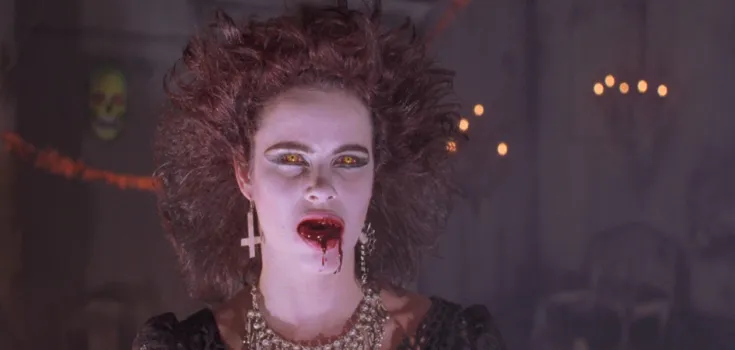
In a recent seasonal curation initiative designed to highlight the platform’s extensive library of horror offerings, film programmers have turned their attention toward regional and independent genre filmmaking from the late 20th century. October programming blocks on specialized streaming services routinely experience spikes in viewership, driving platforms to dust off rare celluloid transfers and cult classics that might otherwise remain obscured by modern studio blockbusters. This curatorial strategy not only satisfies a dedicated demographic of physical media and analog horror collectors, but it also provides a vital preservation function for independent films whose original negatives face degradation.
The Evolution of Holiday Horror Programming and Regional Cult Cinema
The intersection of Halloween and regional filmmaking produced some of the most unique independent cinematic artifacts of the 1980s and 1990s. During this era, the proliferation of home video distribution via VHS allowed regional filmmakers outside of traditional Hollywood hubs to produce low-budget genre fare and achieve national, albeit niche, distribution. Films produced in states like Kentucky, Ohio, and New Jersey frequently relied on practical special effects, local talent, and foundational slasher tropes established by studio hits like John Carpenter’s Halloween (1978).
Industry analysts note that independent genre streaming platforms have increasingly capitalized on nostalgia for physical video rental stores. By curating double features themed around specific holidays or subgenres, services such as Night Flight Plus attempt to replicate the serendipitous discovery process once found in the aisles of brick-and-mortar video stores. The pairing of well-known independent possessory horror with ultra-obscure regional slashers provides viewers with a comprehensive cross-section of late-century American fright cinema.
Night of the Demons (1988): A Masterclass in Practical Effects and Subversive Teen Horror
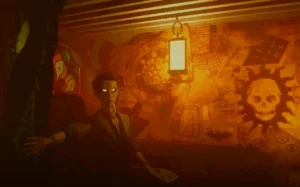
At the forefront of October streaming rosters stands Kevin Tenney’s 1988 cult classic Night of the Demons. Directed by Tenney and written and produced by Joe Augustyn, the film follows a diverse group of high school students who gather for a Halloween party inside Hull House, an abandoned former mortuary with a grim history. What begins as a standard adolescent gathering quickly devolves into a supernatural bloodbath after the attendees inadvertently unleash a malevolent demonic entity.
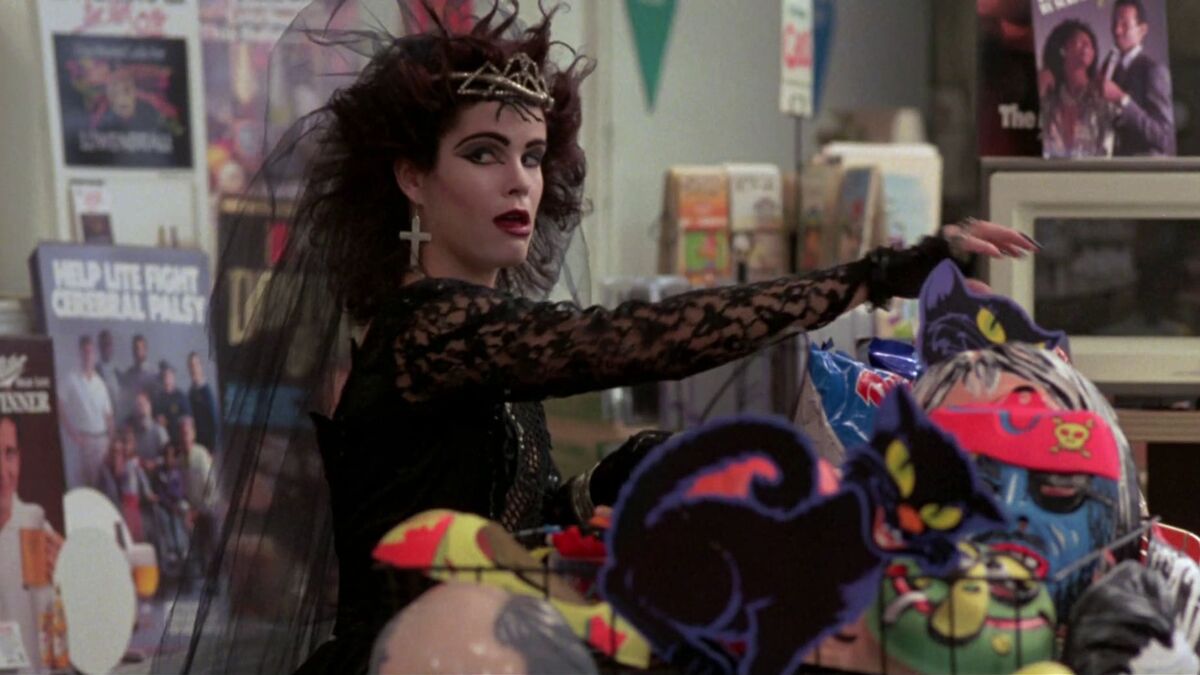
From a production standpoint, Night of the Demons is frequently cited by film historians for its sophisticated practical special effects, spearheaded by makeup effects artist Steve Johnson. Operating on a modest budget, Johnson and his team utilized traditional latex, mechanical appliances, and fluid effects to create visceral transformations that rivaled major studio horror releases of the decade. The film’s antagonist, Angela Franklin (played by Amelia Kinkade), established an iconic archetype within the slasher and supernatural subgenres, blending gothic aesthetic sensibilities with aggressive supernatural menace.
Chronologically, the release of Night of the Demons arrived at a transitional period for horror cinema. By the late 1980s, established franchises featuring supernatural villains like Freddy Krueger and Michael Myers were facing diminishing returns, opening a market for fresh directorial voices and self-contained narratives. Tenney’s film successfully bridged the gap between traditional haunted house tropes and the energetic pacing of MTV-era music videos, a stylistic choice that cemented its longevity among successive generations of horror fans.
Hauntedween (1991): Micro-Budget Regional Filmmaking and the Haunt Industry
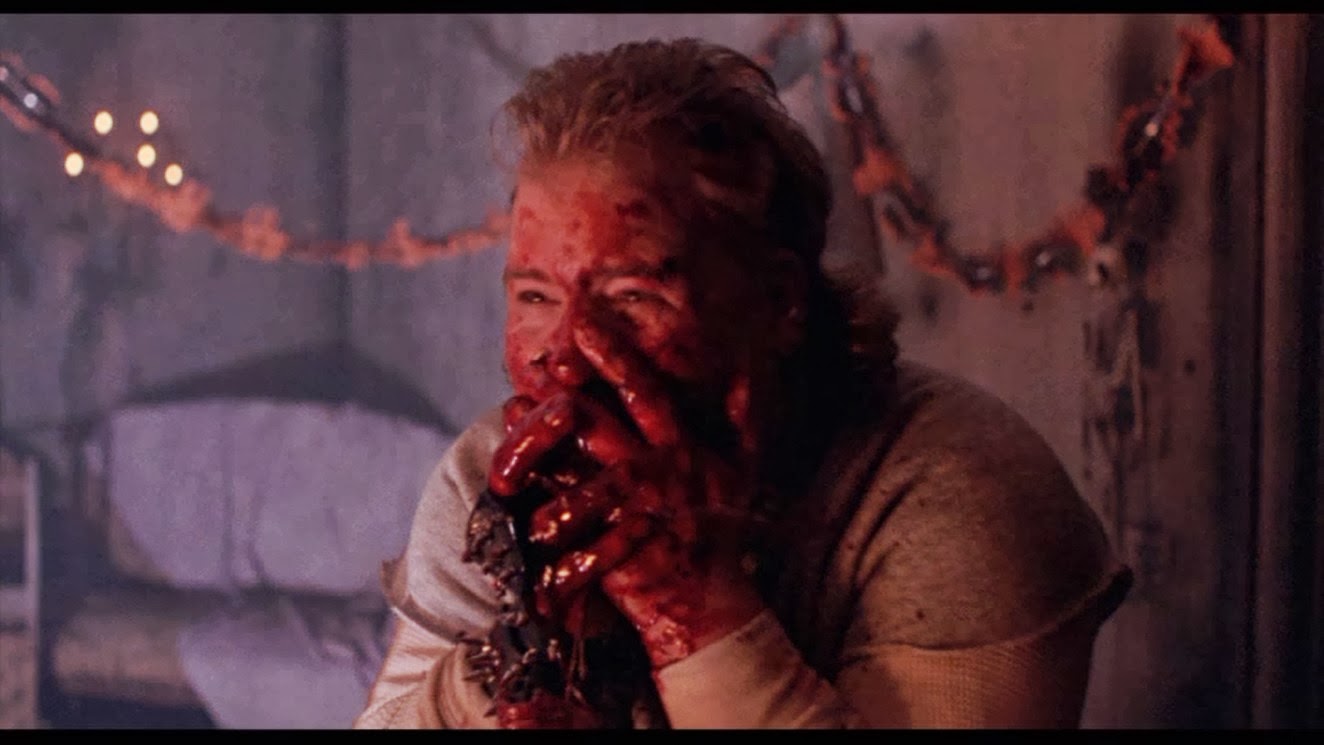
Complementing higher-profile independent releases on streaming services are ultra-low-budget regional productions that capture the distinct socioeconomic and cultural landscape of their production eras. Among these is Hauntedween, a 1991 slasher film shot on 16mm film stock in Bowling Green, Kentucky, directed by Doug Robertson.
The narrative centers on Eddie Burber, a disturbed individual who, after committing a childhood murder inside his mother’s seasonal haunted house attraction, returns years later to turn the commercialized venue into a real-life abattoir. Coinciding with the reopening of the haunt by a local college fraternity seeking fundraising revenue, the film blends traditional slasher tropes with the burgeoning American commercial Halloween attraction industry.
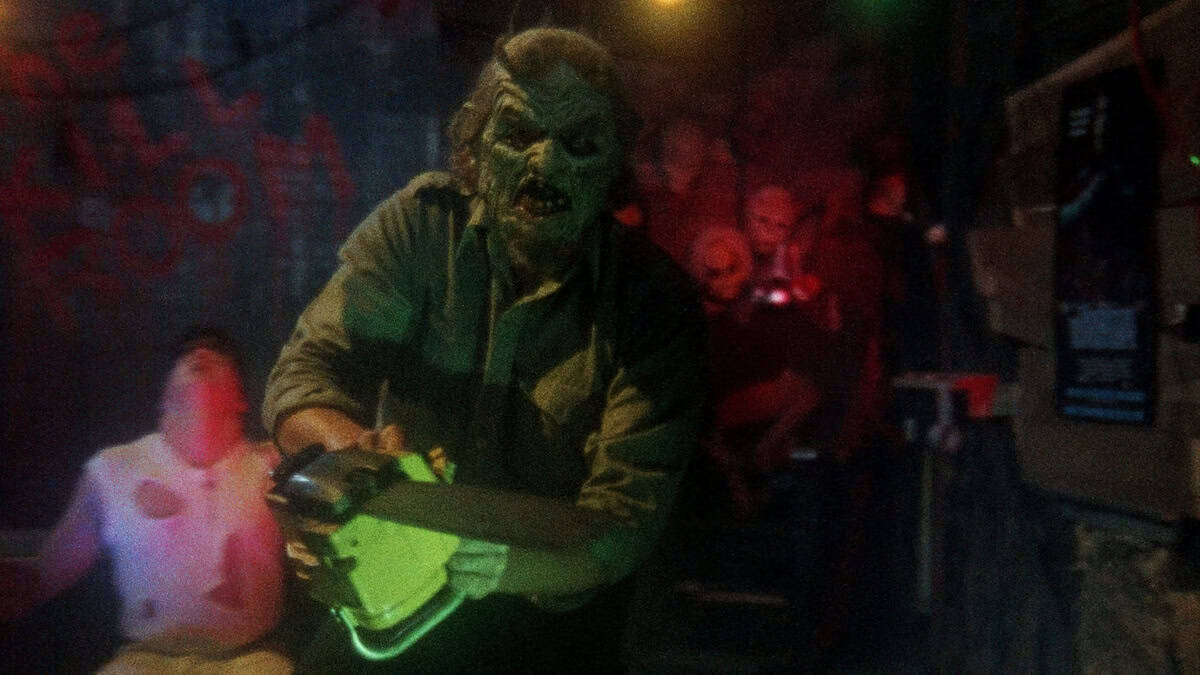
The historical context of Hauntedween aligns with the explosive growth of commercial haunted houses as a staple of autumn entertainment in the United States during the late 20th century. By utilizing an actual operational haunt as its primary setting, the production tapped into a rapidly expanding cultural phenomenon. Film archivists and repertory cinema curators have increasingly championed such micro-budget regional films for their raw documentation of American subcultures, DIY filmmaking ingenuity, and unpolished aesthetic value.
The Broader Impact of Repertory Screenings and Digital Curation
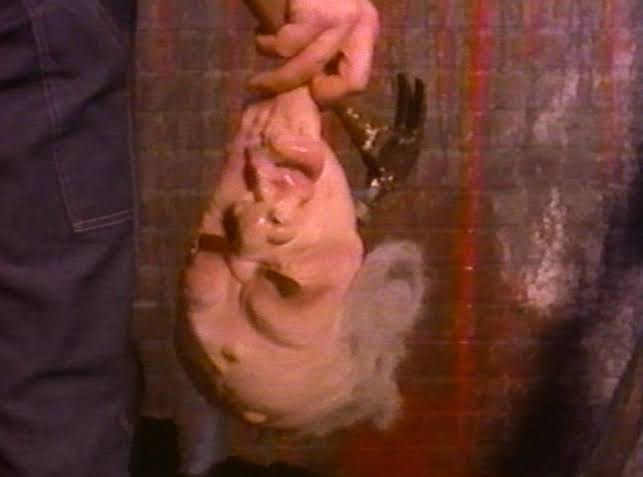
The ongoing accessibility of films like Night of the Demons and Hauntedween via streaming platforms and subsequent theatrical repertory screenings highlights a broader shift in film exhibition. Independent cinemas, streaming curators, and academic preservationists are collaborating to bring forgotten celluloid back to contemporary audiences. For instance, specialized theatrical runs—such as upcoming repertory screenings of Hauntedween scheduled at independent venues like Toronto’s Paradise Theater—demonstrate that physical film culture and digital preservation can exist in a symbiotic relationship.
Industry observers suggest that the demand for authentic, analog-era horror content will continue to shape the programming strategies of niche streaming networks. As major studios consolidate their libraries behind monolithic subscription services, boutique platforms focusing on midnight movies, cult artifacts, and overlooked regional cinema provide a vital economic and cultural sanctuary for films that operate outside the mainstream Hollywood apparatus. Through rigorous digital curation and contextualized programming blocks, these platforms ensure that the marginal, eccentric, and historically significant works of fringe cinema remain accessible to modern scholars and enthusiasts alike.