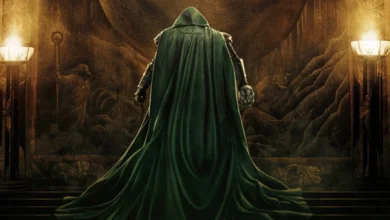
The Rise of DC Comics Absolute Universe Highlights Divergent Character Arcs Across Flagship and Spinoff Titles

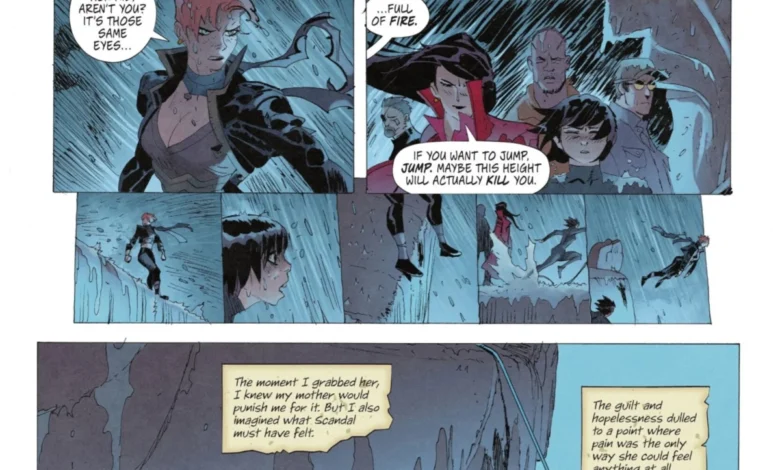
DC Comics has experienced a profound commercial renaissance with the rollout of its Absolute Universe, a publishing initiative that has dominated comic book industry sales charts since its inception. Positioned as a darker, high-stakes reimagining of the publisher’s core mythology, the imprint places legendary icons such as Batman, Superman, and Wonder Woman into hostile environments where foundational heroes operate on the defensive. While top-tier titles like Absolute Batman have maintained sustained commercial momentum month-over-month, the broader initiative has also prompted critical examination regarding how secondary characters and spinoff series handle established mythos. The recent release of the one-shot special Absolute Cassandra Cain: The Shadow’s Hand has thrown a sharp spotlight on these creative divergences, contrasting its deeply focused character study with the narrative friction currently observed in Absolute Catwoman.
Background Context of the Absolute Universe Initiative
Conceived as a bold editorial pivot, the Absolute Universe stripped DC’s roster down to its fundamental components. Rather than relying on traditional continuity or familiar status quos, creative teams were tasked with reinventing heroes in worlds stripped of institutional support, traditional mentorship, and relative safety. The guiding editorial philosophy emphasized raw emotional drivers over elaborate backstories, allowing readers to encounter familiar names operating in drastically altered ecosystems.
This approach proved immediately successful with readers and retailers alike. Flagship titles frequently claimed the top positions on monthly Diamond Comic Distributors and Lunar Distribution charts, buoyed by critical praise for high-concept storytelling and distinct artistic directions. However, as the imprint expanded to incorporate street-level figures and expanding ensemble casts, maintaining a consistent internal logic across crossover appearances and solo series emerged as a notable editorial challenge.
Chronology and Publishing Timeline
The debut of the Absolute Universe established a carefully coordinated release schedule designed to introduce foundational heroes before branching into peripheral titles. Absolute Batman launched the initiative, introducing a rugged, resource-scarce version of Bruce Wayne alongside peripheral street-level operatives, including Selina Kyle.
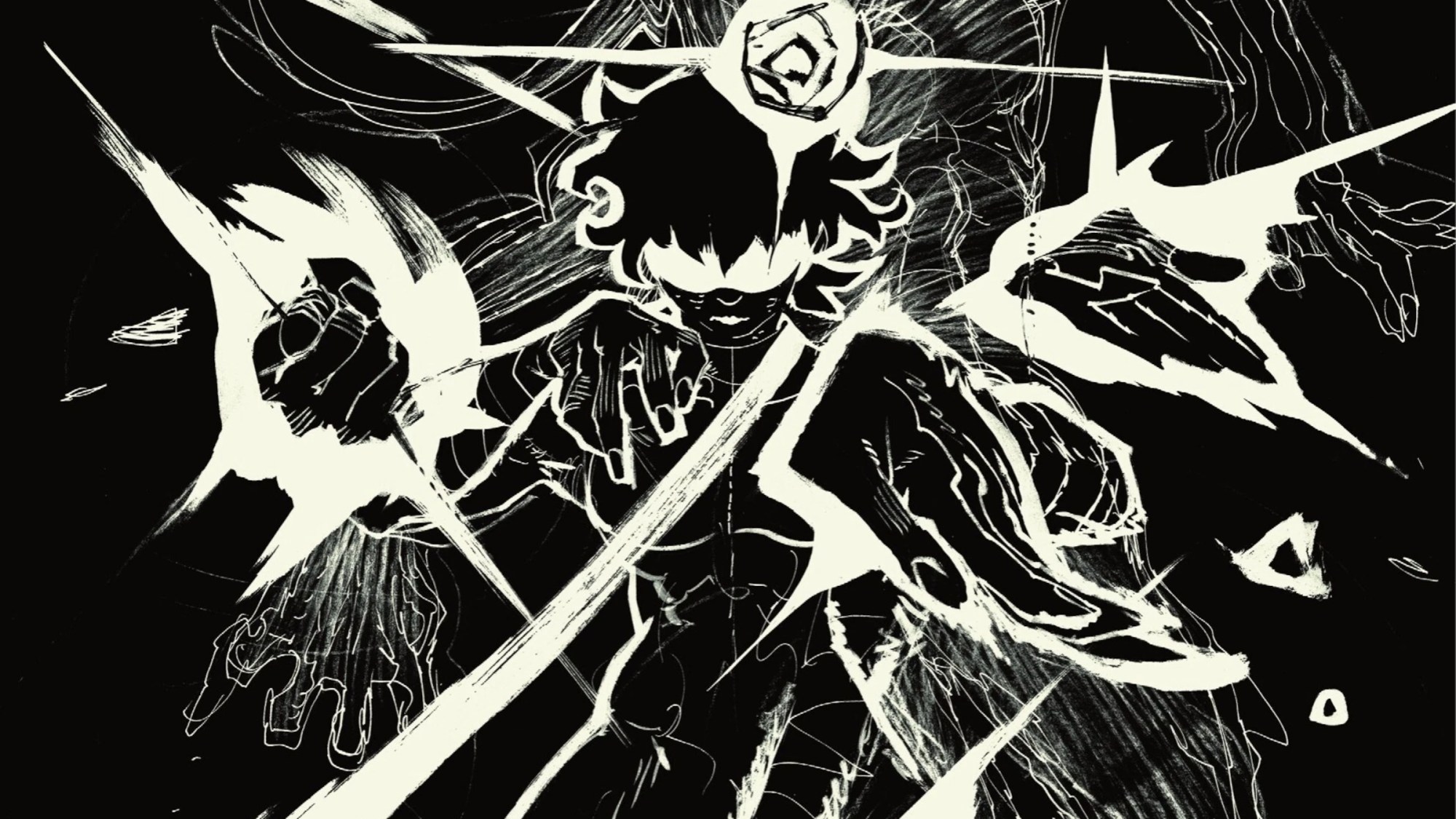
Subsequent issues of Absolute Catwoman began exploring Kyle’s solo endeavors, establishing her complex dynamic between personal survival, covert operations, and conflicted loyalties to Gotham’s emerging vigilantes. However, tonal inconsistencies quickly surfaced when comparing these appearances to subsequent ensemble issues. The release of Absolute Cassandra Cain: The Shadow’s Hand served as a critical inflection point, presenting a starkly different interpretation of Cassandra Cain’s origins, motivations, and moral code compared to how the character had previously been deployed in the pages of Absolute Catwoman and related tie-ins.
Characterization Analysis: Cassandra Cain and Selina Kyle
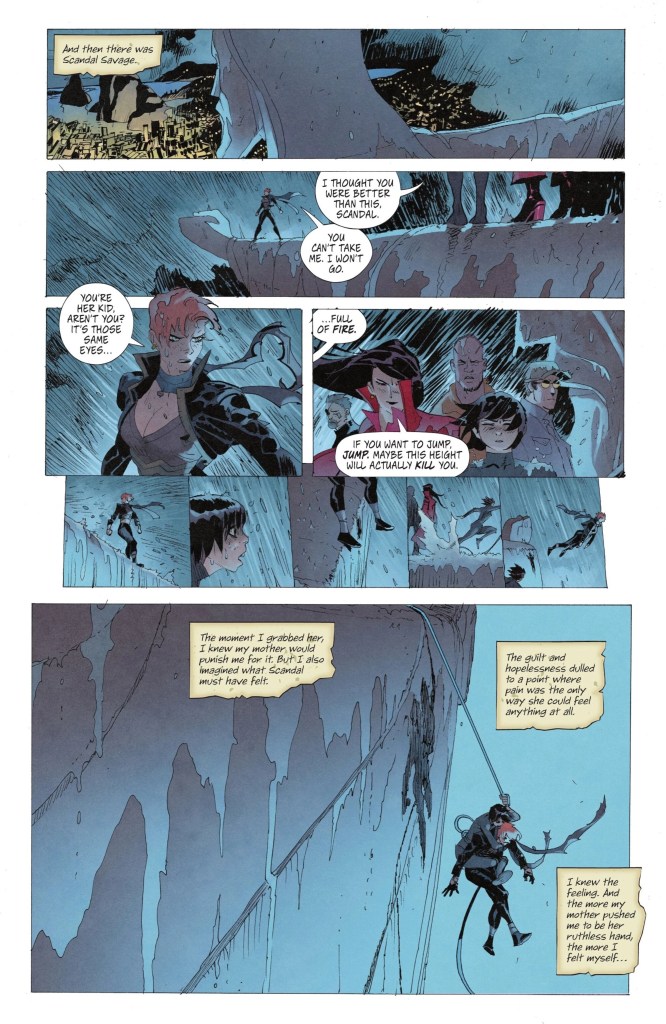
At the heart of the current critical discourse is the divergence between how characters are written in self-contained spotlights versus ongoing collaborative series. In Absolute Cassandra Cain: The Shadow’s Hand, the narrative explores the psychological weight of the character’s brutal upbringing. The one-shot details her resistance to systemic violence, her intrinsic empathy, and her deliberate choice to protect others at great personal cost. This portrayal aligns closely with historical interpretations of Cassandra Cain as a reluctant warrior whose core identity is defined by a rejection of lethal force.
Conversely, appearances by Cassandra Cain in Absolute Catwoman have depicted her operating alongside shadow organizations that employ lethal force without hesitation, occasionally culminating in actions—such as malicious grins amid battlefield casualties—that directly contradict her foundational pacifism and psychological makeup.
A similar dissonance has been observed regarding Selina Kyle. While early issues of Absolute Catwoman established a nuanced criminal antihero balancing self-preservation with covert assistance to Bruce Wayne, later chapters frequently reduce her dialogue to exposition-heavy recitations of plot mechanics. Critics and readers have noted that interactions with long-established associates lack organic chemistry, leading to a flattening of her character arc into standard, genre-trope thief narratives.
Industry Implications and Creative Adjustments
The creative friction between Absolute Cassandra Cain and Absolute Catwoman underscores the delicate balance required when managing an interconnected shared universe. When flagship concepts are handed off between different creative teams without rigorous editorial oversight regarding character bibles, tonal discrepancies can alienate dedicated readers.
Industry analysts note that while the Absolute Universe remains a dominant financial engine for DC Comics, the long-term health of secondary titles depends heavily on character consistency. Characters cannot function merely as mechanical chess pieces designed to advance an overarching plot without undermining the psychological realism that made the imprint a breakout hit in the first place.
Official Responses and Statements from Creative Teams
While primary creators and editorial staff have not issued formal statements addressing the specific criticisms regarding tonal variance between the titles, DC Comics editorial leadership has previously emphasized that the Absolute Universe was designed to encourage diverse, boundary-pushing interpretations from top-tier talent. The allowance for creative experimentation, however, appears to have created an unintended disconnect between self-contained character studies and ongoing monthly series.
Broader Market Impact
Despite localized criticisms regarding characterization in select tie-ins, the broader commercial outlook for the Absolute Universe remains exceptionally strong. Retailers report steady pull-box demand, and secondary market values for first-print issues remain elevated. The success of Absolute Cassandra Cain: The Shadow’s Hand indicates that readers continue to reward deeply personal, character-driven narratives that honor the core emotional identity of DC’s heroes. Moving forward, editorial coordination will likely play a critical role in ensuring that upcoming expansions maintain the narrative integrity and emotional resonance that initially drove the imprint’s historic success.