Dead Media brings the terrors of the analog age back to life in a chilling new creature feature

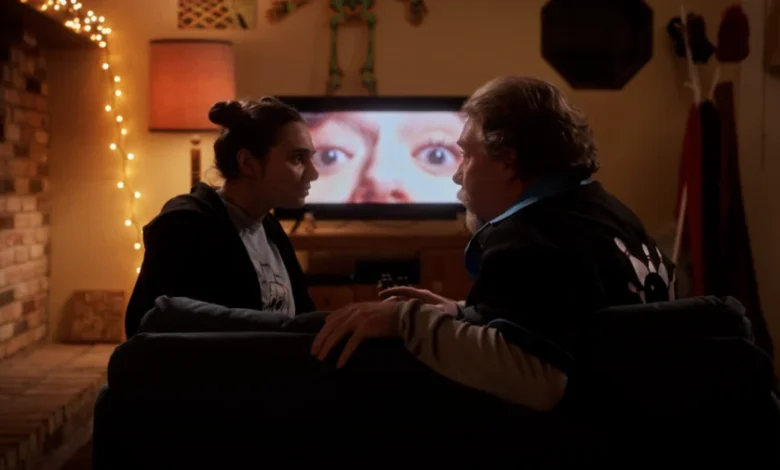
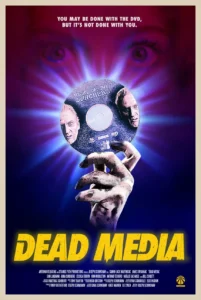
The digital era has long been characterized by the ease of streaming, the ubiquity of high-definition on-demand content, and the gradual obsolescence of physical storage formats. However, director Joseph Scrimshaw’s debut feature film, Dead Media, suggests that there are some relics of the past that are better left forgotten. Produced with the creative backing of genre veteran Joe Lynch—known for his work on Suitable Flesh and Mayhem—the film explores the malevolent potential of a haunted DVD, transforming a routine movie night into a fight for survival against entities manifested from a forgotten 1990s cult classic.
The Premise: When Bonus Features Become Real
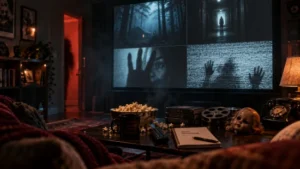
The narrative follows Maggie, a young woman attempting to curate a quiet evening of cinema with two of her closest friends. Their initial plan involves streaming a film, a choice that is abruptly interrupted by the arrival of Maggie’s horror-obsessed uncle. Armed with a physical copy of a long-lost ’90s horror flick titled Night of the Lurchers, the uncle insists that the trio forgo their digital convenience in favor of the "full experience" provided by the DVD format, including its supplemental materials and bonus features.
The central conflict of Dead Media hinges on the intersection of nostalgia and supernatural horror. Once the disc is played, the boundary between the film’s fictional narrative and the reality of the characters’ living room begins to dissolve. The "creatures" from the movie, unleashed through the playback of the disc, force the protagonists to contend with a physical manifestation of low-budget, practical-effect-style horrors. By utilizing the specific anxieties associated with vintage media—the skipping, the glitches, and the hidden easter eggs—the film positions itself as both a tribute to the era of physical media collecting and a cautionary tale about the dangers of unearthed artifacts.
Behind the Lens: A Creative Collaboration
The production of Dead Media represents a significant milestone for Joseph Scrimshaw, who transitions from his established career in writing and comedy to the director’s chair for this feature-length horror project. The involvement of executive producer Joe Lynch adds a layer of genre credibility to the project. Lynch, a filmmaker deeply embedded in the contemporary independent horror circuit, brings a sensibility that favors tactile, visceral storytelling.
The film’s cast features a blend of seasoned talent and emerging actors, including Sammi-Jack Martinack, Sam Landman, James Urbaniak—widely recognized for his work on the cult animated series The Venture Bros.—Jessica Fenton, and Anna Sundberg. Behind the scenes, the production team, including producers Vincent Rutherford and Scrimshaw, prioritized a technical aesthetic that complements the film’s meta-commentary. With cinematography by Matthias Schubert and a score composed by Tony Thaxton, the film aims to evoke the specific sonic and visual atmosphere of late-20th-century home video production.

The Theatrical Roadshow: A Strategy for Engagement
In an era where most independent films are funneled directly into Video-on-Demand (VOD) services, the distribution strategy for Dead Media stands out as a deliberate throwback. The film is currently engaged in a nationwide theatrical roadshow, an approach designed to cultivate an audience through direct, in-person interaction.
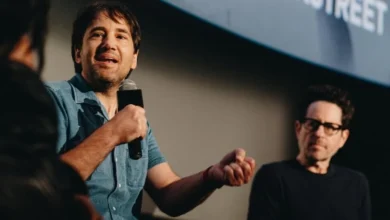
Scrimshaw himself has been a consistent presence at these screenings, facilitating a connection between the film and its primary demographic: genre enthusiasts and collectors of physical media. This model of distribution—often referred to as "event cinema"—serves several purposes. First, it builds grassroots momentum that can be difficult to achieve through traditional algorithmic marketing on streaming platforms. Second, it mirrors the very subject matter of the film: the importance of the communal, tangible viewing experience. By traveling to different cities, the production team is essentially curating a "tour" that celebrates the communal joy of watching horror in a theater, contrasting sharply with the isolation of digital streaming.
The Context of Physical Media Nostalgia
The thematic core of Dead Media arrives at a time of renewed public interest in physical media. While the general market has shifted toward digital convenience, a dedicated subculture of cinephiles has emerged, driven by the desire for archival stability, specialized packaging, and the "extras" that defined the DVD and Blu-ray era.
Data from the Digital Entertainment Group (DEG) has shown that while overall disc sales have declined significantly over the past decade, the market for "boutique" physical media—specialized re-releases, limited editions, and restored classics—has remained remarkably resilient. This phenomenon is often attributed to a growing "collector’s fatigue" regarding the ephemeral nature of streaming licenses, where titles are frequently removed from platforms without notice. Dead Media taps into this cultural zeitgeist, turning the act of handling a physical disc into a source of dread rather than comfort. The film’s focus on "bonus features" as a plot device is a direct nod to the deep-dive content that once defined the home video market, transforming those often-ignored menu items into potential gateways for terror.
Analyzing the Impact: Horror and Meta-Narratives
From a critical standpoint, Dead Media operates within the tradition of the "cursed object" subgenre, which includes staples like The Ring, Videodrome, and The Blair Witch Project. These films share a common concern: the medium is the message. By focusing on a DVD, Scrimshaw is effectively modernizing the "cursed videotape" trope for a generation that grew up with the optical disc as the gold standard of home entertainment.
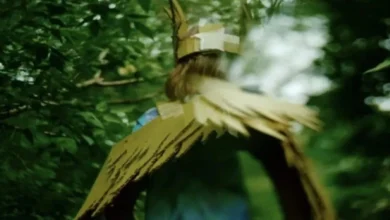
The film’s reliance on practical creature design—as teased in the promotional materials—suggests a desire to return to the aesthetic of the films it references. In a cinematic landscape dominated by Computer-Generated Imagery (CGI), the decision to feature physical, material monsters aligns with the broader "analog horror" trend, which emphasizes the tactile and the lo-fi as more frightening than the polished and digital.

Broader Implications for Independent Filmmaking
The production and distribution of Dead Media offer a case study in how independent filmmakers are navigating a post-pandemic, streaming-heavy market. By embracing the limitations of a smaller budget and turning them into a thematic strength, Scrimshaw and his team are highlighting the viability of niche horror as a sustainable business model.
The "roadshow" distribution model also signals a return to a more traditional, event-based cinema experience. For independent horror, where the audience is often highly engaged and community-oriented, this model fosters a sense of exclusivity and urgency. By bypassing the immediate, oversaturated digital landscape, the production ensures that its target audience is not just a metric on a dashboard, but a participant in a live event.
Looking Ahead
As Dead Media continues its theatrical run, its trajectory will serve as a bellwether for other projects attempting to bridge the gap between digital-first distribution and traditional theatrical exhibition. Whether the film achieves commercial success or remains a cult curiosity, it has already succeeded in articulating the anxieties of a generation witnessing the slow disappearance of their physical entertainment libraries.
The film remains a testament to the idea that, in the world of horror, the tools we use to watch movies are just as capable of turning against us as the stories themselves. With its mix of meta-commentary, creature-feature mechanics, and a direct engagement with the physical media community, Dead Media stands as a unique entry in the 2026 horror calendar, inviting audiences to reconsider the contents of their own DVD shelves before they hit "play" one more time. The remaining tour dates, available through the production’s official channels, continue to offer fans a rare chance to engage with the director and experience the film in the communal setting it was intended for.