Elden Ring Nightreign modder Doneda ports Dark Souls 2 Frozen Eleum Loyce and Frigid Outskirts as a standalone map

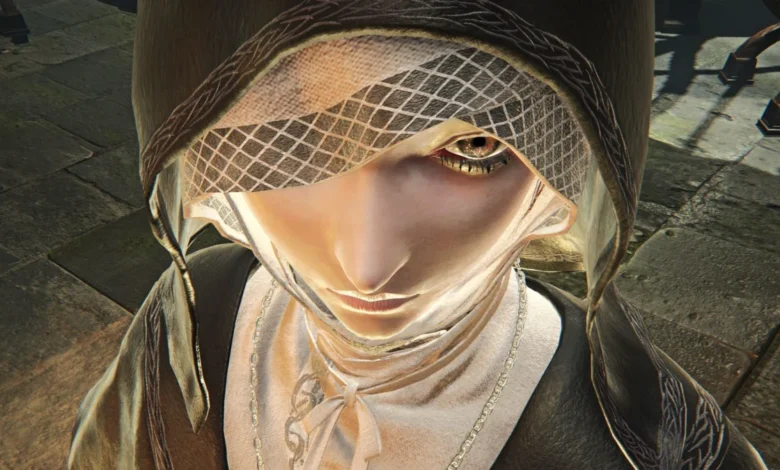
The landscape of modern PC gaming modding continues to bridge the generational divide between FromSoftware’s iconic titles, as evidenced by the recent release of a comprehensive map mod for the fan-driven Elden Ring Nightreign project. Modder Doneda has successfully ported the atmospheric and notoriously difficult Frozen Eleum Loyce and the adjacent Frigid Outskirts—two of the most memorable environments from the Dark Souls 2: Crown of the Ivory King expansion—into the framework of Elden Ring Nightreign. This technical achievement marks a significant milestone in community-led preservation and content expansion, allowing players to traverse these classic Souls-like environments using the updated mechanics and graphical fidelity of the newer engine.
Technical Foundations and Modding Context
The integration of legacy assets into current-generation titles requires a sophisticated understanding of file structures, engine limitations, and proprietary data formats. Doneda, who has previously garnered attention for discovering and restoring cut content from Dark Souls 2, including an extensive and previously unseen sewer map, brings a high degree of technical expertise to the Nightreign project.
The modification process involved translating the architectural layout of Frozen Eleum Loyce to function within the Elden Ring Nightreign environment. This is not merely a static asset swap; it involves re-implementing collision data, lighting, and environmental triggers to ensure that the area behaves as a playable, standalone map. To access this content, users are required to utilize Mod Engine 3, a robust utility that serves as the backbone for most high-level Elden Ring modifications. By modularizing the experience, the mod ensures that the core game remains stable while allowing players to opt into specific, high-fidelity legacy map additions.
The Legacy of Dark Souls 2 Content
Frozen Eleum Loyce holds a distinct place in the FromSoftware canon. Released as the third and final installment of the "Lost Crowns" DLC trilogy for Dark Souls 2, it challenged players with extreme environmental hazards, complex verticality, and a narrative centered on the tragic fall of a kingdom consumed by ice.
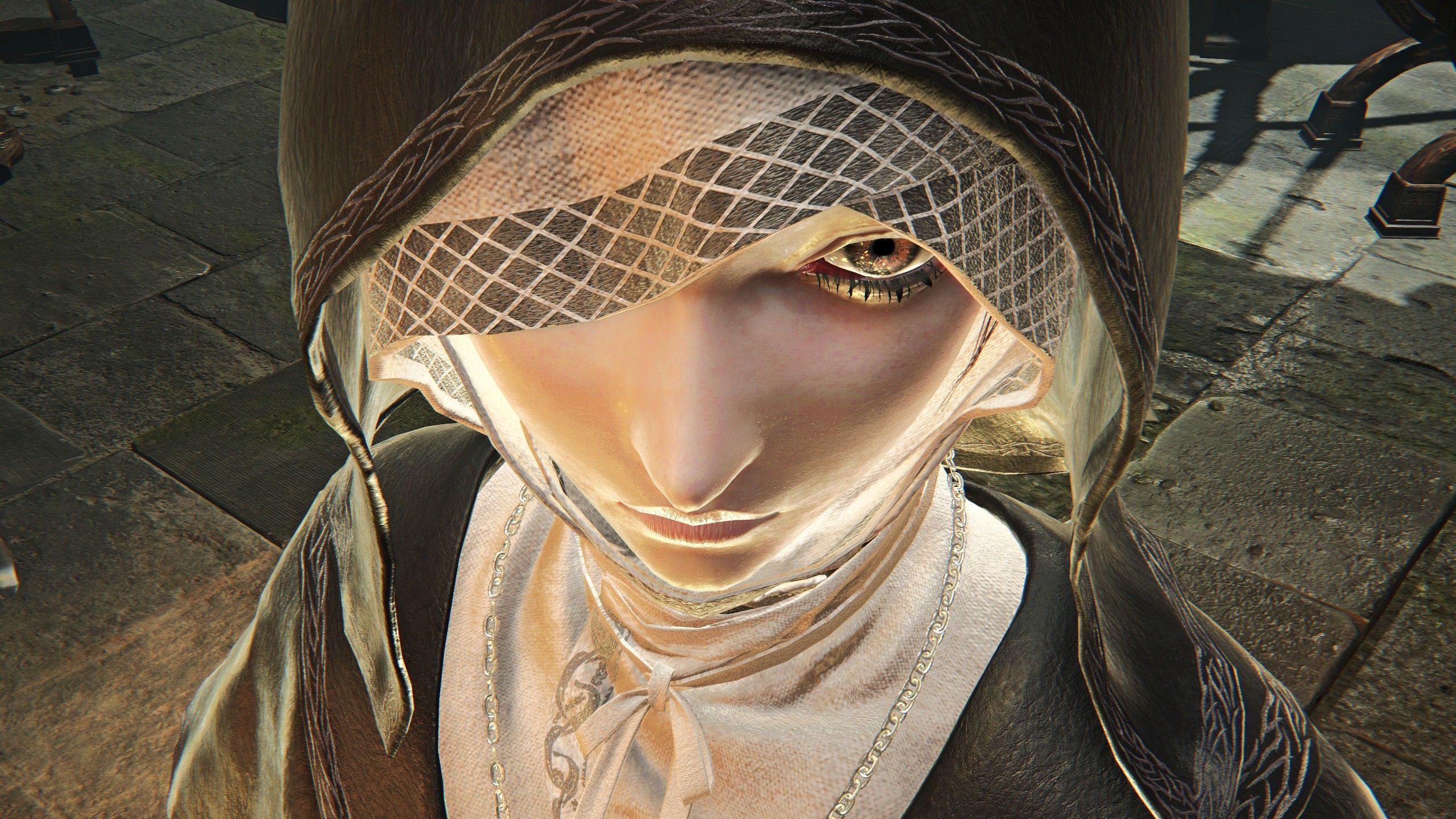
The inclusion of the Frigid Outskirts—often cited as one of the most divisive levels in the franchise due to its zero-visibility blizzard mechanics and relentless enemy encounters—provides a unique challenge when mapped onto the more fluid movement systems found in Elden Ring. In the original Dark Souls 2, the area forced players to contend with a slow, methodical pace. By bringing these areas into the Nightreign ecosystem, Doneda effectively recontextualizes the level design, allowing players to engage with the map’s geometry in a fresh, more reactive combat environment.
Chronology of the Nightreign Project
The Nightreign initiative has evolved rapidly since its inception, functioning as a nexus for community experimentation that often exceeds the scope of base-game updates. The project’s timeline is defined by a series of high-impact releases:
- Initial Development: The project began as a platform for testing stability and co-op integration, utilizing the foundation of existing Elden Ring assets.
- Deep of Night Update: This significant expansion introduced new boss encounters, such as The Balancers and Libra, which pushed the boundaries of standard FromSoftware encounter design.
- Seamless Co-op Integration: A parallel effort led by modder Yui brought robust multiplayer functionality to the project, allowing up to six players to explore the world simultaneously.
- Asset Expansion (Current Phase): With the recent introduction of legacy maps like Eleum Loyce and the integration of weapon sets from Shadow of the Erdtree and Dark Souls 3, the project has shifted its focus toward content-heavy, long-term replayability.
Implications for the Modding Community
The ability to port assets from one engine iteration to another highlights a growing trend in the gaming industry: the community-driven "forever game." As official support for certain titles wanes, community efforts like Nightreign step in to provide fresh challenges. The decision by Doneda to make these maps available on platforms like Nexus Mods, while maintaining a presence on YouTube and Ko-fi, reflects a sustainable model for independent developers to support their work through voluntary community patronage.
Furthermore, the integration of weapons from Shadow of the Erdtree and Dark Souls 3 into the Nightreign environment demonstrates a "no-nonsense" approach to content parity. Players have long expressed a desire for a unified library of weaponry across the Souls-like genre, and through these mods, that desire is being realized without the need for official corporate intervention.
Community Reception and Challenges
The reception of Nightreign has been polarized, reflecting the broader debate regarding "difficulty for the sake of difficulty." While many players praise the project for its ingenuity and the high quality of its custom boss fights, others have criticized the "Deep of Night" update for introducing mechanics that feel inconsistent with the established design language of FromSoftware.
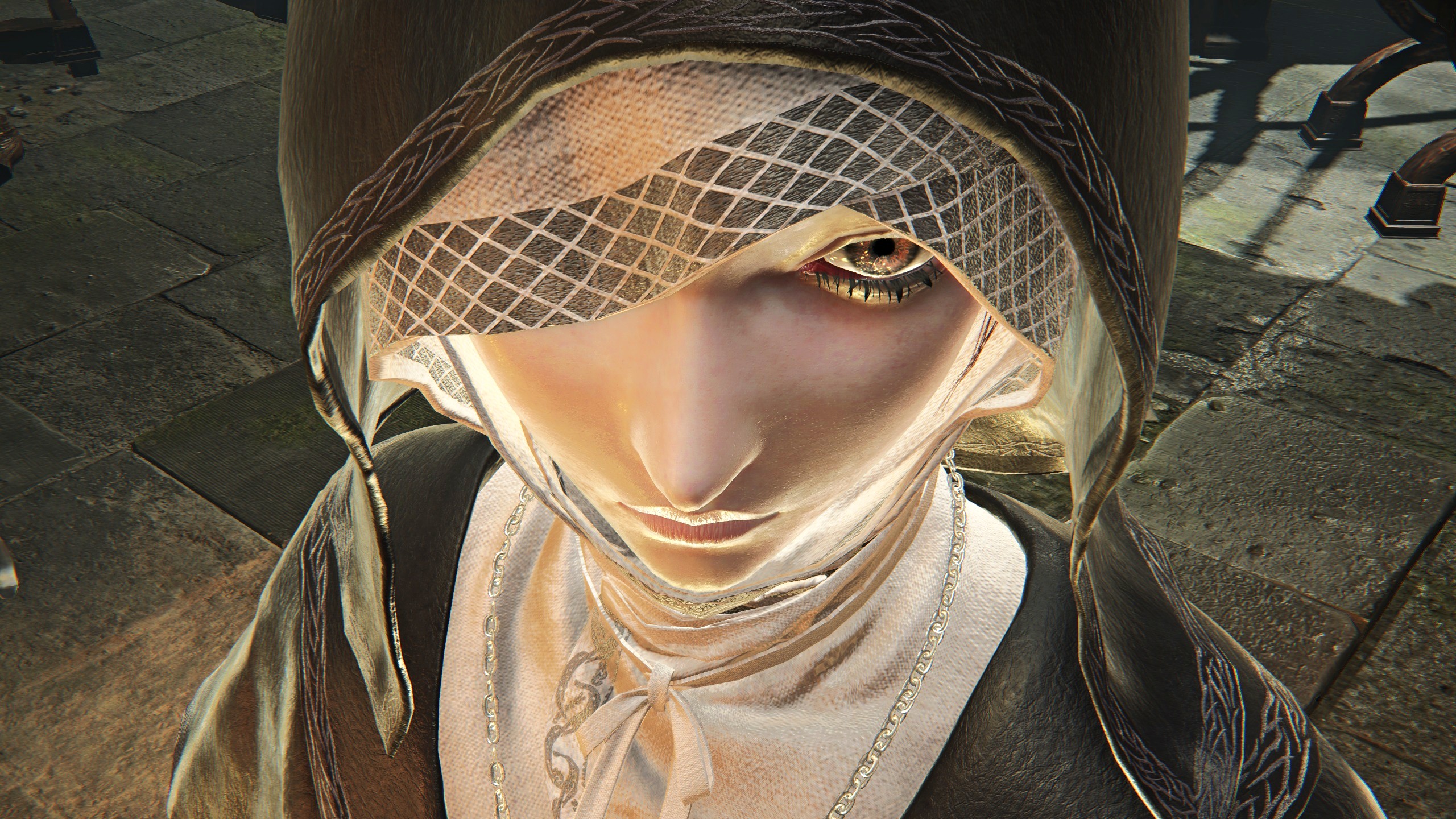
The core challenge for any mod of this scale is maintaining the balance between creative freedom and the "soul" of the original experience. The incorporation of Eleum Loyce is a strategic move in this regard; by using established, beloved map designs, the developers provide a sense of comfort and familiarity that helps ground the more experimental gameplay adjustments found elsewhere in the mod.
Looking Ahead: The Future of Nightreign
As official development teams shift their focus toward new projects—such as the highly anticipated "Duskbloods" and potential future titles—the vacuum left by reduced live-service support is being filled by projects like Nightreign. The transition from official support to community-driven longevity is becoming a standard lifecycle for high-engagement titles.
For the modding team, the path forward appears focused on iterative improvement. Doneda has indicated an intent to develop additional maps, suggesting that the current port of Frozen Eleum Loyce is merely a component of a larger roadmap. This, combined with the efforts of contributors like Yui and TerraMag, positions Nightreign as a vital repository for experimental Souls-like gameplay.
From a broader perspective, the success of these mods serves as a testament to the longevity of the PC gaming platform. When developers provide the tools and the community provides the passion, even older titles can be effectively "remastered" or expanded indefinitely. The inclusion of Eleum Loyce and the Frigid Outskirts serves as both a celebration of the series’ past and a glimpse into a potential future where the barriers between individual entries in the franchise are dismantled, resulting in a cohesive, massive, and ever-evolving experience for the dedicated player base.
Whether or not this model will influence official development strategies remains a topic of industry speculation. However, for the present, the work of creators like Doneda ensures that the legacy of titles like Dark Souls 2 remains an active, playable part of the modern gaming landscape. As the community continues to refine these tools and assets, the boundaries of what is possible within the Elden Ring engine will continue to expand, offering players a complex and enduring way to engage with the genre they love.
Related posts: