From Comic Book Pages to R-Rated Body Horror: Inside James Gunn’s DCU Strategy for Clayface

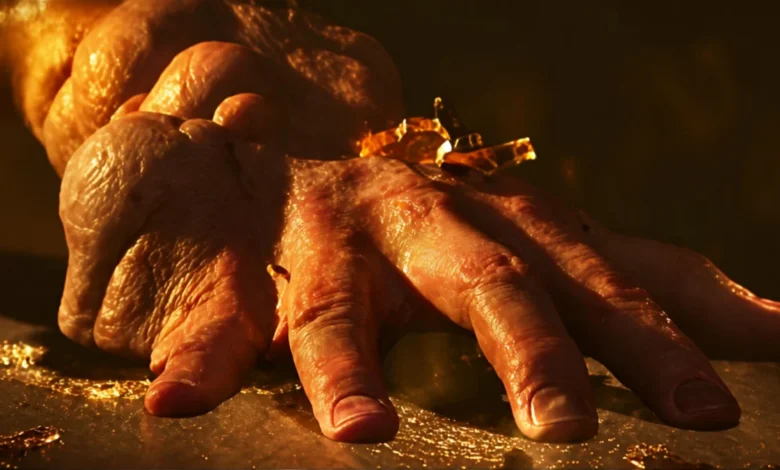
James Gunn’s unfolding DC Universe (DCU) is officially crossing the threshold into the horror genre with the upcoming release of Clayface, a feature film that promises to test the boundaries of mainstream comic book adaptations. Warner Bros. recently unveiled a chilling new promotional spot for the project, offering the clearest look yet at Matt Hagen’s horrifying descent into villainy. Starring Tom Rhys Harries as the tragic actor and featuring Naomi Ackie as the enigmatic Dr. Bates, the film has secured an R rating—a historic first for a live-action theatrical release within the foundational continuity of the new DCU.
The strategic choice to launch the DCU’s inaugural horror venture with a classic Batman rogue signals a deliberate departure from the traditional four-quadrant formula that has dominated the superhero genre for the past two decades. By blending classical comic book lore with visceral, Cronenberg-esque body horror, Warner Bros. and DC Studios are betting that modern audiences are eager for genre-bending storytelling that transcends the standard cinematic universe template.
A Century-Long Marriage: The Intertwined History of Comics and Horror
The convergence of comic books and horror is nearly as old as the medium itself. During the comic book booms of the 1940s and 1950s, horror titles reigned supreme alongside crime and romance publications. Iconic publishers such as EC Comics revolutionized the industry with legendary anthologies like Tales from the Crypt, The Vault of Horror, and The Haunt of Fear. These titles became cultural touchstones, defined by their macabre framing devices, moralistic twists, and exquisitely detailed, often grotesque interior artwork.
However, the genre’s immense popularity triggered a severe cultural backlash. In 1954, following congressional hearings led by Senator Estes Kefauver and the publication of psychiatrist Fredric Wertham’s anti-comics manifesto Seduction of the Innocent, the industry established the Comics Code Authority (CCA). This strict self-censorship body effectively outlawed horror and true crime comics, driving the genre into a multi-decade dark age.
Horror did not permanently vanish from the comic medium, however. It eventually found a subterranean resurgence in the 1970s and 1980s under more permissive editorial guidelines, bleeding into mainstream superhero titles through atmospheric, gothic storytelling. Landmark runs like Alan Moore’s Swamp Thing, Neil Gaiman’s The Sandman, and various Batman arcs demonstrated that superheroes and horror could comfortably coexist.
When comic book adaptations transitioned into major Hollywood blockbusters at the turn of the 21st century, filmmakers occasionally borrowed these moody aesthetics. Movies such as Guillermo del Toro’s Blade (1998), Christopher Nolan’s psychological thriller Batman Begins (2005), and Josh Boone’s troubled X-Men spin-off The New Mutants (2020) incorporated genre elements. Yet, very few studio-backed comic book adaptations have dared to cross the line into full-fledged, R-rated horror—until now.
Deconstructing Matt Hagen: The Plot and Chronology of Clayface
The narrative framework of Clayface borrows thematic cues from classic psychological tragedies. The plot centers on Matt Hagen (Tom Rhys Harries), a once-successful actor whose life and career are upended following a vicious, disfiguring attack. Desperate to reclaim his livelihood and identity, Hagen submits to a series of experimental medical procedures overseen by Dr. Bates (Naomi Ackie).
While the treatments initially appear to be a miraculous success, they exact a devastating physiological toll. Hagen’s cellular structure breaks down, rendering his skin unnaturally pliable and unstable. The newly released promotional footage underscores the distressing nature of this transformation, featuring sequences in which Hagen visibly loses control of his malleable physique, culminating in a scene of panic at a crowded nightclub.
The setup bears striking thematic similarities to Alejandro Amenábar’s 1958-inspired Spanish psychological thriller Abre los ojos (Open Your Eyes) and its 2001 American remake Vanilla Sky, starring Tom Cruise and Penélope Cruz. In those films, a wealthy, handsome protagonist suffers severe facial disfigurement in an automobile accident and spirals into psychological torment while grappling with the loss of his outward identity.
While those cinematic predecessors focused primarily on psychological drama and surrealist mystery, Clayface channels those identical anxieties as a direct catalyst for visceral dread and body horror. According to the production team, Hagen’s ultimate evolution avoids immediate exposure, functioning similarly to the strategic creature reveals in classic monster features like Steven Spielberg’s Jaws, where the terror is amplified by anticipation and delayed gratification.
Marketing Strategy: Teasing the Monster and Embracing the R Rating
The promotional campaign for Clayface has deliberately exercised restraint, withholding a full, uninterrupted look at the hulking, amorphous mud monster familiar to fans of Batman: The Animated Series and decades of DC Comics. Instead, the marketing has leaned heavily into psychological unease and intimate body horror. This approach is designed to capture the attention of a broader genre audience—viewers who may care very little about traditional comic book origins, but are actively seeking a terrifying cinematic experience ahead of the Halloween season.
This withholding strategy generated intense speculation across fan communities regarding how faithfully the production would adapt Hagen’s final, monstrous state. Those questions were partially answered in the closing moments of the recent promo spot. As the footage concludes, a massive mound of dark earth and organic material coalesces upward, forming the unmistakable, towering silhouette of the classic Batman antagonist.
The R rating confirmed for the film grants the filmmakers the creative latitude necessary to explore the darker, gorier implications of a human body literally dissolving and reshaping itself. Industry analysts note that securing an R rating for a character historically associated with family-friendly animation and mainstream superhero fare is a calculated risk, but one that aligns with James Gunn’s stated objective of maximizing directorial vision and tonal variety across the DCU slate.
Industry Implications and the Future of the DCU
The greenlighting and execution of Clayface represent a pivotal litmus test for James Gunn and Peter Safran’s management of the DCU. By greenlighting standalone, character-driven projects operating outside the traditional cinematic universe formula, DC Studios is signaling a willingness to embrace fragmentation and niche appeal over mandatory, interconnected mega-blockbusters.
If Clayface proves successful with both critics and box office audiences, it could pave the way for a wave of similarly adventurous, genre-specific adaptations within the DC library. Characters traditionally marginalized due to their dark or obscure origins—such as Etrigan the Demon, Man-Bat, or the Spectre—suddenly become viable candidates for distinct, prestige-level cinematic treatments.
Furthermore, the film’s R rating establishes a crucial precedent for adult-oriented storytelling within the DCU canon. While Marvel Studios has recently ventured into R-rated territory with Deadpool & Wolverine, DC is positioning Clayface not as a comedic action-comedy, but as a genuine, atmospheric horror film rooted in psychological ruin and physical transformation.
As the release date approaches, anticipation continues to build around how Tom Rhys Harries’ grounded, tragic portrayal of Matt Hagen will ultimately bridge the gap with the legendary, unstoppable mud titan of comic book lore. By anchoring high-concept superhero lore in tangible, unsettling human suffering, Clayface may well redefine what audiences expect from a comic book adaptation in the modern era.