Revisiting the Legacy and Controversy of Supergirl Woman of Tomorrow Ahead of the 2026 Film Adaptation

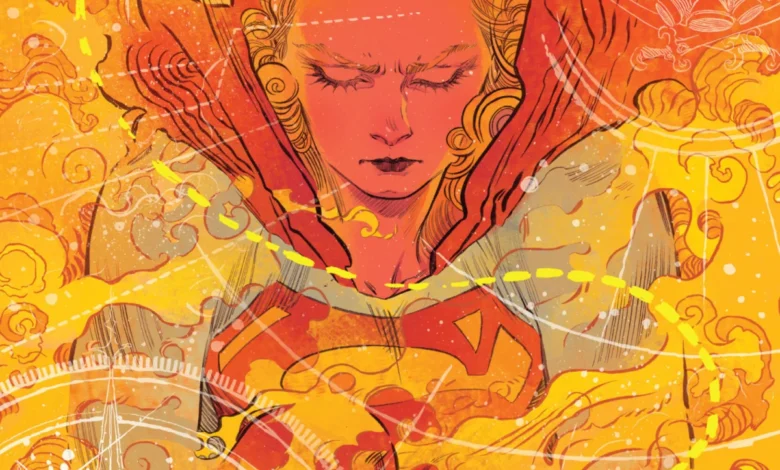
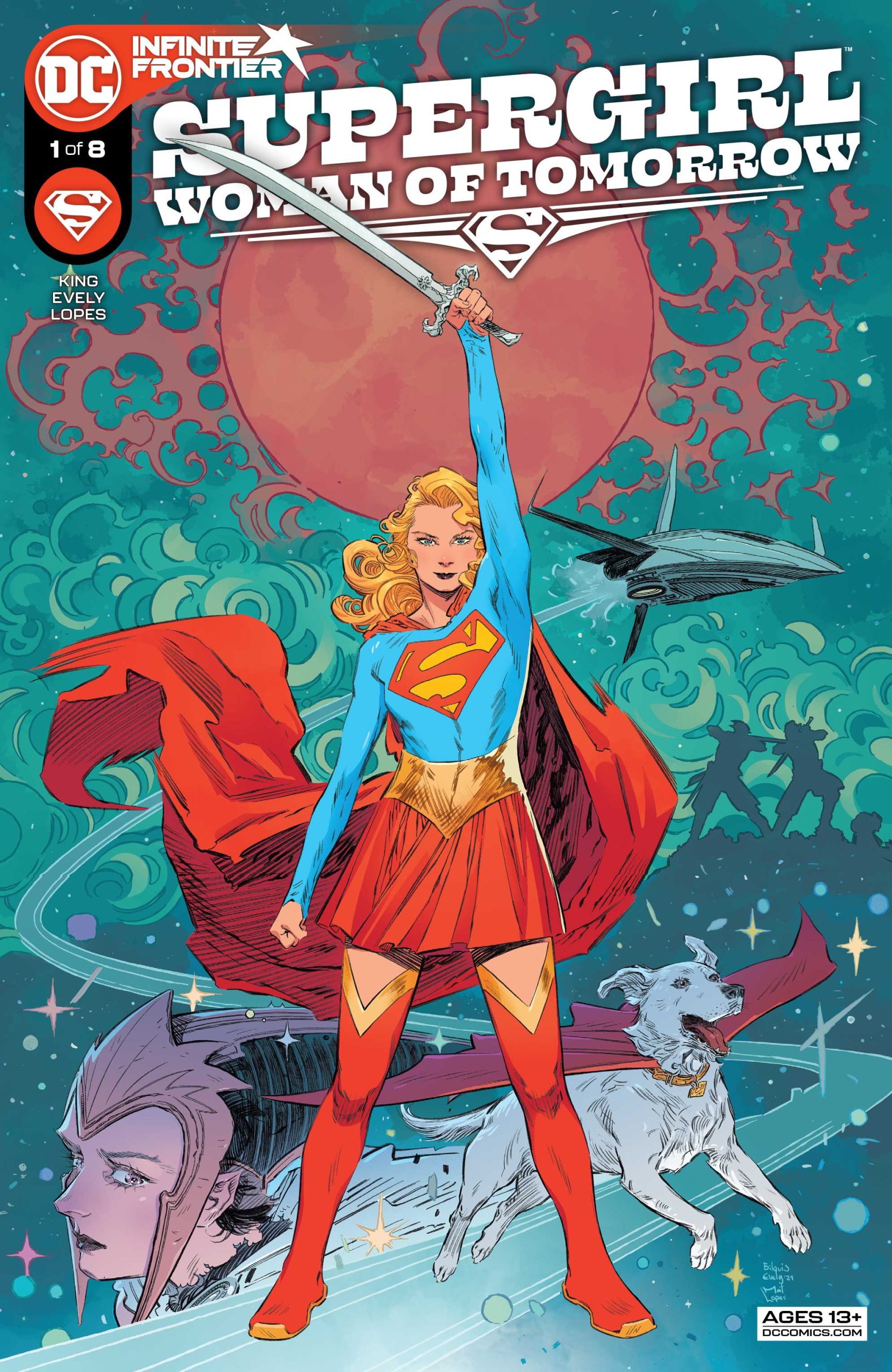
The upcoming theatrical release of the Supergirl movie, scheduled for June 26, 2026, has ignited a renewed interest in the source material that serves as its foundation: the 2021 DC Comics limited series, Supergirl: Woman of Tomorrow. Written by Tom King with art by Bilquis Evely and colors by Matheus Lopes, the eight-issue run garnered critical acclaim upon its initial publication. However, as the film’s premiere approaches, a segment of the long-term comic book community and analytical readers have revisited the text, sparking a sophisticated discourse regarding character agency, narrative tone, and the portrayal of Kryptonian trauma.
The Narrative Foundation and Critical Reception
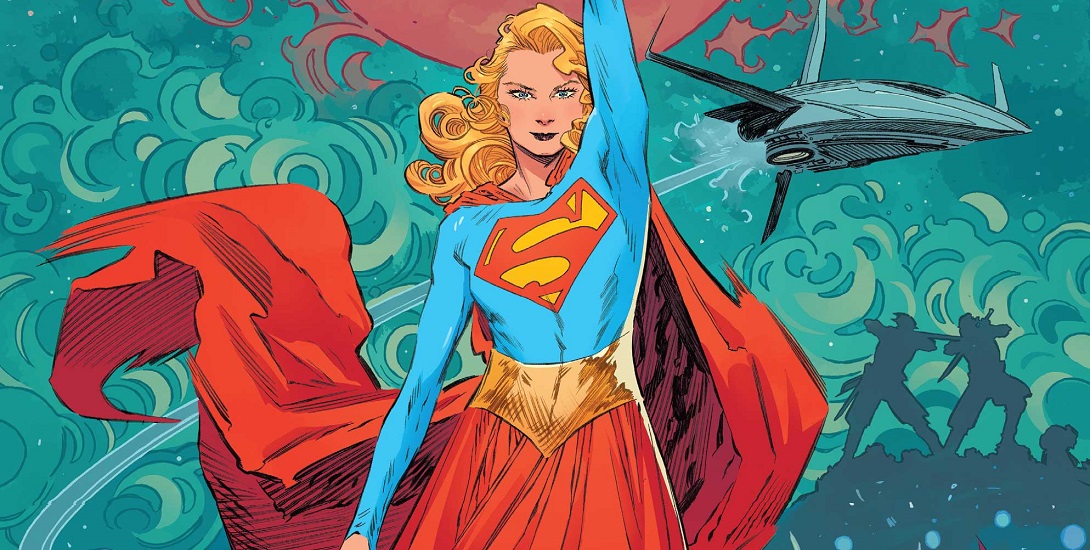
When Supergirl: Woman of Tomorrow debuted in 2021, it was lauded for its distinct visual style and its departures from traditional superhero tropes. The narrative follows Kara Zor-El, the Maid of Might, as she embarks on a cosmic odyssey alongside Ruthye Marye Knoll, a young alien seeking vengeance against the outlaw Krem of the Yellow Hills. The series utilizes a "space western" aesthetic, heavily influenced by the artistic collaboration between Evely and Lopes, whose work on the series is widely considered a benchmark for modern DC comics.
Despite the initial praise, retrospective analysis has surfaced several points of contention. Critics of the series, particularly longtime enthusiasts of the character, have questioned specific narrative choices, such as the depiction of Supergirl in the opening issue. The series begins with a sequence featuring a intoxicated Kara on her 21st birthday, a depiction that some argue lacks sufficient character context. While defenders of the work suggest the moment portrays a relatable, albeit fleeting, period of isolation, others argue that it fails to align with established continuity regarding Supergirl’s support system, specifically her ties to Clark Kent and Lois Lane.
Chronology of the Controversy
The discourse surrounding the series has evolved significantly since 2021. The timeline of this reception can be categorized into three distinct phases:
- The 2021 Launch: The series was largely received as a high-concept, prestige-format limited series. Reviews at the time highlighted the emotional weight of the story and the high-quality illustrative work.
- The Post-Publication Debate (2022–2025): As the series found its way into trade paperback and library collections, a divide emerged. Traditionalists argued that the "nihilistic" characterization of Kara clashed with her established persona as a symbol of hope. Conversely, analytical readers began to dissect the structural techniques employed by King, specifically the parallel narratives of trauma.
- The Pre-Film Re-evaluation (2026): With the cinematic adaptation looming, the fanbase has revisited the text to determine whether the tone of the graphic novel accurately reflects the "Supergirl" brand, or if it represents a stylistic departure that could influence public perception of the character.
Analytical Perspectives on Characterization and Trauma
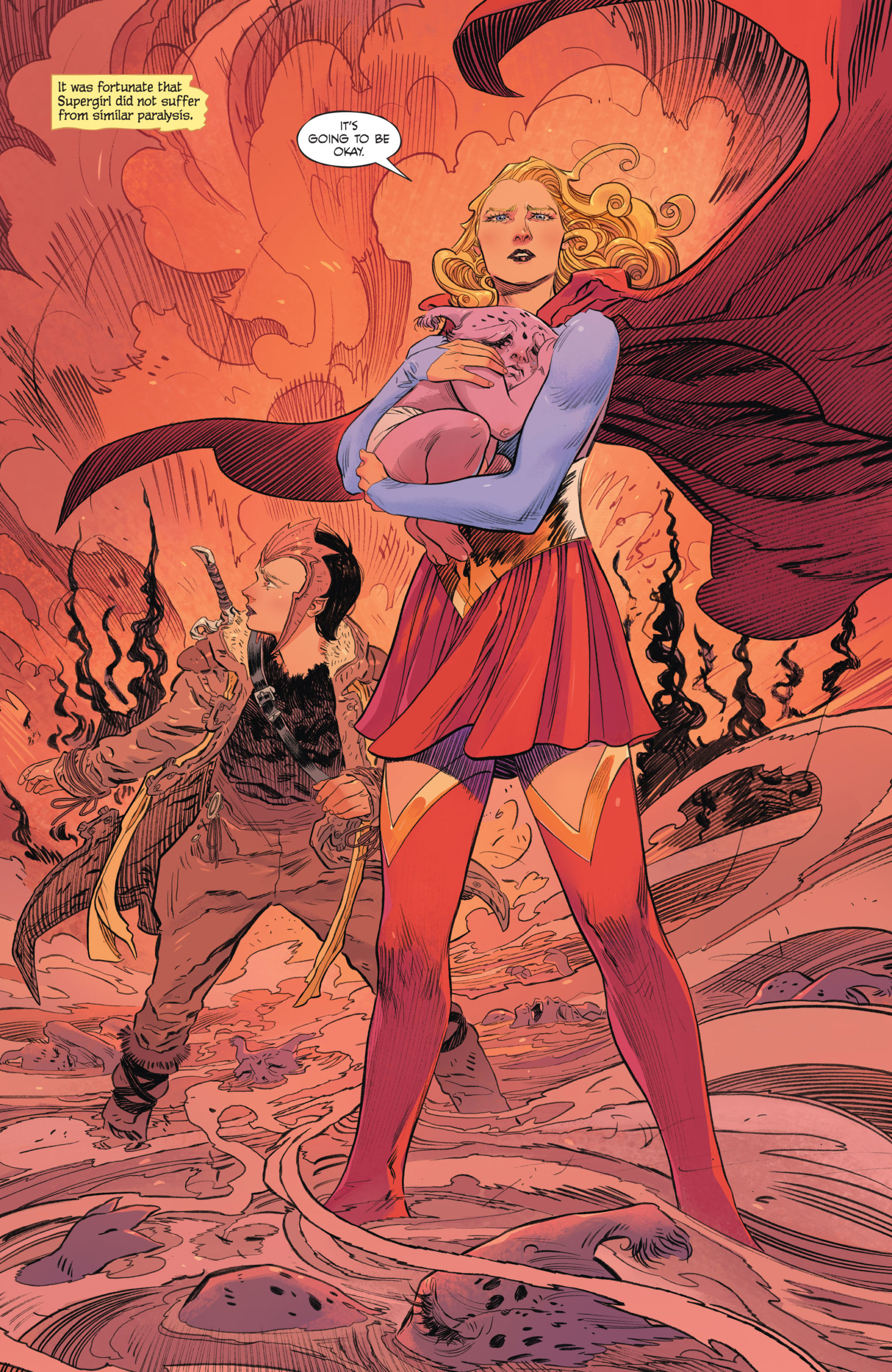
A central element of the critical discussion involves the parallel drawn between Ruthye’s quest for vengeance and Kara’s own history of loss. King explicitly weaves the destruction of Krypton into the emotional trajectory of the story. For some scholars of the medium, this is a sophisticated examination of intergenerational trauma. For others, it is an over-extension of the character’s history that forces a "broken" identity onto a hero who has historically moved beyond her past tragedy.

The debate often centers on whether a writer should prioritize character consistency over thematic storytelling. Tom King’s tenure at DC has been characterized by "deconstructive" writing—a technique he has applied to characters such as Adam Strange in Strange Adventures and the Justice League International in The Human Target. Critics argue that this approach often renders characters unrecognizable, while proponents suggest that these stories function as "Elseworlds-adjacent" character studies that provide fresh perspectives on familiar archetypes.
Technical Craft: The Role of Visual Storytelling
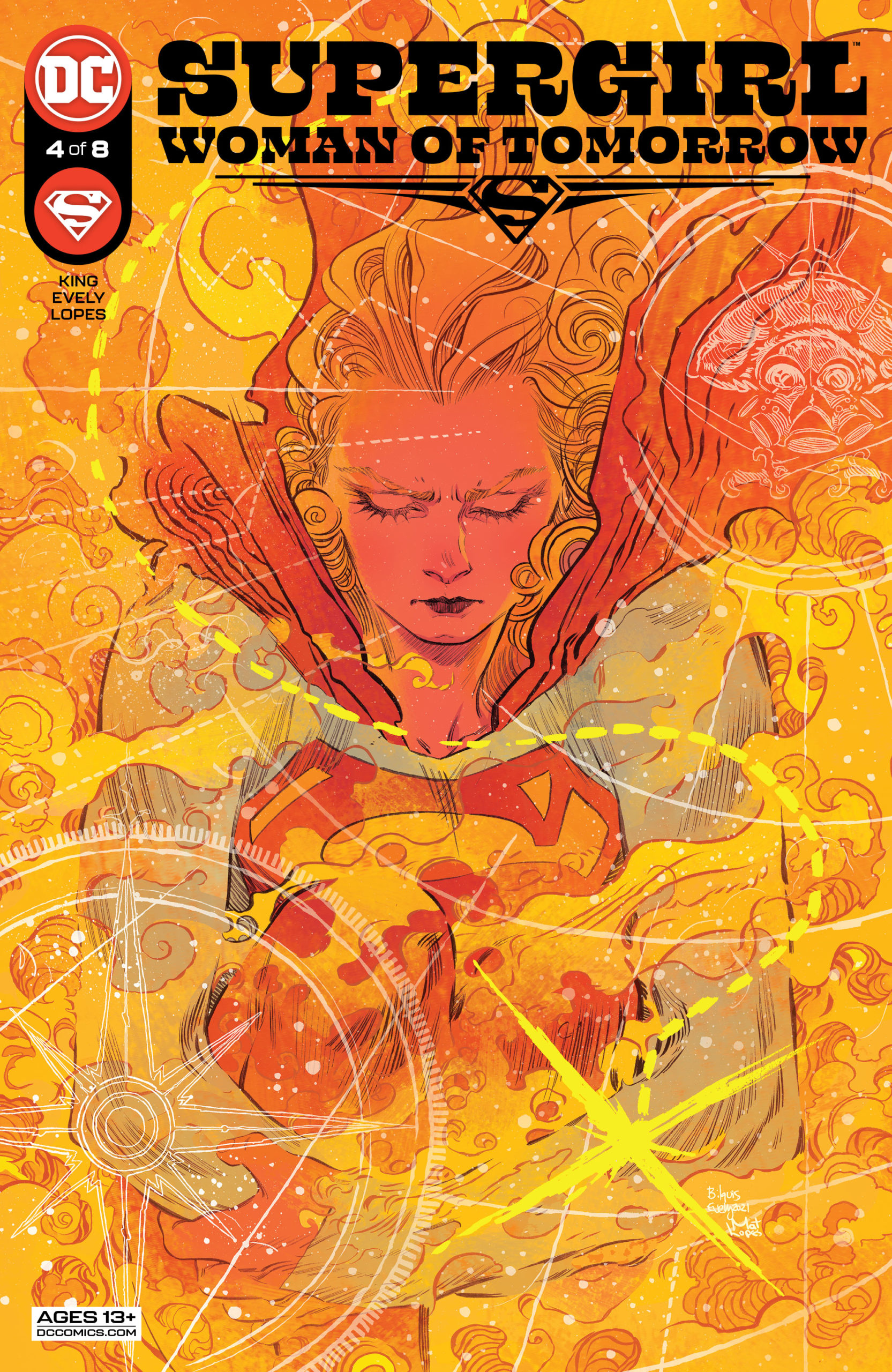
One aspect of the series that remains largely undisputed is the contribution of artist Bilquis Evely and colorist Matheus Lopes. Their work is frequently cited as the saving grace of the series for those who take issue with the writing. The visual language of Woman of Tomorrow—ranging from the intricate world-building of alien environments to the subtle emotive cues in Kara’s expressions—has been instrumental in the book’s enduring popularity.

In terms of technical execution, the series employs a "book-within-a-book" structure, utilizing narration boxes that mirror the tone of a period piece or fable. This stylistic choice is intended to create a sense of distance and myth-making, though it has been criticized by some readers as "overwritten" or dense, particularly upon second or third readings.
The Ending and Its Implications
The final issue of the series has served as a flashpoint for debate, specifically regarding the ultimate fate of the antagonist, Krem. The conclusion, which shows a mature Ruthye interacting with a captive Krem, contains a level of ambiguity that has fueled extensive online theorizing.
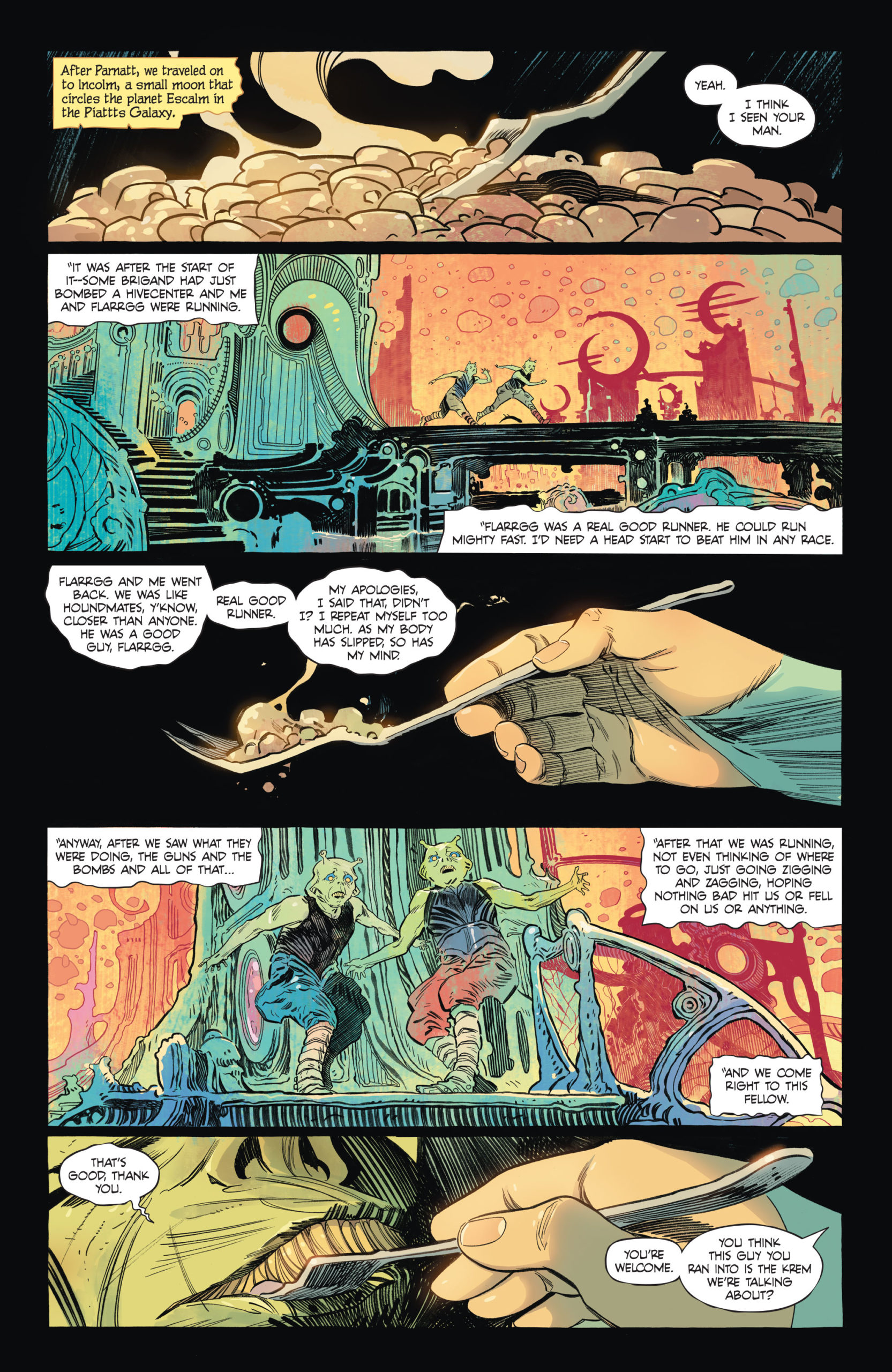
The most common interpretation—supported by the visual parallel between the first and last pages—is that Ruthye executes Krem. The implications of this are profound for the character of Supergirl. If Kara stands by and allows this to happen, it marks a definitive shift in her moral compass. The interpretation suggests that Kara has moved from a position of "hope" to one of "nihilism," acknowledging that, in some instances, justice cannot be achieved through traditional heroics. This shift is a significant departure from the classic Superman-family ethos, which typically rejects lethal force.
Broader Impact and Industry Context
The debate surrounding Supergirl: Woman of Tomorrow is reflective of a larger industry-wide tension between "legacy" and "innovation." As major publishers continue to adapt comic properties for the big screen, the source material is scrutinized more heavily than ever before.
Industry analysts note that the choice to adapt Woman of Tomorrow for the screen is a calculated risk. By selecting a story that is both visually stunning and narratively provocative, DC Studios is signaling a move toward more "mature" and "literary" superhero films. However, the potential for alienating fans who prefer a more traditional, optimistic version of the character remains a variable that could impact the film’s box office performance.
Final Assessment
As the industry prepares for the 2026 release, the legacy of the comic series will likely continue to be a subject of intense debate. Whether the film chooses to lean into the melancholic tone of the book or pivot toward a more conventional heroic arc remains to be seen. What is clear, however, is that Supergirl: Woman of Tomorrow has successfully cemented itself as a focal point in the history of the character, forcing a necessary conversation about how we define the parameters of a hero in an increasingly complex and cynical world.
The divide in opinion highlights a healthy, if contentious, engagement with the medium. While some readers will always find the "King-style" of characterization to be a betrayal of the source material, others will view it as a necessary evolution. Regardless of one’s stance on the writing, the series stands as a significant cultural artifact that has successfully bridged the gap between niche comic book discussion and broader pop-culture anticipation, ensuring that the conversation surrounding Supergirl will remain vibrant and deeply analytical well into the future.