Blizzard Entertainment’s Anticipated Open-World StarCraft Shooter Aims to Finally Realize the Promise of the Canceled StarCraft: Ghost

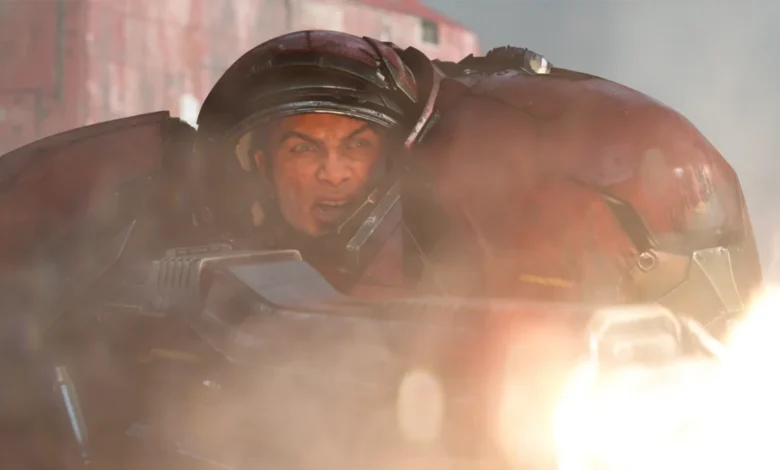
The announcement of a new, open-world StarCraft shooter slated for release in 2030 has emerged as one of the most significant developments in modern gaming, breathing new life into a legendary intellectual property that has remained largely dormant in the real-time strategy space for over a decade. Set to be a focal point of BlizzCon 2026, the upcoming title represents a major strategic pivot for Blizzard Entertainment. By transitioning the classic sci-fi franchise from its traditional top-down RTS perspective into an immersive, ground-level shooter, the publisher hopes to fundamentally expand the universe’s narrative boundaries and chart a fresh course for the timeline.
Beyond its forward-looking ambitions, the 2030 project carries immense symbolic weight for the development studio, serving as a long-delayed opportunity to rectify the legacy of one of the industry’s most notorious canceled titles: StarCraft: Ghost. First announced over two decades ago, Ghost sought to achieve a remarkably similar goal—delivering a grounded, narrative-driven experience within the brutal Koprulu Sector. The historical struggles, structural missteps, and ultimate abandonment of that project offer a crucial roadmap for Blizzard’s contemporary development teams, dictating both the immense pressures and strategic imperatives surrounding the 2030 release.
A Historical Retrospective: The Rise and Fall of StarCraft: Ghost
The saga of StarCraft: Ghost began at the turn of the millennium, a period when Blizzard sought to capitalize on the runaway success of 1998’s original StarCraft and its acclaimed 1998 expansion, StarCraft: Brood War. Announced in 2002 as a multi-platform release spanning the PlayStation 2, Xbox, and Nintendo GameCube, Ghost was designed as a third-person tactical stealth-action game. Players would step into the boots of Nova Terra, a lethal psychic espionage agent, operating from a ground-level perspective that contrasted sharply with the macroscopic view of the mainline RTS entries.
However, the development cycle of StarCraft: Ghost quickly devolved into a textbook case of production hell. Originally slated for release in 2003, the title suffered repeated delays under its initial developer, Nihilistic Software. By 2004, development responsibilities were transferred to Swingin’ Ape Studios in an effort to salvage the project and adapt it for the impending arrival of seventh-generation video game consoles. Despite generating significant consumer interest and featuring prominently at trade events like E3, technical hurdles, shifting industry standards, and changing corporate priorities at Blizzard eventually led to an indefinite suspension of the project.
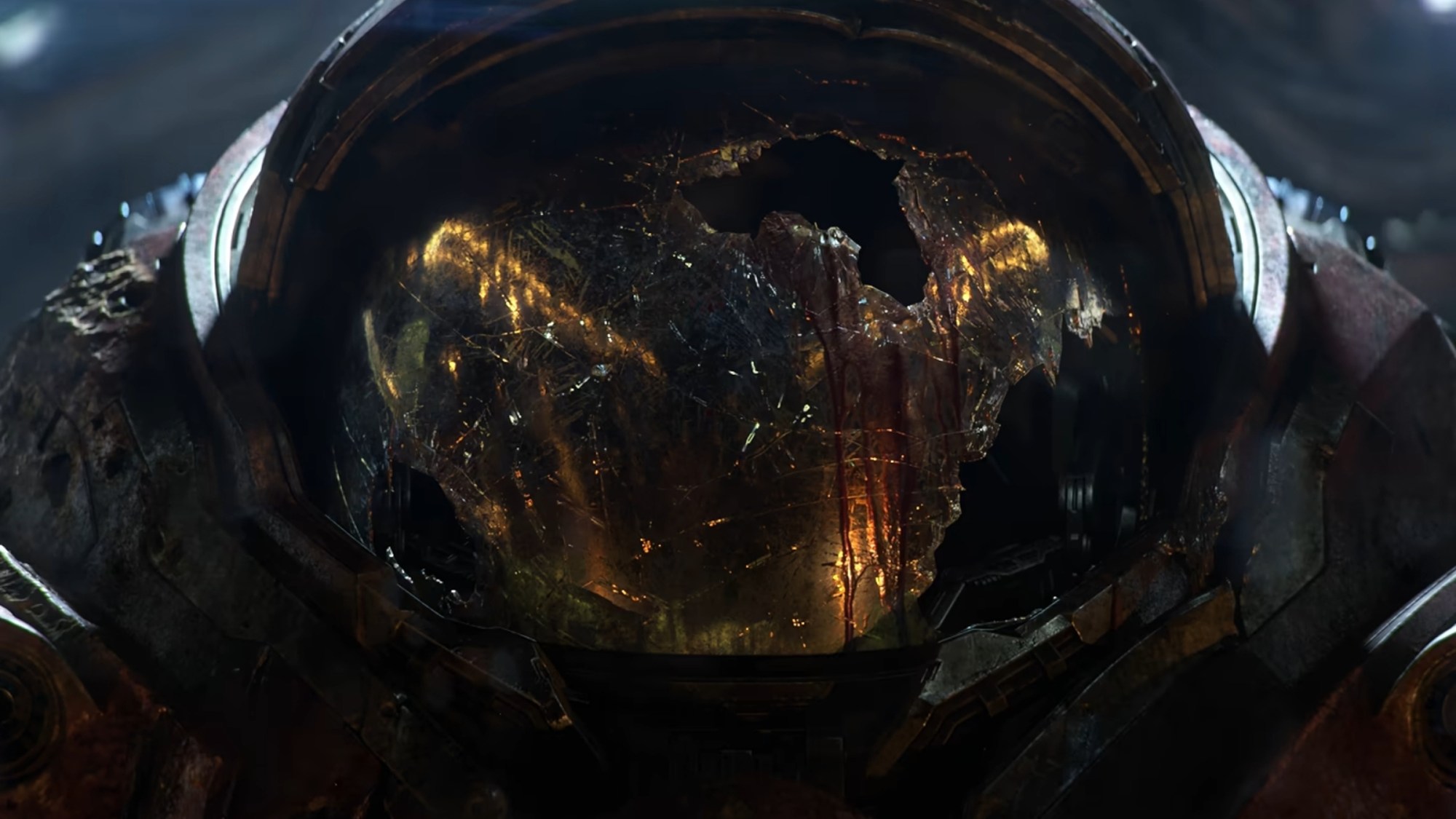
While Blizzard officially maintained for years that the game was merely "on hold," the reality of its cancellation became increasingly apparent. In 2014, then-CEO Mike Morhaime formally confirmed that StarCraft: Ghost had been permanently canceled. Despite its cancellation, the character of Nova endured, ultimately finding a home as a central figure in StarCraft II’s campaign and headlining the 2016 "Nova Covert Ops" downloadable content pack. The fascination surrounding Ghost persisted among the gaming community for decades, a phenomenon powerfully underscored in 2020 when an early build of the Xbox version leaked online, immediately going viral and demonstrating that public appetite for a ground-level StarCraft experience had never truly dissipated.
Navigating the Shadow of Past Failures
As Blizzard lays the groundwork for the 2030 StarCraft shooter, the specter of the Ghost fiasco hangs over the studio. Industry analysts note that reviving a dormant, highly anticipated sub-genre carries inherent risks, particularly given the modern gaming landscape’s high production costs and prolonged development cycles.
The primary lesson learned from the Ghost era is the danger of protracted development hell and studio handoffs. By securing an early announcement window at BlizzCon 2026 for a targeted 2030 launch, Blizzard appears to be affording its current development teams ample runway. This extended timeline aims to prevent the rushed pivots and technical bottlenecks that ultimately doomed Swingin’ Ape Studios’ iteration two decades ago.
Furthermore, market expectations for triple-A shooters have evolved dramatically since the early 2000s. While Ghost was heavily influenced by contemporary stealth titles of its era—such as Tom Clancy’s Splinter Cell and Thief—the 2030 project is positioned to embrace a broader open-world scope. This approach seeks to capture the immense scale of StarCraft’s planetary conflicts rather than confining the player to linear, stealth-oriented corridors.
Expanding the Koprulu Sector: Narrative and Gameplay Implications
For nearly thirty years, the appeal of the StarCraft universe has rested upon its rich, albeit distant, worldbuilding. From the bureaucratic corruption and brutal infighting of the Terran Confederacy and Dominion to the bio-mechanical horrors of the Zerg Swarm and the ancient, dogmatic splendor of the Protoss, the franchise boasts a deeply textured lore. However, players have historically experienced these elements through a detached lens, observing planetary cataclysms from high above as commanders moving digital armies.
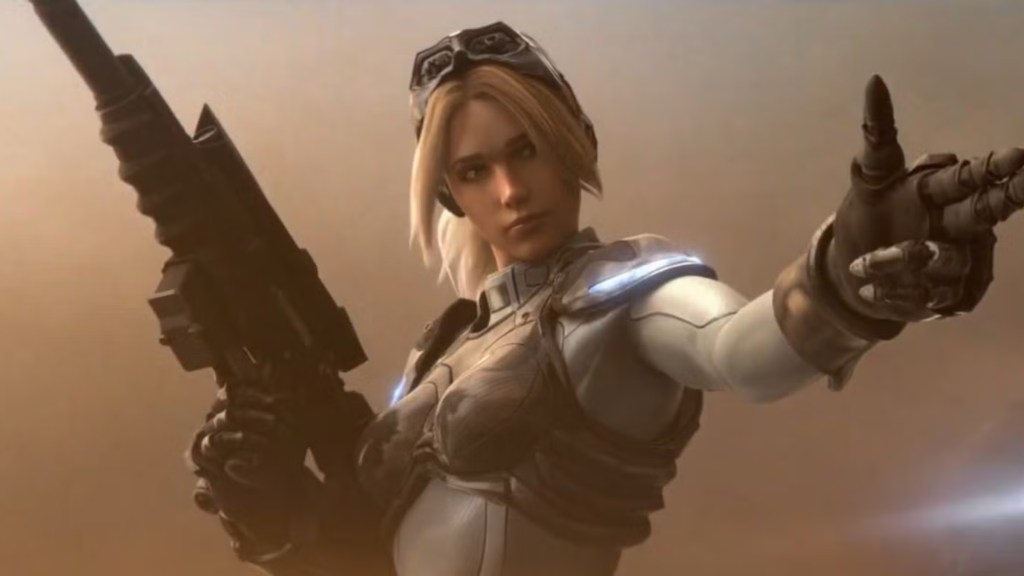
Up-close engagement with the universe has traditionally been restricted to pre-rendered cinematic sequences or specific campaign missions featuring isolated hero units. By adopting an open-world shooter format, the 2030 title bridges this longstanding gap. Players will ostensibly be given the opportunity to explore ruined alien temples, war-torn colonial outposts, and sprawling megacities on foot, transforming abstract strategy concepts into visceral survival experiences.
Industry commentators suggest that this shift could inject much-needed narrative momentum into a franchise that has remained relatively static since the conclusion of the StarCraft II trilogy. Opening up the timeline beyond established historical arcs allows writers to explore new perspectives, shifting away from legendary figures like Jim Raynor and Sarah Kerrigan to focus on ground-level operatives, mercenaries, or ordinary citizens caught in the crossfire of interstellar warfare.
Market Analysis and Strategic Outlook
The commercial stakes for the 2030 StarCraft shooter extend far beyond a single software release; they represent a critical test of Blizzard’s ability to successfully diversify its premier intellectual properties outside of their foundational genres. Following major corporate restructurings and its integration into Microsoft’s gaming division, the publisher faces increasing pressure to deliver high-impact, narrative-driven experiences that resonate with modern audiences.
From an economic perspective, the shooter market remains fiercely competitive, dominated by live-service giants and established multiplayer franchises. To stand out, Blizzard’s upcoming title will need to leverage its formidable storytelling pedigree, utilizing the grim, atmospheric weight of the StarCraft universe to differentiate itself from generic sci-fi shooters.
If executed successfully, the game has the potential to revitalize the brand, attracting a new generation of players while honoring the foundational lore that captivated millions of strategy fans over the past three decades. Conversely, another misstep with a non-RTS StarCraft project could permanently close the door on future attempts to explore the universe outside of traditional strategy games. As development ramps up following its formal introduction at BlizzCon 2026, all eyes within the gaming industry will remain fixed on Blizzard’s execution, watching to see whether the studio can finally deliver the definitive ground-level StarCraft experience that fans have awaited for nearly thirty years.