Sony Blocks The Last of Us Part II Multiplayer Mod Marking a New Chapter in the Ongoing Tensions Between Developers and Fan Creators

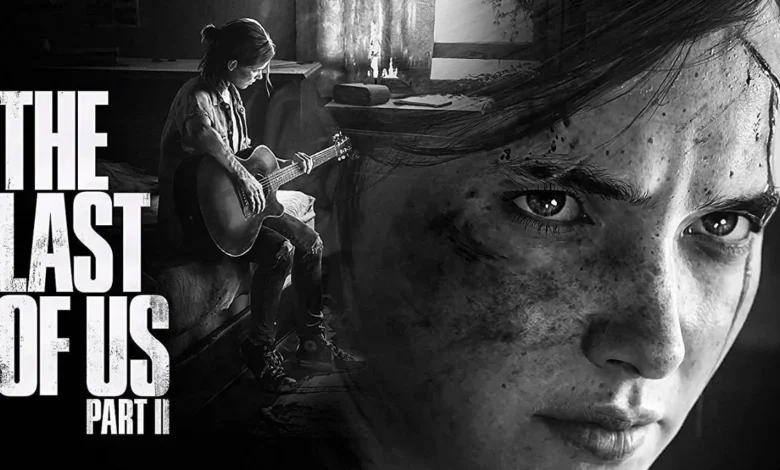
The landscape of video game modification has long existed in a complex legal and creative grey area, but the recent intervention by Sony Interactive Entertainment regarding a highly anticipated community project for The Last of Us Part II has reignited debates over intellectual property rights and developer autonomy. In September 2026, popular modder Speclizer announced that he had received a formal cease-and-desist request from Sony, effectively terminating the public release of a multiplayer mod that had been in active development since January of the same year. This development arrives against the backdrop of a broader industry trend where major publishers are increasingly protective of their proprietary assets, even when those assets are being repurposed by enthusiasts to provide content that the original developers have officially abandoned.
The project, which had garnered significant attention on social media and YouTube, promised to bring a functional, competitive multiplayer experience to a game that was designed primarily as a single-player, narrative-driven experience. For many, the mod represented a glimmer of hope following the official cancellation of Naughty Dog’s standalone multiplayer project, The Last of Us Online, which had been abandoned by the studio in late 2023.
A Chronology of the Mod’s Development and Cancellation
The trajectory of the mod began in January 2026, when Speclizer, a creator known for his technical deep dives into Naughty Dog’s code, unveiled his intent to build a multiplayer framework for The Last of Us Part II. Over the ensuing nine months, the project grew from a conceptual prototype into a feature-rich modification.
By mid-2026, the mod featured a fully operational load-out system, allowing players to customize their weapons and skill sets in a manner reminiscent of the original Factions mode from the 2013 game. As the development progressed, Speclizer showcased five distinct maps, a rudimentary yet functional leaderboard system, and a suite of animations and assets extracted from the game’s existing engine.
The anticipation culminated in September 2026, when the mod was slated for a public release. However, just days before the scheduled launch, Sony Interactive Entertainment intervened. The legal correspondence requested that the project be scrapped, citing the protection of their intellectual property. Speclizer addressed his community shortly thereafter, confirming that the mod would not be released and expressing regret that the work would never reach the players who had supported the project throughout the year.
The Context of The Last of Us Online Cancellation
To understand the intensity of the community response, one must look back at the events of 2023. Naughty Dog, the studio behind the franchise, had spent years working on a standalone multiplayer project intended to expand the universe of The Last of Us. After significant investment and internal development, the studio announced in December 2023 that the project would be cancelled.
Naughty Dog’s official statement at the time cited a strategic shift. The studio concluded that to support the ambitious scope of The Last of Us Online, they would have been forced to dedicate all their studio resources to post-launch service support for years to come. Ultimately, the studio opted to prioritize their core competency: single-player, narrative-driven action games. For the fanbase, this was a major disappointment, as it left the popular multiplayer mechanics of the first game without a successor in the modern engine. The vacuum left by this cancellation is precisely what motivated independent creators like Speclizer to attempt to build their own solutions, highlighting a persistent disconnect between developer priorities and player desires.
Legal Complexities and the Role of Patreon
The intervention by Sony is rooted in established legal precedents regarding copyright. While many modders operate under the assumption that their work is protected as "fair use" or transformative content, the situation becomes legally perilous when monetization is involved.
Speclizer maintained a Patreon account, which, while not directly charging for the mod itself, provided a financial link between the creator and his projects. From a corporate legal perspective, this creates a clear demarcation between a hobbyist project and a commercial venture. Sony’s legal team has consistently maintained a zero-tolerance policy toward the unauthorized use of their assets, particularly when those assets are distributed through channels that involve financial transactions. By hosting a Patreon, creators often inadvertently remove the "non-commercial" defense that many modders rely upon. This case serves as a reminder to the modding community that even with a non-profit intention, the mere association with financial platforms can trigger aggressive legal action from intellectual property holders.
Industry Implications and the Future of Modding
The suppression of the The Last of Us Part II multiplayer mod is not an isolated incident but rather part of a larger trend in the gaming industry. As games become more complex and their assets more valuable, publishers like Sony, Take-Two Interactive, and Nintendo have become increasingly vigilant in monitoring the digital space.
The implications for the modding community are significant. When major studios cancel features that fans clearly desire, the natural outcome is for the community to attempt to fill that void. When those attempts are blocked, it creates friction between the consumer base and the publisher. Critics of Sony’s move argue that the publisher is not providing the requested content, nor are they allowing the community to provide it, resulting in a net loss of value for the players.
Conversely, industry analysts suggest that companies must maintain strict control over their assets to protect brand integrity and prevent potential security vulnerabilities that can arise from third-party code. Furthermore, as Sony moves toward potential live-service models for future titles, allowing unauthorized multiplayer modifications could be viewed as a threat to their future business strategy.
The Community Response and Sentiment
The sentiment within the The Last of Us fanbase has been overwhelmingly negative following the announcement of the cancellation. On forums and social media, users have expressed frustration that a title with such massive success—The Last of Us Part II remains one of the best-selling and most critically acclaimed games in the PlayStation library—lacks a multiplayer component that was a staple of the original experience.
The incident has also prompted a wider discussion regarding the sustainability of the "games as a service" model. While developers are increasingly moving away from multiplayer modes in favor of single-player experiences, they are simultaneously alienating a segment of the audience that values the longevity and social interaction provided by competitive modes.
Analyzing the Path Forward
Looking toward the future, the relationship between modders and major studios is likely to remain contentious. For developers like Speclizer, the focus now shifts to original intellectual property. In his statement regarding the cancellation, Speclizer mentioned moving on to his own projects, suggesting that the experience, while disheartening, may serve as a catalyst for independent game development.
The event serves as a definitive case study in the power dynamics of the modern gaming industry. It highlights that no matter how sophisticated a mod becomes or how much demand exists for a feature, the legal ownership of the game engine and its assets rests solely with the publisher. For the community, the loss of the multiplayer mod is a missed opportunity for player-driven innovation, but for the corporate entity, it is an exercise in risk management and intellectual property enforcement.
As the gaming industry continues to evolve, the tension between the "modding spirit"—which seeks to extend the life and utility of games—and the "corporate interest"—which seeks to control and monetize intellectual property—will likely continue to define the boundaries of digital creativity. Whether this will lead to more restrictive modding policies or, conversely, a new era of official mod support programs, remains to be seen. For now, The Last of Us Part II remains a single-player experience, and the multiplayer dreams of its community remain firmly locked behind the closed doors of corporate policy.