Zach Cregger’s New Resident Evil Film Proves Video Game Adaptations Can Finally Transcend Their Source Material

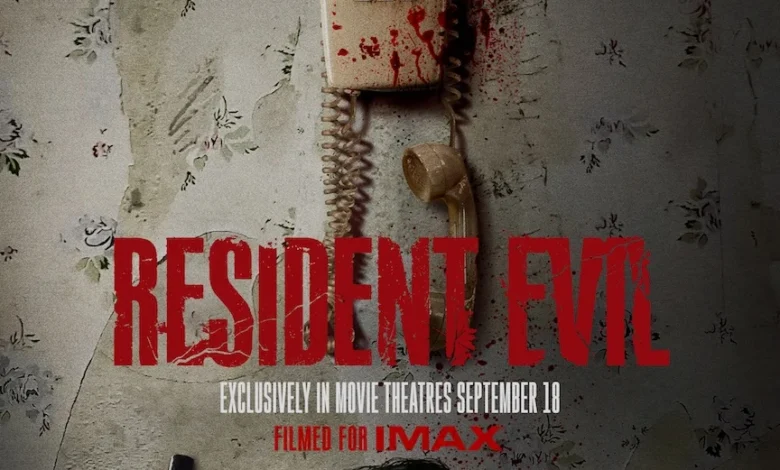
The cinematic landscape of video game adaptations has long been fraught with disappointment, marked by decades of convoluted storylines, lacklustre box office performances, and severe alienation of core fan bases. However, the release of Sony and Columbia Pictures’ new Resident Evil feature film—directed by acclaimed Barbarian and Weapons filmmaker Zach Cregger from a screenplay co-written with Shay Hatten—marks a critical turning point for the genre. Starring Austin Abrams, Zach Cherry, and Kali Reis, the 2026 adaptation has successfully navigated the treacherous waters of translating interactive horror into a linear cinematic experience. Despite initial online skepticism from purists regarding narrative divergences from Capcom’s beloved survival horror franchise, Cregger’s film has emerged not only as a triumph of modern horror filmmaking, but arguably as the finest movie ever derived from a video game property.
Main Facts and Narrative Framework
Unlike Cregger’s previous directorial outings, which frequently employed intricate, achronological storytelling and disorienting narrative structures, Resident Evil adopts a straightforward, relentlessly paced linear trajectory. This stylistic choice deliberately mirrors the classic survival horror video game experience, thrusting audiences into a continuous, white-knuckle gauntlet of escalating terror and high-stakes survival.
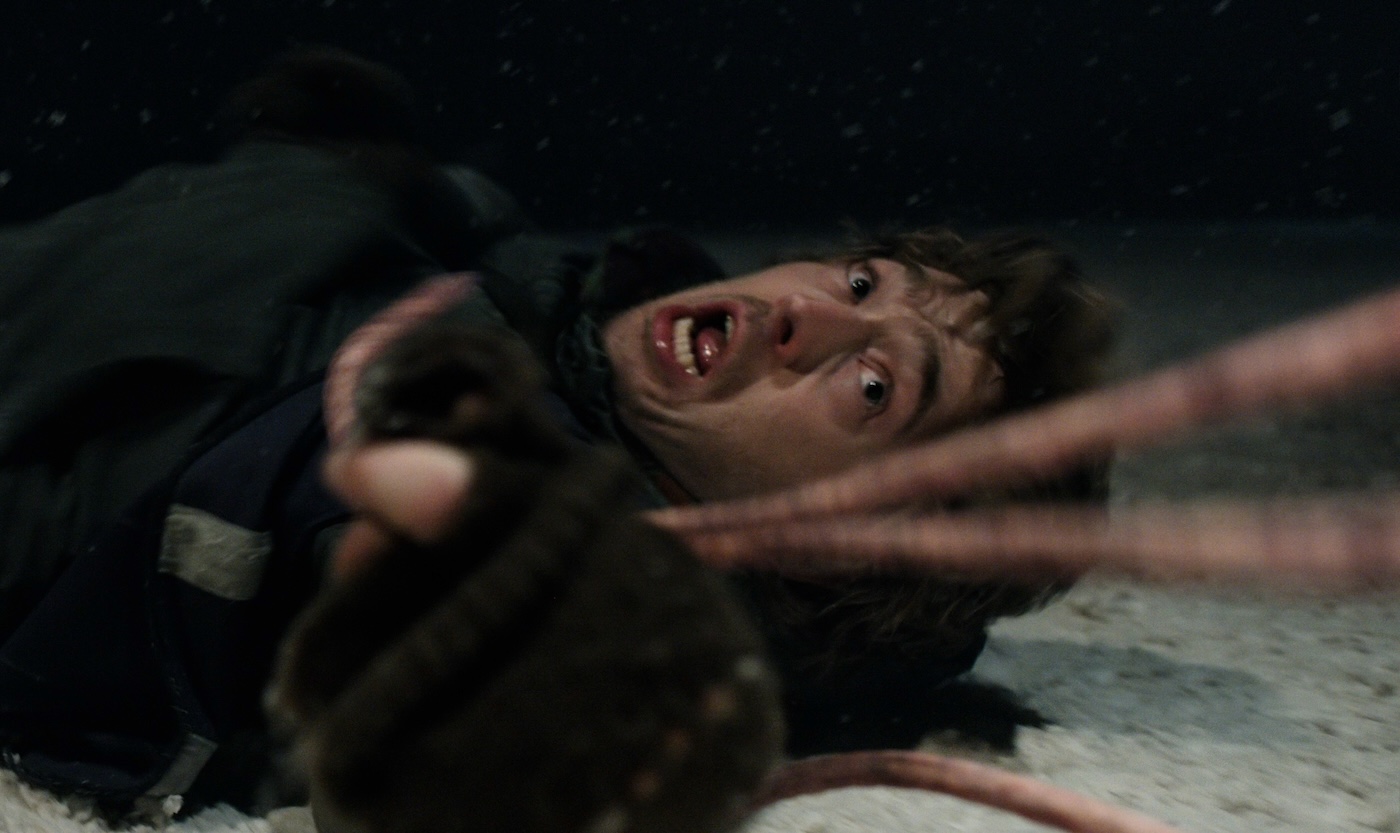
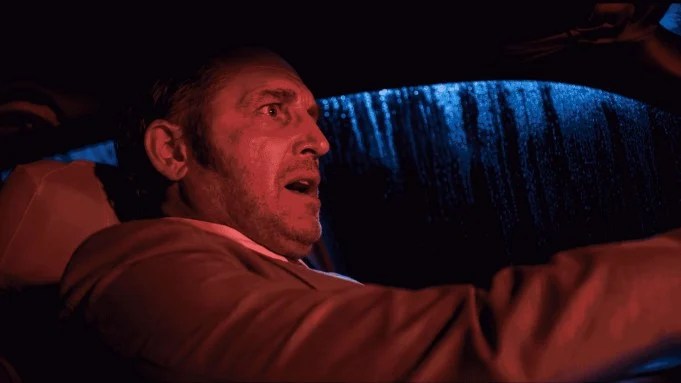
The film centers on Bryan, portrayed by Austin Abrams, an ordinary courier caught in extraordinary circumstances. Under pressure from mounting personal troubles—specifically a strained relationship with his pregnant girlfriend—Bryan accepts a lucrative, last-minute double-paying gig on a frigid winter night. His task seems deceptively simple: deliver a classified medical package to an isolated corporate facility situated deep within the infamous Raccoon City. However, unequipped for both the harsh weather and the cascading horrors that await him, Bryan’s routine delivery swiftly transforms into a relentless fight for survival.
Following a harrowing roadside collision with a disoriented, weather-inappropriate woman, Bryan finds himself stranded at a remote, foreboding homestead. There, he is besieged by a vicious, mutated hound and encounters human occupants whose status as living, breathing people quickly becomes ambiguous. At every turn, Bryan’s compounding poor decisions in life-threatening scenarios amplify the tension, establishing Abrams as an exceptionally relatable audience surrogate. Rather than playing the escalating madness purely for campy laughs, Cregger roots the dark comedy of Bryan’s sheer disbelief and stark terror in authentic human reactions, never undercutting the genuine menace of the monstrosities on screen.

Chronology of Production and Fan Reception
The journey of Resident Evil to the big screen under Cregger’s stewardship began amid heightened anticipation following the breakout success of his original horror hits Barbarian and Weapons. When Sony and Columbia Pictures announced that Cregger would helm a fresh cinematic take on the long-running Capcom franchise, the reaction from the online fan community was predictably polarized.

Initial announcements in early development cycles sparked familiar debates over canon, character inclusion, and fidelity to the original PlayStation titles. Critics of the announcement pointed to past cinematic iterations—most notably Paul W.S. Anderson’s six-film franchise starring Milla Jovovich as the original character Alice—as cautionary tales of how Hollywood frequently discards established lore. However, industry analysts and early reviewers quickly drew parallels, noting that Anderson’s creation of Alice proved that strict canon adherence is not a mandatory prerequisite for cinematic success.
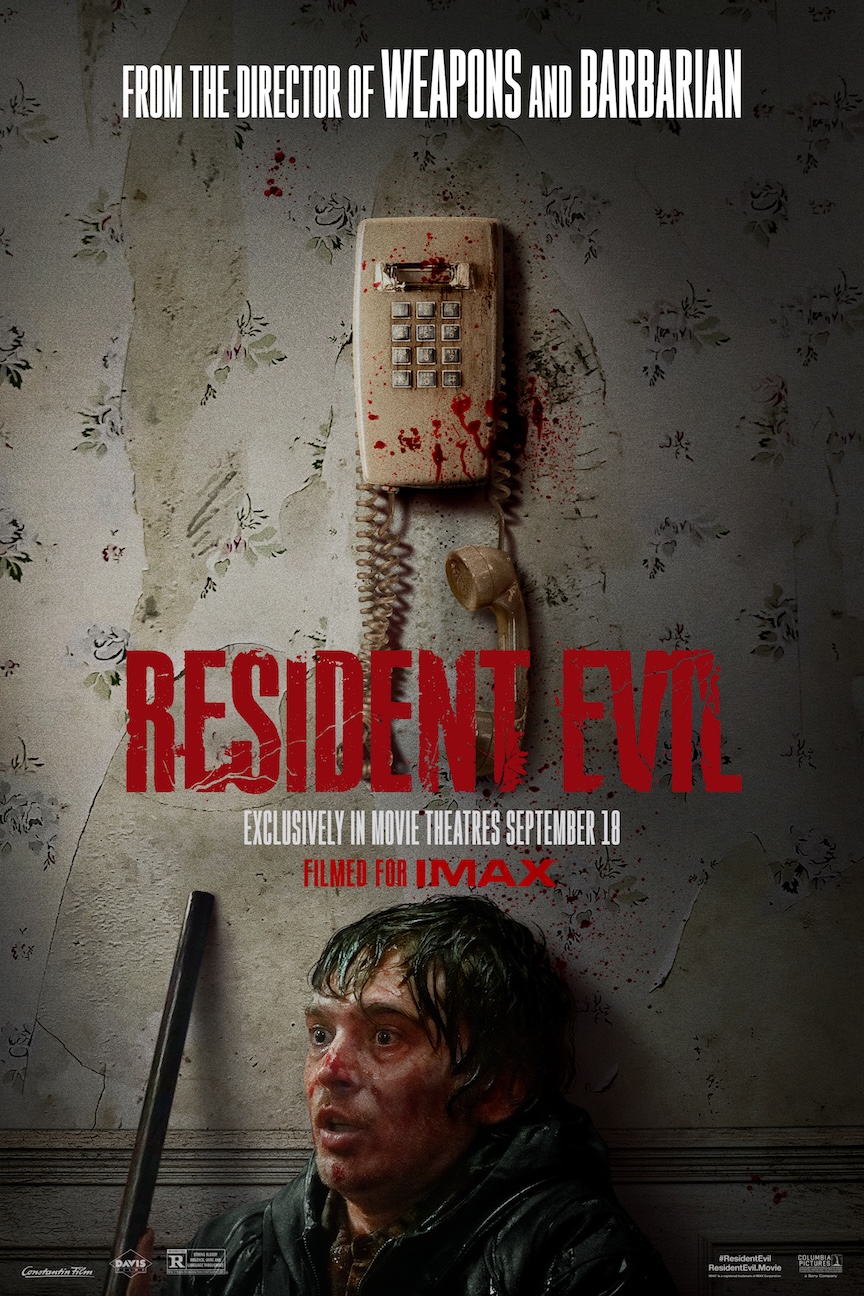
As production progressed through late 2025 and early 2026, details emerged regarding Cregger’s deliberate balance between honoring the franchise’s atmospheric roots and carving out an independent narrative path. The release of the official 4K trailer in mid-2026 solidified public perception, showcasing a gritty, visually arresting aesthetic that prioritized visceral terror, practical creature effects, and intense psychological dread over hollow fan service. Upon its September 2026 theatrical premiere, the film effectively silenced its harshest critics by delivering a self-contained nightmare that respects the foundational mood of the games while demanding zero prior institutional knowledge from the ticket-buying public.

Supporting Data, Production Design, and Craftsmanship
The technical execution of Resident Evil relies heavily on the collaboration between Zach Cregger and legendary cinematographer Dariusz Wolski. Wolski, whose extensive and revered filmography spans dark atmospheric milestones such as The Crow alongside the majority of Ridley Scott’s 21st-century output, drenches the film in an oppressive, gloomy visual palette. The roving, swerving camera work actively disorients the viewer, creating an atmosphere where a fresh, shocking mutation or jump-scare threatens to emerge from the shadows at any given second.
The creature design stands as a monumental achievement in modern monster-making, blending old-school practical craftsmanship with seamless digital integration. The physical monstrosities—featuring rapidly mutating humans and animals sprouting grotesque, writhing appendages—were brought to life primarily by the master artisans at Legacy Effects. These practical builds were subsequently enhanced by cutting-edge digital work from Weta Digital and other premier visual effects houses. This hybrid approach ensures that the horrors possess a tangible, fleshy realism that purely computer-generated antagonists often lack.
From a structural standpoint, the film embraces simplicity as a virtue rather than a limitation. While Abrams carries the narrative weight as a near one-man show, supporting performances from Kali Reis and Paul Walter Houser—who portray doomed members of an elite Umbrella Corporation containment team—add brief, intense bursts of tactical action before the grim realities of Raccoon City’s outbreak decimate their ranks. Cregger even incorporates subtle stylistic nods to the medium’s interactive roots, including brief first-person-shooter perspective sequences that place the audience directly behind Bryan’s desperate eyes.
Official Responses and Industry Analysis
While formal box office tallies are still developing in the wake of its mid-September release, early industry consensus points toward a major commercial and critical success for Sony and Columbia Pictures. Studios have historically struggled to maintain critical acclaim while satisfying commercial mandates for video game adaptations, but Resident Evil has shattered that glass ceiling.
Industry analysts suggest that Cregger’s auteur-driven approach offers a viable blueprint for future intellectual property adaptations across Hollywood. By handing massive corporate properties to visionary filmmakers with distinct directorial voices—rather than assembly-line studio directors constrained by committee oversight—studios can produce genre films that resonate with general audiences while retaining artistic integrity.
Furthermore, statements from participating creative teams indicate that the production was designed from the ground up to operate independently of multi-movie cinematic universes. While the universe of Resident Evil is vast—encompassing decades of video games, expansive novelizations, and tie-in media—Cregger’s insistence on a self-contained narrative allows the film to function brilliantly as a standalone cinematic experience.

Broader Impact and Implications for the Horror Genre
The triumphant release of Resident Evil in September 2026 carries significant implications for both the horror genre and the broader business of Hollywood IP management. For years, horror fans have lamented the sanitization of classic monster properties in favor of PG-13 safety nets and formulaic franchise-building. Cregger’s uncompromisingly dark, R-rated vision proves that major studios are increasingly willing to embrace hard-edged, director-led genre filmmaking at scale.

Moreover, the film redefines the ceiling for video game adaptations. Following critical darlings and box office hits like television’s The Last of Us and various animated milestones, the cinematic sector has frequently lagged behind. By proving that a movie can honor the visceral dread, relentless pacing, and environmental claustrophobia of a survival horror game without becoming a slavish checklist of Easter eggs, Resident Evil sets a new benchmark.
As the fall box office season progresses, the film’s enduring cultural footprint will likely be measured not just in ticket sales, but in how it alters the conversation surrounding source material fidelity. Zach Cregger has demonstrated that the most respectful way to adapt a beloved video game is not to carbon-copy its mechanics, but to capture its beating heart and let a master filmmaker unleash it upon the screen in all its terrifying glory.
Related posts: