The legacy of the Friday the 13th franchise is poised for a significant expansion with the arrival of the Peacock original series Crystal Lake. Serving as a prequel to the storied slasher film lineage that began in 1980, the project aims to deconstruct the origins of the franchise’s inaugural antagonist, Pamela Voorhees. By shifting the focus from the mask-wearing, supernatural entity that defined the series to the human tragedy that preceded it, the eight-episode production promises to offer a granular look at the motivations of a grieving mother whose actions would ultimately define the genre for decades.
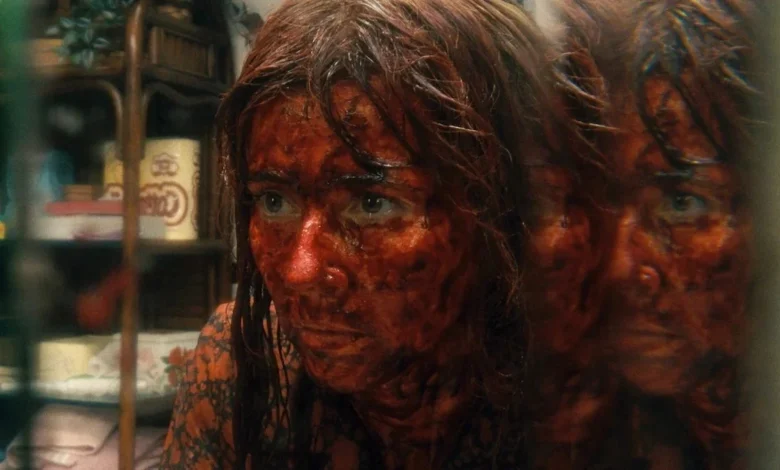
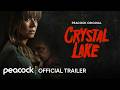
The official trailer for the series, released ahead of the October 15 premiere, suggests a narrative that balances reverence for the source material with a desire to chart new territory. Starring Linda Cardellini as the titular matriarch, the show explores the period immediately following the drowning of her son, Jason Voorhees, at Camp Crystal Lake. While the original 1980 film by Sean S. Cunningham utilized Pamela Voorhees primarily as a vessel for revenge, the television series seeks to provide a comprehensive psychological profile, investigating the domestic life and local tensions of the town before the arrival of counselors and the subsequent bloodbath.
Chronology and Narrative Framework
The narrative of the Friday the 13th universe is notoriously complex, characterized by multiple timelines and retcons. To understand the significance of Crystal Lake, one must look at the established chronology. In the original 1980 film, Jason Voorhees is established as having drowned in 1957 due to the negligence of camp counselors. Pamela Voorhees’ subsequent killing spree, occurring in 1979, was motivated by a singular, obsessive quest to prevent the reopening of the camp.
Crystal Lake functions as the immediate precursor to these events. According to the synopsis provided by Peacock, the series begins nearly a year after Jason’s death. The plot hinges on the arrival of two mysterious figures who begin to probe into the history of the Voorhees family, effectively forcing Pamela to confront the unresolved trauma of her son’s death. This structural choice suggests that the series will operate as a slow-burn psychological thriller rather than a conventional slasher, focusing on the social ostracization and internal unraveling of a woman trapped by her grief.
Cast, Production, and Creative Leadership
The production of Crystal Lake has been marked by a high degree of creative oversight. Brad Caleb Kane, known for his work on the expansive horror-drama It: Welcome to Derry and the critically acclaimed series Warrior, serves as the creator, showrunner, and executive producer. The decision to tap a writer with experience in high-concept genre television signals an intention to elevate the source material beyond the typical tropes associated with the slasher sub-genre.
Linda Cardellini leads a cast that includes William Catlett, Devin Kessler, Cameron Scoggins, and Gwendolyn Sundstrom as series regulars. The ensemble is bolstered by a recurring cast featuring Callum Vinson, Nick Cordileone, Joy Suprano, Danielle Kotch, and Phoenix Parnevik. The casting of Cardellini, an actress known for dramatic range in projects such as Bloodline and Dead to Me, reinforces the production’s intent to ground the horror in a believable, albeit dark, domestic reality.

Contextualizing the Horror Legacy
The Friday the 13th franchise remains one of the most successful independent horror properties in cinematic history. Since the premiere of the original film—which was produced on a budget of approximately $550,000 and went on to gross nearly $60 million globally—the series has spawned twelve feature films, a television series, novels, and various comic book adaptations.
However, the franchise has remained dormant on the screen since the 2009 reboot. The legal complexities regarding rights ownership—a long-standing dispute between screenwriter Victor Miller and director Sean S. Cunningham—stalled development for over a decade. The successful resolution of these legal hurdles has paved the way for A24 and Peacock to develop this prequel, marking the first time in fifteen years that the intellectual property has been utilized in a long-form narrative format.
Analysis of Thematic Implications
The introduction of this prequel series represents a shift in how legacy horror franchises are being managed in the modern streaming era. Studios are increasingly moving away from simple sequels or reboots in favor of origin-based world-building. By focusing on the "pre-mask" era, Crystal Lake avoids the fatigue associated with repetitive slasher cycles while capitalizing on the audience’s deep-seated familiarity with the Voorhees name.
The trailer for the series hints at several key thematic pillars:
- The Burden of Grief: The show treats the loss of a child as the central engine for its horror, exploring the psychological toll of such a tragedy in a small, isolated community.
- The "Stranger" Catalyst: By introducing characters who actively investigate the Voorhees history, the show introduces a procedural element that may allow for a broader exploration of the town of Crystal Lake than previous films allowed.
- Foreshadowing and Iconography: The inclusion of visual nods—the blue sweater, the machete, and the recurring imagery of the mask—serves as a connective tissue for long-time fans, acknowledging the mythos without relying entirely on it for momentum.
The focus on the "mask" in the promotional material is particularly telling. In the original films, the hockey mask did not become Jason’s signature accessory until the third installment. By having Pamela reference the concept of a "mask" early on, the series may be attempting to recontextualize the symbol, turning it from a mere prop into a psychological totem of the family’s legacy.
Audience Reception and Industry Expectations
Market analysis suggests that the horror genre remains a primary driver for subscription-based video-on-demand (SVOD) platforms. Data from recent industry reports indicates that horror content consistently ranks within the top three most-watched categories on major platforms due to high re-watchability and strong social media engagement.
The choice of a mid-October release date for Crystal Lake aligns with the industry-wide push to maximize horror viewership during the Halloween season. By releasing all eight episodes simultaneously, Peacock is positioning the series as a "binge-worthy" event. Industry experts anticipate that the series will serve as a bellwether for how legacy slasher properties can be transitioned into prestige television. If successful, the model of the "character-focused origin series" could become the standard for dormant franchises looking to regain cultural relevance without the limitations of a traditional feature-film runtime.
The Role of the Showrunner
Brad Caleb Kane’s involvement is a critical factor in the project’s development. His previous work demonstrates a proficiency in world-building and character-driven storytelling, qualities necessary to sustain a multi-episode arc. In a recent press statement regarding the development of the series, representatives for the production team emphasized that the focus is on "the humanity of the monster," suggesting a tone that is more akin to a character study than a standard slasher.
This approach is not without its risks. Fans of the Friday the 13th franchise have often gravitated toward the series for its visceral horror and inventive kills. By pivoting toward the internal life of Pamela Voorhees, the series risks alienating segments of the audience that prefer the fast-paced, high-body-count nature of the films. However, the decision to hire a showrunner with a strong background in drama suggests that the production is prioritizing long-term narrative engagement over the immediate gratification of genre tropes.
Broader Impact on the Horror Genre
The production of Crystal Lake occurs at a time when the horror genre is experiencing a "prestige" renaissance. With recent films and series attempting to deconstruct the "final girl" trope or explore the socio-political underpinnings of suburban fear, Crystal Lake is entering a crowded, sophisticated market.
The series is also significant for its potential to bridge the gap between legacy audiences and a younger generation of viewers. By providing an origin story, it offers an entry point for viewers who may have found the older films inaccessible or dated, while simultaneously rewarding the die-hard fans who have kept the franchise alive through decades of legal stagnation.
As October 15 approaches, the anticipation surrounding the series continues to grow. Whether Crystal Lake will succeed in humanizing one of horror’s most notorious figures remains to be seen. However, the commitment to production value, the depth of the creative team, and the focus on the foundational tragedy of the Voorhees family suggest that the project is aimed at more than just a quick cash-in. It is a deliberate effort to re-establish the Friday the 13th brand as a serious narrative force in contemporary media. The town of Crystal Lake, and the secrets buried beneath its surface, will finally be given the narrative space they have demanded for nearly half a century.