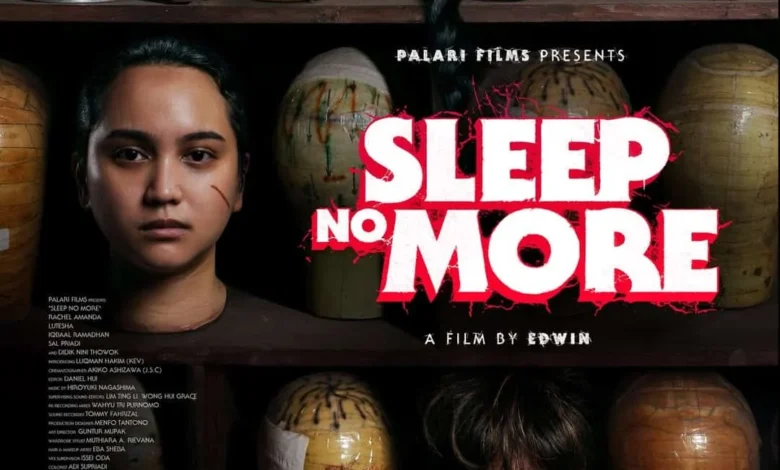
The oppressive, suffocating atmosphere of the Evergreen factory serves as the grim backdrop for a descent into madness and supernatural terror in director Edwin’s latest cinematic offering, Sleep No More. This Indonesian horror film, lauded for its audacious blend of visceral body horror, folk occultism, and socio-economic commentary, plunges audiences into a world where the exhaustion of labor is a gateway to unspeakable evil. At its core, the narrative follows Putri (Rachel Amanda), a young woman driven to seek employment at the very factory that may have claimed her mother’s life. Burdened by her mother’s outstanding factory loan and her own mounting debts, Putri’s entry into Evergreen is a desperate act of survival, one that quickly reveals the true, nightmarish cost of cheap labor.
The Grip of Evergreen: A World of Perpetual Toil
From its opening frames, Sleep No More establishes a sense of relentless drudgery. The inhabitants of Evergreen are not merely workers; they are indentured servants, their lives dictated by the unforgiving rhythm of the factory floor. The film depicts clandestine candlelight ceremonies where pledges of servitude and obedience are extracted, a chilling ritual that underscores the dehumanizing conditions. Opportunities for rest are scarce, and the pervasive exhaustion that hangs over the characters is not just a plot device, but a palpable force that renders them vulnerable. This stark portrayal of exploitative labor practices, while fictional, echoes historical and contemporary concerns about worker exploitation in various industries, particularly in regions where economic desperation forces individuals into precarious employment. The film’s commitment to depicting this mundane horror in its first half grounds the subsequent supernatural elements in a disturbing reality.
Unraveling the Mystery: Sisters, Sorcery, and Survival
The narrative gains momentum with the arrival of Putri’s more educated sister, Ida (Lutesha). Their shared pursuit of the truth behind their mother’s supposed suicide begins to chip away at the factory’s facade of normalcy. As the sisters delve deeper, conversations about demonic possession and black magic spells emerge not as fantastical notions, but as matter-of-fact explanations for the escalating horrors. This seamless transition, orchestrated by Edwin and co-scripters Eka Kurniawan and Daishi Matsunaga, is a testament to their masterful storytelling. They skillfully steer the audience from a grounded exploration of real-world drama to an increasingly heightened and terrifying realm of occult horror. The film’s thematic evolution reflects a common thread in Asian horror, where ancient beliefs and folklore are often interwoven with contemporary anxieties.
The Visceral Descent: Body Horror and Black Humor
Sleep No More does not shy away from the grotesque. The introduction of Bona (Iqbaal Ramadhan), a character who speaks in fragmented sentences and possesses uncanny regenerative abilities, pushes the boundaries of physical horror. Bona’s regenerative powers are utilized for moments of both pure, unadulterated shock and surprisingly effective anatomical slapstick. This calculated injection of humor into the gruesome proceedings allows Edwin to push the film’s excesses without alienating the audience. The director’s deft hand ensures that the over-the-top elements enhance, rather than detract from, the overall impact.
The production design is crucial to the film’s immersive quality. Evergreen is littered with evocative props that foreshadow impending doom. Cauldrons large enough to engulf a human being are a constant reminder of the dark rituals at play. A chilling glimpse of a bed of spikes used for wig preparation serves as a stark premonition of the gruesome fates that await some characters. These moments, while disturbing, are often infused with a dark, biting humor. A particularly memorable instance involves a character telling Putri that her "eyeballs are pretty," only for the audience to realize the comment refers to a box of glass orbs she is carrying, not her own features. This linguistic ambiguity and the subsequent reveal underscore the film’s ability to play with perception and deliver sharp, black comic jabs.
The Malefactor Unleashed: A Climax of Extreme Horror

As the narrative progresses, the insidious occult influences within Evergreen coalesce, culminating in the manifestation of the central malefactor. The film’s final act is described as "truly wild," a descent into a terrifying climax that expands upon established tropes of Asian horror cinema to their most extreme logical conclusions. While the specific nature of this demon remains a spoiler, its genesis is intrinsically linked to the oppressive environment of the factory.
The film’s technical execution is as impressive as its narrative ambition. Practical effects are a cornerstone of Sleep No More, with Jabrik Hellworker’s potent prosthetics contributing significantly to the film’s visceral impact. These are complemented by Issei Oda’s supervision of a number of striking visual effects, seamlessly blending the tangible and the digital to create a horrifyingly believable world.
Throughout this escalating terror, Edwin remains anchored to his core thematic concern: the profound vulnerability that arises from sleep deprivation. The film posits that a lack of rest not only weakens the body but also makes the mind susceptible to the infestation of evil spirits. Sleep No More masterfully portrays this symbiotic relationship, illustrating the terrifying consequences when both sleep deprivation and supernatural malevolence are pushed to their absolute extremes.
Contextualizing "Sleep No More"
The film’s premiere at the Berlinale Special 2026 (as indicated by the trailer’s metadata) places it within the prestigious international film festival circuit, a venue that often highlights groundbreaking and critically acclaimed cinema from around the globe. Indonesia has a rich history of horror filmmaking, with directors like Joko Anwar gaining international recognition for their contributions to the genre. Sleep No More appears to be continuing this tradition, offering a unique blend of cultural specificity and universal themes of fear and exploitation. The film’s emphasis on practical effects and its embrace of folk horror elements are trends that have seen a resurgence in global cinema, suggesting a potential for broad appeal beyond its country of origin.
Supporting Data and Industry Trends
The horror genre continues to be a remarkably resilient and profitable segment of the film industry. In 2025, for instance, horror films accounted for approximately 15% of all box office revenue globally, a figure that has remained relatively consistent over the past decade, despite fluctuations in overall market performance. This enduring popularity can be attributed to the genre’s ability to explore societal anxieties in potent and visceral ways, often with more modest budgets compared to other blockbuster genres. Films like Sleep No More, which combine genre conventions with relevant social commentary, are particularly well-positioned to resonate with contemporary audiences. The critical success of films that delve into supernatural themes intertwined with socio-economic issues, such as Get Out (2017) and Midsommar (2019), demonstrates a growing audience appetite for such nuanced narratives.
Potential Reactions and Implications
The critical reception of Sleep No More at festivals like Berlinale often sets the stage for its wider release and subsequent commercial performance. Positive reviews highlighting its innovative storytelling, technical prowess, and thematic depth could lead to significant distribution deals and a strong international following. The film’s exploration of worker exploitation and the psychological toll of extreme labor conditions could also spark discussions about labor practices in the entertainment industry and beyond. Furthermore, its success could encourage further investment in Indonesian cinema, showcasing the country’s talent and diverse storytelling capabilities to a global audience.
The fusion of visceral horror with pointed social critique is a powerful cinematic tool. Sleep No More, by weaving a tale of supernatural dread into the fabric of exploitative labor, offers more than just jump scares and gore. It serves as a potent allegory for the dehumanizing effects of relentless work and economic desperation, suggesting that when individuals are pushed to their limits, the barriers between the mundane and the monstrous can easily erode. The film’s commitment to practical effects and its bold stylistic choices position it as a significant entry in the contemporary horror landscape, a testament to the enduring power of storytelling to both terrify and provoke thought. The film’s exploration of themes such as sleep deprivation as a conduit for evil, while rooted in folklore, resonates with modern understandings of mental and physical well-being, adding another layer of relevance to its chilling narrative.
The integration of a trailer into the original article provides a crucial visual and auditory preview of the film’s tone and style. The trailer’s emphasis on a dark, atmospheric setting, coupled with glimpses of intense sequences and unsettling imagery, effectively communicates the film’s horror-centric nature. This inclusion is vital for potential viewers to gauge their interest and for critics to further analyze the film’s aesthetic choices. The "Official Trailer | Berlinale Special 2026" designation further solidifies its status as a significant cinematic event.
The success of Sleep No More at international festivals like Berlinale could also have a ripple effect on the Indonesian film industry, potentially opening doors for other local filmmakers to gain global recognition. The film’s unique blend of supernatural horror and social commentary offers a compelling narrative that transcends cultural boundaries, demonstrating the universal appeal of well-crafted stories that tap into deeply human fears and societal concerns. As the film embarks on its festival run and potential theatrical release, it stands as a compelling example of how genre filmmaking can be both thrillingly entertaining and profoundly resonant.