The 2026 FIFA World Cup transcended the realm of athletic competition, solidifying its position as a monumental cultural phenomenon that inextricably linked the global passion for football with the universal language of music. Beyond the thrilling on-field performances by luminaries such as Erling Haaland, Jude Bellingham, and Lamine Yamal, the tournament served as a powerful cultural touchstone, drawing in a diverse audience and amplifying the reach of musical artists worldwide. This synergistic relationship between sport and music was vividly demonstrated through significant viewership numbers and engagement metrics, underscoring a profound cultural convergence.
A Global Spectacle: On and Off the Pitch
The 2026 World Cup, co-hosted across North America, captivated billions with its display of elite athletic talent. Young stars like Norwegian sensation Erling Haaland continued to cement their status as global football icons, while English midfielder Jude Bellingham showcased his burgeoning brilliance on the international stage. The emergence of Spanish prodigy Lamine Yamal further underscored the tournament’s role as a platform for future footballing legends. However, the impact of the World Cup extended far beyond the 90 minutes of play.
The cultural resonance of the tournament was palpable. High-profile artists not only attended matches but actively participated in the celebratory atmosphere. Global pop superstar Dua Lipa was a notable attendee, observed immersing herself in the electrifying energy of the games. Meanwhile, Spanish artist Rosalía provided a vibrant display of national pride, celebrating her country’s victory with characteristic flair and style.
The Inaugural Halftime Spectacle: A Fusion of Icons
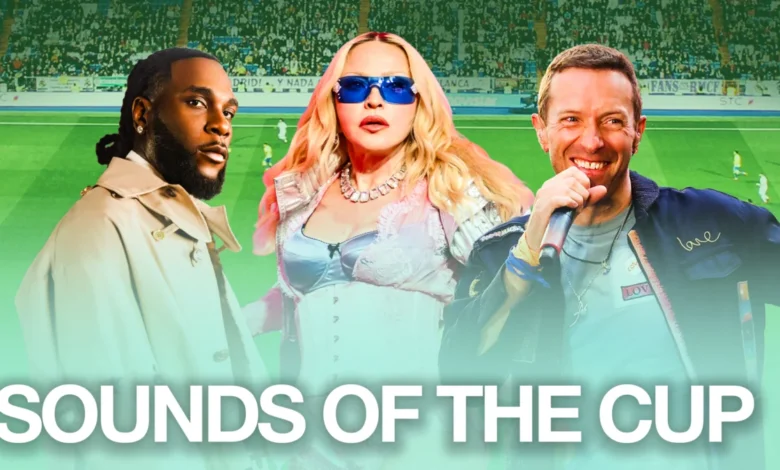
A landmark moment in the history of the World Cup was the introduction of an unprecedented halftime show for the final match. This ambitious spectacle brought together a formidable lineup of international music heavyweights, creating a once-in-a-generation entertainment event. The performance featured legendary pop icon Madonna, the globally acclaimed band Coldplay, Nigerian Afrobeat star Burna Boy, and Canadian superstar Justin Bieber. The elaborate production was further enhanced by a diverse cast of characters, ranging from the fictional football coach Ted Lasso to beloved Muppet characters, underscoring the event’s broad appeal and its intention to unite different facets of popular culture.
This groundbreaking halftime show represented a significant evolution in how major sporting events engage with the entertainment industry. It signaled a deliberate effort to elevate the fan experience by integrating high-caliber musical performances directly into the core narrative of the tournament, particularly during its most climactic moments.
UPROXX’s "Sounds of the Cup": Quantifying the Impact
In parallel with the on-field action and off-field cultural happenings, UPROXX actively documented and amplified the musical dimension of the 2026 World Cup through its dedicated "Sounds of the Cup" playlist. This initiative featured many of the artists who performed during the historic halftime show and other musicians closely associated with the tournament. The results of this engagement were substantial, providing concrete data on the powerful correlation between major sporting events and music consumption.
The "Sounds of the Cup" playlist generated an impressive 28 million total video views, accumulating 77.2 million total minutes watched across its associated content. Furthermore, the initiative garnered a significant 125,800 total engagements, indicating a strong audience connection with the curated musical content. These figures serve as a compelling testament to the fact that every major tentpole event, like the World Cup, possesses a distinct soundtrack, and that sport and culture are intrinsically interwoven with the music that accompanies them.
Background and Context: The Evolving Relationship Between Sport and Music
The 2026 World Cup’s integration of music into its fabric is not an isolated incident but rather an evolution of a long-standing, albeit often less overt, relationship. Historically, football tournaments have featured anthems and songs that become synonymous with specific editions, evoking memories and emotions for fans. Think of Queen’s "We Are The Champions" becoming an unofficial victory anthem for countless sporting triumphs, or Ricky Martin’s "La Copa de la Vida" electrifying the 1998 World Cup in France.
However, the scale and deliberate planning of the musical elements in 2026 marked a new era. The introduction of a formal halftime show for the final, featuring a lineup of global superstars, signifies a strategic move by organizers to harness the immense cultural capital of music to enhance the tournament’s appeal and reach. This approach recognizes that modern audiences, particularly younger demographics, often engage with cultural events through a multi-faceted lens, where music plays a crucial role in shaping their overall experience.
The World Cup, with its unparalleled global reach and diverse audience, presents a unique opportunity for artists to connect with billions of potential fans. Conversely, for the tournament, collaborating with top-tier musicians amplifies its entertainment value, making it more than just a sporting competition; it becomes a global cultural festival.
Timeline of Musical Integration in Major Sporting Events
While the 2026 World Cup’s halftime show was a novel concept for the tournament, the integration of music into major sporting events has a discernible history:
- Early World Cups: Often featured official theme songs, composed by local or international artists, designed to capture the spirit of the host nation and the competition.
- 1998 FIFA World Cup (France): Ricky Martin’s "La Copa de la Vida" (The Cup of Life) became a global phenomenon, demonstrating the power of a World Cup anthem to transcend borders.
- 2002 FIFA World Cup (South Korea/Japan): Featured a diverse soundtrack, reflecting the co-host nations and incorporating various musical styles.
- Super Bowl Halftime Shows: Since the 1990s, the Super Bowl has consistently featured elaborate halftime performances by major musical acts, setting a precedent for high-profile sporting-entertainment crossovers. Artists like Michael Jackson, Prince, Beyoncé, and Lady Gaga have delivered iconic performances, drawing massive viewership.
- Olympic Ceremonies: Opening and closing ceremonies for the Olympic Games have long been showcases for musical talent, often featuring large-scale performances that blend national identity with global artistic expression.
- Recent World Cups: While not featuring a formal halftime show for the final, recent World Cups have seen increased musical artist involvement, including official songs, promotional campaigns, and celebrity attendance at matches.
The 2026 World Cup, with its dedicated halftime show for the final, represents a culmination and amplification of these trends, pushing the boundaries of how music and sport can converge.
Supporting Data and Engagement Metrics
The success of the "Sounds of the Cup" playlist and associated content provides quantifiable evidence of the music’s impact. The 28 million total video views suggest a widespread interest in the musical artists and their connection to the tournament. The 77.2 million minutes watched indicate a deep level of engagement, with viewers spending significant time consuming the content. The 125,800 total engagements, which can include likes, shares, comments, and other interactions, point to a community that was actively participating in the conversation around the music and the World Cup.
These figures are not merely abstract numbers; they represent millions of individuals connecting with the cultural output generated by the tournament. This data supports the assertion that music serves as a powerful conduit for fan engagement, extending the reach of the World Cup beyond traditional sports audiences.
Inferred Reactions and Statements
While direct quotes from all parties involved might not be available in the initial report, the success of the initiative allows for logical inferences regarding reactions:
- Record Labels and Music Publishers: Would likely express immense satisfaction with the increased visibility and potential sales or streaming revenue generated for their artists. The World Cup provides an unparalleled platform for global music promotion.
- Artists: The featured artists, including Madonna, Coldplay, Burna Boy, and Justin Bieber, would likely view the performance as a career-defining moment, offering exposure to a massive, diverse, and engaged global audience. Their social media channels likely saw a significant surge in activity and follower growth.
- World Cup Organizers: FIFA and the host nation organizing committees would undoubtedly celebrate the success of the halftime show and the broader musical integration, seeing it as a key factor in the tournament’s overall appeal and its ability to attract a wider demographic of fans and viewers.
- UPROXX: The publication’s data confirms the effectiveness of their strategy in leveraging cultural trends and providing valuable content to their audience, reinforcing their position as a relevant voice in sports and entertainment media.
Broader Impact and Implications
The 2026 World Cup’s successful fusion of sport and music carries significant implications for both industries and the broader cultural landscape:
- Increased Cross-Industry Collaboration: The success of this model is likely to inspire more collaborations between major sporting bodies and the music industry for future events. This could lead to more integrated and immersive fan experiences.
- New Revenue Streams: For sports organizations, music integration offers new avenues for sponsorship, advertising, and merchandise. For artists and labels, it presents a highly lucrative promotional opportunity.
- Enhanced Fan Engagement: By tapping into the emotional power of music, sporting events can deepen their connection with fans, fostering a more holistic and memorable experience. Music can transform a game into a cultural event.
- Global Cultural Diplomacy: The shared experience of enjoying both sport and music can foster a sense of global unity and understanding. The World Cup, amplified by its musical elements, becomes a powerful tool for cultural exchange.
- Evolving Media Consumption: The data from UPROXX’s "Sounds of the Cup" highlights the shift in how audiences consume content. They are not just watching the game; they are engaging with the entire cultural ecosystem surrounding it, including its soundtrack.
- The "Halftime Show" as a Standard: The success of the 2026 World Cup final halftime show may well set a new standard for major sporting events globally, making such elaborate musical performances a highly anticipated feature rather than an experimental addition.
In conclusion, the 2026 World Cup has demonstrably proven that the lines between sport and music are becoming increasingly blurred, creating a powerful synergy that captivates global audiences. The tournament served not only as a stage for athletic excellence but also as a vibrant platform for musical expression, underscoring the profound interconnectedness of these two dominant forces in contemporary culture. The quantifiable success of initiatives like UPROXX’s "Sounds of the Cup" provides concrete evidence of this phenomenon, signaling a future where sporting spectacles are invariably accompanied by compelling, chart-topping soundtracks.