Lights Out A Decade Later: A Testament to the Power of Short Films in Launching Hollywood Horror Careers

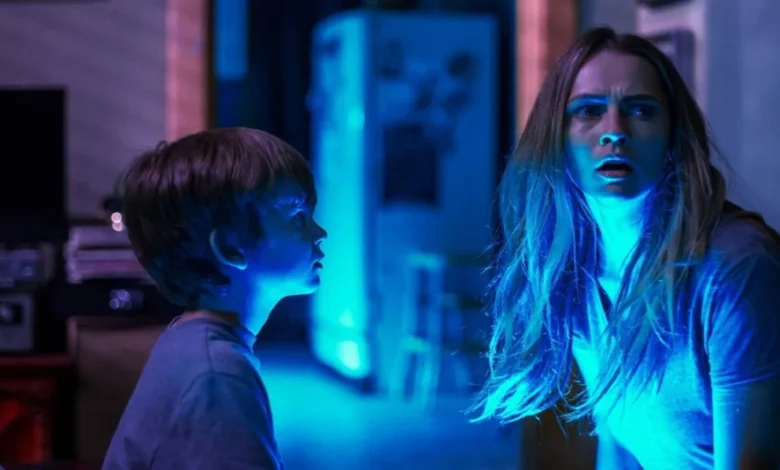
Ten years after its theatrical debut, David F. Sandberg’s chilling short film adaptation, Lights Out, continues to resonate not only for its visceral scares but also as a pivotal example of how online content can catapult emerging talent into the mainstream of Hollywood horror. Released on July 22, 2016, Lights Out transformed from a viral sensation into a box office triumph, grossing an astounding $149 million against a modest $5 million budget. This success story serves as a potent precursor to the current trend of studios mining digital platforms for the next generation of horror auteurs.
From Viral Short to Blockbuster Hit
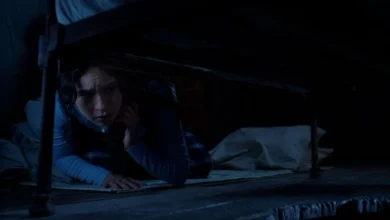
The journey of Lights Out began not in a soundstage, but in the digital realm. Sandberg’s original short film, released in 2013, garnered over a million views across YouTube and Vimeo. Its terrifying premise—a creature that only appears when the lights are out—captured the imaginations of a global audience and, crucially, the attention of Hollywood executives. The short’s success ignited a fierce bidding war, culminating in New Line Cinema acquiring the rights for a feature-length adaptation.
The theatrical release in 2016 was met with widespread critical and commercial acclaim. The film was lauded for its innovative use of practical effects, its relentless pacing, and its ability to generate genuine terror from a simple, primal fear. The communal experience of watching Lights Out in a packed cinema, with audiences collectively gasping and screaming, solidified its status as a modern horror classic and a testament to the power of a well-executed concept.
The Precedent for Digital Talent Acquisition
The remarkable trajectory of Lights Out predates the current surge in studios seeking out talent from platforms like YouTube and TikTok, but it established a crucial precedent. In 2016, the landscape of talent discovery was more nascent. While independent filmmakers had long used shorts as calling cards, Sandberg’s success demonstrated the immense commercial potential of translating a viral short directly into a major studio production.
This paved the way for a generation of filmmakers who would later leverage similar online exposure. The article highlights the contemporary equivalents of this phenomenon, referencing the success of projects like Alex Kister’s The Mandela Catalogue, acquired by Steven Spielberg, and Siren Head, which Warner Bros. secured rights for. These ventures represent a significant shift in intellectual property acquisition, with studios actively scouting for nascent horror narratives and directors on social media.
A Shifting Landscape: The Rise of the "YouTube Wunderkind"
The current wave of horror filmmaking is characterized by the emergence of "YouTube wunderkinds" like Curry Barker and Kane Parsons, whose work has already garnered significant attention and commercial success. These young filmmakers are seen as the modern-day successors to influential figures like Eli Roth and James Wan, whose early careers were defined by their distinctive contributions to the genre.
The article posits that while the methods of discovery may have evolved, the underlying principle remains the same: identifying and nurturing raw talent with a compelling vision. However, it also raises questions about the long-term sustainability of these careers and the potential for creative stagnation once filmmakers transition to larger studio projects.
David F. Sandberg’s Post-Lights Out Career Trajectory
Following the triumph of Lights Out, David F. Sandberg’s career soared. He went on to direct Annabelle: Creation (2017), a critically acclaimed entry in The Conjuring universe, followed by the DC superhero films Shazam! (2019) and Shazam! Fury of the Gods (2023), and the recent The Witcher: The Witcher (2024). His work on Annabelle: Creation is often cited as a masterclass in atmospheric horror, demonstrating his continued ability to craft suspenseful and terrifying sequences.
The article draws a parallel between Sandberg’s ascent and that of current emerging talents, noting that both have successfully leveraged initial viral success into lucrative studio opportunities. However, it also expresses a concern that the demands of franchise filmmaking and established intellectual property might limit the scope for original creative expression. The author notes that Sandberg, despite his success, hasn’t had a significant opportunity to showcase the unbridled creativity that defined his early work in nearly a decade.

The Shorts-to-Features Pipeline: A Historical Perspective
The phenomenon of short films serving as springboards for feature careers is not new. The article provides a chronological overview of several notable examples:
- 2008: Andy Muschietti’s short film Mama caught the eye of Guillermo del Toro, leading to the feature film adaptation released in 2013.
- 2013: David F. Sandberg’s Lights Out short film gained significant traction online.
- 2016: The feature film Lights Out was released, becoming a major box office success. In the same year, Damien Leone’s low-budget Terrifier (which had roots in earlier shorts dating back to 2008) was released, marking another independent horror success story.
- 2019: Jacob Chase was tapped to adapt his short film Larry into the feature Come Play, released in 2020.
- 2021: Parker Finn’s short film Laura Hasn’t Slept evolved into the critically and commercially successful feature Smile.
This historical context underscores that the practice of utilizing short films as a means to attract Hollywood attention is a well-established, albeit increasingly amplified, pathway for aspiring filmmakers.
The "Old School" Versus the "New School" Approach
The article distinguishes between Sandberg’s early approach to short filmmaking and the current generation’s methods. Sandberg, working with limited resources and often starring his wife, Lotta Losten, relied on a decade of experience in documentary and animation to craft his early shorts. His creative process was characterized by resourcefulness and a strong artistic vision.
In contrast, the current crop of young horror talent, while undeniably innovative, benefits from the established infrastructure and audience engagement of platforms like YouTube. Their success often stems from a deep understanding of online virality and the ability to create content that resonates immediately with a digital audience. The article acknowledges that this "new school" approach has led to critical hits like Obsession and Backrooms, but also raises concerns about whether this accelerated path allows for the same depth of craft development.
Concerns About Creative Evolution and Franchise Fatigue
A central theme of the article is the potential for early success to lead to a dilution of original vision. The author expresses apprehension that filmmakers who achieve rapid fame through short films might become entrenched in franchise work or IP adaptations, potentially hindering their ability to produce truly groundbreaking or personal projects.
Examples cited include James Wan’s prolific output, which spans genre-defining horror with original concepts and franchise installments. Parker Finn’s upcoming remake of Possession is mentioned with concern, contrasting with the originality of Smile. Similarly, Andy Muschietti’s post-Mama career has been dominated by superhero films and the IT franchise. Even Mike Flanagan, praised for his early work like Absentia and Oculus, is noted for having not produced anything as distinct since Hush in 2016, with Midnight Mass being described as "Stephen King-lite."
The article suggests that this reliance on established franchises, while commercially viable, may prevent these talented directors from fully exploring their unique creative voices. The author hopes for the return of the raw, inventive spirit seen in their early shorts, such as the electrifying car headlight scene in Lights Out that elicited thunderous applause from the audience, or the distinct abstractions found in Kane Parsons’ work.
The Enduring Power of the Short Film
Despite the evolving media landscape, the article concludes that short films remain a potent and reliable method for filmmakers to gain recognition and secure theatrical opportunities. Whether through direct appeals to industry gatekeepers or by achieving viral popularity online, these concise narratives offer a potent showcase for creativity and potential.
The author expresses a desire to see the original sparks of talent, exemplified by Sandberg’s Lights Out and Curry Barker’s Obsession, continue to shine. The fear is that the "Icarus" trajectory—soaring to immense success only to be hampered by the constraints of the industry—might befall these emerging talents. The article advocates for the retention of individual artistic voice as the key to long-term success, rather than simply chasing brand recognition or lucrative franchise deals.
The possibility of a Lights Out sequel, a project that has long been rumored but never materialized, is mentioned as a potential avenue for Sandberg to recapture the terror he so masterfully instilled in audiences. Ultimately, the article serves as a timely reflection on the power of short-form horror content and a hopeful plea for the preservation of creative authenticity in an increasingly IP-driven Hollywood. The enduring impact of Lights Out ten years on is not just in its scares, but in the blueprint it provided for a new generation of horror storytellers.