This Monty Python-esque comedy RPG lets you improv as a band of incompetent and dangerously powerful wizards

A New Paradigm in Collaborative Storytelling
The core architecture of Hello Wizard I Have a Problem distinguishes itself from the industry standard by decentralizing the role of the Games Master (GM). In traditional titles like Dungeons & Dragons or Pathfinder, a single individual is responsible for world-building, adjudicating rules, and managing non-player characters. In contrast, Hello Wizard I Have a Problem utilizes a rotating spotlight system. During any given scene, one player assumes the role of the active spellcaster, while the remaining participants act collectively as the GM.
This collective GMing approach ensures that every player remains constantly engaged with the narrative. When the active wizard describes an intended spell, the rest of the group collaborates to determine how that magic manifests—usually with disastrous or unintended consequences. This creates a feedback loop of absurdist prompts and creative responses, mirroring the improvisational energy of a writers’ room or a live comedy sketch. The goal is not necessarily to "win" in the traditional sense, but to impress one’s peers through inventive descriptions and the graceful handling of magical failure.
The Influence of Absurdist Comedy
The thematic DNA of the game is rooted in a specific lineage of British and international absurdist humor. The developers cite iconic influences such as the works of Monty Python, particularly the troupe’s ability to find the mundane within the fantastical and the surreal within the ordinary. Further stylistic cues are taken from modern cult classics like The Mighty Boosh and the vampire mockumentary What We Do in the Shadows.
By leaning into these influences, Hello Wizard I Have a Problem carves out a niche for "low-stakes, high-chaos" gaming. While many fantasy RPGs focus on the "hero’s journey" and the acquisition of world-shaking power, this title focuses on the comedic friction that occurs when that power is wielded by the woefully unprepared. The game’s design assumes that magic is inherently volatile and that the wizards themselves are perhaps too eccentric to be trusted with the fabric of reality.
Mechanical Innovation: The Problem Generator
At the heart of the game’s replayability is the "Problem Generator," a comprehensive toolset included in the rulebook. The generator is designed to provide immediate inspiration for the collective GMs, offering a staggering 200,000 potential prompts for magical mishaps. This high volume of permutations is achieved through a combinatorial system, where different elements of a "problem"—such as the source of the error, the visual manifestation, and the social consequence—are mixed and matched.
This mechanical focus on failure is a growing trend in the indie TTRPG scene, often referred to as "failing forward." Instead of a failed roll resulting in a dead end or a "nothing happens" scenario, the Problem Generator ensures that every mistake pushes the story into a new, often weirder, direction. Once every player has occupied the spotlight for a set number of scenes, the session concludes with a tallying of "points." These points are awarded based on a loose, improvisational system that rewards creativity and humor rather than tactical efficiency.
Creative Pedigree and Artistic Vision
The project is the latest creation from Sam Armstrong, a designer who has established a reputation for subverting genre tropes. Armstrong’s previous works include All Bastard, a fantasy RPG that focuses on the aftermath of a typical adventure from the perspective of the defeated "bastards," and Slasher, a horror-themed game that emulates the tropes of 1980s cinema. Armstrong’s design philosophy often centers on "rules-lite" systems that remove the barriers to entry for new players while providing enough structure to support seasoned roleplayers.
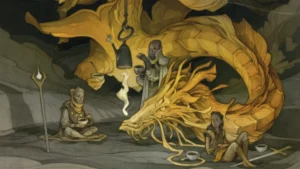
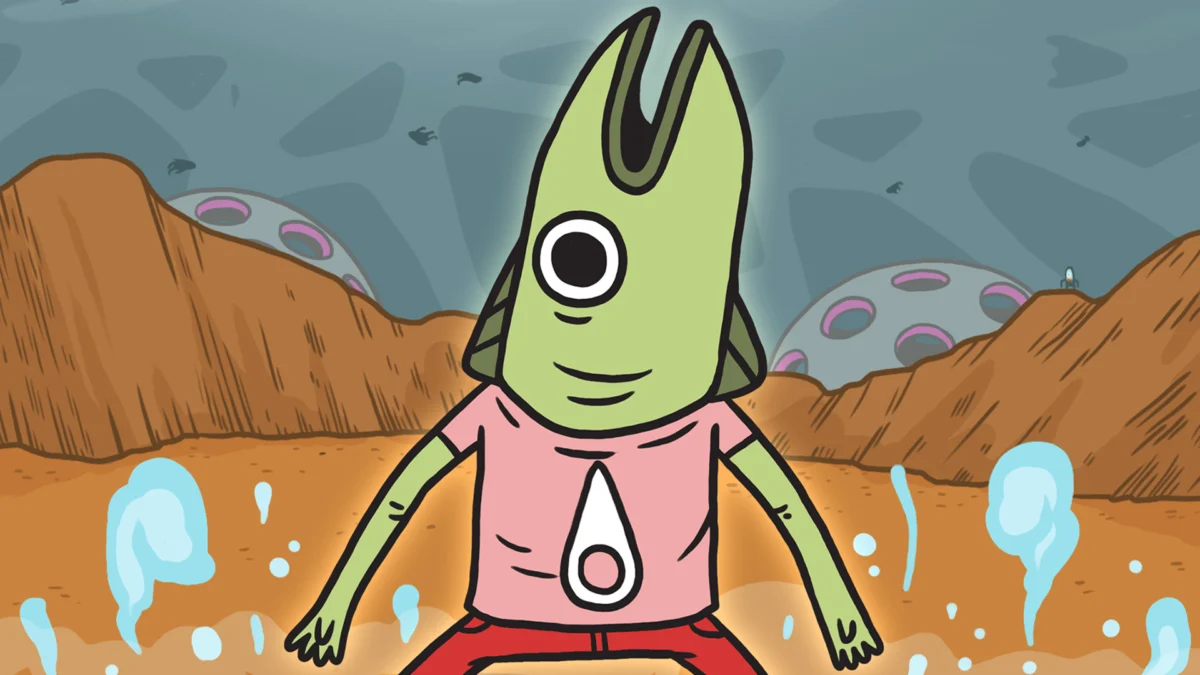
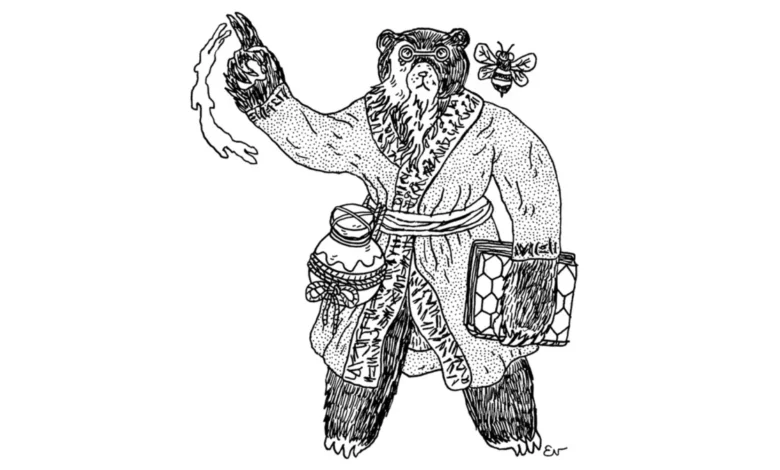
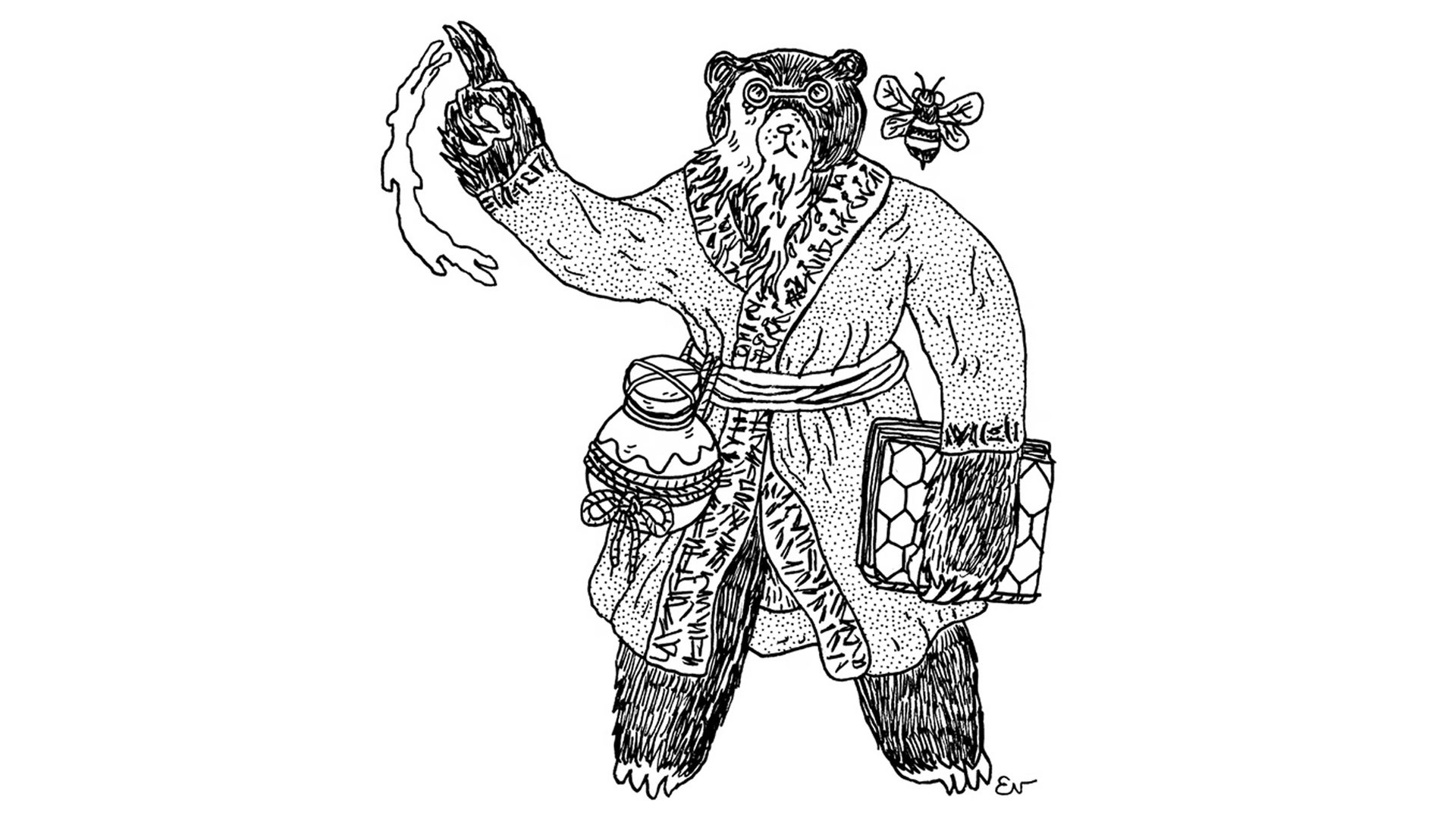
The visual identity of Hello Wizard I Have a Problem is provided by Evlyn Moreau, an acclaimed illustrator in the independent gaming community. Moreau is well-known for her work on Liminal High School and her distinct, whimsical art style that blends surrealism with a hand-drawn, "zine-like" aesthetic. Her illustrations for the game help to establish the tone—one that is colorful, slightly chaotic, and intentionally rough around the edges, perfectly matching the "incompetent wizard" premise.
Crowdfunding and Market Context
The game is currently reaching the final stages of its crowdfunding campaign on Kickstarter. This platform has become the primary engine for the "Indie RPG Renaissance," allowing small creators to bypass traditional publishing houses and speak directly to a niche audience. Hello Wizard I Have a Problem has followed this trend, offering accessible price points to encourage a wide player base. A digital PDF version of the game is available for £4 (approximately $5), while a physical copy is priced at £8 (approximately $10).
The production timeline is notably aggressive, with physical copies expected to ship as early as June. This suggests that the game’s development is largely complete, with the crowdfunding funds likely allocated toward printing costs and final fulfillment logistics. Following the conclusion of the Kickstarter campaign, the game is expected to be hosted on Armstrong’s Itch.io page, a popular storefront for independent digital games and tabletop supplements.
Chronology of Development
The development of Hello Wizard I Have a Problem reflects the rapid iteration cycles common in the modern indie scene:

- Conceptualization (Late 2023): Sam Armstrong began drafting a system that prioritized group GMing and comedic failure, moving away from the combat-heavy focus of his previous work.
- Artistic Collaboration (Early 2024): Evlyn Moreau was brought on board to provide the visual framework, ensuring the art style complemented the absurdist tone.
- Kickstarter Launch (May 2024): The campaign was launched to the public, quickly garnering interest from the TTRPG community and reaching its funding goals.
- Final Fulfillment (Planned June 2024): The short window between funding and shipping indicates a streamlined production process designed to capitalize on the current momentum of the project.
Broader Implications for the TTRPG Industry
The emergence of games like Hello Wizard I Have a Problem signals a broader shift in the tabletop hobby. For decades, the industry was dominated by high-complexity systems that required hours of preparation and a deep understanding of thick rulebooks. However, the rise of "rules-lite" or "one-page" RPGs has democratized the hobby, making it more accessible to people who may not have the time for long-term campaigns.
Furthermore, the "collaborative GM" model addresses one of the most significant bottlenecks in the hobby: the "forever GM" phenomenon. By distributing the responsibility of storytelling across the entire table, Hello Wizard I Have a Problem reduces the cognitive load on any single participant. This makes the game an ideal "beer and pretzels" title—something that can be picked up and played in a single evening with minimal preparation.
Conclusion and Future Outlook
As the Kickstarter campaign draws to a close, Hello Wizard I Have a Problem stands as a testament to the creativity currently flourishing in the independent gaming sector. By combining a robust "Problem Generator" with a flexible, improvisational ruleset, Sam Armstrong has created a tool for social interaction that prioritizes laughter and shared storytelling over traditional victory conditions.
The success of the project also highlights the enduring appeal of the "incompetent hero" trope. In a media landscape often saturated with invincible superheroes and flawless protagonists, there is a cathartic joy in playing a character who is fundamentally out of their depth. As players prepare to take on the roles of these chaotic casters this June, the TTRPG community continues to prove that sometimes, the most memorable stories are the ones where everything goes spectacularly wrong. For the indie RPG market, Hello Wizard I Have a Problem is not just a new game; it is a celebration of the creative potential found within the unexpected, the absurd, and the delightfully incompetent.