One Avengers: Doomsday Trailer Might Confirm a Massive Rumor Is Real (And It Would Devstate Everyone)

The Multiverse Saga and the Looming Threat of Incursions
The backdrop for Avengers: Doomsday is the MCU’s ongoing Multiverse Saga, a narrative arc spanning Phases 4 through 6, which has fundamentally reshaped the universe’s scope and stakes. Introduced prominently in Doctor Strange in the Multiverse of Madness and further explored in series like Loki, the concept of "incursions" stands as the ultimate multiversal threat. An incursion occurs when two universes collide, leading to the annihilation of one or both. This cataclysmic event, often triggered by disruptions to the multiversal fabric, represents the gravest danger within the multiverse, capable of wiping out entire realities and their inhabitants. The Multiverse Saga has been building towards such grand-scale confrontations, with the implicit understanding that the heroes of Earth-616 (the primary MCU reality) will eventually face an existential threat on an unprecedented scale. The involvement of Kang the Conqueror variants throughout earlier phases, despite the shifting narrative focus, solidified the idea that multiversal integrity is constantly under threat, setting a precedent for Doctor Doom to potentially leverage or manipulate these phenomena for his own ends.
The Avalanche of Leaks and the Central Doomsday Rumor
In the lead-up to any major MCU release, the digital landscape becomes a minefield of leaks, rumors, and speculative content. Avengers: Doomsday has proven no exception, with social media platforms inundated by a mix of genuine insider information, deliberate misinformation, and even AI-generated images designed to mimic legitimate promotional material. Navigating this environment, however, one particular rumor has gained significant traction, especially after the release of the film’s first trailer. This core rumor, if accurate, suggests a pivotal and potentially controversial story moment that could redefine the boundaries of the MCU.
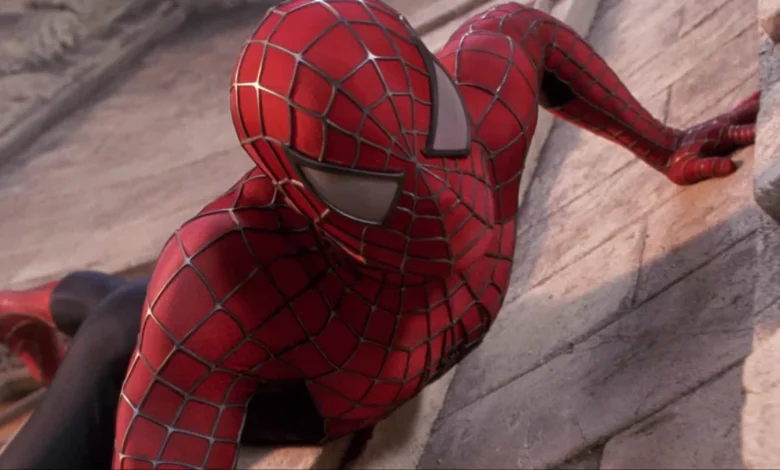
The rumor originates prominently from the X user "MyTimeToShineHello," a figure recognized within the online community for their consistent, albeit unverified, MCU leaks. In a post from February 2026, this leaker claimed a shocking plot point: Wolverine and Deadpool are dispatched to the universe of Tobey Maguire’s Spider-Man with the explicit mission to destroy it. This desperate measure is said to culminate in an "epic" confrontation between Wolverine and Spider-Man, which ultimately "ends in tragedy."
This initial claim was quickly amplified and expanded upon by other leakers, speculators, and members of the online rumor mill. The elaborated version of the story posits that Avengers: Doomsday will open on the precipice of an incursion event, specifically one involving the universe from Sam Raimi’s Spider-Man trilogy and the FOX X-Men universe. To prevent both universes from being annihilated in a mutual destruction, the X-Men reportedly make the agonizing decision to sacrifice one. Consequently, Wolverine and Deadpool are tasked with preemptively destroying Spider-Man’s world. During the ensuing conflict, Wolverine is said to remain behind, perishing along with Maguire’s Spider-Man and the entirety of their universe, while Deadpool narrowly escapes the cataclysm.
Trailer Analysis: A Glimpse of Multiversal Catastrophe?
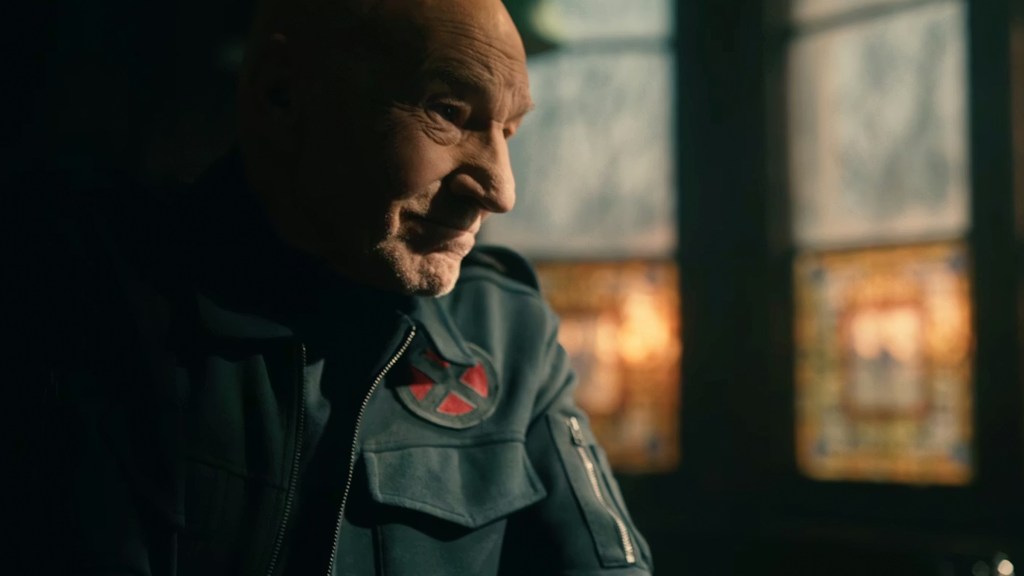
While Marvel Studios maintains its characteristic silence on leaks and rumors, the Avengers: Doomsday trailer has provided potential visual corroboration for this multiversal destruction theory. A specific shot in the trailer depicts Professor X, portrayed by Patrick Stewart, gazing out a window of the iconic X-Mansion. In the sky, a distant planet is visibly exploding. This scene appears to occur early in the film’s narrative, a deduction supported by subsequent shots in the trailer showing the X-Mansion in a state of ruin.

This visual detail has been seized upon by fans and analysts as a strong indicator of an impending or ongoing incursion event. The sight of a celestial body being obliterated, observed by one of the most powerful telepaths in the Marvel universe, strongly suggests a profound multiversal catastrophe. Given the context of the widespread rumors, it is plausible that Xavier is witnessing the destruction of Spider-Man’s universe from afar. Even if the specific "Spider-Man universe" aspect of the rumor is not entirely accurate, the visual unmistakably points to a foiled incursion event, where one reality is sacrificed or destroyed to prevent a larger multiversal collapse. The profound look on Professor X’s face implies not just observation, but a deep understanding of the gravity of what he is witnessing, perhaps even the consequence of a difficult choice his own universe has made or must make.
The Convergence of Legacies: FOX X-Men and Sony Spider-Man in the MCU
The integration of the FOX X-Men cast into the MCU is a momentous occasion, a direct result of Disney’s acquisition of 21st Century Fox. This move brings beloved characters like Wolverine (presumably Hugh Jackman, though not explicitly confirmed in the leak’s context for Doomsday) and Professor X (Patrick Stewart) into the mainstream MCU narrative, fulfilling a long-held fan desire for a unified Marvel cinematic universe. Given this significant crossover, the notion of also bringing back Tobey Maguire’s Spider-Man feels like a natural extension, leveraging existing multiversal pathways established in Spider-Man: No Way Home.
Maguire’s return in No Way Home alongside Andrew Garfield’s and Tom Holland’s Spider-Men was met with overwhelming critical and commercial success, demonstrating the enduring popularity and emotional resonance of his portrayal. The film provided a poignant, albeit brief, update on his character, leaving fans yearning for more. For many, the idea of a crossover between the Spider-Man and X-Men film universes was a dream of the early 2000s, an era when both franchises were independently dominating the superhero genre. Avengers: Doomsday presents a unique opportunity to finally realize this long-cherished wish, culminating in a cinematic spectacle like a Wolverine vs. Spider-Man fight, further tapping into the rich tapestry of Marvel’s cinematic history.
Robert Downey Jr.’s Return as Doctor Doom: A Paradigm Shift
Beyond the multiversal incursions and character crossovers, one of the most striking revelations from Avengers: Doomsday is the return of Robert Downey Jr., not as Iron Man, but as the iconic villain Doctor Doom. This casting choice is incredibly bold and carries immense implications. Downey Jr.’s portrayal of Tony Stark/Iron Man was foundational to the MCU’s success, his character arc culminating in a heroic sacrifice that defined an era of superhero cinema. His return as a formidable antagonist like Victor Von Doom subverts expectations and offers a fascinating narrative challenge.
This decision signals a willingness by Marvel to dramatically reimagine established actors in new roles, or perhaps to explore variants of beloved figures. For Downey Jr., it represents an opportunity to craft a new legacy within the Marvel universe, demonstrating his range by embodying one of Marvel’s most complex and powerful villains. Doctor Doom is not merely a villain; he is a monarch, a sorcerer, and a scientific genius, often seen as the ultimate foil to the Fantastic Four and a potential unifier of disparate threats. His introduction, especially with an actor of Downey Jr.’s caliber, suggests that Doomsday‘s antagonist will be a character of profound depth and terrifying ambition, capable of orchestrating multiversal destruction. This also raises questions about how fans will perceive Downey Jr. in this new light, and whether his shadow as Iron Man will influence the reception of his Doom.
The Most Controversial Choice: The End of Sam Raimi’s Universe
While the prospect of Maguire’s return, RDJ as Doom, and the FOX X-Men joining the MCU generates immense excitement, the underlying rumor of destroying Sam Raimi’s Spider-Man universe poses a significant potential controversy. The MCU has faced criticism for its increasing reliance on nostalgia and its tendency to bring back "worn-out" characters, sometimes at the expense of developing new ones. However, even these concerns—regarding the handling of RDJ’s return, Chris Evans as Steve Rogers (another heavily rumored return), or the wholesale integration of the FOX X-Men—would likely pale in comparison to the fan outrage if Raimi’s beloved universe were to be definitively ended.
Sam Raimi’s Spider-Man trilogy holds a special place in cinematic history, particularly the first two films, which are widely regarded as seminal works that propelled the superhero genre into the mainstream. Following Maguire’s appearance in No Way Home, the clamor for Spider-Man 4 reached unprecedented levels. Fans envisioned a continuation of Peter Parker’s story, perhaps exploring his life after the events of his original trilogy with a new maturity. The destruction of this universe would not only definitively dash these hopes but also, arguably, undermine the hopeful and celebratory tone of Maguire’s return in No Way Home, which left his character in a relatively stable and content place.
Furthermore, Raimi’s Spider-Man films are cherished for their self-contained narratives and their deeply personal stakes. The idea of characters like Mary Jane Watson and Aunt May, who are integral to that universe’s emotional core, being killed off for what might be perceived as mere "shock value" in a largely unrelated film could alienate a significant portion of the fanbase. Such a move risks being seen as disrespectful to the legacy of those films and their characters, trivializing their narrative impact for a plot device in a larger crossover event.
The narrative justification for such a drastic action would need to be exceptionally compelling. For the destruction of Raimi’s universe to resonate positively, Maguire’s Spider-Man would ideally need to play a central, heroic role in Avengers: Doomsday, making his sacrifice or the loss of his world feel earned and meaningful within the larger story. If his universe is merely collateral damage, or if his character is sidelined after this profound tragedy, the move would likely be widely condemned as a cheap exploitation of beloved intellectual property, rather than a respectful homage or a narratively essential plot point. The challenge for Marvel Studios would be to ensure that such a controversial decision serves a profound thematic purpose, elevating the story rather than simply shocking the audience.
Broader Implications for the MCU’s Multiverse Saga
If the rumors surrounding Avengers: Doomsday hold true, particularly the destruction of a beloved established universe, the implications for the broader Multiverse Saga are profound. It would establish a terrifying precedent: that no variant, no alternate reality, no beloved iteration of a character is truly safe. This could infuse future multiversal conflicts with an unprecedented level of dread and consequence, as audiences would genuinely believe that entire worlds could be lost.
This approach could also set a new standard for storytelling in the MCU, pushing boundaries beyond simple good-versus-evil narratives into morally ambiguous territory where heroes are forced to make impossible choices. The act of sacrificing one universe to save another introduces a grim utilitarianism that challenges the traditional heroic ethos. It could also open doors for characters to grapple with immense survivor’s guilt or to be fundamentally changed by witnessing such vast destruction.
The presence of Deadpool and Wolverine in this scenario is also significant. Both characters, especially Deadpool, operate with a unique moral compass and a propensity for extreme measures. Their involvement in such a mission could allow for darker, more morally ambiguous storytelling, pushing the boundaries of what a mainstream MCU film typically explores.
The Road Ahead: Anticipation and Trepidation
As Avengers: Doomsday hurtles towards its 2026 release, the blend of excitement and apprehension among fans is palpable. The promise of an unparalleled crossover, the return of iconic actors in surprising new roles, and the prospect of groundbreaking multiversal storytelling fuels immense anticipation. However, the whispers of potential universe-ending tragedies, particularly concerning beloved legacies like Sam Raimi’s Spider-Man, cast a shadow of trepidation. Marvel Studios’ tight-lipped approach, while maintaining narrative integrity, also intensifies the speculation. Ultimately, the success of Avengers: Doomsday will hinge not only on its spectacle but also on its ability to navigate these complex narrative and emotional terrains, delivering a story that is both epic in scope and respectful of the legacies it seeks to unite and, potentially, dismantle.