Video game difficulty has been a core component of the interactive entertainment experience since its inception, with players consistently seeking and appreciating challenging gameplay. While many developers strategically design initial levels to gradually acclimate players to mechanics and escalating obstacles, a distinct subset of titles opts for a more aggressive approach, immediately confronting players with formidable tests that often lead to early attrition. These introductory gauntlets serve not merely as tutorials but as stringent filters, demanding immediate mastery or unwavering perseverance. This analysis delves into five such notorious opening levels, exploring their design, historical context, player reactions, and lasting impact on the gaming landscape.
The Enduring Appeal and Frustration of High Difficulty
The concept of a "tough" video game is as old as the medium itself. From the pixelated perils of early arcade cabinets designed to consume quarters to the intricate boss battles of modern action RPGs, difficulty has always been a key differentiator and a source of both immense frustration and profound satisfaction. Developers generally adhere to a pedagogical curve, introducing core mechanics in a low-stakes environment before gradually increasing the complexity and challenge. This allows players to build muscle memory, understand game systems, and develop strategies without being overwhelmed. However, some developers intentionally subvert this expectation, throwing players into the deep end from the very first moment. This design philosophy, while potentially alienating a broad audience, often cultivates a dedicated following among players who relish the steep learning curve and the subsequent sense of accomplishment. These opening levels are not merely difficult; they are foundational statements about the game’s identity, demanding respect and often an almost immediate commitment to mastery.
A Historical Perspective on Game Difficulty
Historically, game difficulty was often influenced by the economic models of the arcade era, where challenging games encouraged repeat plays and thus more revenue. As gaming transitioned to home consoles, design philosophies diversified. Early console games like those on the Nintendo Entertainment System (NES) often retained a high level of challenge, partly due to direct arcade lineage and partly due to technical limitations that sometimes disguised simple mechanics with punishing difficulty. The 8-bit and 16-bit eras are replete with examples of games that offered minimal hand-holding, expecting players to learn through trial and error—or through the dreaded "game over" screen. This tradition continued into later generations, evolving from purely mechanical challenges to complex systems that required strategic thinking, precise execution, and a high tolerance for failure. The games discussed below represent different facets of this high-difficulty ethos, from deliberate design choices to unintended consequences of poor implementation.
5) Level 1 – Contra (1987)
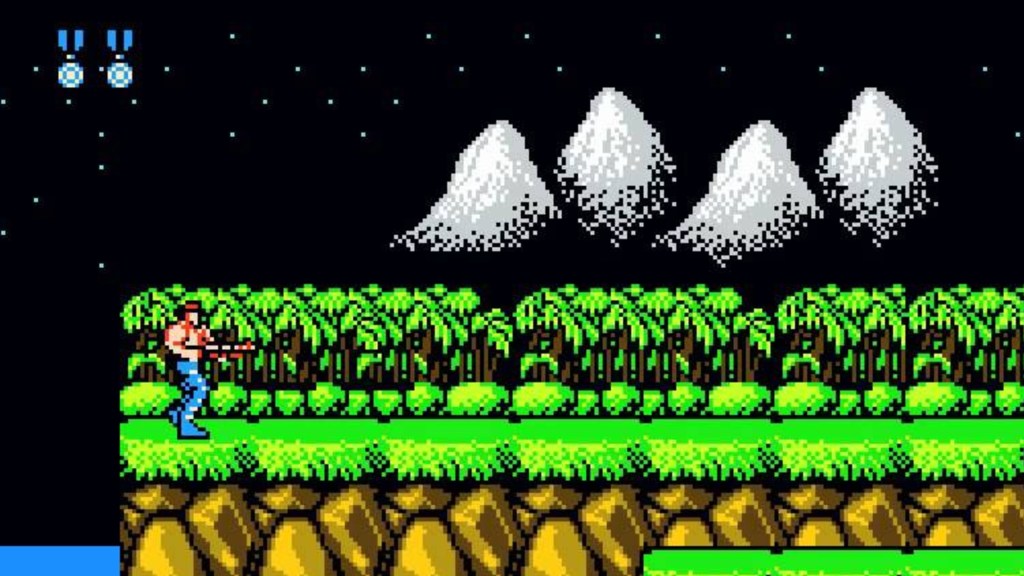
Konami’s Contra, initially released in arcades in 1987 and later ported to the NES in 1988, is an iconic run-and-gun shooter renowned for its relentless action and brutal difficulty. The game’s first level, an immediate baptism by fire, remains a benchmark for challenging introductions in video games. From the moment players take control of commandos Bill Rizer and Lance Bean, they are thrust into a hostile jungle environment teeming with enemy soldiers, gun turrets, and airborne threats.
Chronology and Context: Contra emerged during a period when arcade games were transitioning to home consoles, often bringing their inherent difficulty—designed to maximize quarter consumption—with them. The NES version, while offering infinite continues, retained the arcade’s punishing design, presenting a significant hurdle for players accustomed to more forgiving home console experiences.
Detailed Analysis of Difficulty: Level 1 of Contra is characterized by its immediate "bullet hell" density. Players are assailed from multiple directions by an unending stream of projectiles and enemy sprites. The side-scrolling nature demands constant forward movement while simultaneously requiring precise jumping and dodging. Power-ups, such as the spread gun or laser rifle, offer temporary respite and increased firepower, but even with these enhancements, the sheer volume of incoming threats and the narrow margins for error make survival incredibly challenging. Crucially, the game offers only three lives and no continues without the famous Konami Code. Learning enemy patterns and optimal routes is essential, but the rapid rate of death means players often had to restart from the very beginning, losing any progress and acquired power-ups.
Player Experience and Reactions: The notorious difficulty of Contra‘s first level led to the widespread adoption and cultural phenomenon of the Konami Code (Up, Up, Down, Down, Left, Right, Left, Right, B, A, Start). This cheat, granting 30 lives, became almost a prerequisite for many players to experience the game beyond its opening minutes. Its ubiquity underscores the immense frustration players faced with the vanilla difficulty. Those who persevered without the code, or through sheer repetition, developed an almost mythical status among their peers.
Developer Intent and Impact: Konami’s design philosophy for Contra was rooted in creating an intense, action-packed experience that tested player reflexes and pattern recognition. The initial difficulty was not an oversight but a deliberate design choice, establishing the game’s hardcore identity. The game’s legacy is undeniable; it defined the run-and-gun genre for a generation, influenced countless action titles, and solidified Konami’s reputation for developing challenging yet rewarding games. The memory of Contra‘s Level 1 continues to evoke both dread and nostalgia, a testament to its impact on player skill development and the broader gaming culture.
4) Chapter 1 – Ikaruga (2001)
Developed by Treasure, Ikaruga is a vertical-scrolling shoot ’em up (shmup) that first appeared in Japanese arcades in 2001 before making its way to the Sega Dreamcast, Nintendo GameCube, and later digital platforms. It is widely regarded as one of the most innovative and brutally challenging games in its genre, with its unique polarity system serving as both its defining feature and its primary source of difficulty.
Chronology and Context: Ikaruga arrived at a time when the shmup genre was evolving, moving beyond simple projectile dodging to incorporate more complex mechanics. Treasure, known for its creative and challenging titles, sought to reinvent the genre with a system that added a layer of strategic depth beyond mere reflex.
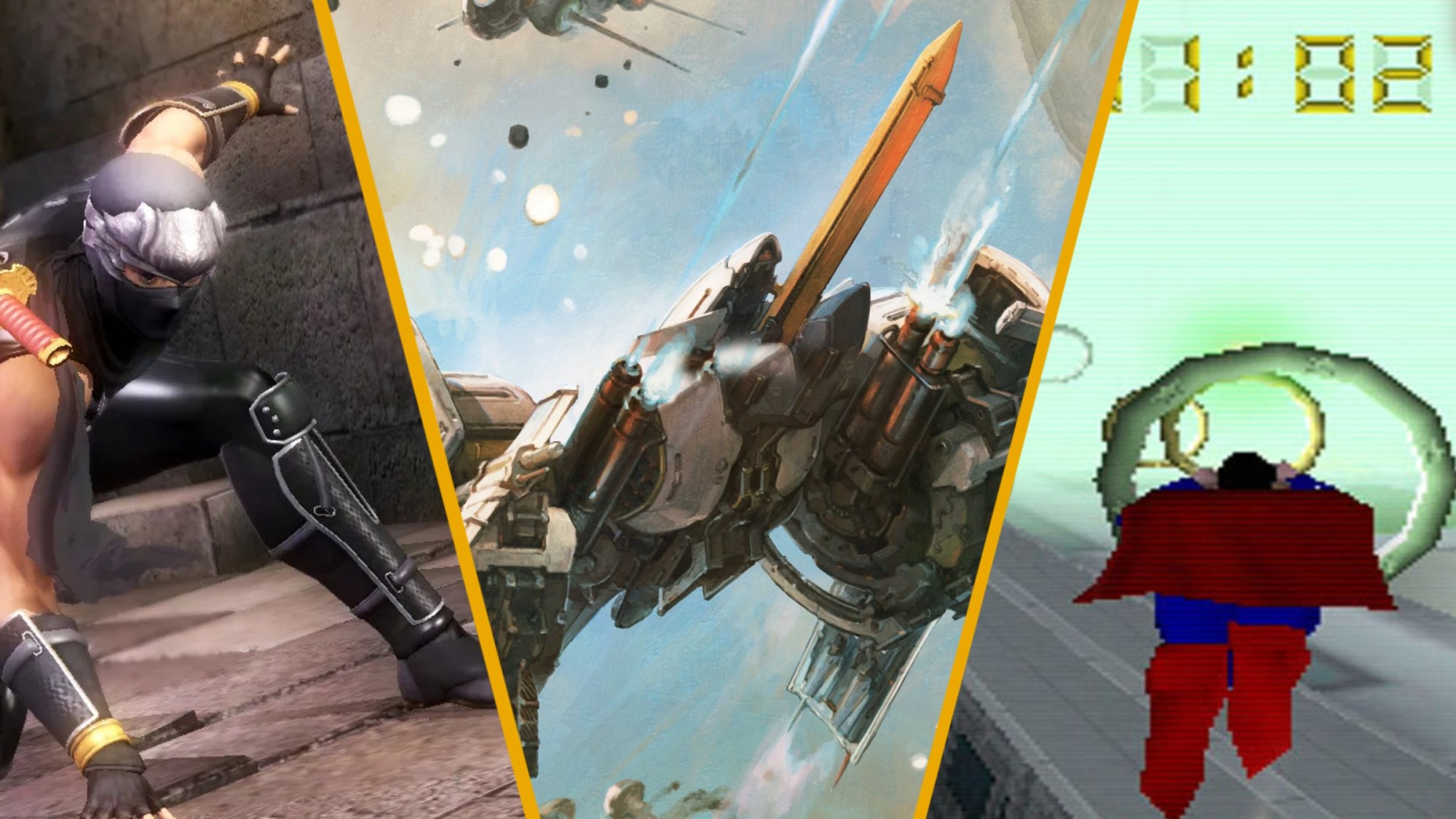
Detailed Analysis of Difficulty: Chapter 1 of Ikaruga, while often considered the easiest of its five stages, is still a formidable test that demands immediate understanding and execution of its core mechanic: polarity switching. Players control a spacecraft that can instantly switch between two polarities, black and white. Bullets fired by enemies are also either black or white. The ship can absorb bullets of the same color, building up a powerful homing laser attack, but it is instantly destroyed by bullets of the opposite color. This system requires players to constantly analyze bullet patterns, anticipate enemy attacks, and rapidly switch polarities while simultaneously navigating tight spaces and dispatching foes. The opening chapter throws numerous enemies and intricate bullet formations at the player, forcing them to quickly grasp the rhythm of absorbing and dodging.
Player Experience and Reactions: New players often find Ikaruga‘s initial minutes bewildering and overwhelming. The mental load of managing polarity, dodging, and attacking simultaneously is immense. Many players are quickly eliminated, struggling to internalize the game’s core loop. However, those who persist and begin to understand the intricate dance of polarity switching discover a deeply satisfying and highly strategic gameplay experience. The game rewards methodical play and pattern recognition as much as raw reflexes. The initial frustration often gives way to a profound appreciation for its elegant design.
Developer Intent and Impact: Treasure’s objective with Ikaruga was to create a shmup that transcended the genre’s traditional boundaries, offering a cerebral challenge alongside the expected twitch reflexes. The polarity system was designed to add strategic depth and encourage multiple playstyles (e.g., maximizing chain bonuses by destroying same-colored enemies consecutively). Ikaruga achieved cult classic status, lauded by critics for its innovative design, stunning visuals, and uncompromising difficulty. It became a benchmark for "bullet hell" games and a testament to the idea that a high barrier to entry can lead to a deeply rewarding experience for dedicated players. Its influence can be seen in subsequent shmup designs and in the broader appreciation for games that demand intellectual engagement alongside mechanical skill.
3) The Way of the Ninja – Ninja Gaiden (2004)
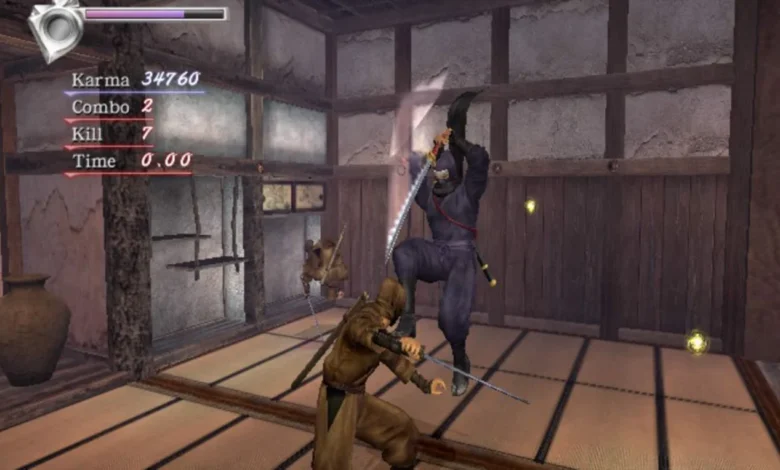
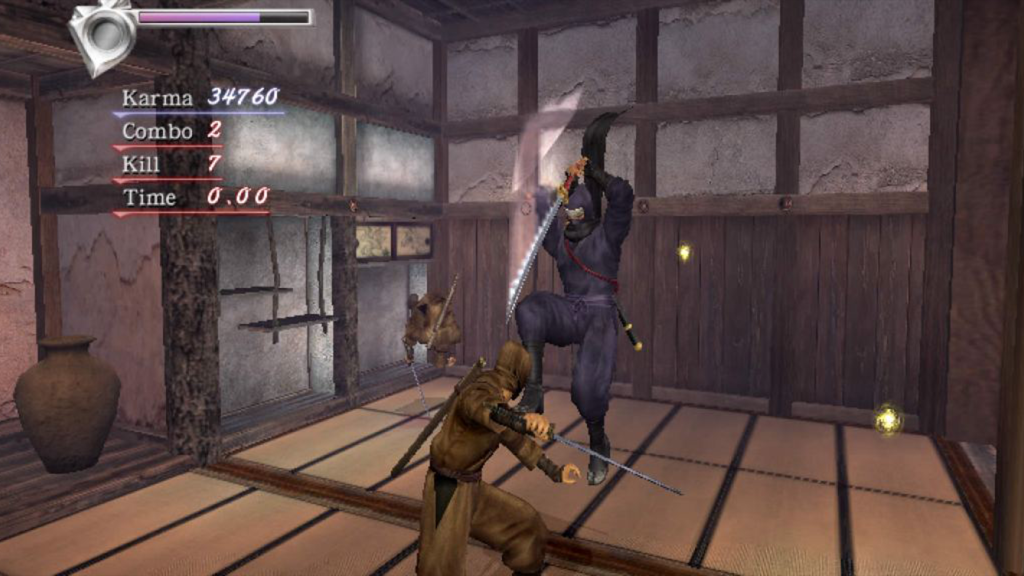
Team Ninja’s 2004 Ninja Gaiden reboot for the Xbox is widely recognized as one of the most challenging action games of its generation, setting a new standard for difficulty in 3D combat. Its very first chapter, "The Way of the Ninja," serves as an immediate and brutal introduction to protagonist Ryu Hayabusa’s unforgiving world and the game’s intricate, high-stakes combat system.
Chronology and Context: Released during the sixth console generation, Ninja Gaiden was a stark departure from the more accessible action games prevalent at the time. Team Ninja aimed to create a hardcore, skill-based experience, reviving a beloved but historically difficult franchise with modern graphics and complex mechanics.
Detailed Analysis of Difficulty: The opening of Ninja Gaiden is infamous for its lack of a traditional, hand-holding tutorial. Players are immediately thrust into combat against waves of hostile ninjas with minimal explanation of Ryu’s extensive move set, defensive options, or the game’s core combat philosophy. The game expects players to learn through experimentation and failure. Enemies are aggressive, deal significant damage, and often attack in groups. Early encounters, while seemingly straightforward, demand precise blocking, dodging, and an understanding of attack openings. The game’s intricate combat system, featuring numerous weapon types, combos, and environmental attacks, must be grasped on the fly under intense pressure. The culminating challenge of the first chapter is often a boss fight against a nunchaku-wielding enemy, which further exemplifies the game’s demand for mastery. This boss typically employs unpredictable attack patterns and unblockable grab moves, forcing players to master the timing of evasive maneuvers and counter-attacks, often with little health remaining from the preceding encounters.
Player Experience and Reactions: For many, "The Way of the Ninja" was a wall. The sheer number of deaths, the feeling of being overwhelmed, and the constant need for precise execution without explicit guidance led many players to abandon the game early on. However, for a dedicated segment of the gaming community, this brutal initiation was precisely the appeal. The game fostered a culture of shared struggle, where players exchanged tips and strategies to overcome its formidable challenges. The satisfaction derived from finally conquering an encounter, let alone the first chapter, was immense, reinforcing the idea that Ninja Gaiden was a game earned through skill and perseverance.

Developer Intent and Impact: Team Ninja’s intent was unambiguous: to create a challenging, skill-intensive action game for a mature audience. They explicitly designed Ninja Gaiden to be difficult, viewing it as a core component of the gameplay experience rather than an optional setting. This design philosophy resonated with a niche but passionate audience, influencing subsequent action games that emphasized challenging combat, such as the Dark Souls series. Ninja Gaiden became a touchstone for discussions about game difficulty, player skill, and the role of tutorials in modern game design, solidifying its place as a genre-defining title.
2) The Rings – Superman 64 (1999)
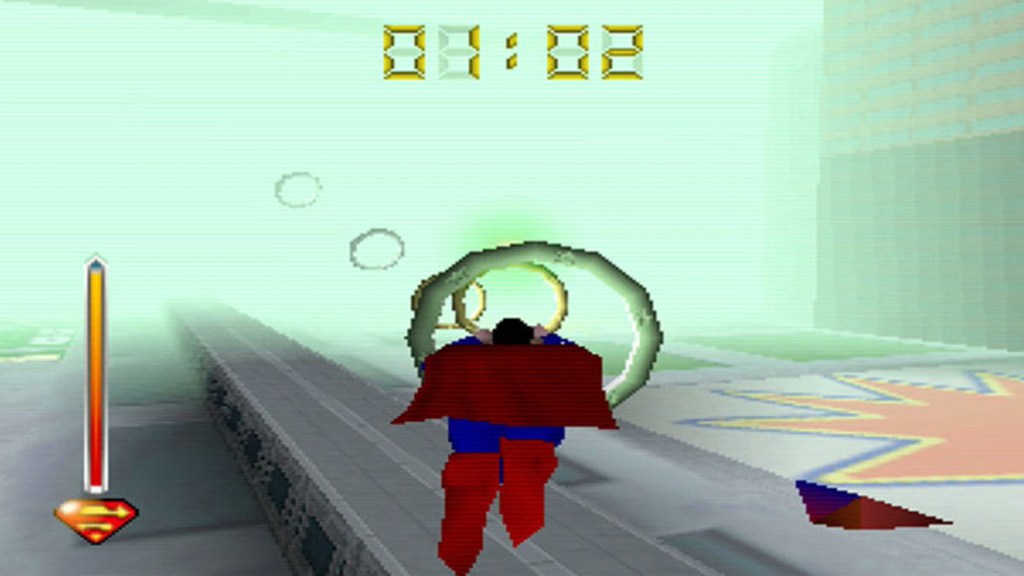
Superman 64, released for the Nintendo 64 in 1999 by Titus Interactive, is not just infamous for its challenging first level but is widely regarded as one of the worst video games ever made. The game’s opening segment, often referred to as "The Rings," perfectly encapsulates the title’s myriad design flaws and technical shortcomings, making it a frustrating rather than genuinely difficult experience.
Chronology and Context: Superman 64 was released during the peak of licensed superhero game adaptations, a period often characterized by rushed development cycles and a prioritization of brand recognition over quality gameplay. The Nintendo 64 itself was known for its 3D capabilities, but Superman 64 struggled to leverage them effectively.
Detailed Analysis of Difficulty: The premise of Superman 64‘s initial levels involves Lex Luthor trapping Superman’s friends in a virtual Metropolis, forcing the Man of Steel to complete a series of timed challenges. The first of these challenges requires Superman to fly through a series of glowing rings scattered across the cityscape. The difficulty here stems not from complex enemy AI or intricate mechanics, but from fundamentally broken game design and technical issues. The controls for flying Superman are notoriously imprecise and sluggish, making accurate navigation through the tightly spaced rings an exercise in extreme frustration. The game’s abysmal draw distance, coupled with a pervasive fog, makes it difficult to see upcoming rings, further exacerbating the challenge. The restrictive time limits imposed on these segments add another layer of unfair pressure, punishing players for the game’s own technical deficiencies. Colliding with buildings or missing rings results in failure, forcing repeated attempts at a poorly conceived task.
Player Experience and Reactions: "The Rings" segment of Superman 64 became an immediate source of widespread derision and exasperation among players and critics alike. Reviews at the time universally panned the game, with "The Rings" often singled out as a prime example of its unplayability. The frustration was not born from a desire to master a challenging system, but from battling against unresponsive controls and visual limitations. Many players simply could not progress past this initial, poorly designed obstacle, leading to high rates of early abandonment and cementing the game’s reputation as a colossal failure.
Developer Intent and Impact: While one might infer an intent to challenge players with timed flight, the reality points to severe developmental issues. It is widely speculated that Superman 64 was rushed to market, with significant compromises made in quality assurance and gameplay refinement. The "difficulty" of "The Rings" is an artifact of poor execution rather than deliberate design. Superman 64 remains a cautionary tale in the gaming industry, frequently cited as one of the worst licensed games and a prime example of how technical deficiencies and flawed design can render a game unplayable, regardless of its underlying concept. Its infamous first level serves as a stark reminder of the critical importance of responsive controls and clear design in 3D environments.
1) Parking Garage Tutorial – Driver (1999)
Reflections Interactive’s Driver, released for the PlayStation in 1999, was a groundbreaking title that pioneered the open-world driving genre, setting the stage for future classics. However, its innovative gameplay was preceded by arguably one of the most frustrating and counter-intuitive tutorial levels in video game history: the parking garage tutorial.
Chronology and Context: Driver arrived as 3D open-world environments were gaining traction, offering players unprecedented freedom in a virtual city. The game aimed for a realistic driving simulation feel, which informed its control scheme and the demands of its gameplay.
Detailed Analysis of Difficulty: Unlike traditional tutorials designed to gently introduce mechanics, Driver‘s parking garage segment acts as an immediate and aggressive gatekeeper. To progress to the main game, players must complete a series of complex driving maneuvers (e.g., handbrake turn, reverse 180, slaloming, braking test, 360-degree spin) within a strict time limit. The fundamental issue is that the game provides almost no in-game instruction on how to perform these maneuvers. Players are expected to either consult the game manual—a rapidly disappearing practice even in 1999—or resort to trial and error. Compounding this, the controls are designed for a realistic feel, making them less forgiving than typical arcade racers. The maneuvers themselves require precise timing and input, which is difficult to achieve without prior knowledge. Adding to the pressure, the entire tutorial takes place within the confines of a multi-story parking garage, and if the player’s vehicle sustains too much damage by hitting walls or obstacles, the challenge is failed, forcing a restart. The aggressive time limit further exacerbates the stress, demanding both speed and precision in an environment that punishes mistakes severely.
Player Experience and Reactions: The parking garage tutorial became a notorious hurdle for countless players. Many were unable to complete it, leading to widespread frustration and, for a significant portion of the audience, the premature abandonment of the game. Critics and players alike voiced their bewilderment at a tutorial that seemed designed to deter rather than onboard. Online forums and gaming magazines of the era were filled with discussions and pleas for help regarding this specific challenge. The irony was particularly stinging because the main game, once past this initial barrier, was relatively more forgiving and immensely enjoyable, offering a freedom of exploration and high-octane chases that were revolutionary for the time.
Developer Intent and Impact: It can be inferred that Reflections Interactive intended the tutorial to be a rigorous test, ensuring that players had a firm grasp of the game’s simulation-heavy driving mechanics before being let loose in the open world. However, the execution—particularly the lack of in-game instruction and the unforgiving parameters—was severely misjudged. The Driver tutorial stands as a classic example of a poorly designed onboarding experience that inadvertently alienated a large segment of its potential audience. Its legacy is a testament to how crucial a well-designed introduction is, even for an otherwise groundbreaking and influential title.
Broader Implications and Modern Design Philosophies
The examination of these notoriously difficult first levels reveals several broader implications for game design and player psychology. Games like Contra, Ikaruga, and Ninja Gaiden demonstrate that a high initial barrier can, for a specific audience, be a powerful statement of intent, signaling a game that rewards skill, perseverance, and deep engagement. This philosophy has seen a resurgence with the popularity of "Souls-like" games, which intentionally design their opening hours to be challenging, teaching players through failure and emphasizing a sense of hard-won achievement.
Conversely, the examples of Superman 64 and Driver highlight the dangers of poorly implemented difficulty. When challenges stem from broken mechanics, unresponsive controls, or a complete lack of guidance, difficulty transforms from a rewarding obstacle into an insurmountable wall of frustration, leading to player alienation and critical backlash.
Modern game development largely favors accessibility, with comprehensive tutorials, adjustable difficulty settings, and more forgiving early-game experiences. This approach aims to maximize player retention and broaden appeal. However, the enduring discussion surrounding these historically difficult openings underscores a continuous debate within the industry: how to balance the desire for broad accessibility with the artistic vision of creating a truly challenging and demanding interactive experience. The psychology of player retention is complex, and while many prefer a gentle introduction, a dedicated segment of the gaming community continues to seek out and celebrate those titles that demand immediate respect and unwavering commitment from their very first moments.
Conclusion
From the bullet-riddled jungles of Contra to the maddening flight paths of Superman 64 and the unforgiving parking garage of Driver, the annals of video game history are replete with opening levels that have tested the mettle of players worldwide. Some of these challenges were deliberate design choices, intended to cultivate a skilled player base and define a game’s hardcore identity. Others were the unfortunate byproduct of rushed development or misguided design philosophies. Regardless of their origin, these notorious first levels have left an indelible mark on gaming culture, sparking debates about difficulty, player onboarding, and the very essence of what makes a video game challenging. They serve as enduring reminders that the first impression can indeed be the most lasting, capable of both forging legends and sealing a game’s fate.