18 Years Later, An Iconic Sci-Fi Movie Is Finally Getting a Long-Awaited Director’s Cut You Can Stream With the Original

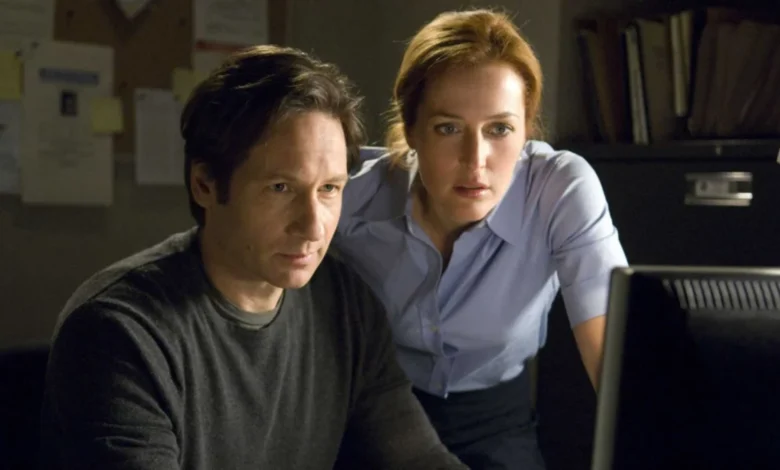
After years of anticipation from a dedicated global fanbase, the long-awaited director’s cut of The X-Files: I Want to Believe, officially titled The X-Files: I Want to Believe Vrach Frankenshteyn, is finally making its debut on Hulu on August 14th. This release promises to deliver director Chris Carter’s original, R-rated vision for the 2008 cinematic installment of the iconic sci-fi franchise, featuring never-before-seen footage and a narrative approach that Disney, the parent company of Hulu, asserts will "faithfully restore the filmmaker’s original vision." This event marks a significant moment for fans who have often expressed a desire for a definitive version of the film, which received a mixed reception upon its initial theatrical release.
The Enduring Legacy of The X-Files
The 1990s were a golden age for science fiction television, producing genre-defining series such as Star Trek: Voyager, Farscape, and Babylon 5. Yet, amidst this rich landscape, The X-Files carved out a unique and unparalleled niche, transcending its genre to become a genuine cultural phenomenon. Debuting in 1993, the series captivated audiences with its blend of paranormal investigation, government conspiracy, and the compelling dynamic between its two lead characters, FBI Special Agents Fox Mulder (David Duchovny) and Dana Scully (Gillian Anderson).
The X-Files was more than just a procedural show; it tapped into the anxieties and skepticism of the era, exploring themes of truth, belief, and the unseen forces at play in society. Its innovative storytelling, which masterfully balanced standalone "monster-of-the-week" episodes with an overarching mythology arc, set new benchmarks for television drama. The series garnered numerous accolades, including multiple Golden Globe Awards and Emmy Awards, and cemented Duchovny and Anderson as household names, their portrayals of Mulder and Scully becoming indelible figures in popular culture. Their chemistry, a slow-burn romance intertwined with deep professional respect and intellectual sparring, became a cornerstone of the show’s appeal, drawing viewers beyond the typical sci-fi demographic.
The original series ran for nine seasons, concluding in 2002. During its initial run, it spawned a theatrical film, The X-Files: Fight the Future, released in 1998, which expanded the mythology onto the big screen. The film was a commercial success, grossing over $189 million worldwide against a $66 million budget, demonstrating the franchise’s cinematic potential and widespread appeal.
The Genesis and Challenges of I Want to Believe
Six years after the series finale and a decade after the first film, The X-Files: I Want to Believe arrived in theaters in 2008. The decision to produce a second film stemmed from continued fan demand and the creators’ desire to revisit the characters. However, the production faced several significant challenges, including the timing of the 2007-2008 Writers Guild of America strike, which impacted the writing process, and a comparatively modest budget of $35 million.
Unlike Fight the Future, which was deeply embedded in the series’ complex alien mythology, I Want to Believe was conceived as a standalone supernatural thriller. Director Chris Carter, who co-wrote the script with Frank Spotnitz, aimed for a more intimate, character-driven story that could appeal to both long-time fans and new viewers, without requiring extensive knowledge of the show’s intricate lore. The film centered on a missing-persons case involving a former priest with psychic visions (played by Billy Connolly) and a sinister organ harvesting operation, drawing Mulder and Scully back into the FBI’s orbit years after their active partnership had concluded.
Upon its release, I Want to Believe earned approximately $68.4 million worldwide, a figure that, while profitable, fell short of the first film’s success and indicated a degree of audience division. Critically, the film received mixed reviews. Some praised its return to the series’ roots of dark, standalone horror and its focus on the emotional arc of Mulder and Scully, particularly Scully’s internal struggle with her faith and scientific skepticism. Others, however, felt the plot was convoluted, lacking the coherence and high stakes of the series’ best episodes or the grandeur of the first film. The juxtaposition of the psychic priest storyline with the organ trafficking plot led some critics and fans to describe the narrative as "Frankensteined together," a critique that ironically aligns with the director’s cut’s intriguing new title.
The Significance of the Director’s Cut: Vrach Frankenshteyn

The announcement of The X-Files: I Want to Believe Vrach Frankenshteyn is particularly significant because director Chris Carter has long alluded to the challenges he faced in bringing his full vision to the theatrical cut. Filmmakers often grapple with studio demands for specific ratings (e.g., PG-13 for wider audience appeal), runtime restrictions, and content alterations. In the case of I Want to Believe, the theatrical release was rated PG-13, a decision that likely necessitated toning down certain elements to achieve the classification.
The "Vrach Frankenshteyn" title itself offers a compelling clue into Carter’s original intent. "Vrach" is the Russian word for "doctor." Thus, "Doctor Frankenstein" immediately evokes themes of unethical scientific experimentation, the creation of life (or unnatural processes), and the consequences of playing God. This title points to a deeper thematic exploration of the organ harvesting storyline, suggesting a more pronounced horror element and moral quandary than was perhaps conveyed in the PG-13 version. An R-rating typically allows for more explicit depictions of violence, gore, mature themes, and stronger language, all of which could contribute to a more visceral and unsettling experience fitting for a darker sci-fi thriller.
The promise of "never-before-seen footage" means fans can expect not just minor trims restored, but potentially entire scenes or extended sequences that reshape character motivations, clarify plot points, or deepen the film’s philosophical underpinnings. For instance, the original critique regarding the two disparate plotlines might be addressed by the director’s cut through additional scenes that more seamlessly weave the psychic visions of Father Joe with the grotesque realities of the organ theft. The delays in its initial June release, attributed to "last-minute tweaks to the final product," further underscore the meticulous effort being put into ensuring this version truly reflects Carter’s intended narrative and aesthetic.
Fan Engagement and Critical Re-evaluation
The release of director’s cuts, once a rarity, has become increasingly common in the streaming era, driven by fan demand and platforms’ desire for exclusive, high-value content. The X-Files fanbase, known for its fierce loyalty and detailed engagement with the show’s lore, has consistently advocated for such a release. The opportunity to compare the Vrach Frankenshteyn cut with the theatrical version will undoubtedly ignite discussions across online forums and social media, as fans meticulously dissect every change and assess its impact on the film’s overall quality and place within the X-Files canon.
This re-release also provides an opportunity for critical re-evaluation. Films that were initially met with lukewarm responses sometimes find a new appreciation in their director’s cut form, as the restored material can clarify artistic intent and improve narrative cohesion. Notable examples include Ridley Scott’s Blade Runner and Zack Snyder’s Justice League, both of which saw significant improvements in critical and fan reception for their extended versions. For I Want to Believe, a more cohesive and tonally consistent R-rated version could potentially elevate its standing among the franchise’s cinematic offerings.
Broader Implications for the Franchise and Streaming Content
The arrival of The X-Files: I Want to Believe Vrach Frankenshteyn on Hulu carries several broader implications. For the X-Files franchise, it injects new life and renewed interest, especially after the two revival seasons (2016 and 2018) also elicited mixed reactions. While the future of the series remains uncertain, with lead actors and creator Chris Carter expressing varying degrees of openness to further installments, a successful director’s cut could demonstrate the enduring commercial viability and cultural relevance of the brand. It also highlights Disney’s commitment to leveraging its acquired Fox properties, not just by re-releasing existing content but by actively engaging with creators to realize previously unfulfilled visions.
From an industry perspective, this event underscores the growing power of streaming platforms to serve as archives for cinematic history and as venues for alternative versions of films. Director’s cuts often represent a filmmaker’s truest artistic statement, free from the compromises of theatrical distribution. By offering such content, platforms like Hulu differentiate themselves and cater to niche, yet passionate, audiences. This trend empowers creators and enriches the viewing experience, allowing audiences to explore the full spectrum of a filmmaker’s creative process.
A Return to the Dark Corners of the Unknown
As August 14th approaches, the excitement among X-Files enthusiasts is palpable. The release of The X-Files: I Want to Believe Vrach Frankenshteyn is not merely the addition of another film to a streaming library; it is the culmination of years of fan advocacy and a testament to a filmmaker’s enduring vision. It offers a chance to revisit Mulder and Scully, not just as they were remembered, but as they were truly meant to be seen in this particular chapter of their story. This R-rated, fully realized version promises to take viewers back into the dark, unsettling corners of the unknown that defined the series, providing a deeper, potentially more impactful experience that may finally unify fan opinion on this divisive entry. The truth, or at least Chris Carter’s version of it, is indeed out there, and it’s coming to Hulu.