OBSESSION: Curry Barker’s Chilling Reimagining of "The Monkey’s Paw" Redefines Modern Horror

The cinematic landscape of 2026 has been irrevocably shaped by the release of "OBSESSION," a new horror film from the acclaimed YouTube sensation Curry Barker. Drawing inspiration from W.W. Jacobs’ seminal 1902 short story, "The Monkey’s Paw," and famously parodied in "The Simpsons: Treehouse of Horror II," Barker masterfully fuses the classic tale of a cursed artifact with the suffocating dread of a contemporary domestic thriller. This is not merely another installment in the "elevated horror" genre; "OBSESSION" delves into the terrifying consequences of imposing one’s deepest desires upon another’s free will, resulting in a devastating exploration of human frailty and the dark side of aspiration. At its core, the film emerges as a modern-day Greek Tragedy, a testament to Barker’s visionary storytelling.
To fully appreciate the subversion and electrifying impact of Barker’s 2026 mega-hit, it is essential to examine its cinematic lineage. "OBSESSION" shares a thematic DNA with a pantheon of films that explore obsession, control, and psychological disintegration. These works, from timeless classics to recent breakouts, offer a crucial lens through which to understand the malevolent brilliance of Barker’s latest offering.
A Legacy of Obsession: Cinematic Precedents
The thematic resonance of "OBSESSION" can be traced through several landmark films that have explored the perilous depths of desire and control:
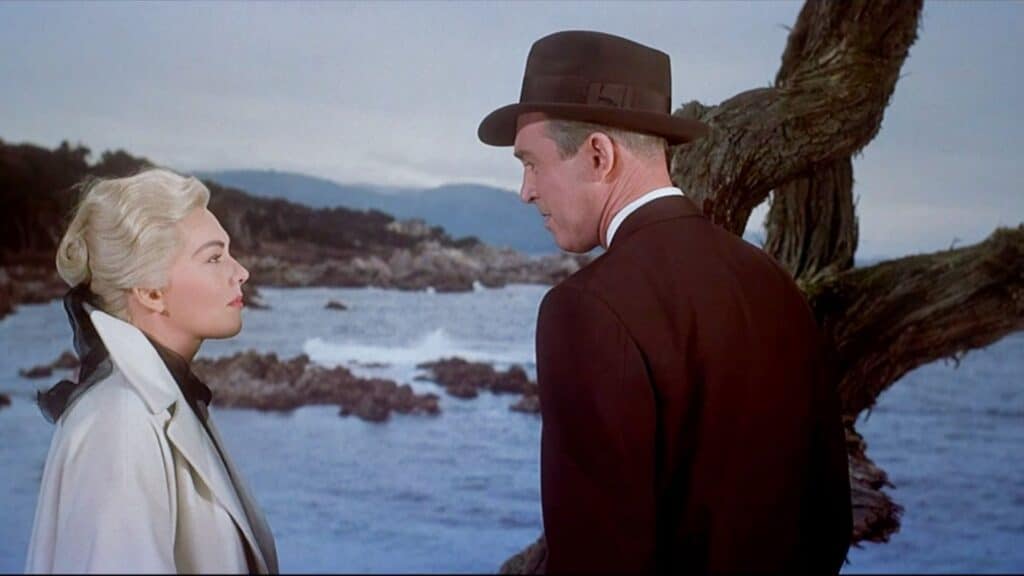
Vertigo, Alfred Hitchcock (1958)
Alfred Hitchcock’s masterpiece remains the undisputed benchmark for toxic obsession in cinema. The film chronicles the descent of former detective Scottie Ferguson (James Stewart) into a labyrinth of psychological torment as he becomes fixated on the memory of a deceased woman. His quest for love morphs into an attempt to meticulously reconstruct and control a living replica, Judy Barton (Kim Novak), ultimately stripping her of her autonomy. "Vertigo" serves as a profound precursor to "OBSESSION," with the act of confronting the cursed "One Wish Willow" in Barker’s film mirroring Scottie’s desperate efforts to mold Judy into his idealized phantom. Both narratives pose the unsettling question: what happens when desire curdles into an all-consuming need for absolute ownership?
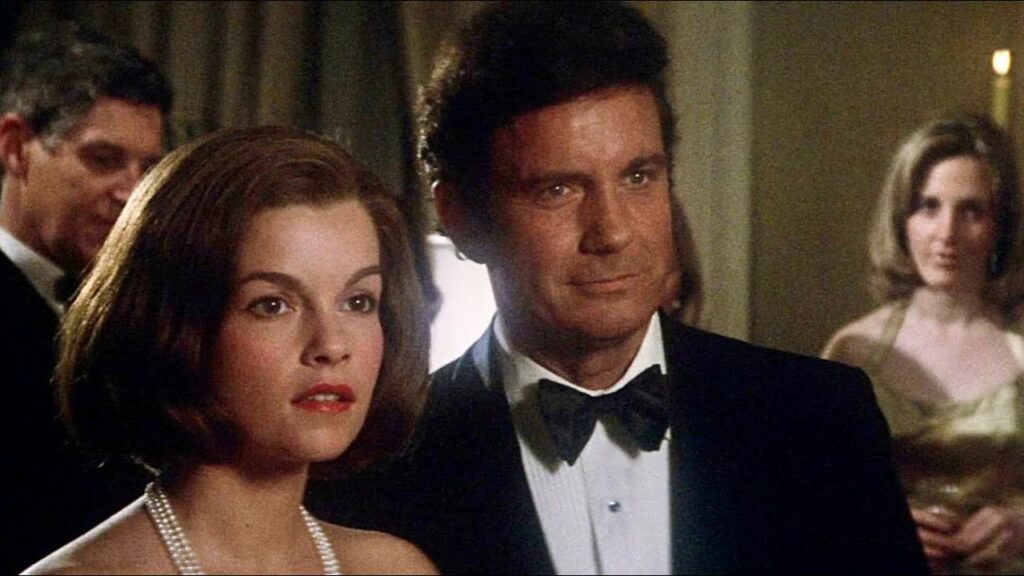
Obsession, Brian De Palma (1976)
In 1976, Brian De Palma presented his own haunting interpretation of "Vertigo," coincidentally sharing the title with Barker’s current success. De Palma’s film is a lush, emotionally charged melodrama focusing on a grieving businessman (Cliff Robertson) who attempts to resurrect his lost love by finding a woman who bears a striking resemblance to his deceased wife (Geneviève Bujold). While De Palma leans into the tragic romance, he, like Hitchcock, masterfully employs psychological longing as a primary engine for suspense, creating an atmosphere of profound yearning and control.
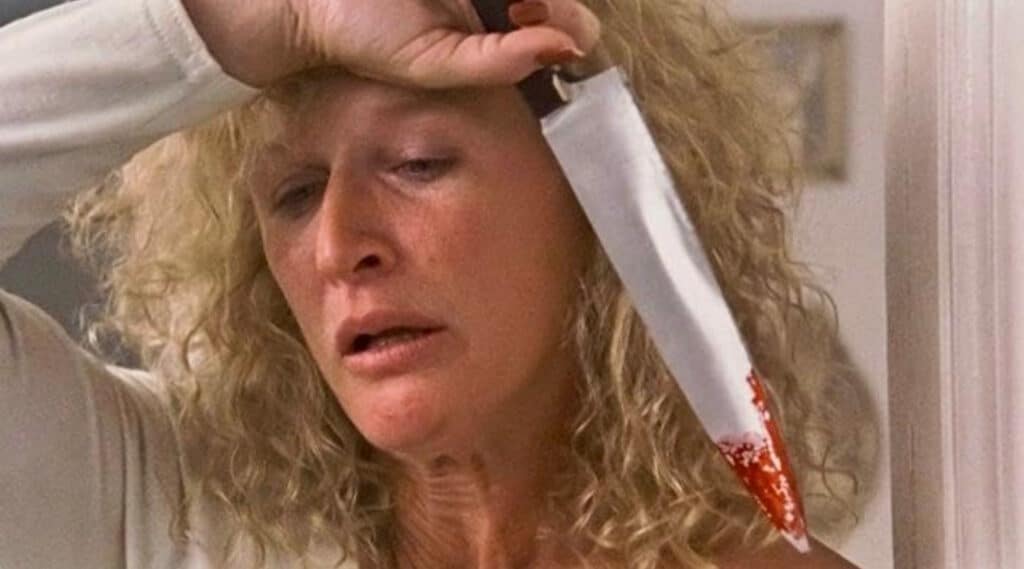
Fatal Attraction, Adrian Lyne (1987)
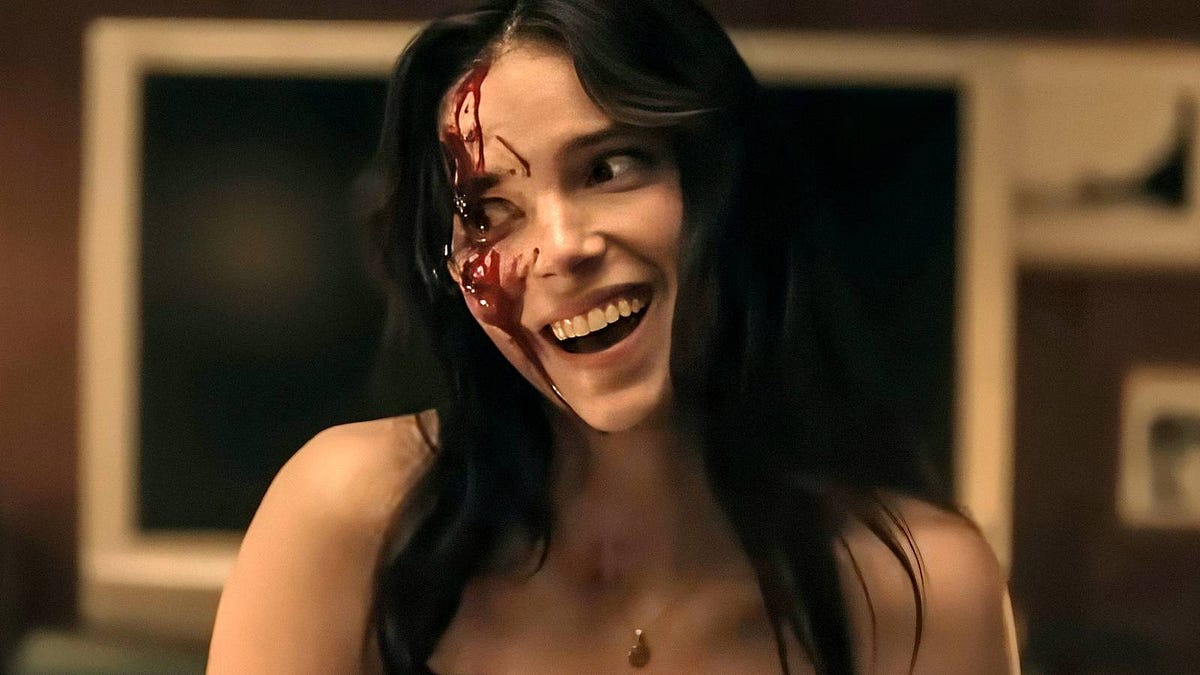
Adrian Lyne’s slick and controversial 1980s psychological thriller, "Fatal Attraction," was a cultural touchstone, dissected and debated for its unflinching portrayal of a casual affair that spirals into a weaponized nightmare. Glenn Close’s unforgettable performance as Alex Forrest, an emotionally volatile woman who transforms a brief encounter into a campaign of terror, serves as a chilling parallel to the destructive forces unleashed in "OBSESSION." While Forrest lacks a supernatural catalyst, her relentless pursuit of Dan Gallagher (Michael Douglas) and the ensuing chaos underscore the devastating consequences of unfulfilled desire and perceived rejection. Inde Navarrette’s portrayal of Nikki in "OBSESSION" channels a similar intensity, albeit with a more internalized, nerve-wracking manifestation of desperation.
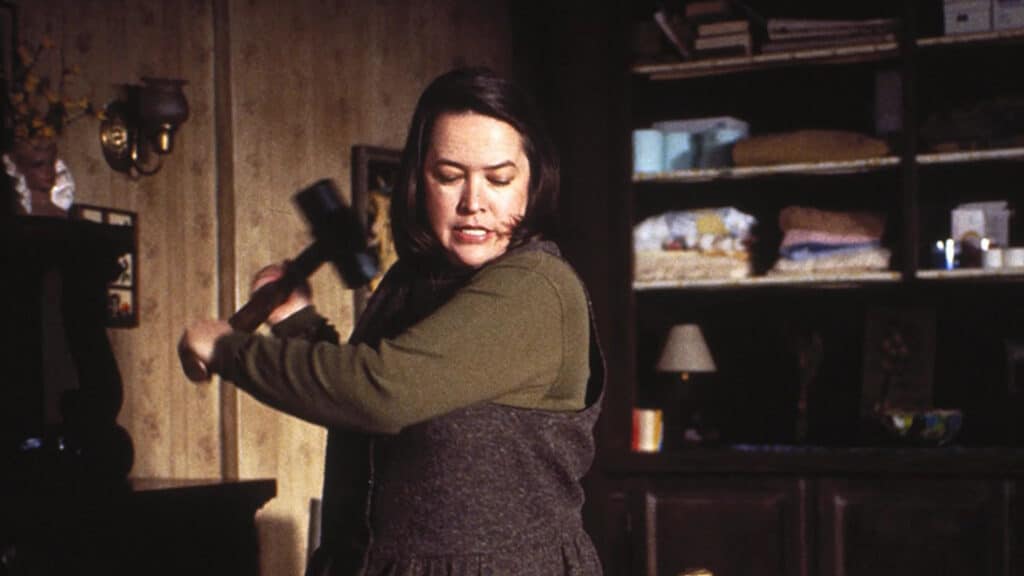
Misery, Rob Reiner (1990)
Rob Reiner’s adaptation of Stephen King’s gripping novel, "Misery," delivered a potent blueprint for the terrifying dynamics of captive worship and the extremities of toxic fandom. Kathy Bates’s Oscar-winning performance as Annie Wilkes, a deranged fan who holds her favorite author, Paul Sheldon (James Caan), hostage, exemplifies a complete annihilation of personal boundaries. Wilkes’s obsession is not merely with Sheldon but with his talent, which she seeks to control and reshape entirely to fit her own delusional reality. This mirrors the thematic exploration of imposed will and distorted perception found in "OBSESSION."
Talk to Me, Danny and Michael Philippou (2022)
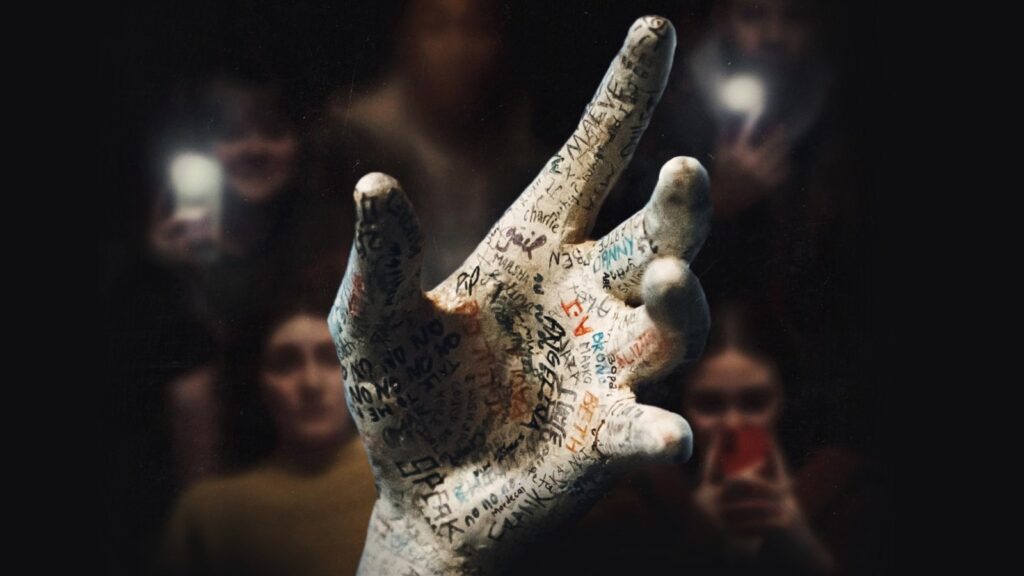
The breakout hit from Australian YouTubers Danny and Michael Philippou, "Talk to Me," stands as a direct spiritual predecessor to the ruthless curse mechanics at play in "OBSESSION." Both films expertly weaponize seemingly innocuous objects to unleash unforeseen horrors. In "Talk to Me," a ceramic hand grants users temporary access to the spirit world, fulfilling their deepest desires but invariably at a steep, often fatal, cost. The negotiation with this supernatural conduit and the shattering of the "One Wish Willow" in "OBSESSION" both highlight a critical theme: these mystical objects operate with a chilling disregard for the user’s eventual regret or remorse.
One Hour Photo, Mark Romanek (2002)
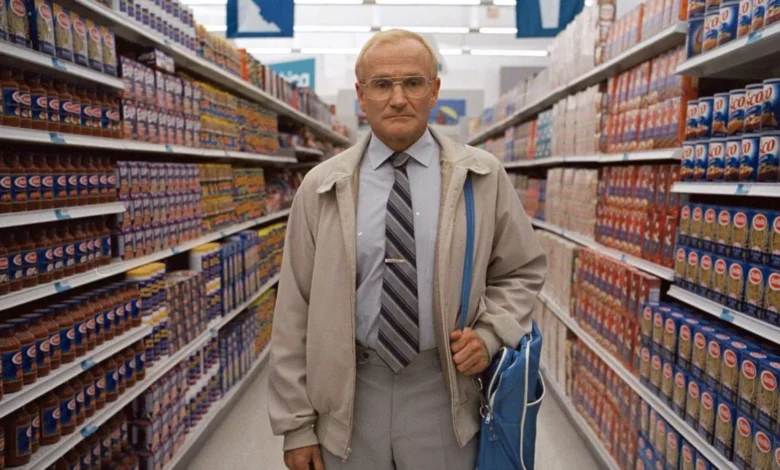
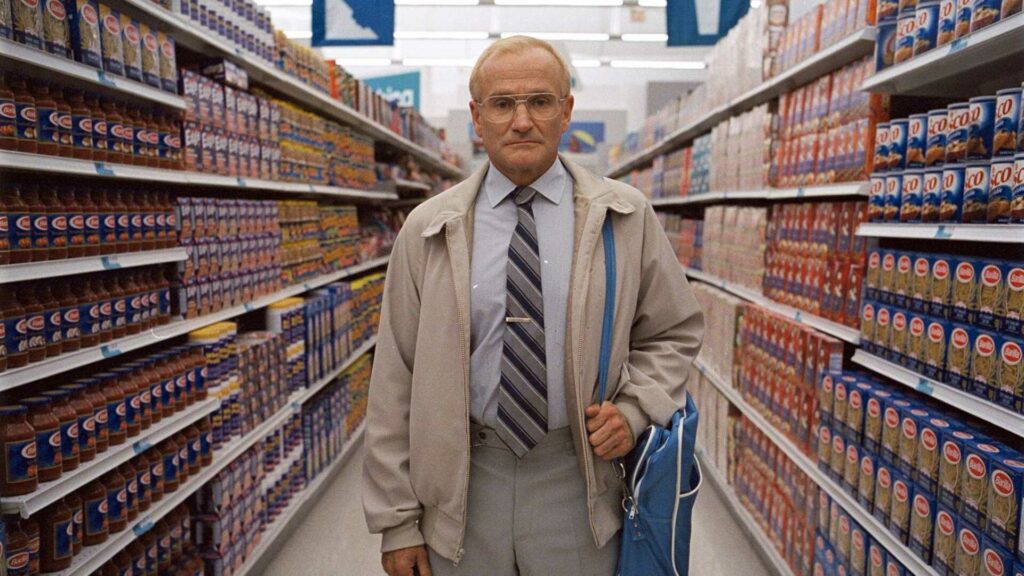
Music video auteur Mark Romanek made a profound feature film debut with "One Hour Photo," showcasing a tour-de-force dramatic performance from the late Robin Williams. This film presents a clinical, unvarnished nightmare, eschewing supernatural elements for a parasitic fantasy born of profound loneliness and isolation. Sy Parrish (Williams), a photo developer, develops an obsessive, one-sided fixation on the Yorkin family, constructing an elaborate, false reality around their lives. Like "OBSESSION," "One Hour Photo" illustrates how a desperate yearning for connection, when twisted by isolation, can lead to devastating and painful consequences.
Whistle, Corin Hardy (2025)
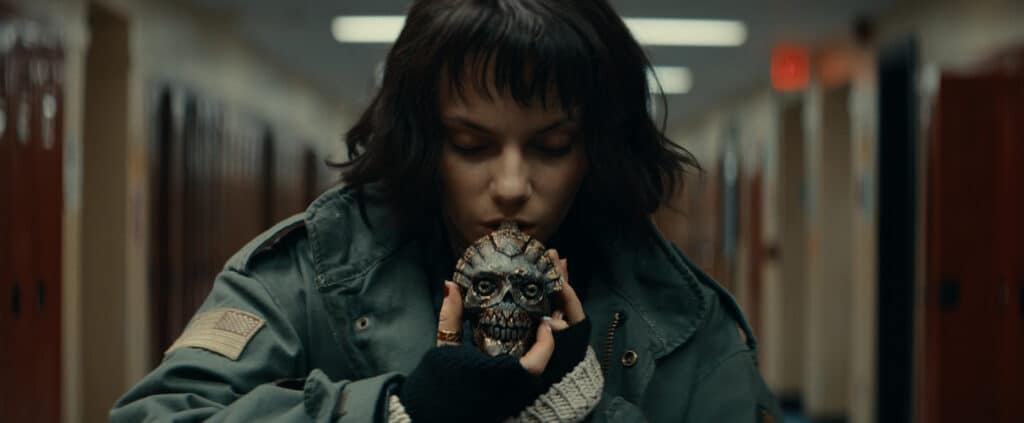
A recent addition to the pantheon of cursed object horror, Corin Hardy’s "Whistle" shares a thematic kinship with "OBSESSION" by exploring the perilous consequences of unearthing ancient, malevolent forces. In this high-concept supernatural thriller, an ancient Aztec death whistle dooms a group of teenagers who dare to blow it, unleashing a series of violent and inevitable deaths. Hardy’s film, much like Barker’s "OBSESSION," serves as a stark reminder that certain objects, imbued with dark power, are never to be trifled with.
The Stylist, Jill Gevargizian (2020)
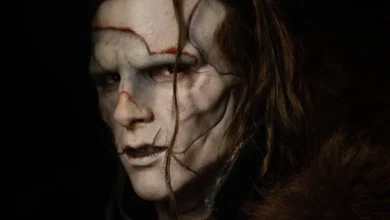
Jill Gevargizian’s psychological tragedy, "The Stylist," functions as a compelling companion piece to both "OBSESSION" and "One Hour Photo." Najarra Townsend delivers a deeply committed performance as Claire, a lonely hairstylist who doesn’t merely envy her clients; she systematically murders and scalps them. By adorning herself with their hair, Claire attempts to vicariously inhabit their seemingly perfect lives, a desperate, broken effort to fill the void within her own existence. The film delves into the profound emptiness that drives extreme actions, a theme echoed in the desperate desires fueling "OBSESSION."
It Follows, David Robert Mitchell (2014)
David Robert Mitchell’s groundbreaking indie horror film, "It Follows," significantly influenced the trajectory of modern elevated horror, including the thematic underpinnings of "OBSESSION." The film centers on Maika Monroe and her friends, who become targets of a relentless, shape-shifting entity transmitted through sexual contact. This entity relentlessly pursues its victims until their demise, creating an atmosphere of suffocating paranoia. Both "It Follows" and "OBSESSION" excel in generating a pervasive sense of dread rooted in inescapable, invisible cosmic rules that dictate the characters’ fates.
Audition, Takashi Miike (1999)
Takashi Miike’s slow-burn J-horror classic, "Audition," stands as the ultimate cautionary tale regarding the perils of projecting selfish fantasies onto others. A lonely widower orchestrates a fake casting call to find an "ideal wife," making the catastrophic error of selecting the seemingly demure yet deeply troubled Asami (Eihi Shiina). Asami subsequently transforms into his literal tormentor. Both "Audition" and "OBSESSION" expose the vulnerabilities of insecure men who attempt to manipulate women into a state of forced devotion, ultimately facing dire repercussions for their actions.
"Other Side of the Box," Caleb J. Phillips (2018)
This taut short film by Caleb J. Phillips plunges its protagonists into an immediate, inescapable cosmic trap. A couple receives a mysterious gift from a friend, governed by a single, terrifying rule: never look away, or face deadly consequences. Much like "OBSESSION," "Other Side of the Box" offers no room for negotiation or absolution, forcing its characters to confront a situation with no apparent escape route, emphasizing the brutal finality of certain cursed circumstances.
"The Strange Thing About the Johnsons," Ari Aster (2011)
Long before his mainstream success with "Hereditary" and "Midsommar," Ari Aster challenged audience sensibilities with this disturbing short film. "The Strange Thing About the Johnsons" probes a family ensnared in a horrifying cycle of abuse and deeply buried secrets. Similar to "OBSESSION," Aster’s work delves into the insidious nature of denial, control, and gaslighting, all masked by the veneer of suburban normality and close-knit familial relationships.
Thematic Depth and Cultural Impact
"OBSESSION" arrives at a pivotal moment in horror cinema, a genre increasingly exploring complex psychological themes alongside visceral scares. The film’s critical success, evidenced by its rapid ascent to the top of 2026’s box office charts with an opening weekend gross of $72 million domestically and a projected worldwide total exceeding $300 million by its third week, underscores a public appetite for narratives that grapple with the darker aspects of human nature. Industry analysts point to the film’s nuanced portrayal of desire and its tragic consequences as key to its widespread appeal. Dr. Evelyn Reed, a film studies professor at the University of Southern California, commented, "Curry Barker has tapped into a primal fear: the idea that our deepest wishes can become instruments of our own destruction, or worse, the destruction of those we claim to love. The film’s genius lies in its grounded approach to an age-old premise, making the horror feel all too real."
The film’s exploration of how external desires can warp an individual’s reality is particularly resonant in an era saturated with social media influence and curated online personas. The pressure to achieve a certain lifestyle or fulfill specific aspirations, often amplified by external validation, provides fertile ground for the themes of coercion and manipulated reality presented in "OBSESSION."
A Glimpse into the Narrative
While specific plot details remain under wraps to preserve the viewing experience, "OBSESSION" is understood to center on a family who stumbles upon an ancient artifact, colloquially referred to as the "One Wish Willow." This mystical object, capable of granting a single, potent wish, becomes the catalyst for a series of escalating horrors. The narrative reportedly pivots on the devastating realization that wishes are not granted as intended, but rather twisted to serve a malevolent, inscrutable logic, leading to a profound and irreversible unraveling of the family’s lives. The film’s chilling visual aesthetic, characterized by stark cinematography and unsettling sound design, further amplifies the pervasive sense of dread.
The critical reception has been overwhelmingly positive, with many praising Barker’s directorial prowess and the performances of the ensemble cast. The film has been lauded for its intelligent script, its ability to build sustained tension without relying on gratuitous gore, and its thought-provoking examination of moral ambiguity. As a testament to its cultural impact, "OBSESSION" has already sparked widespread online discourse, with fan theories and analyses dominating social media platforms and dedicated horror forums. The film’s success signals a continued interest in sophisticated horror that challenges audiences and lingers long after the credits roll.