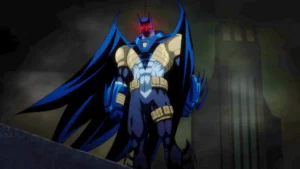
At New York Comic Con 2026, the Jim Lee & Friends panel served as a nexus for major industry announcements, marking a significant shift in how DC Comics plans to integrate multimedia experiences into its core publishing strategy. The event, held at the Javits Center, began with a deliberate atmosphere of anticipation as DC President, Publisher, and Chief Creative Officer Jim Lee requested the dimming of venue lights and the cessation of all recording equipment. This traditional convention protocol, often signaling a high-level reveal, preceded the unveiling of early-stage production footage for the highly anticipated Absolute Batman animated series, along with new character designs for upcoming DC titles. However, beyond the visual spectacle, the panel highlighted a growing trend within the publisher’s creative process: the deliberate use of music as a foundational tool for world-building, narrative pacing, and tonal calibration.
The synergy between music and sequential art has evolved from a subtle background preference for individual creators into a deliberate, branded extension of the DC narrative experience. This evolution reflects a broader shift in the comic book industry toward immersive storytelling, where the publisher aims to provide readers with a multi-sensory environment that mirrors the creative intent of the writers and artists.
The Sonic Architecture of Gotham: Batman: Gargoyle of Gotham
A primary example of this integrated approach is Rafael Grampá’s Black Label limited series, Batman: Gargoyle of Gotham. Grampá, an artist known for his distinct, kinetic visual style, provided attendees at the panel with insight into his creative workflow. According to Grampá, the aesthetic of his Gotham—influenced by the urban architecture of his native Brazil—was constructed in tandem with a specific soundscape.

To codify this experience, DC and the creative team launched an official soundtrack for the series, produced by Lucas Mayer and performed by Paranoid Pilgrim. The album utilizes a blend of melodic synthesizers and orchestral arrangements to evoke the psychological state of key characters, including Jim Gordon, the Ratz, and Batman himself. By providing a curated auditory experience, the publisher allows the reader to engage with the text on a deeper level, essentially locking the reader into the creator’s intended emotional frequency. This represents a transition from reading as a silent, solitary act to reading as an curated audio-visual performance.
Historical Context: A Decade of Auditory Curation
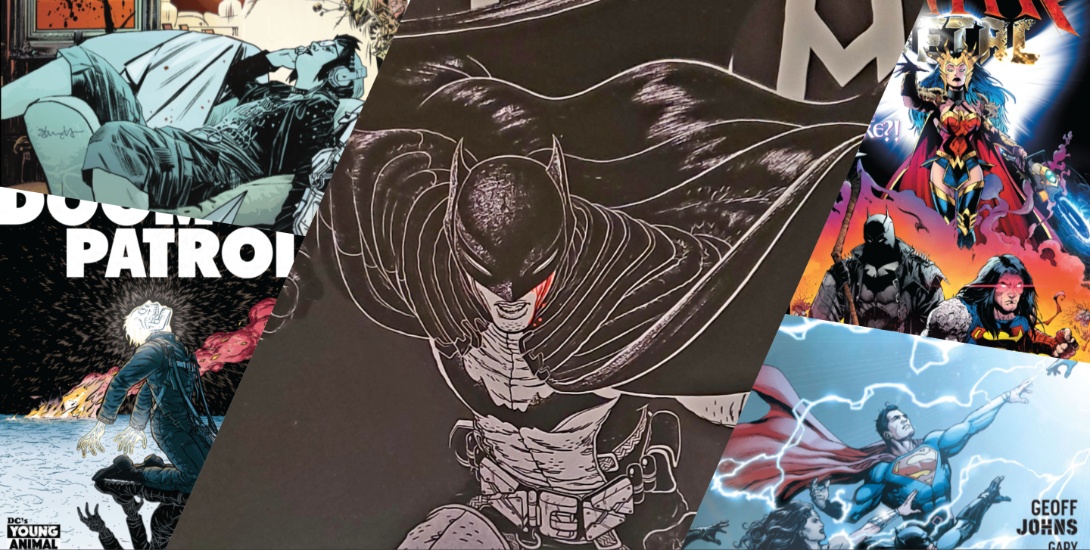
The integration of music into the DC experience is not a sudden development but the culmination of a decade-long experimental period. In 2016, the launch of the Young Animal imprint, led by Gerard Way, served as a catalyst for this strategy. Way, drawing from his background in the music industry, emphasized that the imprint was intended to explore bold, mature themes through a "punk" lens. This ethos was reflected in the official playlists curated by the creative teams for titles such as Shade the Changing Girl, Mother Panic, and Doom Patrol. These playlists, which featured artists ranging from David Bowie and The White Stripes to Paramore and Fall Out Boy, were not merely supplementary materials; they were critical components of the brand’s identity, signaling to the reader the specific attitude and aesthetic of the titles.

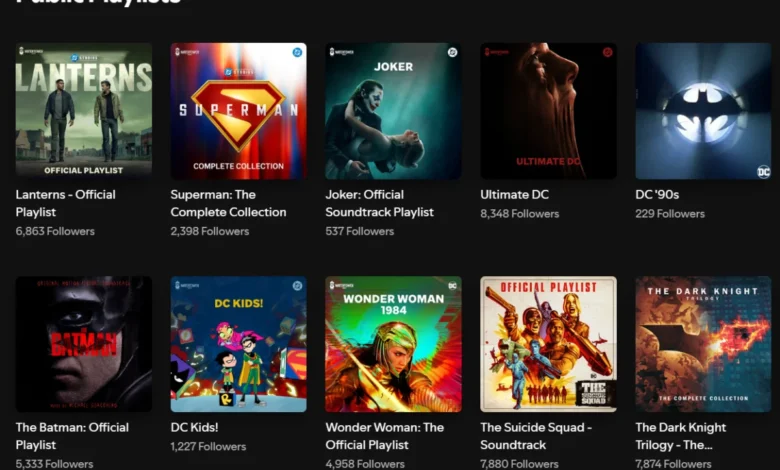
Concurrent with the Young Animal launch, the 2016 DC Universe Rebirth initiative—designed to restore the core continuity of the DC Universe following the New 52 era—utilized Spotify as a major promotional vector. The publisher released a series of character-specific playlists, providing an intimate, if sometimes eclectic, look at the internal lives of characters. These lists included a diverse array of musical genres, such as Broadway tracks for Wonder Woman, grunge and alternative rock for Deathstroke, and classical compositions for Nightwing. These playlists provided a quantifiable look into the characterizations, allowing fans to analyze the music that defined their favorite heroes.
The Dark Multiverse and Metal as Narrative Fuel
The 2021 release of the Dark Nights: Death Metal soundtrack marked perhaps the most ambitious collaboration between DC and the music industry. The project, which served as a musical companion to the high-octane series written by Scott Snyder and James Tynion IV, featured contributions from established rock and metal acts. The soundtrack was a direct reflection of the series’ themes: the breakdown of the multiverse, the introduction of distorted, nightmare versions of iconic characters, and the inherently chaotic nature of the narrative.

Data from streaming platforms suggests that these initiatives have successfully permeated the fan experience. Tracks associated with these projects, such as Rise Against’s "Broken Dreams, Inc." and Chelsea Wolfe’s "Diana," continue to see sustained engagement years after their initial release. The success of these soundtracks suggests that the audience views these tracks as inextricably linked to the narrative events of the comics, with the music acting as a mnemonic device that allows readers to recall complex plot points through sensory association.
Multimedia Expansion and Industry Implications
The panel at New York Comic Con 2026 underscored that this strategy is moving beyond the page. During the presentation of the Absolute Batman animated footage, Jim Lee revealed that he had personally selected the accompanying music to set the tone for the reveal. While the selection, which included classic Black Sabbath, may not feature in the final animated product, the impact on the audience was immediate. The use of heavy, rhythmic metal provided a visceral connection to the visuals, demonstrating how music can lower the barrier between the audience and the character, making the danger and the stakes of the story feel more grounded and immediate.

Furthermore, the expansion into television, as seen with the recent HBO series Lanterns, has continued this trend. The official soundtrack for Lanterns, composed by Stephanie Economou and featuring tracks by artists like Outkast and Kenny G, serves as an extension of the show’s narrative voice. The curation of these soundtracks, alongside thematic collections like the Batman and Catwoman wedding playlist, indicates that DC is treating its intellectual property as a lifestyle brand. By exploring questions such as the canon status of specific artists within the DC Universe, the publisher engages in a form of fan-driven world-building that strengthens community interaction.
Analysis of the Strategy
From an industry perspective, the institutionalization of music within the DC workflow serves several functions. First, it creates an additional point of engagement for the consumer, extending the lifespan of a property beyond the initial publication date. Second, it serves as an effective marketing tool for digital streaming platforms, creating a symbiotic relationship between comic publishers and music labels. Finally, it provides a structured "director’s commentary" in the form of curated music, allowing fans to understand the internal process of the artists and writers.

This shift toward multi-sensory storytelling is likely to expand as technology facilitates easier access to digital assets. As readers increasingly expect a digital-first experience, the inclusion of bespoke soundtracks and thematic playlists may become a standard requirement for major releases. The ability to synthesize the "rhythm" of a story through sound allows creators to dictate the pacing of the reader’s experience, providing a degree of control that was previously impossible in a purely static medium.
Conclusion and Future Outlook
The Jim Lee & Friends panel at New York Comic Con 2026 confirmed that the strategic use of music is no longer an outlier in DC’s publishing strategy but a core component of its brand identity. By treating music as a legitimate, co-equal form of storytelling, DC has fostered a deeper connection between its readers and the creators who shape its expansive multiverse. Whether through the punk-infused chaos of the Young Animal line, the high-stakes intensity of the Dark Multiverse, or the orchestral depth of current Black Label titles, the incorporation of sound has allowed the DC Universe to exist as a living, breathing, and resonant entity.

As the publisher looks toward future projects—including the much-discussed upcoming revamp of Apache Chief—the precedent has been set. The expectation is no longer just for compelling art and writing, but for a holistic, multi-sensory experience. For the modern comic reader, the journey through the streets of Gotham or across the vacuum of space is now accompanied by a soundtrack that ensures the narrative lingers long after the final page is turned. The continued success of these efforts suggests that the integration of sound and vision will remain a defining feature of the DC experience for years to come.
Related posts: