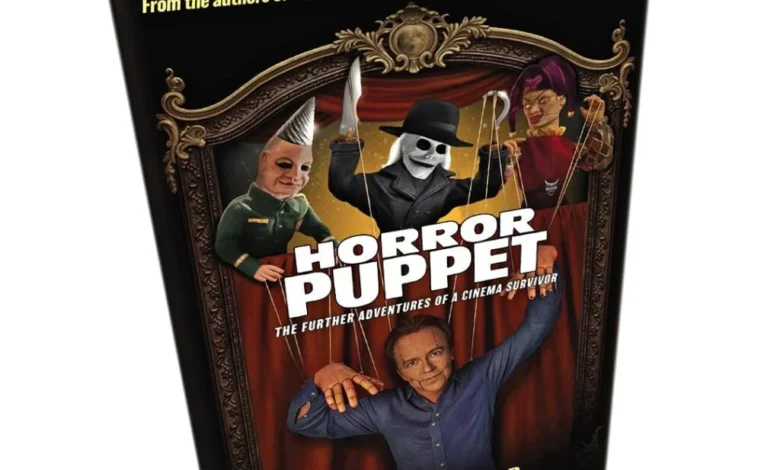
Cult filmmaker, independent cinema pioneer, and Full Moon Entertainment founder Charles Band has officially published his second autobiographical work, titled Horror Puppet: The Further Adventures of a Cinema Survivor. Co-written alongside Emmy-nominated writer Adam Felber—widely recognized for his work on Real Time with Bill Maher and NPR’s cultural quiz show Wait Wait… Don’t Tell Me!—the new book serves as a direct continuation of Band’s 2021 memoir, Confessions of a Puppetmaster.
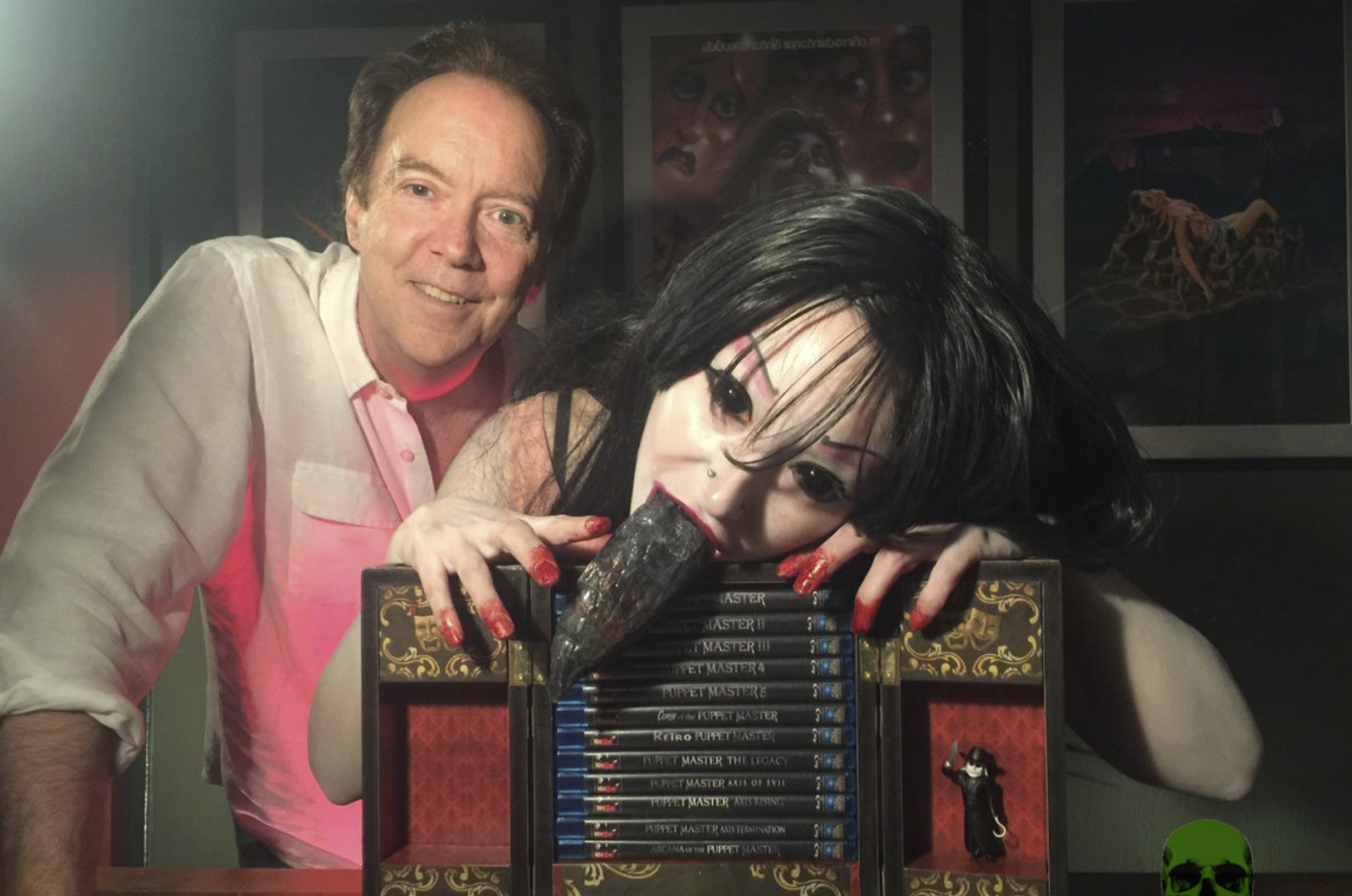
Spanning roughly five years of unexpected turns, personal milestones, and creative reinvention following the publication of his first book, Horror Puppet plunges readers back into the eccentric, relentless, and fiercely independent world of a true B-movie icon. The release is currently accessible to fans and literary enthusiasts in hardcover, Kindle, and audiobook formats via major online retailers like Amazon. Notably, Band has lent his own distinctive voice to the audiobook edition, offering a personal narration that bridges the gap between author and audience. Meanwhile, Full Moon Entertainment’s official online storefront featured a special-edition hardcover release, though high demand caused it to temporarily sell out shortly after launch.
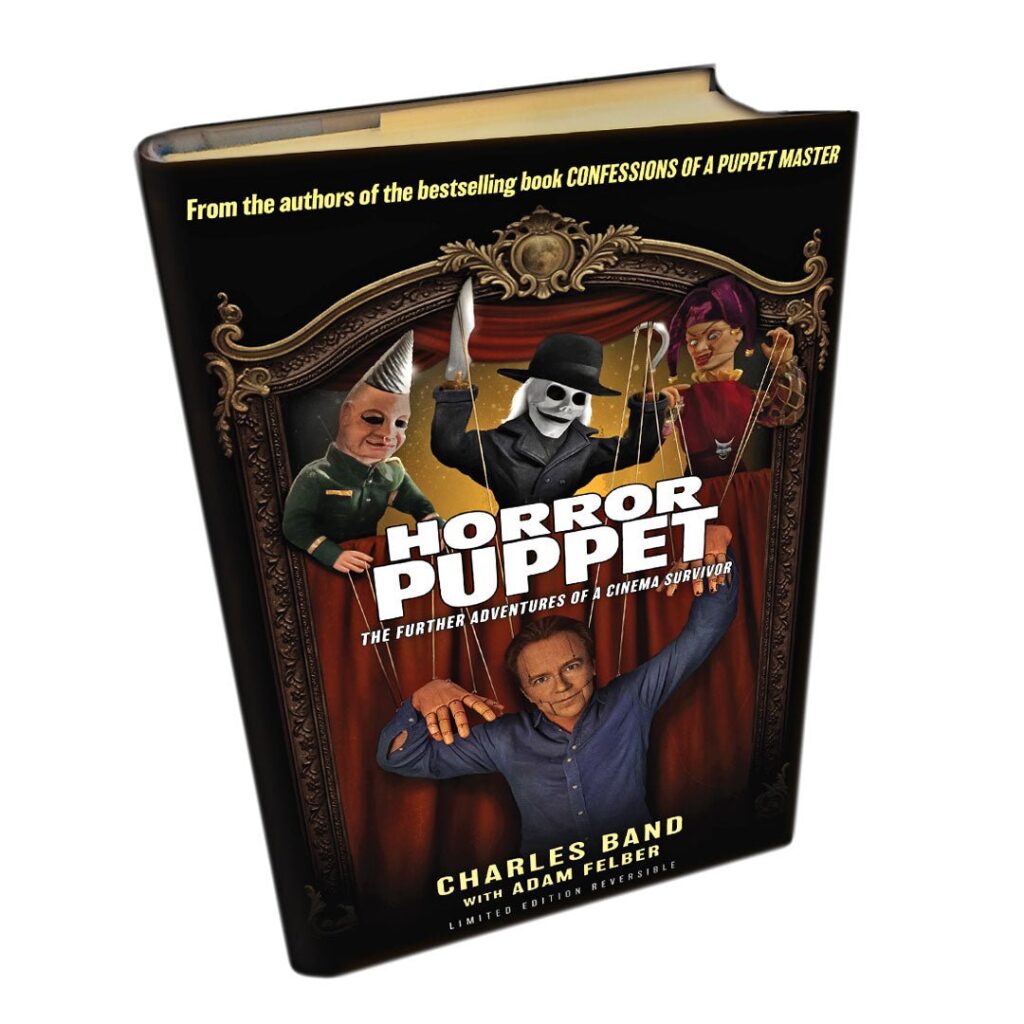
From Puppet Master to Uncharted Territory: The Chronology of a Survivalist
While Band’s first memoir meticulously charted his legendary four-decade career producing, directing, and distributing more than 360 feature films—many of which spawned beloved, macabre franchises featuring killer dolls, monstrous toys, and mischievous goblins such as Puppet Master, Demonic Toys, and Ghoulies—this second installment expands the scope of his narrative into significantly stranger and more surreal domains.

The timeline of Horror Puppet captures a period of intense transition for the veteran filmmaker, detailing real-life events that read like scripts from his own cinematic catalog. Among the highlights documented in the book are Band’s acquisition and stewardship of a reportedly haunted house and church property situated in Cleveland, Ohio; the purchase of a parcel of land in Italy that the memoir describes in reverent, almost mystical terms as sacred ground; and an ambitious international licensing agreement forged with a major Chinese streaming platform to bring Full Moon’s extensive catalog to entirely new global audiences. Furthermore, the book candidly addresses Band’s recent, highly debated experiments with artificial intelligence-generated horror content, a move that sparked considerable conversation within both the indie filmmaking community and among his long-standing fan base.

Background Context and the Legacy of Full Moon Entertainment
To fully understand the significance of Charles Band’s literary output, one must examine the profound impact he has had on the direct-to-video and independent horror landscape since the late 20th century. Born into a cinematic dynasty—his father, Albert Band, was a respected filmmaker and producer—Charles entered the industry with a fierce entrepreneurial spirit. Throughout the 1970s, 1980s, and 1990s, he helmed predecessor companies such as Empire Pictures before ultimately founding Full Moon Entertainment in 1989.

Under the Full Moon banner, Band bypassed traditional Hollywood theatrical distribution models, pioneering the direct-to-video market during its explosive growth era on VHS. By keeping production budgets remarkably lean, maintaining absolute creative control, and relying on practical creature effects crafted by talented miniature and special effects artists, Band cultivated a fiercely loyal subculture of genre enthusiasts. Franchises like Puppet Master—which recently celebrated its own milestone multi-film legacy—became cornerstones of midnight movie marathons and home-video collections worldwide.
Despite the inevitable industry shifts from physical media to streaming platforms, Band has consistently adapted to changing technological landscapes. The inclusion of his foray into AI-generated horror within the pages of Horror Puppet highlights a filmmaker who, even decades into his career, remains willing to court controversy and test the boundaries of emerging tools, regardless of how divisive those choices might be among purists.

Industry Statements and Co-Author Collaboration
The partnership between Charles Band and co-author Adam Felber represents an intriguing synthesis of independent genre grit and sharp, professional comedic writing. Felber, whose television and radio credits demand a precise command of pacing and narrative structure, provides a literary polish that complements Band’s sprawling, anecdotal storytelling style.

Although official corporate press statements from major Hollywood studios are absent—as is standard for an independent release of this nature—literary critics and industry observers have noted that memoirs penned by exploitation and cult filmmakers serve an increasingly vital role in preserving cinematic history. As traditional studio histories often overlook the economic and artistic realities of low-budget filmmaking, works like Horror Puppet offer invaluable primary-source documentation of an era when entrepreneurial moxie was the primary vehicle for cinematic survival.

Collaborators and long-time associates of Full Moon Entertainment have frequently praised Band’s relentless work ethic. Even as he reflects upon his life in print, the production wheels at his studio continue to turn without interruption.

Broader Impact and Future Outlook for the Brand
The publication of Horror Puppet arrives at a time when Full Moon Entertainment is experiencing a robust wave of nostalgic appreciation and active production. Maintaining a steady drumbeat of releases and live fan events throughout 2026, the studio has successfully leveraged both its classic catalog and fresh content to sustain its dedicated consumer base.

Industry analysts following the independent horror market point out that nostalgia-driven publishing—ranging from retrospective art books to autobiographies by cult icons—plays a crucial role in modern merchandising ecosystems. By offering fans a deeper, unfiltered look behind the curtain of productions that were often made under extreme financial constraints, creators like Band solidify their legacy while simultaneously driving interest in ongoing and upcoming film projects.
Looking ahead, Full Moon has already generated considerable buzz for its slate of upcoming releases. Notably, a sequel to the studio’s infamous 1996 erotic horror-comedy throwback Head of the Family is officially slated for release next year, promising to deliver the same blend of transgressive camp and practical creature work that defined the original picture.
Ultimately, Horror Puppet: The Further Adventures of a Cinema Survivor cements Charles Band’s place not just as a prolific purveyor of cinematic schlock, but as an enduring survivor of an industry that has undergone radical transformations over the past half-century. Through triumphs, eccentric real estate acquisitions, technological debates, and an unending army of celluloid monsters, Band continues to write his own rules—both on screen and on the page.