Horror Highlights: WERWULF Alternate Reality Game, DON’T OPEN THE DOOR Casting, A CENTURY OF HITCHCOCK Book

The contemporary entertainment landscape continues to evolve through innovative marketing strategies, high-profile casting announcements, and critical reevaluations of cinematic history. Recent developments across the film industry highlight how studios are engaging audiences beyond the traditional theatrical window, while publishing houses offer fresh perspectives on enduring Hollywood icons. From interactive digital campaigns bridging the gap between social media platforms and upcoming horror releases to unexpected acting debuts in grounded thrillers and comprehensive archival studies of classic directing techniques, the latest news cycle underscores the dynamic nature of modern cinema and its surrounding culture.
Focus Features Expands Interactive Marketing with Werwulf Alternate Reality Game
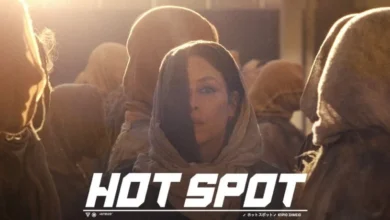
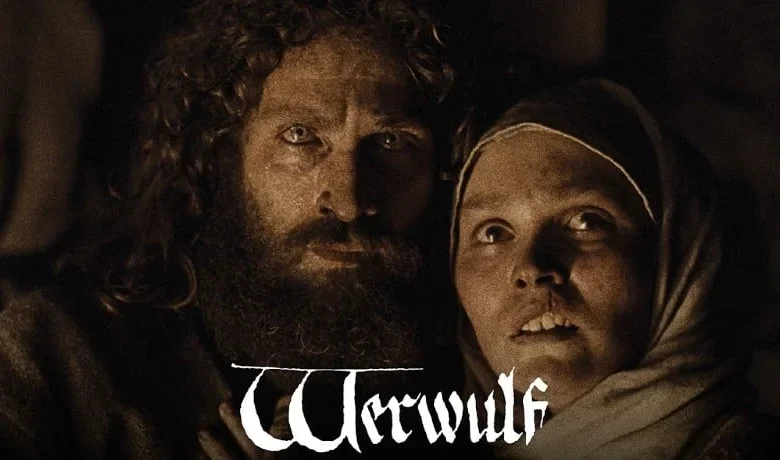
In the realm of promotional campaigns, studios are increasingly turning to alternate reality games (ARGs) to cultivate grassroots excitement. Focus Features has officially activated the third and final clue for its upcoming horror release Werwulf, scheduled to hit theaters nationwide on Christmas Day, December 25. The digital campaign centers on the dedicated portal DevourethAllMankynde.com, which opened its virtual doors to coincide with the final full moon cycle.
Beginning promptly at 9:00 AM Pacific Time on November 24, fans were given a strict 24-hour window to decipher the cryptic sign hidden within the platform. Successfully solving all three lunar challenges unlocks exclusive, limited-edition physical rewards for dedicated participants on a first-come, first-served basis. Eligible fans who complete the entire trilogy of puzzles are given the choice between securing admission to a special Full Moon advance screening on December 23 across select markets in the United States or receiving a limited-edition lithographic art print featuring original promotional artwork from the film.
For this final phase of the campaign, Focus Features partnered with the popular social cataloging and film discovery platform Letterboxd. An interactive easter egg was seamlessly integrated directly into the official Werwulf film page on Letterboxd. When users interact with the site by clicking the platform’s standard watchlist button, a specialized clawmark animation triggers across the interface, dynamically peeling back the digital layer to reveal the final hidden sign underneath. This creative integration demonstrates a growing trend within film marketing: utilizing established cinephile ecosystems to drive organic discovery and reward community participation.
The strategic rollout of the Werwulf ARG reflects a broader shift toward experiential entertainment. By demanding active participation rather than passive consumption, Focus Features has fostered an online community of horror enthusiasts who pore over digital breadcrumbs, analyze frame data, and share theories across social media channels. As theatrical distribution becomes increasingly competitive, such immersive pre-release campaigns serve to establish distinct brand identities and build pre-existing emotional investments before general audiences ever step foot inside a cinema.
Deon Taylor Secures Armani Greer and GloRilla for Elevated Horror-Thriller Don’t Open the Door
Shifting from promotional strategies to active production, filmmaker Deon Taylor has rounded out the principal cast of his upcoming elevated horror-thriller Don’t Open the Door. The Hidden Empire Film Group production, currently shooting on location in Mississippi, has officially announced that rising actress Armani Greer will take on the central lead role. Greer, known for her standout performances in Tyler Perry’s Why Did I Get Married Again? and the television series The Drop: A Snowfall Saga, brings considerable emotional depth and dramatic intensity to the project, anchoring a narrative that filmmakers have revealed is deeply rooted in explorations of real-world trauma.
In addition to Greer’s casting, the production made headlines by confirming that Grammy-nominated rap superstar Gloria Hallelujah Woods, universally known as GloRilla, will make her official feature-film acting debut in the movie. Managed by music executive Yo Gotti and signed to CMG and Interscope Records, GloRilla has experienced a meteoric rise within the global hip-hop community. Following the massive success of her 2024 debut album Glorious—which yielded chart-topping singles such as TGIF and Hollon and earned multiple Grammy nominations—the Memphis native brings a distinctive cultural energy and undeniable screen presence to the ensemble.
The inclusion of Greer and GloRilla bolsters an already formidable cast that features Tyrese Gibson, Ron Livingston, Beverly D’Angelo, and Omar Benson Miller. Written and directed by Deon Taylor, Don’t Open the Door operates under a heavily guarded plot structure, though studio executives have emphasized that the narrative will expand far beyond the boundaries of standard cinema. Hidden Empire Film Group has confirmed plans to launch a comprehensive graphic novel-inspired universe tied directly to the film’s intellectual property, continuing the studio’s mandate to pioneer multimedia storytelling formats.
Behind the scenes, the production represents a collaborative effort among diverse industry heavyweights. NFL star Cameron "Cam" Heyward of the Pittsburgh Steelers is co-producing the project through his Iron 97 Productions label, alongside Oscar-nominated producer Shannon McIntosh, a longtime collaborator of Quentin Tarantino, producing through McIntosh Films. They join Hidden Empire Film Group principals Deon Taylor and Roxanne Avent Taylor. Acclaimed cinematographer Maxime Alexandre, whose visual styling defined horror hits such as The Nun, Annabelle: Creation, and Crawl, serves as the director of photography.
Hidden Empire Film Group has long positioned itself as an independent studio willing to challenge conventional Hollywood formulas. By fostering culture-driven narratives and taking bold creative risks, the studio has consistently sought to redefine audience expectations. Reflecting on the latest casting additions, director Deon Taylor noted that the project relies on authentic energy and unexpected pairings, observing that the dynamic between Greer and GloRilla introduces a fresh, magnetic presence that audiences have not previously witnessed in the genre space.
Tony Lee Moral Examines the Complexities of Cinematic History in A Century of Hitchcock
While contemporary filmmakers push boundaries with cross-media universes and interactive marketing, film historians continue to interrogate the foundations of the medium. Marking the centennial anniversary of Alfred Hitchcock’s directorial debut, The Pleasure Garden (1925), and the fiftieth anniversary of his final cinematic work, Family Plot (1976), author and researcher Tony Lee Moral has released a comprehensive new appraisal titled A Century of Hitchcock: The Man, the Myths, the Legacy.
Alfred Hitchcock remains one of the most thoroughly analyzed figures in film history. Over a career spanning six decades, the self-proclaimed Master of Suspense directed more than fifty feature films, fundamentally shaping the visual vocabulary of the thriller and horror genres. Films such as The Lodger (1927), Vertigo (1958), North by Northwest (1959), Psycho (1960), and The Birds (1963) not only achieved immense commercial and critical success but also established technical paradigms regarding editing, camera movement, and psychological tension that continue to influence contemporary auteurs like Christopher Nolan, Jordan Peele, and Bong Joon Ho.
Despite never winning a competitive Academy Award for Best Director—though he received five nominations, an Irving G. Thalberg Memorial Award, two Golden Globes, and numerous lifetime achievement accolades—Hitchcock’s cultural footprint is permanent, with nine of his masterworks preserved in the United States National Film Registry. However, as the film industry navigates the cultural reckonings of the post-#MeToo era, biographical scrutiny surrounding the director’s personal life and professional relationships has intensified significantly in recent decades.
In A Century of Hitchcock, Moral draws upon extensive new archival research, previously unexamined documents, and rigorous textual analysis of major historical biographies to challenge prevailing narratives. The book closely scrutinizes the interpretations set forth by earlier biographers, most notably Donald Spoto, whose 1983 work heavily influenced public perception regarding Hitchcock’s alleged mistreatment of his actors, particularly actress Tippi Hedren. By meticulously reviewing transcripts from Spoto’s original 1980 interview with Hedren, Moral uncovers documentary evidence that complicates decades-old assumptions, offering a more nuanced exploration of the friction between artistic genius and interpersonal dynamics on legendary sets.
Moral’s work does not seek to excuse or dismiss controversies, but rather encourages readers and film scholars to look beyond a single, monolithic biographical narrative. By examining the intricate realities of creative collaboration, the pressures of mid-century studio systems, and the myth-making machinery of Hollywood publicity, A Century of Hitchcock provides a balanced, thoroughly documented reexamination of a complex cinematic titan. The publication serves as a timely reminder that as audiences and creators celebrate the enduring art of suspense, the critical frameworks used to evaluate historical filmmakers must remain rigorous, evidence-based, and adaptable to new archival discoveries.