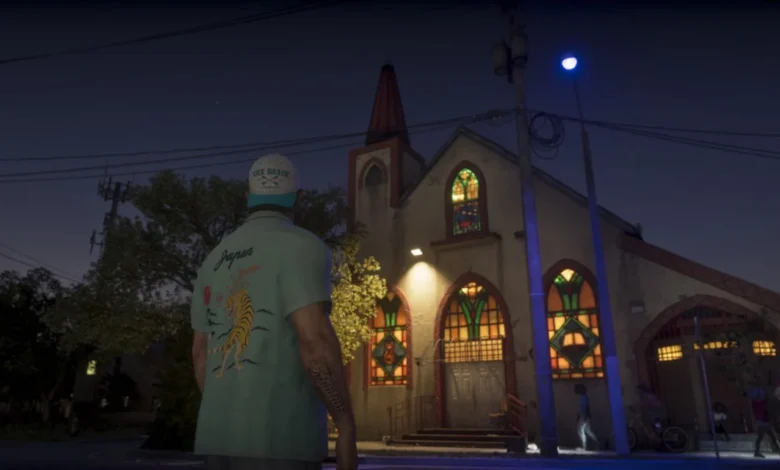
Rockstar Games has once again demonstrated an obsessive commitment to environmental realism in Grand Theft Auto 6. Set in the fictional state of Leonida—a sprawling, satirical, yet remarkably faithful recreation of Florida—the game’s open world is populated by minute details that mirror the quirks of its real-world inspiration. Among the most discussed environmental curiosities by players in the game’s early access and release windows are the peculiar, glowing purple streetlights that illuminate specific stretches of Leonida’s highways and residential districts. While some observers initially dismissed these as a stylized artistic choice or a digital rendering error, the presence of these violet-hued lamps is a direct reflection of a documented infrastructure crisis currently unfolding across the United States.
A Phenomenon Rooted in Reality
The purple streetlights found within the digital borders of Leonida are not a product of creative license, but rather a digital recreation of a genuine public works phenomenon that began gaining national attention in 2023. Across various American cities—including major municipalities in Florida—residents began reporting that their standard-issue LED streetlights had begun emitting an eerie, intense purple glow.
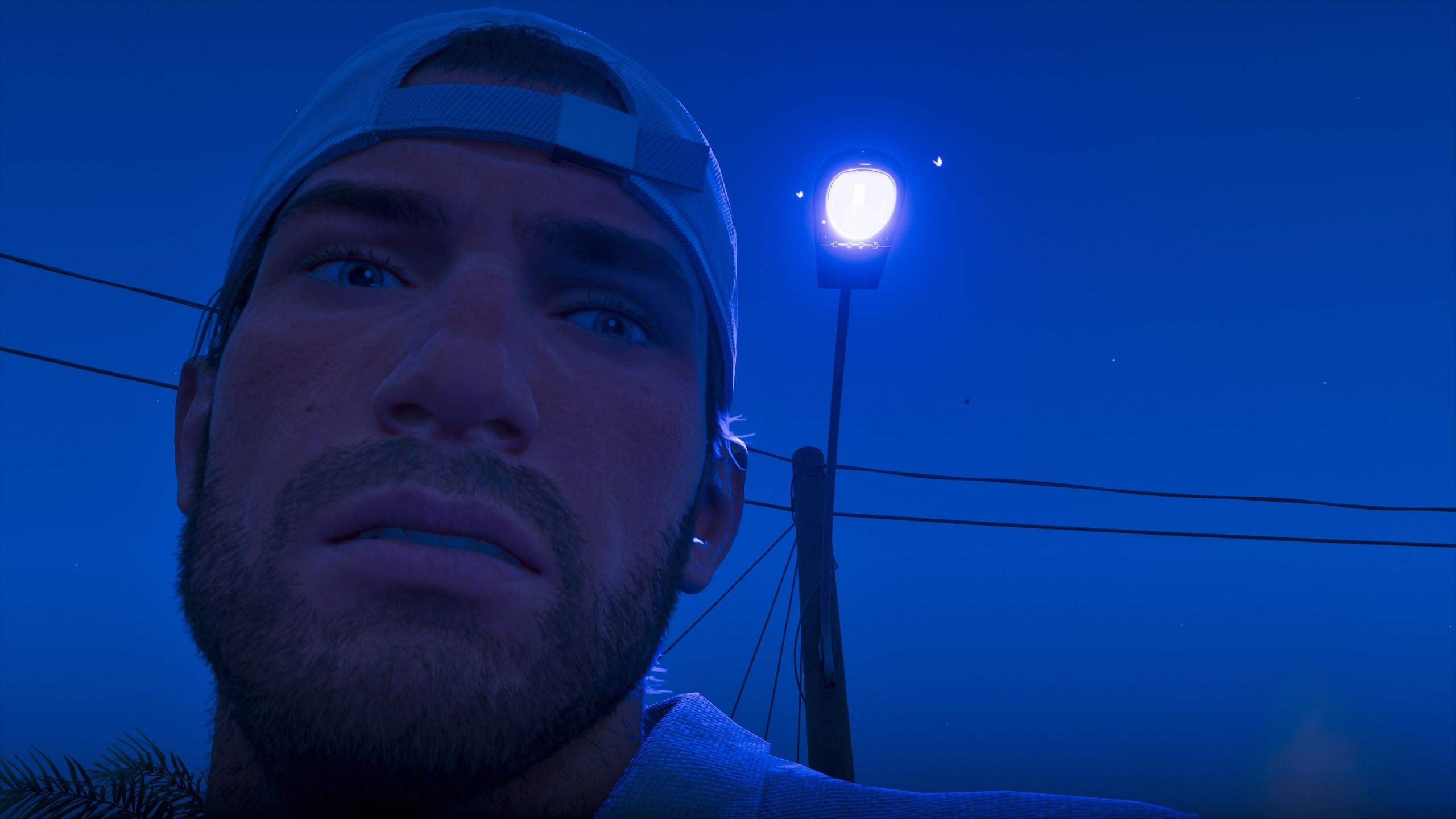
This color shift is not intended, nor is it a sign of advanced aesthetic planning by local governments. Instead, it is the visible symptom of a manufacturing defect that has affected tens of thousands of light-emitting diode (LED) fixtures installed by power companies and municipal authorities over the last several years. The phenomenon serves as a case study in the complexities of large-scale infrastructure management and the unexpected ways that technical failures can permeate public life and, eventually, popular culture.
The Science of the "Purple Shift"
To understand why the lights in GTA 6—and the streets of Florida—have turned violet, one must look at the mechanics of modern LED technology. White LED streetlights are not inherently white; they are typically blue LEDs coated with a phosphor layer. This yellow-tinted phosphor coating is designed to absorb the blue light and convert it into a broader spectrum that appears as warm, neutral white light to the human eye.
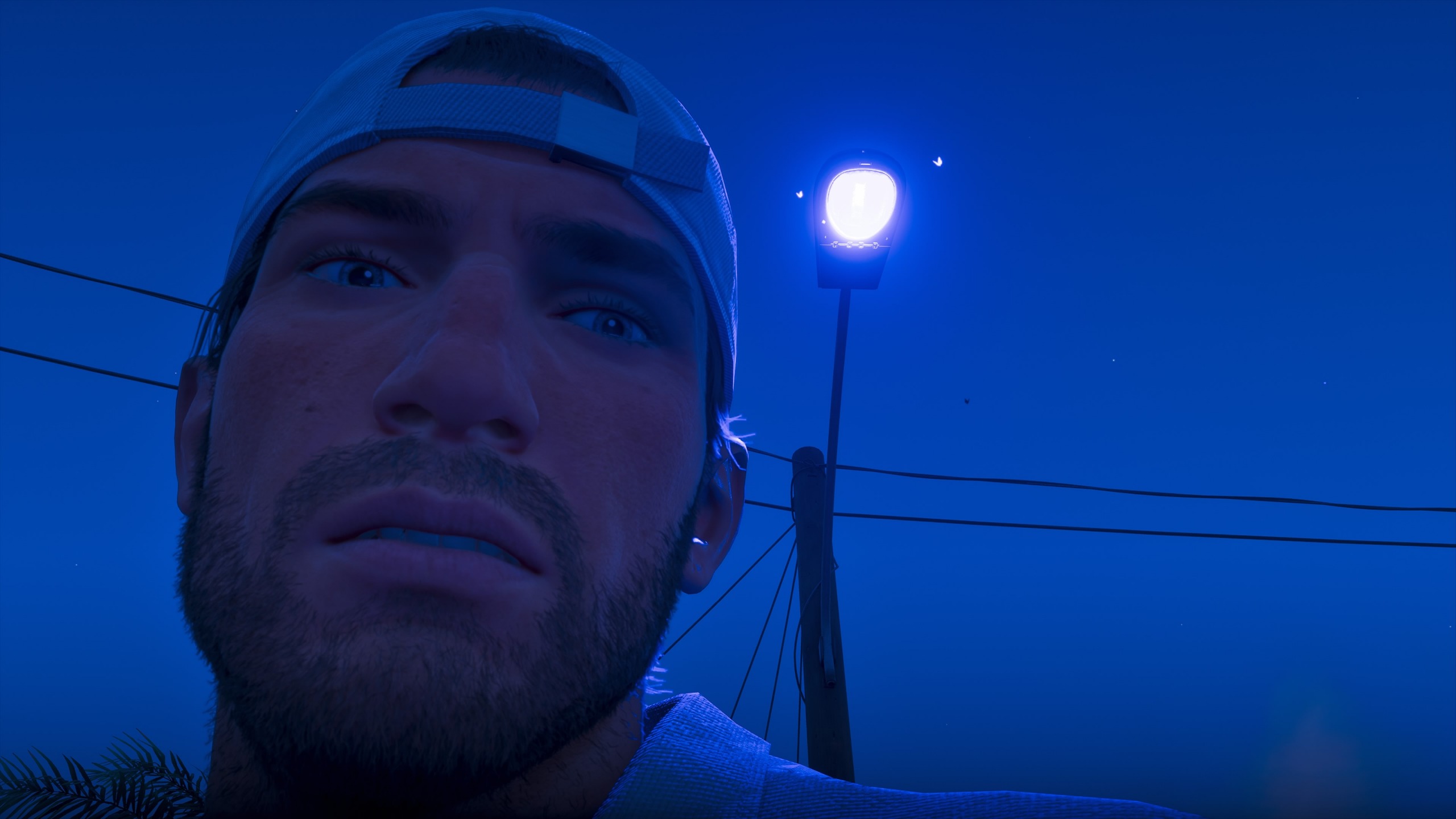
The purple hue occurs due to a phenomenon often described by lighting engineers as "phosphor displacement" or degradation. If the phosphor coating on the LED chip is defective, improperly applied, or degrades prematurely due to extreme environmental conditions, the light emitted is no longer filtered. Consequently, the raw, unfiltered blue light from the LED diode escapes. When this blue emission interacts with the specific optics of the streetlamp housing, it produces the vibrant, deep violet or purple color that has baffled commuters and residents alike.
Timeline of the Infrastructure Failure
The timeline of this incident provides insight into how quickly a localized technical issue can become a widespread regional anomaly.
- Early 2022: Initial reports of "purple-tinted" lights began to emerge in isolated neighborhoods across various states, often dismissed as flickering or minor maintenance issues.
- 2023: The number of affected lights surged as the initial batch of fixtures, installed during a massive wave of LED retrofitting programs, reached a critical point in their lifecycle where the phosphor coating began to fail en masse.
- Late 2023 to 2024: Major utility providers in Florida, including Duke Energy and Florida Power & Light, acknowledged the issue. Public records indicate that hundreds of thousands of units were affected across the state.
- Present Day: While major replacement programs have been initiated, the scale of the defect has proven difficult to address. Consequently, the "purple light" remains a common sight on many highways and suburban streets, cementing its status as a recognizable feature of the contemporary Florida landscape.
The Rockstar Games Approach to World Building
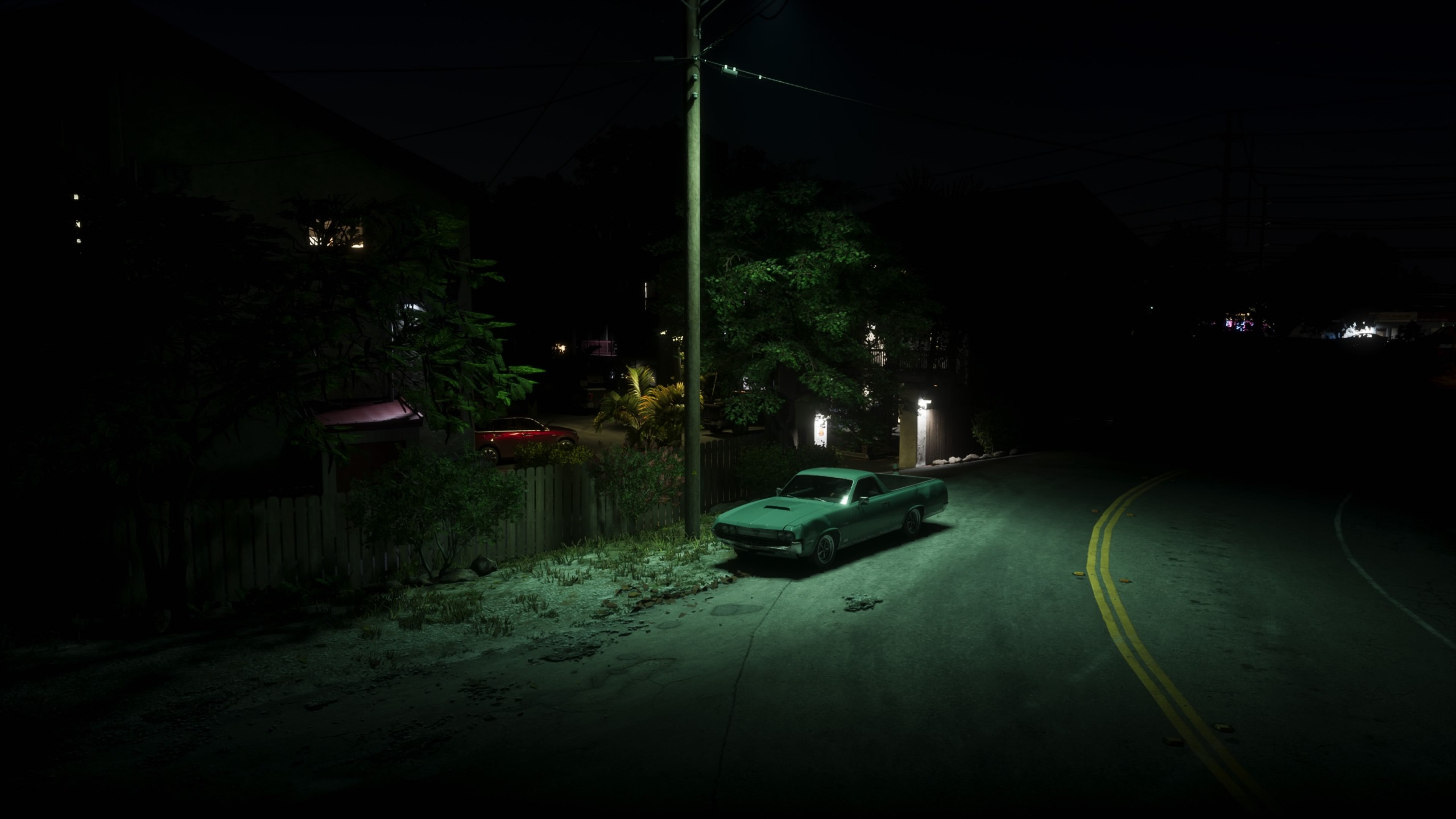
The decision by Rockstar Games to include these defective lights in the aesthetic profile of Leonida speaks to the developer’s methodology regarding "hyper-reality." In previous entries of the Grand Theft Auto franchise, environments were often idealized versions of their real-world counterparts. However, in GTA 6, the team has leaned into the specific, often mundane, realities of 2020s Florida.
By including the purple lights, the developers have grounded the game in a very specific moment in time. Just as the game features parodies of social media trends and contemporary political discourse, the inclusion of failing public infrastructure serves as a subtle, perhaps accidental, commentary on the aging and maintenance-heavy nature of modern urban systems. It creates a sense of "lived-in" authenticity that resonates with Floridian players, who recognize the lights as a genuine part of their nightly commute.
Implications for Municipal Management
The purple light issue has prompted a broader conversation regarding the risks of rapid infrastructure modernization. Many municipalities moved quickly to replace older High-Pressure Sodium (HPS) streetlights—which emitted a distinct orange glow—with modern, energy-efficient LEDs to save on electricity costs and reduce maintenance frequency.
However, the "purple incident" has highlighted the fragility of supply chains in the lighting industry. Reports suggest that the defective batch of lights originated from a common vendor used by multiple utility companies. This reliance on a centralized supply chain meant that when the manufacturing process failed, the impact was not localized to a single city, but distributed across entire regions. For city planners, the lesson is one of increased scrutiny in quality control and the necessity of testing new lighting technology for long-term durability before full-scale deployment.
Beyond Purple: Other Lighting Anomalies
While the purple lights have a clear, documented cause, the appearance of turquoise or green-tinted lights in certain areas of the game—and in the real world—adds another layer of complexity. Some green-tinted lights in real-world urban environments are occasionally attributed to different types of LED failures or specialized spectrums designed for specific biological or agricultural needs. In the context of Florida, some residents have speculated about lights modified for wildlife protection, such as those near coastal areas that minimize light pollution to prevent disorienting sea turtles.
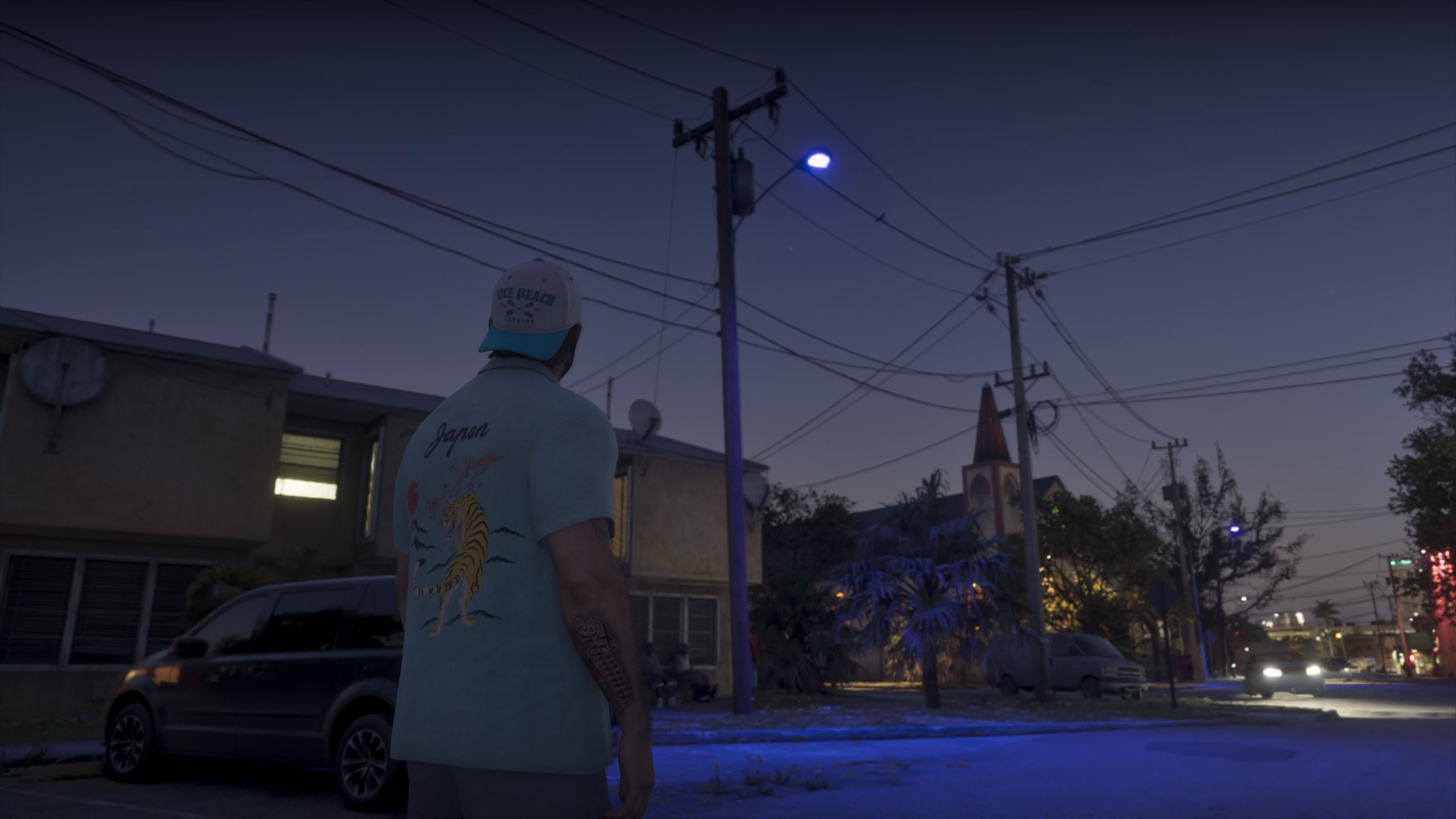
However, unlike the purple lights, which have been confirmed as a manufacturing defect, the green or turquoise lights often observed are frequently a result of varying color temperatures or "binning" issues—where LEDs from different manufacturing runs are mixed in the same installation. Whether these were included in the game as a nod to these real-world inconsistencies or as a way to vary the visual mood of Leonida’s night-time districts, they contribute to the game’s overall atmosphere of urban decay and technological imperfection.
Conclusion
The presence of purple streetlights in Grand Theft Auto 6 is a prime example of how digital media reflects the complexities of the physical world. What began as a widespread technical failure in Florida’s power grid has been immortalized in one of the most anticipated pieces of entertainment media in history. The phenomenon serves as a reminder that even the most advanced, high-budget virtual worlds are tethered to the realities of the physical infrastructure that surrounds us.
As Rockstar continues to update the environment of Leonida, these purple lights stand as a testament to the company’s attention to detail and its desire to capture the specific, sometimes chaotic, character of the modern American landscape. Whether viewed as a technical glitch, a piece of urban art, or a commentary on the state of public works, the purple streetlights of Leonida are here to stay, illuminating the dark corners of a digital Florida with the same erratic, violet glow that has become an unintended fixture of the real one.
Related posts: