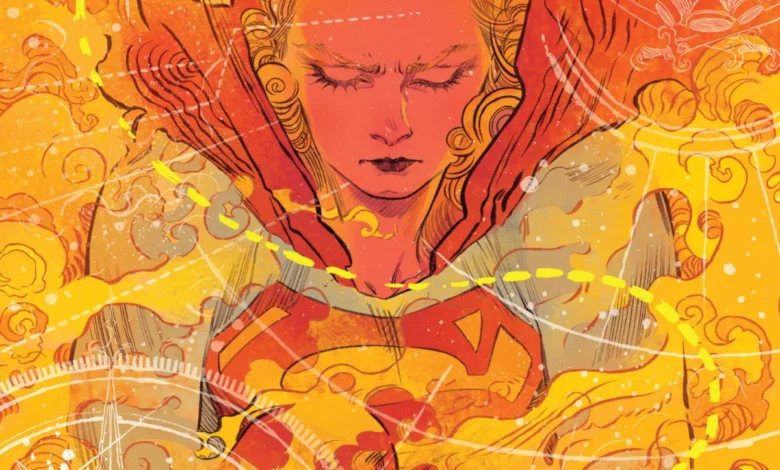
The upcoming theatrical release of the Supergirl motion picture, scheduled for June 26, 2026, has ignited a resurgence of interest in the source material, Tom King and Bilquis Evely’s acclaimed eight-issue limited series, Supergirl: Woman of Tomorrow. Originally published between 2021 and 2022, the series garnered widespread critical praise, including multiple Eisner Award nominations, for its lush visual storytelling and its somber, deconstructive take on the Girl of Steel. As audiences prepare for the cinematic adaptation, a broader reappraisal of the comic’s narrative choices—specifically its characterization of Kara Zor-El—has emerged among both long-term fans and literary critics. This analysis examines the thematic underpinnings of the series, the controversy surrounding its departure from traditional character norms, and the implications of its ambiguous conclusion.
Context and Publication History
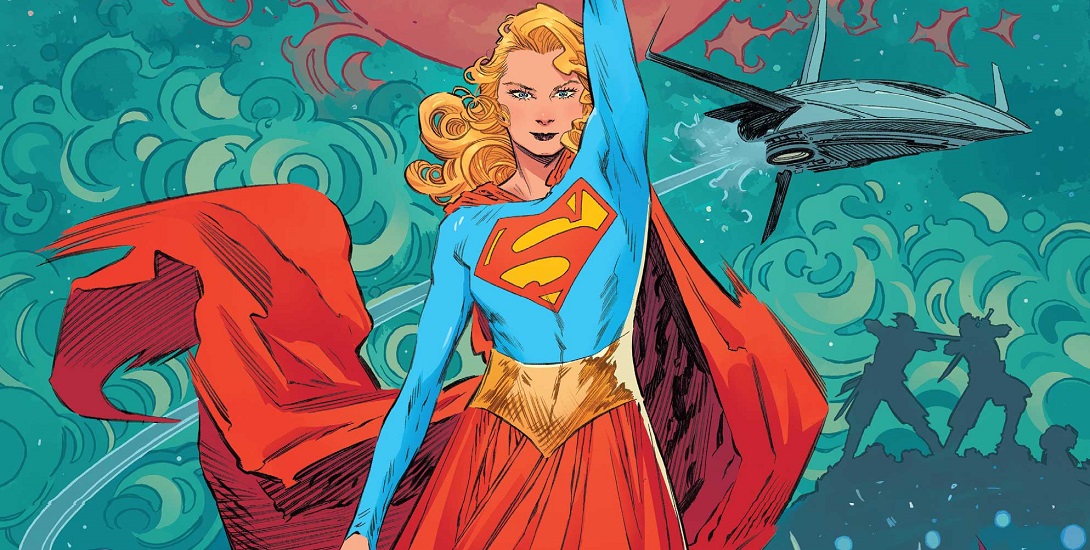
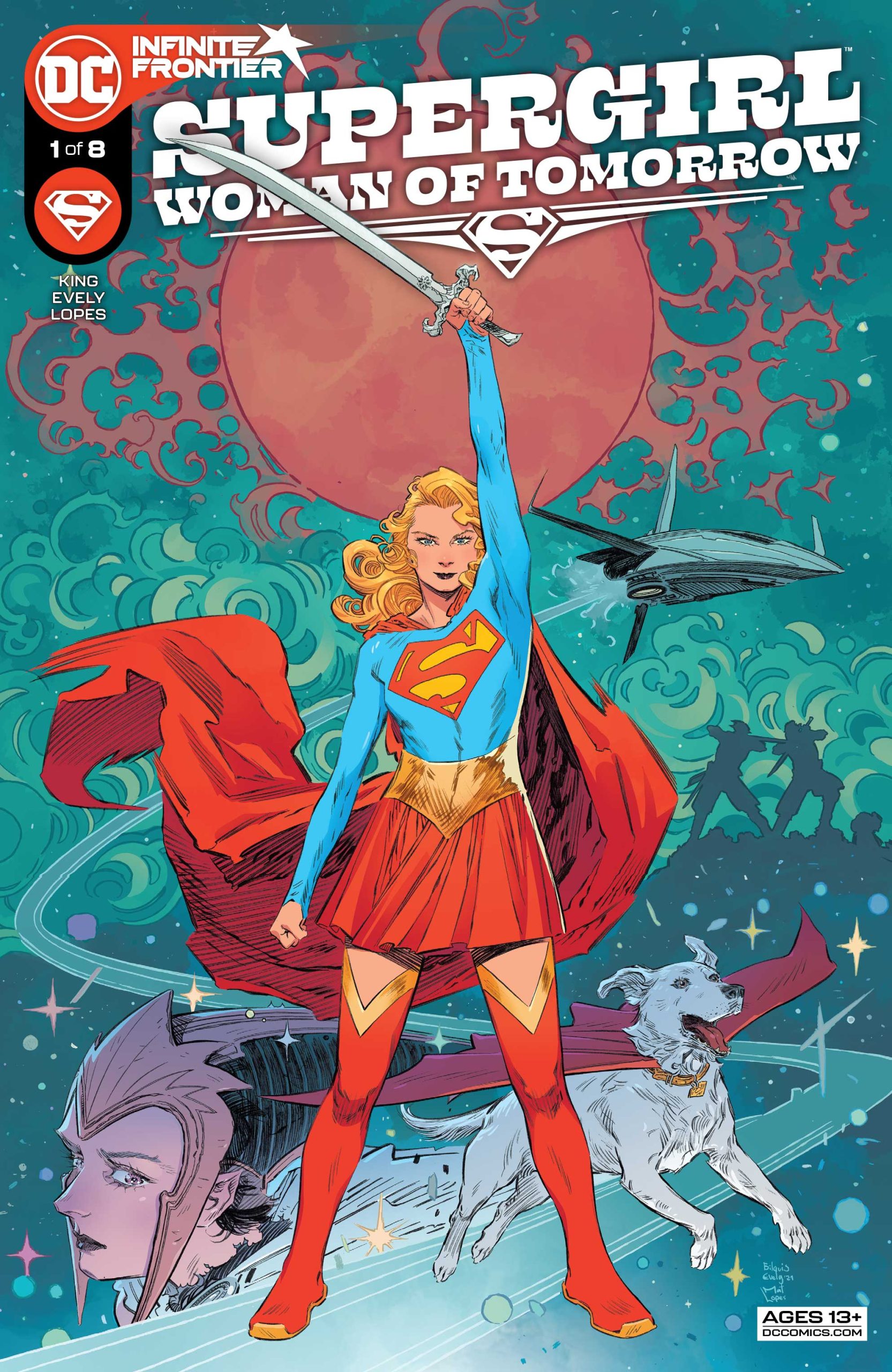
Supergirl: Woman of Tomorrow debuted in September 2021 as a cornerstone of the DC Comics "Infinite Frontier" era. Written by Tom King, who previously helmed highly divisive runs on Batman and Mister Miracle, and illustrated by the acclaimed artist Bilquis Evely with colorist Matheus Lopes, the series was positioned as a definitive, high-stakes space opera. The story follows Kara Zor-El as she navigates a cosmic journey of vengeance alongside Ruthye Marye Knoll, a young alien girl seeking justice for her murdered father at the hands of a villain named Krem of the Yellow Hills.
The series occupies a distinct space in DC’s recent publishing history, emphasizing a serialized, novelistic structure that favors character study over the traditional superhero tropes of its predecessors. While the artwork was lauded as some of the finest in modern comic book history, the narrative path chosen for Kara—a character historically defined by optimism and resilience—sparked intense debate regarding the "King-ism" approach to legacy characters.
Characterization and the Debate on Nihilism
At the heart of the discourse is the portrayal of Supergirl in the series’ opening act. The story introduces a 21-year-old Kara engaging in self-destructive behavior, specifically excessive alcohol consumption on her birthday. For long-term proponents of the character, this depiction felt jarringly inconsistent with the established history of a hero who, despite the loss of Krypton, typically serves as an emblem of hope.
Critics of the series argue that the narrative lacks a foundational catalyst for this specific manifestation of depression. While the loss of Krypton is a universal trauma for all surviving Kryptonians, the text does not adequately bridge the gap between Kara’s established history as a beacon of the Justice League and her state of profound hopelessness in this series. Supporters, however, point to the universal nature of the "young adult" experience, suggesting that even a superhero of Kara’s stature is not immune to the existential dread and loneliness inherent in being the last remaining member of a lost civilization. The lack of a clear, explicit trigger for her 21st-birthday melancholy—such as a specific Kryptonian rite of passage—remains a point of contention for those who prefer the character to remain tethered to her traditional, more hopeful foundations.

Chronology of the Narrative Arc
The series follows a deliberate, rhythmic progression:
- Issues 1-2: Introduction of the dynamic between Kara and Ruthye. The "drunk" characterization is established, setting a tone of isolation.
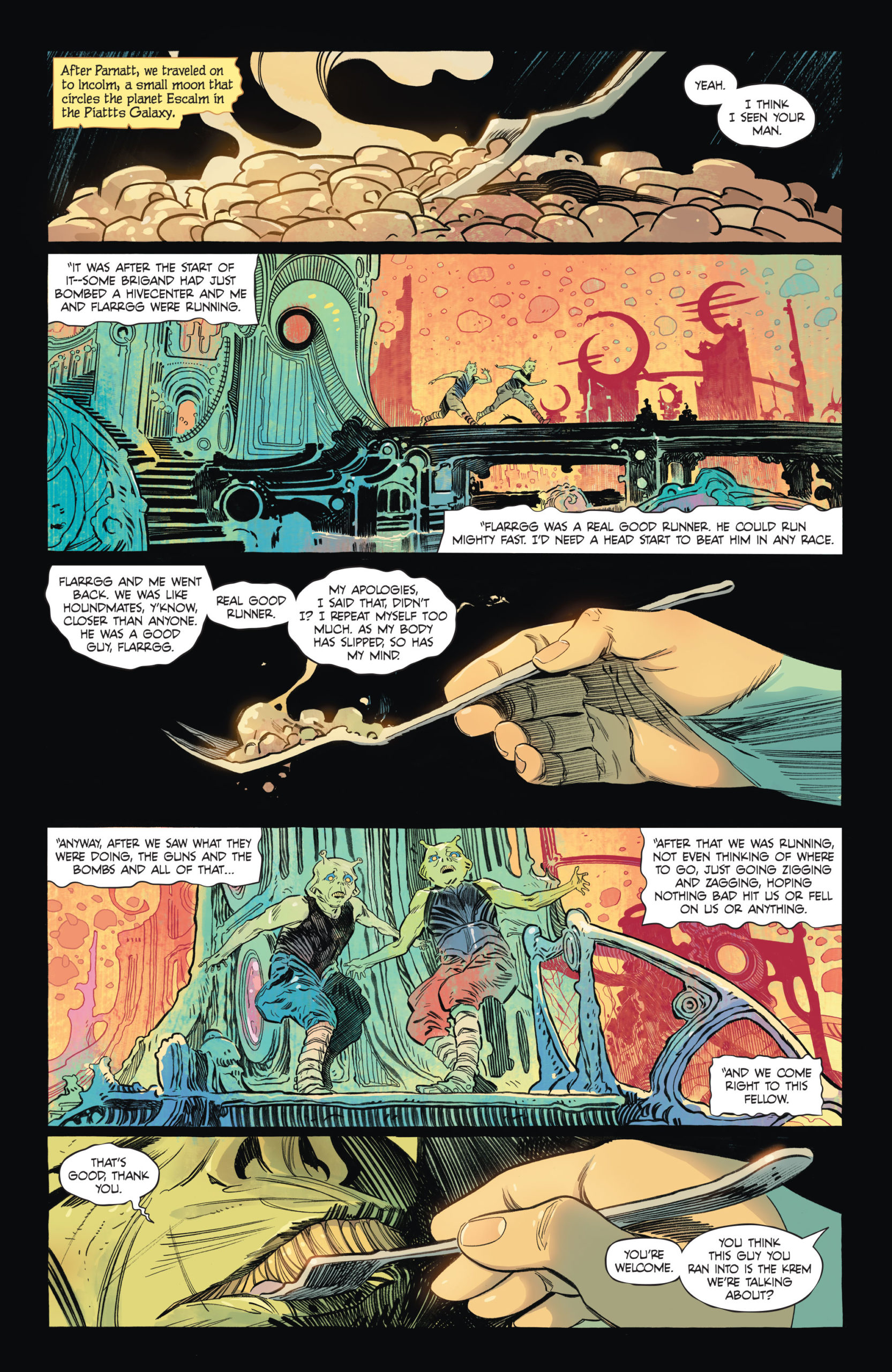
- Issues 3-5: The cosmic road trip. The narrative begins to mirror the structure of a classic Western, emphasizing the stark, desolate landscapes of various alien worlds.
- Issues 6-7: The escalation of the conflict. The parallel between Ruthye’s desire for vengeance and Kara’s own internal unresolved trauma regarding Krypton becomes the central thematic pillar.
- Issue 8: The resolution. The confrontation with Krem and the ambiguous final sequence that has left readers debating the morality of the outcome for years.
Artistic Significance and Visual Narrative
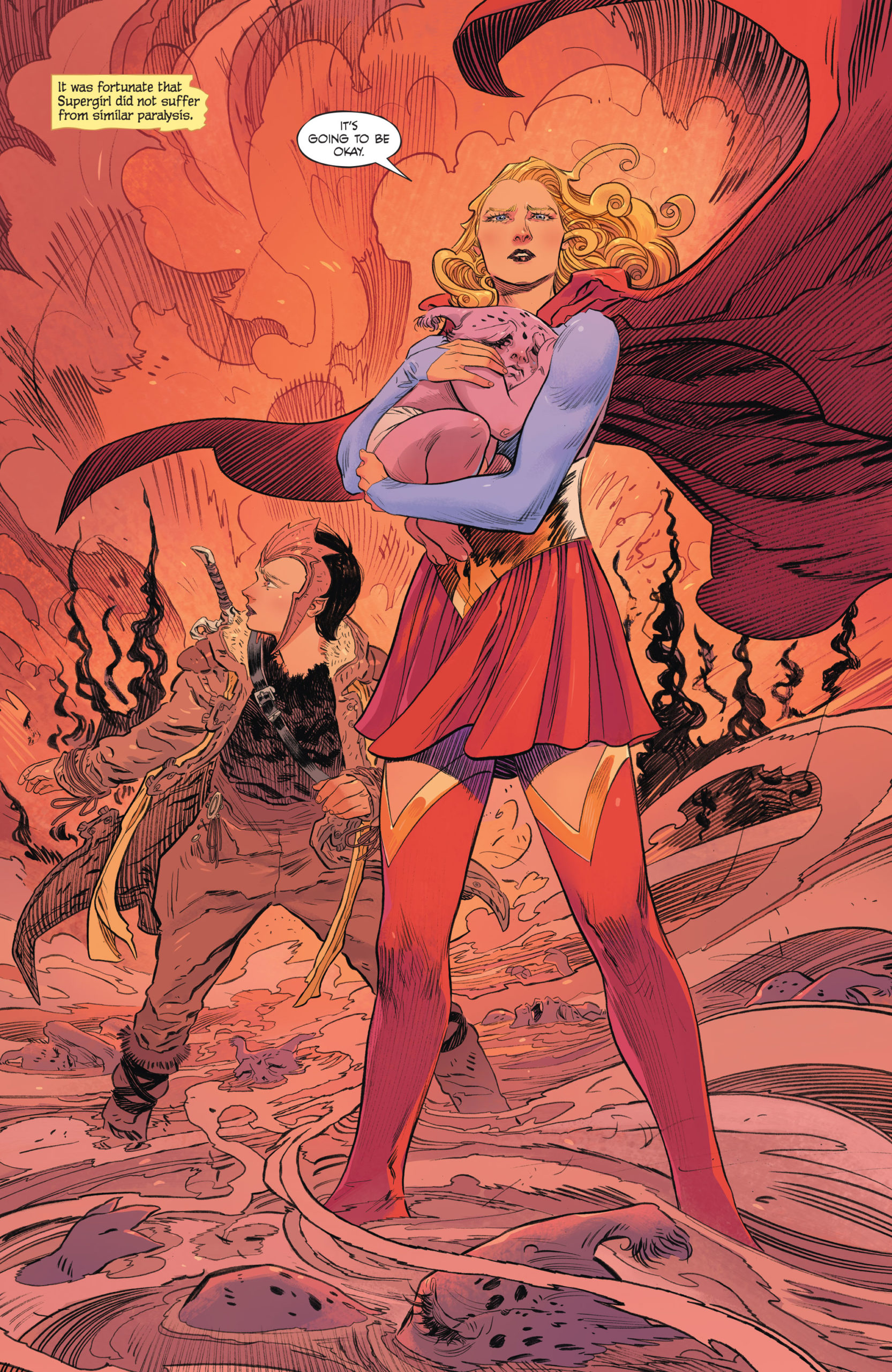
If the script remains a polarizing element, the visual execution is universally regarded as a masterclass in sequential art. Bilquis Evely’s work on the series is characterized by an intricate, almost classical aesthetic that elevates the cosmic setting. The color palette provided by Matheus Lopes complements the ethereal, often haunting tone of the story. The series is frequently cited by industry professionals as a prime example of how art can sustain a narrative even when the characterization fluctuates from the established "canon" of a major publisher. In the context of the upcoming 2026 film, the aesthetic language developed by Evely and Lopes is expected to serve as a visual blueprint for the production design, emphasizing the vast, lonely scale of the universe in which the film is set.

The Ambiguity of the Ending
The final pages of the series have remained a subject of intense academic and fan-based scrutiny. The closing sequence features a time jump where Ruthye, now older, confronts a paroled Krem. The final panel implies a violent resolution, mirroring the opening scene of the series. The debate centers on whether this act constitutes a failure of the lesson Supergirl intended to teach, or if it represents a tacit, nihilistic endorsement of revenge.
From a narrative craft perspective, the parallel structures—the opening murder and the final act of violence—suggest a cyclical nature of trauma that the characters cannot truly escape. By remaining silent as the final act occurs, Supergirl’s characterization in the final pages suggests a departure from the "heroic ideal" toward a more cynical reality. This choice has forced readers to grapple with the idea that Kara, in this specific iteration, has accepted that justice is often subjective and that some wounds are never truly healed.
Broader Impact and Implications for the 2026 Film
The impending film adaptation faces a unique challenge: reconciling the critically acclaimed, yet narratively controversial, tone of the comic with the broader requirements of a cinematic superhero franchise. Major studios typically seek to establish characters with clear, accessible motivations. Adapting a story that hinges on the protagonist’s internal struggle with nihilism and the moral ambiguity of vengeance requires a delicate balance.
The success of the comic—despite its divisive narrative—proves that audiences are willing to engage with darker, more introspective takes on familiar heroes. However, the film must determine whether to lean into the deconstructive nature of King’s writing or to pivot back to a more traditional interpretation of Kara Zor-El. If the film follows the comic’s trajectory, it may alienate purists while simultaneously offering a unique, mature perspective on the Supergirl mythos that has rarely been explored in live-action media.
Ultimately, Supergirl: Woman of Tomorrow stands as a pivotal work in the character’s history. It functions as both a celebration of artistic craft and a cautionary tale regarding the limitations of modifying established characters for the sake of thematic experimentation. As the release date for the film approaches, the discourse surrounding the comic continues to serve as a barometer for how fans define the essence of the character and how much creative latitude they are willing to grant writers when interpreting an icon of global pop culture. The legacy of the series will likely be defined by whether the upcoming film can resolve the narrative tensions that have kept readers debating for the last four years.