Unearthing the Macabre Tradition of Thanksgiving Horror: A Retrospective Analysis of the 1995 Cult Classic The Granny

The intersection of major family holidays and the horror genre has long provided a fertile narrative landscape for filmmakers seeking to subvert domestic tranquility. While cinematic traditions typically associate Thanksgiving with satirical domestic dramas or standard familial tension, a distinct subgenre of holiday horror has quietly persisted in the shadows of direct-to-video distribution. Among these subterranean releases, the 1995 feature film The Granny, directed by Luca Bercovici, occupies a unique niche, blending the tropes of elderly terror, supernatural greed, and holiday-themed carnage into a quintessential piece of mid-1990s genre filmmaking. As contemporary audiences continue to unearth forgotten gems from the VHS era, critical reevaluations of films like The Granny offer valuable insight into the commercial strategies, practical effects methodologies, and independent production constraints of late-twentieth-century horror cinema.
Main Facts and Production Background
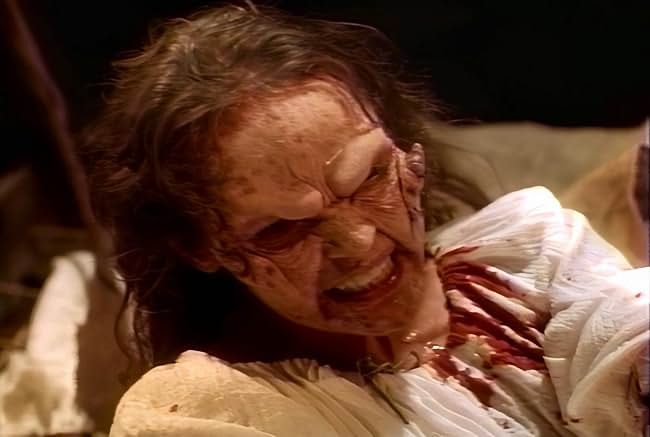
Released during an era when the direct-to-video market was experiencing a massive boom fueled by regional video rental stores and wholesale distributors, The Granny was brought to life by filmmaker Luca Bercovici. Bercovici was already well-regarded within horror fandom for his work directing the 1984 cult classic Ghoulies, a foundational title in the creature-feature subgenre. For his 1995 venture, Bercovici aimed to synthesize tropes from the "killer grandma" subgenre—which previously included titles like Rabid Grannies (1988) and Grandmother’s House (1988)—with a satirical examination of familial greed, reminiscent of the 1994 theatrical comedy Greedy.
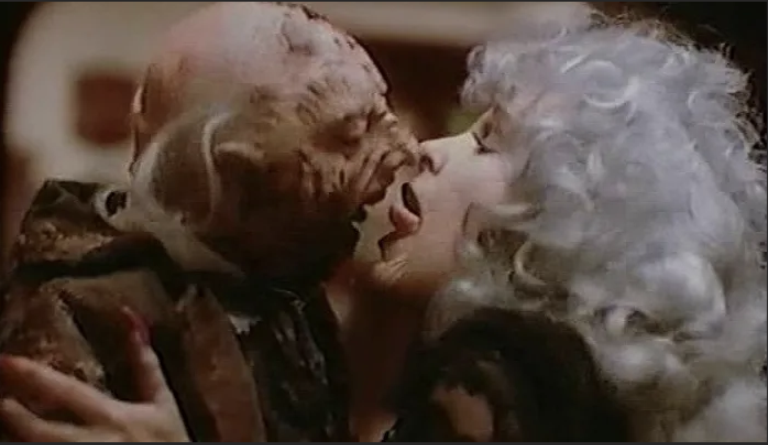
The production history of the film features notable casting changes that reflect the pragmatic realities of independent filmmaking in the 1990s. Initially, the central role of the wealthy, ailing matriarch Anastasia Gargoli—commonly referred to as "Granny"—was slated for legendary actress Shelley Winters, known for her acclaimed performances in films such as The Poseidon Adventure. When Winters ultimately did not take on the role, her Poseidon Adventure co-star Stella Stevens stepped in to portray the dying matriarch. The cast was further bolstered by genre veterans and recognizable television actors, including Shannon Whirry as the benevolent granddaughter Kelly, Ryan Bollman as the obnoxious grandson Junior, and Patrick Kilpatrick, alongside director Bercovici himself appearing in a dual capacity both behind and in front of the camera.

Chronology of the Narrative and Plot Mechanics

The narrative structure of The Granny follows a carefully choreographed sequence of events that transitions from a standard domestic inheritance drama into a supernatural splatter film. The chronology begins with the establishment of the Gargoli estate, where the wealthy Anastasia lies on her deathbed. True to classic narrative conventions, her extended family has gathered under the guise of familial affection, though their underlying motivation is purely financial: securing a portion of her substantial estate. The sole exception is her granddaughter Kelly, who administers genuine care without expectation of monetary reward.

The inciting incident occurs on Thanksgiving Day. A mysterious visitor arrives at the estate: a satanic figure named Namon Ami, portrayed by Bercovici, wearing signature 1990s rectangular red sunglasses. Ami presents Anastasia with a mysterious elixir wrapped in brown leather, claiming it possesses the power to grant immortality. However, he issues a strict caveat: the cleansing ritual must be executed with absolute precision, and the potion must not under any circumstances be exposed to direct sunlight during consumption.

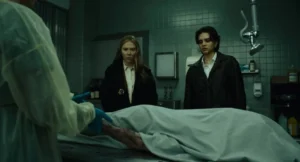
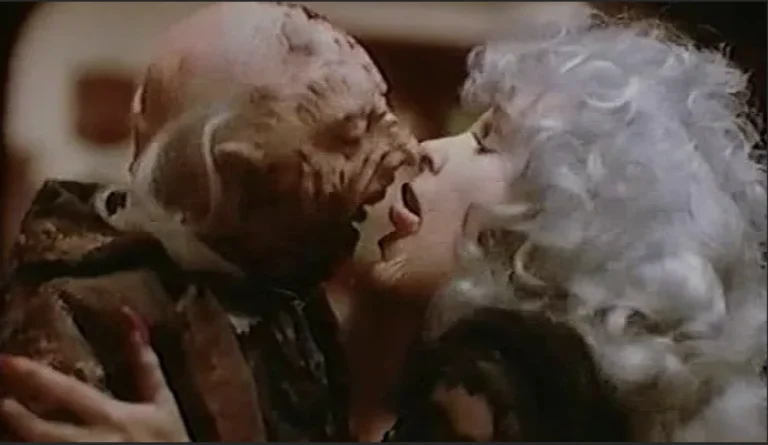
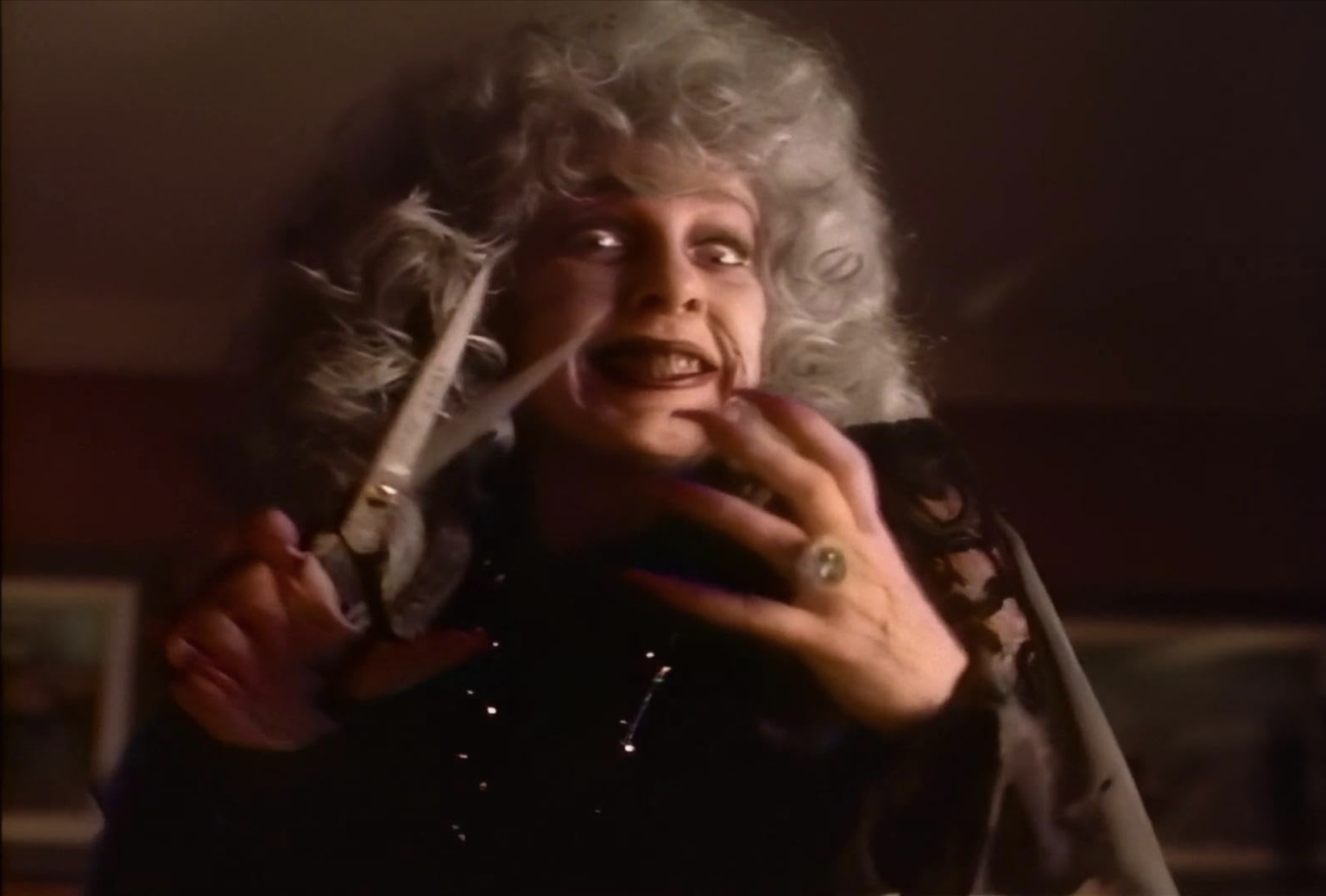
Ignoring the explicit warnings, Anastasia ingests the elixir, leading to immediate physiological failure and death. The timeline advances to the local morgue during her autopsy, where the narrative pivots sharply into the supernatural. Anastasia abruptly awakens, dispatches the attending mortician with a bone saw, and adopts a demonic persona. Armed with unnatural strength and a dark sense of humor, she returns to the family home to systematically slaughter her avaricious relatives. Each family member is dispatched through increasingly elaborate, campy, and gory methods—ranging from scalpel mutilations to castration via household scissors—subverting the traditional Thanksgiving family gathering into a theater of macabre retribution. The chronology culminates in a final confrontation between the newly resurrected, zombie-fied relatives and Kelly, who must rely on a shotgun to survive the night.
Supporting Data and Technical Analysis
From a technical standpoint, The Granny operates within the parameters of low-budget 1990s genre production, making efficient use of limited resources, practical special effects, and a single primary location. Similar to the output of Charles Band’s Full Moon Features empire, the film relies heavily on atmospheric lighting, enclosed set designs, and eccentric creature elements, such as Granny’s mutated, beastly cat, Wolfgang.

The aesthetic of the film bridges the stylistic gap between the sleaze-driven camp of Troma Entertainment and the gothic sensibilities of traditional monster movies. Practical gore effects dominate the death sequences, reflecting the industry standards of an era prior to the widespread integration of digital visual effects in independent cinema. Furthermore, the film’s auditory landscape captures the late-20th-century aesthetic by incorporating heavy metal and rock elements, highlighted by the inclusion of the track "Hard Feelings" by the band Blackthorne during the end credits.

Commercial Distribution and Archival Status

Upon its initial release in 1995, The Granny bypassed theatrical distribution entirely, entering the market as a straight-to-video release. This distribution model was common for mid-tier horror films of the decade, allowing producers to recoup investments through international licensing and VHS rentals. In the decades following its release, the physical media footprint of the film diminished significantly, with official releases remaining largely confined to out-of-print VHS tapes.
Despite the lack of contemporary high-definition physical media formats—such as a dedicated Blu-ray or 4K Ultra HD release—the film has maintained a resilient cult following within niche internet communities and retrospective horror programming circles. Archivists, film programmers, and horror historians frequently utilize digital platforms to circulate the film, ensuring its continued visibility among modern audiences interested in the evolution of direct-to-video horror cinema.
Broader Impact and Critical Implications
The enduring relevance of films like The Granny within horror scholarship lies in their reflection of broader cultural and economic anxieties of the mid-1990s. While major studios produced high-budget psychological thrillers and mainstream horror revivals, the direct-to-video market served as an incubator for transgressive, low-budget comedy-horror hybrids that openly mocked bourgeois values, familial hypocrisy, and institutional greed.

By framing the quintessential American family holiday—Thanksgiving—as a slaughterhouse of karmic retribution, the film engages in a well-established tradition of holiday-based subversion. The inclusion of satirical dialogue, such as complaints regarding traditional holiday menus, reinforces the underlying critique of domestic dissatisfaction. Ultimately, retrospective analyses of The Granny and its contemporaries underscore the value of preserving marginal cinema, offering contemporary viewers a comprehensive understanding of the diverse economic and creative forces that shaped the horror landscape at the close of the twentieth century.