Godzilla Minus Zero poster unveils King Ghidorah in a stunning display of cinematic menace

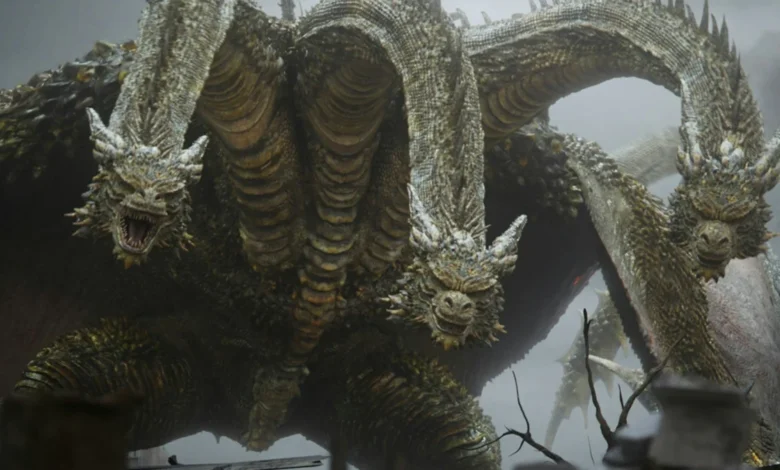
The release of the latest promotional poster for Takashi Yamazaki’s Godzilla Minus Zero marks a significant shift in the film’s marketing campaign, finally bringing the legendary three-headed kaiju, King Ghidorah, into the spotlight. The new artwork depicts the extraterrestrial entity looming over a storm-lashed landscape, its massive wingspan dominating the frame while golden lightning illuminates the sky. This visual reveal signals a strategic transition from the mystery-shrouded teasers that characterized the early stages of the film’s rollout to a full-scale reveal of its primary antagonist. As the sequel to the critically acclaimed Godzilla Minus One, this installment seeks to capitalize on the massive goodwill generated by its predecessor, positioning Ghidorah not just as a monster, but as an apocalyptic force capable of reshaping the narrative trajectory of the franchise.
Narrative Context and Cinematic Evolution
Directed by Takashi Yamazaki, Godzilla Minus Zero serves as a direct narrative extension of the 2023 hit Godzilla Minus One. The story is set in 1949, mere two years after the traumatic events of the previous film, which left a decimated Japan struggling to rebuild from the wreckage of post-war chaos and the devastating path of the original Godzilla. Ryunosuke Kamiki and Minami Hamabe reprise their roles as Kōichi Shikishima and Noriko Ōishi, respectively. The central conflict of the sequel centers on the fragile state of their recovery, which is systematically dismantled by the arrival of an even greater threat.
The thematic core of the film continues to revolve around the human element. Yamazaki has consistently argued that the spectacle of giant monster destruction is only effective when grounded in the emotional stakes of the characters. By focusing on the resilience of survivors and the fragility of societal reconstruction, the film attempts to maintain the prestige-drama sensibilities of the first film while escalating the scale of the action. The introduction of Ghidorah—historically one of the most powerful adversaries in the Toho library—suggests that the characters will be forced into an uneasy, desperate alliance with Godzilla to repel an entity that represents a total existential threat to the planet.
Chronology of the Production and Marketing
The journey of Godzilla Minus Zero from concept to theatrical release has been marked by a carefully curated promotional strategy. Following the unexpected global success of Minus One, which won an Academy Award for Best Visual Effects, the anticipation for a sequel reached a fever pitch.

- Mid-2026: Toho officially announces the development of the sequel, confirming the return of director Takashi Yamazaki and the core cast.
- Late 2026: Initial teasers are released, focusing on atmospheric shots and the aftermath of destruction, intentionally keeping the antagonist’s identity veiled to build suspense.
- November 2026: The official trailer debuts, featuring the first high-definition look at King Ghidorah. This aligns with the film’s wide release in various international territories.
- November 24, 2026: Domestic and international box office figures confirm the film’s strong commercial performance, cementing it as a major tentpole release for the studio.
- December 11, 2026: The scheduled release of Godzilla Minus Zero/Minus Color, a black-and-white version of the film designed to evoke the aesthetic of the 1954 original, following the successful precedent set by the "Minus Color" version of its predecessor.
Box Office Performance and Market Impact
The commercial viability of Godzilla Minus Zero is undeniable, as evidenced by its robust financial performance. As of late November 2026, the film has grossed approximately $87.1 million worldwide. Of this total, $55.7 million was generated within the domestic market, reflecting the enduring appeal of the franchise to modern audiences. The North American opening weekend yielded a substantial $30.6 million, a figure that highlights the growing Western appetite for Japanese-produced kaiju cinema.
Analysts suggest that the film’s success is not merely due to brand recognition, but to the "event" status that the Minus series has achieved. By maintaining a high standard of visual fidelity and emotional weight, Toho has managed to bridge the gap between niche monster-movie fandom and the general movie-going public. The upcoming Minus Color release is expected to provide a secondary revenue stream and a "prestige" boost, appealing to cinephiles who appreciate the aesthetic connection to the historical roots of the Godzilla mythos.
Critical Reception and Analytical Perspectives
While the film has enjoyed commercial success, critical reception has been nuanced. Some reviewers have lauded the film for its technical prowess, noting that the creature designs and the sheer scale of the action sequences represent the pinnacle of current practical-and-digital effects hybrid techniques. The "spectacular, imaginative monster battles" mentioned in critical discourse underscore the film’s ability to satisfy the visceral requirements of the genre.
Conversely, some critics have pointed toward potential pacing issues and the repetitive nature of certain character arcs, which may feel somewhat derivative of the first film. The challenge for a sequel of this magnitude is to evolve the characters sufficiently to warrant a return to their stories. Critics who have been more critical of the film’s narrative structure often emphasize that while the spectacle is undeniable, the emotional resonance of the 1949 setting must work harder to distinguish itself from the 1947 setting of the previous film.
The Implication of the "Minus" Franchise
The "Minus" branding represents a deliberate effort by Toho to move away from the shared-universe, superhero-adjacent tropes of other kaiju franchises. By keeping the stories grounded in the mid-20th century, the filmmakers can explore the intersections of history, trauma, and monster mythology without the constraints of contemporary connectivity.

The inclusion of King Ghidorah serves as a testament to this creative freedom. In traditional lore, Ghidorah is often a space-faring destroyer. Integrating such a high-concept creature into a period-piece drama requires a delicate balancing act. The film’s success or failure in this regard will likely dictate the future of the Minus timeline. If the film continues to perform well, it is highly probable that Toho will continue to explore other iconic monsters—such as Rodan or Mothra—through the lens of this specific, grounded historical narrative.
Looking Ahead: The Black-and-White Release
The decision to release a Minus Color version is a strategic maneuver that highlights the franchise’s legacy. By stripping the film of its vibrant, golden-hued spectacle, the filmmakers force the audience to focus on composition, lighting, and the raw texture of the monster’s skin. This release is scheduled for December 11, 2026, and serves as a nod to the 1954 Gojira.
Industry experts note that this is more than a marketing gimmick; it is an exercise in brand preservation. It reinforces the idea that Godzilla is a creature of timeless terror. As the film approaches this specialized release, the promotional focus will likely shift from the high-octane action of the color theatrical version to the somber, monochromatic intensity of the Minus Color cut.
Ultimately, Godzilla Minus Zero stands as a pillar of contemporary genre cinema. Whether viewed through the golden, storm-swept lens of the new poster or the stark contrast of the upcoming black-and-white release, the film commands attention. With the debut of King Ghidorah, the stakes have never been higher for the people of 1949 Japan, and the audience remains captivated by the intersection of human fragility and the overwhelming power of the kaiju. As the film continues its theatrical run, it reinforces the enduring power of the Godzilla franchise to adapt, evolve, and demand the world’s attention.