The digital sphere has once again become a battleground for interpretations of classic literature, this time focusing on Christopher Nolan’s forthcoming adaptation of Homer’s The Odyssey. A recent Time magazine cover story detailing Nolan’s creative vision has ignited a firestorm of online debate, particularly concerning casting choices and perceived deviations from the ancient epics. Critics, amplified by influential figures on social media platforms, have decried the project as a disrespectful reimagining of foundational Western texts. However, a closer examination suggests that much of this outcry stems from a superficial understanding of Homer’s enduring works and the historical context surrounding their adaptation.
The controversy coalesced around the revelation that Lupita Nyong’o has been cast as Helen of Troy, a figure whose beauty is famously credited with igniting the Trojan War. Nyong’o will also portray Clytemnestra, Helen’s sister and later the wife of Agamemnon. This casting, alongside unconfirmed reports of Elliot Page being considered for the role of Achilles, has drawn sharp criticism from online commentators who view it as a departure from traditional portrayals and a capitulation to contemporary social trends.
A History of Adaptation and Controversy
This is not the first time a cinematic adaptation of Homer’s epics has courted controversy. Wolfgang Petersen’s 2004 film Troy, starring Brad Pitt as Achilles and Diane Kruger as Helen, was met with a mixed reception from academic circles. While commercially successful, the film was criticized for its historical inaccuracies and its significant departure from the mythological and divine elements central to Homer’s narratives. Notably, Petersen’s Troy largely eschewed the intervention of the gods, a cornerstone of the original epics, and condensed the protracted ten-year siege of Troy into a matter of weeks. The film also altered key plot points, such as the survival of Paris and Achilles’ motivation for returning to battle, which scholars argued diminished the epic’s thematic depth and character complexities.
The current uproar surrounding Nolan’s The Odyssey echoes some of these earlier critiques but is arguably amplified by the pervasive nature of social media. Platforms like X (formerly Twitter), under the ownership of Elon Musk, have become conduits for rapid dissemination of opinions, often leading to polarized discussions. Musk himself has been vocal, sharing numerous posts criticizing Nolan’s approach and championing the 2004 Troy as a superior, more "epic" cinematic experience. Such pronouncements, from figures with significant online reach, can shape public perception and fuel further debate, often before the new work is even released.
Examining the Source Material: Homer’s Enduring Relevance
The core of the current debate lies in the interpretation of Homer’s Iliad and Odyssey. These epic poems, believed to have been composed in the 8th century BCE, are foundational texts of Western literature, exploring themes of heroism, fate, divine intervention, homecoming, and the human condition.
- The Iliad: This poem focuses on a pivotal period during the Trojan War, specifically the wrath of Achilles and its devastating consequences. It delves into the complex relationships between gods and mortals, the brutal realities of warfare, and the tragic fates of heroes.
- The Odyssey: Following the fall of Troy, this epic chronicles the arduous ten-year journey of Odysseus as he attempts to return to his home in Ithaca. It is a narrative rich with mythological encounters, tests of loyalty, and the profound longing for family and belonging.
The wisdom encapsulated in phrases like "Beware of Greeks bearing gifts," though popularized by Virgil’s Aeneid, has its roots in the very fabric of these ancient tales, highlighting themes of deception and caution. The narrative of the Trojan Horse, a seemingly benevolent gift that led to the city’s downfall, serves as a potent metaphor for distrust and the potential for hidden dangers.
Nolan’s Approach: A Return to the Classics?
In contrast to the criticisms leveled against Nolan’s The Odyssey, proponents argue that his approach may represent a more faithful and nuanced engagement with Homeric tradition than previous adaptations. The Time article suggests that Nolan is drawing directly from the classical texts, incorporating elements that were notably absent in Troy.
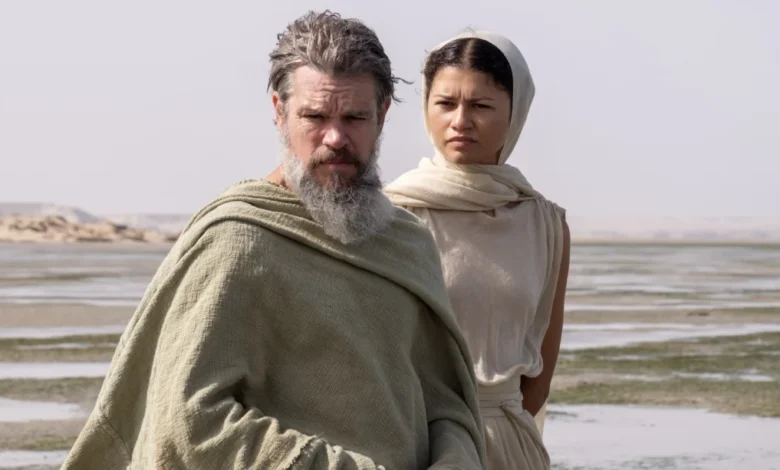
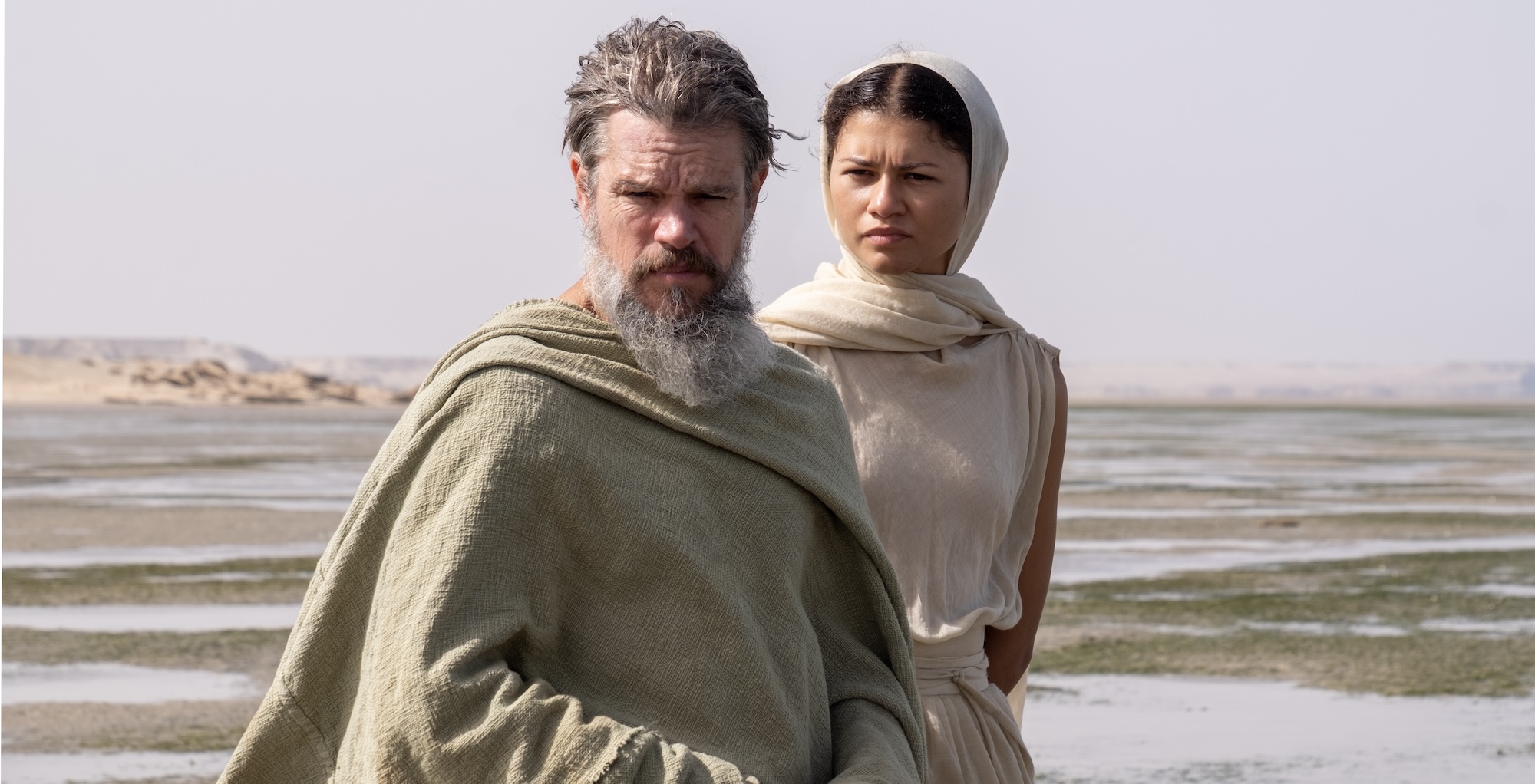
- Divine Presence: While Troy omitted the gods, Nolan’s The Odyssey appears to embrace their influence. Zendaya’s casting as Athena, the goddess of wisdom and warfare, and hints of iconic mythological figures like the Cyclops, indicate a return to the supernatural dimension that is integral to Homer’s epics.
- Psychological Depth: The report teases a more introspective portrayal of Odysseus’s trials. For instance, the scene of Odysseus being tied to the mast to resist the Sirens’ enchanting songs, with the Sirens employing mind games through their music, suggests a focus on the psychological and emotional toll of his journey, rather than merely a physical challenge.
- Thematic Resonance: The article posits that Nolan is tapping into the primal appeal of The Odyssey: the universal themes of loss, reclamation, and the reunification of a fractured family. This resonates with Nolan’s established directorial patterns, evident in films like Inception, Interstellar, and The Dark Knight Rises, all of which explore characters striving to return to or protect loved ones.
The Role of Agency and Modern Interpretation
The casting of Lupita Nyong’o as Helen and Clytemnestra raises specific points of discussion. In Greek mythology, Helen’s abduction by Paris is often depicted as a divine compulsion, orchestrated by Aphrodite. This narrative has been interpreted by some as diminishing Helen’s agency, portraying her as a pawn in a larger cosmic drama. If Nolan’s adaptation explores Helen’s choices and motivations with greater complexity, it could offer a fresh perspective on a character often reduced to her perceived beauty.
Similarly, the potential casting of Elliot Page as Achilles prompts debate. Achilles, a central figure in the Iliad, is renowned for his martial prowess and his near-invulnerability, gained by his mother Thetis dipping him in the River Styx, leaving only his heel exposed. His character arc is complex, involving pride, rage, and ultimately, a profound sense of loss. Any reimagining of Achilles would need to navigate these deeply ingrained literary traits.
The argument that a modern adaptation should remain rigidly faithful to ancient interpretations can be challenged by historical precedent. Virgil’s Aeneid, written centuries after Homer, served as a bridge between Greek epic tradition and Roman identity, adapting and reinterpreting the myths for a new cultural context. Similarly, the success of films like Gladiator in 2000 revitalized interest in historical epics, paving the way for adaptations like Troy that sought to capture a broader audience by modernizing the narratives.
Broader Implications and the Future of Epic Storytelling
The controversy surrounding Nolan’s The Odyssey highlights a broader trend: the intersection of classic literature, popular culture, and the increasingly vocal nature of online discourse. While the passion for preserving literary heritage is commendable, it is crucial to distinguish between genuine critical engagement and reactionary dismissal.
The implications of this debate extend beyond a single film. It touches upon how society engages with its foundational myths in the 21st century. Can these ancient stories, forged in vastly different eras, be reinterpreted to speak to contemporary audiences without losing their essential power?
- Accessibility and Engagement: Modern adaptations, when thoughtfully executed, can introduce new generations to classic works, fostering deeper engagement with literature and history. The challenge lies in striking a balance between fidelity and innovation.
- Diversity in Storytelling: The inclusion of diverse actors in roles traditionally portrayed by white performers is a significant aspect of contemporary filmmaking. Debates around such casting can illuminate underlying societal attitudes towards representation and the evolving understanding of classical narratives.
- The Power of Narrative: Ultimately, the enduring appeal of Homer’s epics lies in their exploration of universal human experiences: love, loss, war, family, and the search for meaning. Whether through ancient verse or modern cinema, these themes continue to resonate, prompting reflection and discussion across millennia.
As Christopher Nolan’s The Odyssey moves closer to its release, the debate is likely to intensify. However, a nuanced understanding of Homer’s original works, the history of their adaptation, and the contemporary cultural landscape will be essential for a truly informed appraisal of the film’s artistic merits and its contribution to the ongoing legacy of epic storytelling. The true measure of Nolan’s The Odyssey will lie not in how closely it mirrors past interpretations, but in its ability to evoke the timeless spirit of Homer’s tales for a new era.