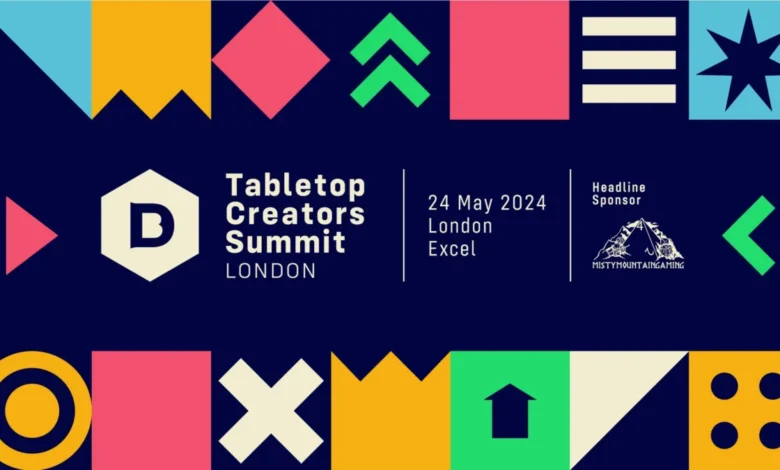
Context and Significance of the Summit
The Tabletop Creators Summit was envisioned as a premier destination for the burgeoning community of independent and professional game designers. In an era where tabletop gaming—encompassing board games, card games, and tabletop roleplaying games (TTRPGs)—has experienced a massive renaissance, the need for centralized professional development has grown exponentially. According to industry analysis by Grand View Research, the global board games market size was valued at approximately $14.8 billion in 2023 and is projected to expand at a compound annual growth rate (CAGR) of over 10% through 2030.
The London summit was intended to address the unique challenges of this market, providing workshops on game mechanics, crowdfunding strategies, art direction, and manufacturing logistics. By aligning with major industry platforms, the summit aimed to provide a professional backbone to the creative energy currently defining the tabletop sector. Its cancellation leaves a temporary void for creators who rely on these networking opportunities to secure distribution deals, find manufacturing partners, and refine their intellectual property.
Chronology of the Announcement
The cancellation notification was disseminated with limited lead time, creating logistical hurdles for international attendees and local vendors alike. While the organizers cited "unforeseen circumstances," the timing of the announcement—occurring mere days before the event—suggests that the decision was finalized under significant duress.
In response to the sudden change, the event management team pivoted to provide compensatory access to the concurrent MCM Comic Con. MCM Comic Con, a massive event held at the ExCeL London, serves as a primary hub for pop culture and gaming. By repurposing the registration passes for Friday, May 24th, the organizers attempted to mitigate the loss for those who had already traveled or made non-refundable lodging commitments. Registered attendees were instructed that their original credentials remain valid for entry to the Comic Con, with physical passes available for collection at the Industry Desk at the West Entrance of the ExCeL.
Industry Impact and Market Implications
The cancellation of such a specialized summit highlights the volatility inherent in organizing niche professional gatherings. Unlike mass-market consumer conventions, creator-focused summits operate on thinner margins and rely heavily on the participation of a specific cohort of industry veterans and influencers.
From an economic perspective, the loss of this summit represents a missed opportunity for cross-pollination within the UK’s creative industries. London has long been a hub for game design, with a high concentration of indie developers and established publishing houses. Events like the Tabletop Creators Summit act as incubators for new titles; when these events are canceled, the "trickle-down" effect can manifest as delayed production cycles or reduced visibility for new designers who were relying on the platform to launch their prototypes.
Furthermore, the integration of the summit with MCM Comic Con underscores the growing trend of embedding specialized professional summits within larger, more established fan-focused conventions. This hybrid model is designed to leverage existing infrastructure, such as the ExCeL venue’s vast floor space and established security, to lower the overhead costs for organizers. However, the failure of this specific instance raises questions about the viability of these partnerships when professional tracks are subject to cancellation independently of the parent convention.
Professional Responses and Attendee Logistics
The reaction from the community has been one of disappointment, tempered by the necessity of logistical adjustment. For independent designers, the cancellation represents more than just a missed meeting; it signifies the loss of a deadline-driven environment that often pushes projects from concept to prototype.
For those affected, the following steps were outlined by the event organizers:
- Pass Validity: All registered attendees for the Tabletop Creators Summit retain entry rights for the Friday session of MCM Comic Con.
- On-Site Logistics: Attendees must utilize the Industry Desk located at the West Entrance of the ExCeL London to facilitate entry.
- Communication: While an apology was issued for the inconvenience, the lack of specific details regarding the "unforeseen circumstances" remains a point of frustration for many who had invested heavily in travel and logistics.
Broader Trends in Convention Management
The tabletop industry has faced a complex post-pandemic landscape. While consumer interest in board games reached an all-time high during the 2020–2021 lockdowns, the subsequent "return to normalcy" has forced a market correction. Many conventions have struggled with increased venue costs, inflation in shipping and manufacturing, and the challenge of balancing rising ticket prices against the cost-of-living crisis impacting the core demographic.
Events like the Tabletop Creators Summit are sensitive to these macroeconomic factors. If the cost of hosting a professional summit—including catering, AV equipment, and specialized speakers—exceeds the revenue generated from ticket sales and sponsorships, organizers are forced into difficult positions. This cancellation serves as a case study for the fragility of event planning in the current economic climate, where even well-regarded institutions must remain agile to survive.
Future Outlook for Creators
Despite this setback, the demand for professional development in the tabletop sector remains robust. The industry is characterized by a high level of collaborative spirit, and it is likely that the content, workshops, and networking opportunities that were to be provided at the summit will eventually manifest in other forms. Digital alternatives, such as virtual game design conferences and discord-based industry hubs, have become increasingly sophisticated.
However, the physical nature of board game development—which requires tactile testing and face-to-face negotiation—means that physical summits remain irreplaceable. The loss of this year’s event in London creates a gap in the annual cycle, but it also serves as a reminder to the community of the importance of resilience.
As the industry moves forward, it is expected that organizers will look toward more robust insurance models and contingency planning to protect against the "unforeseen circumstances" that caused the collapse of the 2024 summit. For the attendees who were redirected to MCM Comic Con, the event remains an opportunity to engage with the broader pop-culture landscape, even if the specialized focus of the summit is absent.
Ultimately, the cancellation of the Tabletop Creators Summit London 2024 is a discrete event, yet it resonates within the wider narrative of the tabletop industry’s evolution. As the market continues to mature and professionalize, the infrastructure supporting the creators of these games must also evolve, balancing the need for professional rigour with the financial realities of a fluctuating global economy. Whether this serves as a temporary pause or a signal for a shift in how these summits are structured, the impact on the independent design community will be felt for the remainder of the year.