Sandy Frank Legendary Television Producer and Distributor of Battle of the Planets Dies at 97

The television industry is mourning the loss of a pioneering figure in program syndication and international media distribution, as Sandy Frank, the powerhouse producer behind iconic game shows and influential anime adaptations, passed away on October 20 at the age of 97. Born Sandel Frank on July 11, 1929, his career spanned over seven decades, leaving an indelible mark on the landscape of American broadcast television. His passing marks the end of an era for independent syndication, a sector he helped define through a relentless work ethic and an uncanny ability to identify international content with crossover potential.
A Legacy Built on Salesmanship and Vision
Frank’s journey into the entertainment business began in the late 1940s, a period characterized by the rapid expansion of television as a domestic necessity. He cut his teeth as a sales executive for Paramount Pictures, where he learned the mechanics of the studio system before transitioning to roles at Guild Films and NBC. These early experiences provided him with a comprehensive understanding of the broadcast ecosystem, from production logistics to the complex web of local market station sales.
By 1964, Frank was ready to operate independently, founding Sandy Frank Program Sales. This move was pivotal, as it allowed him to navigate the burgeoning market of independent television stations that were hungry for high-quality, cost-effective programming. In 1978, the company rebranded as Sandy Frank Entertainment, signaling its evolution from a regional sales house into a global distributor and production entity.
The Architect of Classic Game Shows
While Frank is remembered in pop culture circles for his ventures into animation, his bread and butter for decades remained the American game show. He was instrumental in bringing some of the most recognizable formats to the airwaves, cementing his reputation as a master of the genre.
Among his most notable contributions was the syndication of Name That Tune, a program that became a staple of the evening access time slot. By focusing on high-energy formats that invited audience participation, Frank’s company helped solidify the game show as a fundamental pillar of local affiliate programming. His distribution efforts also extended to The Dating Game and Face the Music, shows that remain culturally significant today due to their enduring formats. These programs were more than just entertainment; they were essential components of the economic model that sustained local television stations for decades, providing reliable, recurring revenue through syndication.
Bridging the Gap: Bringing Anime to the West
Perhaps the most enduring part of Sandy Frank’s legacy—particularly within the animation community—was his foresight regarding the potential of Japanese television content. At a time when Japanese animation was virtually unknown in the United States, Frank recognized the narrative strength and visual flair of Tatsunoko Production’s Kagaku Ninja-Tai Gatchaman.
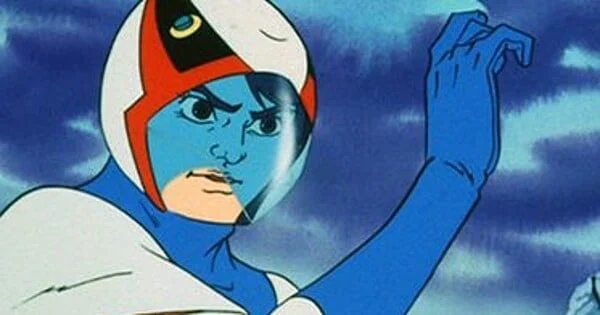
In 1978, Frank spearheaded the production and distribution of Battle of the Planets, the English-language adaptation of Gatchaman. This was not a simple translation; it was a comprehensive localization effort that involved re-editing, new voice acting, and the addition of a robot character named 7-Zark-7 to bridge the gaps between the original Japanese footage and American broadcast standards.

The success of Battle of the Planets was a watershed moment for the anime industry in the West. It proved that Japanese animation could captivate a domestic audience, paving the way for later hits such as Voltron and Robotech. Frank later revisited the franchise with G-Force: Guardians of Space, another adaptation that demonstrated his commitment to the intellectual property. Beyond his work with Tatsunoko, Frank’s company was also a significant player in distributing and dubbing Daiei Film monster movies, helping to introduce American audiences to the wider spectrum of Japanese tokusatsu and genre cinema.
Chronology of a Career
- 1929: Born Sandel Frank on July 11.
- Late 1940s: Commences career in media sales at Paramount Pictures.
- 1964: Founds Sandy Frank Program Sales, pivoting to independent syndication.
- 1978: Rebrands to Sandy Frank Entertainment; debuts Battle of the Planets in the U.S.
- 1980s: Continues extensive distribution of game shows and international film acquisitions.
- 2026: Passes away on October 20 at the age of 97.
Analysis: The Impact of Independent Syndication
Sandy Frank’s influence on the media landscape cannot be overstated, particularly regarding the democratization of programming. In the mid-20th century, the major networks held a near-monopoly on content. Producers like Frank acted as essential middlemen, sourcing content from international markets or independent creators and ensuring that local stations had enough material to remain competitive.
His business model was a precursor to the globalized media environment of the 21st century. By identifying the universality of game show formats and the action-oriented appeal of anime, he demonstrated that cultural boundaries in media were porous. The localization strategies he employed in the late 70s—while often debated by modern purists—were revolutionary for their time, providing the necessary cultural scaffolding to make foreign concepts palatable to a broad American demographic.
The success of his anime adaptations forced the domestic television industry to reconsider its inventory. Without the commercial viability established by his distribution network, it is arguable that the "anime boom" of the 1990s would have faced significantly higher barriers to entry.
Industry Reflection and Broader Implications
Industry peers have noted that Frank’s passing marks the loss of a "salesman’s salesman." His ability to close deals in an era before digital metrics relied heavily on personal relationships, intuition, and an acute understanding of the local station manager’s needs.
As the media landscape shifts toward streaming and algorithmic curation, the role of the independent syndicator has changed drastically. However, the foundational principles that Frank championed—namely, that great stories and compelling formats can transcend their origin—remain the core tenet of modern media distribution. His work in the 1970s and 80s provided a template for how to bridge East-West media gaps, a template that continues to inform how contemporary distributors approach international content.
Frank’s career trajectory serves as a case study in adaptability. He transitioned from the golden age of Hollywood film distribution to the rapid-fire expansion of television, and finally to the early days of globalized content exchange. His legacy is one of persistence and commercial foresight, leaving behind a body of work that continues to influence the viewing habits of audiences worldwide.
Conclusion
Sandel "Sandy" Frank’s life was defined by a constant pursuit of the next big market and a keen eye for untapped entertainment value. Whether through the high-stakes world of syndicated game shows or the imaginative realms of science fiction anime, he played a critical role in shaping the television landscape as it exists today. He is survived by a professional legacy that transformed how the world consumes international television, ensuring his name remains a fixture in the history of broadcasting and distribution. The industry’s respect for his longevity and his contributions to the development of trans-Pacific media remains a testament to his unique career.
Related posts: