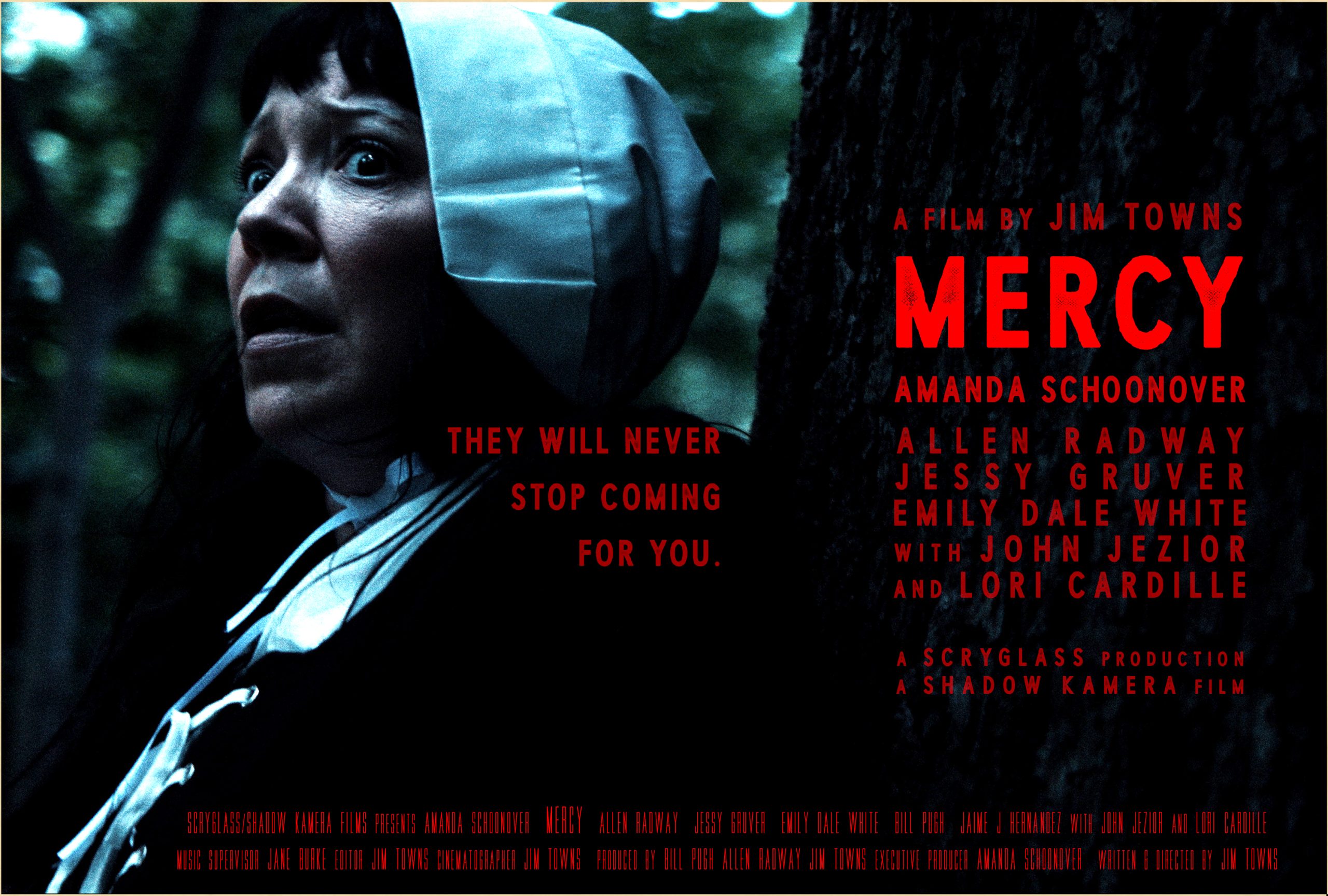
Official Poster for Jim Towns New Thriller Mercy Now Streaming on Amazon and Fandango at Home

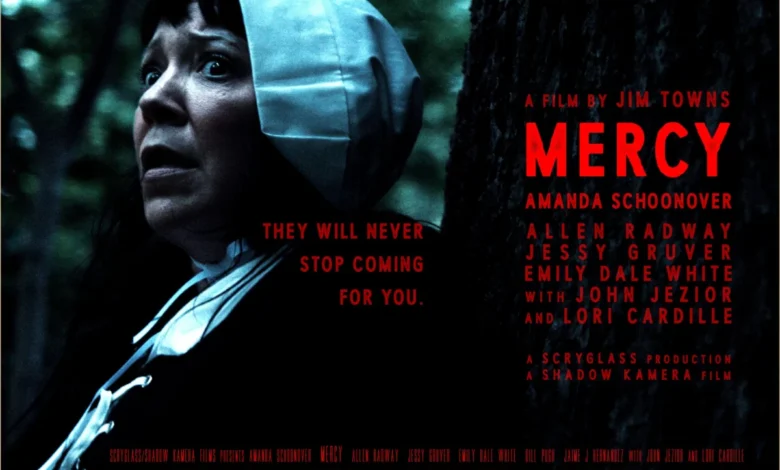
The landscape of independent dystopian cinema has expanded today with the official release of the key art for filmmaker Jim Towns’ latest project, Mercy. Alongside the unveiling of this promotional material, the production companies Scryglass and Shadow Kamera have confirmed that the feature film is now available for digital consumption across major platforms, including Amazon and Fandango at Home. This release marks a significant milestone for the project, which explores themes of intellectual suppression and individual resistance within an authoritarian framework.
The Narrative Foundation of Mercy
At the center of the narrative is Mercy Wheeler, portrayed by Amanda Schoonover. The film is set in a bleak, speculative future where the act of independent thought is classified as a criminal offense. The plot centers on Wheeler’s life on the fringes of this oppressive society, where she engages in the subversive act of teaching banned books and maintaining a clandestine relationship.
The inciting incident of the film occurs when the regime discovers her activities and abducts her wife. This act of state-sponsored violence forces Wheeler into a desperate, high-stakes flight from authorities. The narrative trajectory follows her mission to not only rescue her partner but also to preserve the cultural and intellectual history that the ruling power seeks to eradicate. The film’s tagline, "They will never stop coming for you," encapsulates the existential dread and the relentless nature of the pursuit that defines the protagonist’s journey.
Cast and Production Pedigree
The production features a diverse ensemble cast, anchoring the high-concept premise with grounded performances. Amanda Schoonover leads the project, supported by a cast that includes Allen Radway, Jessy Gruver, Emily Dale White, and John Jeziar. Of particular note to genre enthusiasts is the involvement of Lori Cardille, a performer best known for her iconic role in George A. Romero’s 1985 classic, Day of the Dead. Her presence in the film serves as a bridge between foundational horror-thriller cinema and contemporary independent filmmaking.
Jim Towns, who wrote and directed the film, has cultivated a career characterized by a focus on genre-bending narratives. As a Scryglass Production in collaboration with Shadow Kamera, Mercy represents a concerted effort to deliver high-concept science fiction through the lens of independent film distribution, bypassing traditional theatrical gatekeepers in favor of immediate digital availability.
The Evolution of Digital Distribution for Genre Cinema
The release strategy for Mercy mirrors a broader trend in the independent film industry, where "Day-and-Date" digital releases have become the standard for mid-budget and low-budget genre projects. By launching simultaneously on Amazon and Fandango at Home, the filmmakers are optimizing their reach to a global audience that has increasingly migrated away from physical media and traditional brick-and-mortar cinema experiences.
Data from the independent film sector suggests that digital distribution allows for a more granular understanding of audience demographics. For a film like Mercy, which relies on a specific "dystopian thriller" appeal, the ability to track viewer engagement via digital platforms provides essential metrics for future projects. This model also allows for a more direct connection between the creator—supported by publicity entities such as Marketing Macabre—and the end-user.
Contextualizing Dystopian Themes in Modern Media
The themes explored in Mercy—state surveillance, the criminalization of literature, and the fragility of personal autonomy—are consistent with the long-standing tradition of dystopian fiction. From George Orwell’s 1984 to Ray Bradbury’s Fahrenheit 451, the concept of the "book burner" or the "thought-police" remains a potent metaphor for modern socio-political anxieties.
In the current media climate, there has been a resurgence of interest in narratives that challenge authoritarian structures. Analysts often point to the popularity of such films as a reflection of societal concerns regarding digital privacy, the homogenization of information, and the role of the individual in an increasingly automated world. By positioning the protagonist as a teacher of "banned books," Towns taps into a specific cultural nerve regarding the preservation of history in an era of rapid digital transition and misinformation.
Chronology of the Project
The development of Mercy has been a multi-stage process, following the typical timeline of independent feature production:
- Development Phase: Scripting and conceptualization of the dystopian world-building.
- Principal Photography: The production phase, involving the assembly of the cast and the execution of the visual aesthetic.
- Post-Production: The finalization of the film’s tone, sound design, and pacing to match the intended tension of the screenplay.
- Marketing and Reveal: The release of the key art and the announcement of streaming availability, serving as the final bridge to the audience.
The release of the poster on November 24, 2026, serves as the final marketing push to convert awareness into viewership. By utilizing Marketing Macabre for publicity, the production team has prioritized a grassroots approach, ensuring that the film is highlighted within the specific niche communities that value the thriller and horror genres.
Industry Implications and Future Outlook
The success of films like Mercy often hinges on their ability to find a sustainable audience in a crowded digital marketplace. The "long tail" of digital distribution means that a film does not need an immediate box office explosion to be considered a success. Instead, the focus is on sustained streaming numbers and positive word-of-mouth within the genre community.
For Jim Towns and his collaborators, the immediate goal is to establish the film’s footprint within the Amazon and Fandango ecosystems. The use of a universal link—a tool that directs users to the most relevant store based on their geographic location—is a testament to the sophisticated, tech-forward approach now required for successful independent film promotion.
Furthermore, the participation of legacy actors like Lori Cardille provides a layer of credibility that helps the film stand out in a sea of content. For independent studios like Scryglass, maintaining this balance between established genre talent and fresh creative vision is critical to navigating the competitive landscape of modern streaming.
Technical and Aesthetic Considerations
The visual style of the film, as hinted at in the promotional poster, suggests a commitment to a gritty, high-contrast aesthetic. Dystopian thrillers often rely on limited color palettes and stark lighting to convey a sense of claustrophobia and oppression. The choice of imagery for the official poster—emphasizing the protagonist against an ambiguous, hostile background—is a deliberate choice to signal the genre and the central conflict to potential viewers at a glance.
In terms of technical production, the film represents the culmination of efforts to maximize limited resources to create a high-impact narrative. By focusing on a character-driven story within a high-stakes premise, the production avoids the common pitfalls of over-reaching on visual effects, instead opting for a narrative that relies on the strength of its screenplay and the performances of its cast.
Conclusion
As Mercy enters the digital marketplace, it joins a long line of films that utilize the dystopian genre to probe the boundaries of human resilience. The shift toward digital-first distribution underscores the changing nature of the film industry, where accessibility and targeted marketing are as vital to success as the quality of the filmmaking itself. For those interested in the intersections of political commentary and high-tension thriller cinema, Mercy stands as a notable entry in the 2026 independent film slate.
The film is currently accessible to viewers globally through the provided digital channels, and the ongoing support from genre-focused media outlets like Marketing Macabre will likely play a pivotal role in the project’s long-term visibility. As audiences continue to seek out narratives that reflect the complexities of the modern world, Mercy offers a timely exploration of what it means to hold onto truth in an age of erasure.