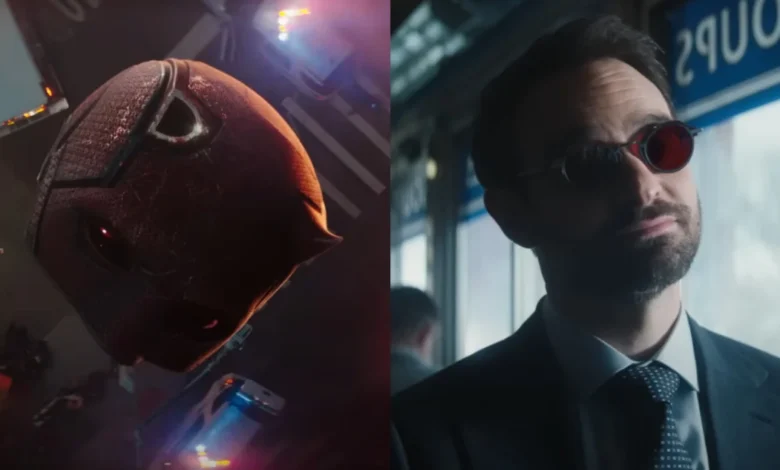
The Marvel Cinematic Universe’s street-level corner is undergoing a significant tonal and narrative transition, as actor Charlie Cox has confirmed that the upcoming third season of Daredevil: Born Again is poised to depart from the political machinations of the "Mayor Fisk" arc. In recent statements, Cox indicated that the production team is treating the third installment as a stylistic reset, effectively turning the page on the previous chapter to explore new thematic territory for the Man Without Fear.
The Evolution of the Born Again Narrative Arc
Since its inception, Daredevil: Born Again has been tasked with the monumental challenge of reconciling the gritty, grounded aesthetic of the original Netflix series with the interconnected, often cosmic nature of the broader Marvel Cinematic Universe (MCU). The first season established the return of Matt Murdock and his long-standing nemesis, Wilson Fisk, while the second season—currently streaming on Disney Plus—deepened the conflict by positioning Fisk as a political power player in New York City.
However, the narrative scope is now shifting. During a recent interview with Entertainment Weekly, Charlie Cox provided the first official insight into the creative direction of season 3. "I haven’t read the whole thing," Cox noted, referring to the current state of the scripts. "But, no, it feels like we’ve shed the skin of the Mayor Fisk era. It feels like it’s a new book, a new dawn, a little bit. It’s still a continuation, obviously, but it’s slightly different. I can’t give anything away, but it’s a new thing, which is fun."
This shift suggests that Marvel Studios is interested in keeping the series dynamic rather than allowing it to stagnate within the same status quo. By moving away from the political thriller elements that defined the Fisk administration arc, the showrunners appear to be pivoting toward the more visceral, personal stakes that characterized the fan-favorite storylines of the comic book source material.
Analyzing the Transition: From Politics to The Devil in Cell Block D
The industry buzz surrounding the third season has centered on the potential adaptation of the seminal comic book arc, The Devil in Cell Block D. Written by Ed Brubaker with art by Michael Lark, this storyline is widely regarded as one of the most transformative periods in Matt Murdock’s history. The narrative follows Murdock as he is incarcerated, forced to navigate the lethal environment of Ryker’s Island while a new, mysterious figure dons the Daredevil mantle to protect the streets of Hell’s Kitchen.
If Marvel Studios intends to move in this direction, it would represent a massive departure from the "Mayor Fisk" saga. The implications are significant:
- Character Isolation: Stripping Matt Murdock of his legal resources and his social standing forces the character to rely solely on his heightened senses and physical prowess.
- Succession of the Mantle: Introducing a surrogate Daredevil creates a natural conflict—not just with criminals, but with Murdock’s own identity and his struggle to accept that his crusade for justice has outgrown his own personhood.
- Pacing and Structure: Adapting a contained, high-stakes prison arc allows the series to shift from a sprawling urban political drama to a tight, claustrophobic psychological thriller.
From a production standpoint, this pivot is logical. Having spent two seasons exploring the power dynamics between Murdock and Fisk, a change in scenery prevents the show from becoming repetitive. It also serves as a "soft reboot" of the stakes, allowing new viewers to enter the series at the start of a fresh arc without feeling entirely alienated by the complexities of previous political storylines.

Chronology of the Daredevil MCU Transition
The journey of Daredevil in the modern MCU era has been a winding road, marked by high audience expectations and significant shifts in creative vision. The timeline of this transition highlights the studio’s commitment to refining the product:
- 2021: Charlie Cox makes his official MCU debut as Matt Murdock in Spider-Man: No Way Home, followed by Vincent D’Onofrio’s appearance as Kingpin in the Hawkeye series.
- 2022: Marvel Studios officially announces Daredevil: Born Again during San Diego Comic-Con, initially conceived as an episodic procedural.
- 2023: Following a internal review of the footage, Marvel Studios pivots to a more serialized, character-driven approach, bringing in new creative leadership to align the series more closely with the tone of the Netflix original.
- 2024: Production on Season 2 commences, emphasizing the "Mayor Fisk" arc as the central pillar of the early MCU-era street-level conflicts.
- 2025: Season 2 premieres on Disney Plus, and pre-production for Season 3 begins, with Charlie Cox confirming the shift away from the political era.
Data and Production Context
While official viewership data for Daredevil: Born Again is proprietary, anecdotal evidence from social media engagement and critical aggregators suggests that the series remains one of Marvel’s most anticipated streaming offerings. The "Mayor Fisk" arc, in particular, was designed to leverage the established chemistry between Cox and D’Onofrio.
The decision to pivot to a new arc for Season 3 is a testament to the "Marvel Method" of iterative development. By constantly assessing the response to narrative beats, the studio ensures that the characters remain relevant. According to industry reports, the budget for Daredevil remains among the highest for Marvel’s street-level series, indicating that the studio continues to view this property as a anchor for its streaming portfolio.
Broader Implications for the MCU
The shift toward a "new book" for the third season has broader implications for the street-level corner of the MCU. With the introduction of characters like Echo, the Punisher, and potentially other "Defenders" alumni, the show acts as the glue for a more grounded, gritty subsection of the universe.
If the series follows the path of The Devil in Cell Block D, it opens the door for a more permanent integration of street-level vigilantes. This trajectory suggests that Marvel is not just looking for short-term narrative arcs, but is actively building a sustainable ecosystem of characters who operate outside the purview of the Avengers.
Furthermore, the emphasis on a "new dawn" implies that the series will continue to experiment with genre. Just as Captain America: The Winter Soldier changed the MCU’s approach to political thrillers, Daredevil is effectively establishing the template for how serialized street-level superhero content should function in a post-Infinity Saga world.
Conclusion and Future Outlook
As the production team behind Daredevil: Born Again looks toward the future, the primary challenge remains balancing fan service with genuine narrative evolution. Charlie Cox’s comments provide a reassuring signal that the creative team is conscious of the need for change. By shedding the skin of the previous arc, they are giving the audience permission to let go of old expectations and embrace a new, potentially darker, and more isolated chapter for Matt Murdock.
The transition to a potential prison arc would not only honor the history of the source material but also provide a fresh test for a character who has been defined by his endurance. As fans await further casting news and official plot synopses for the third season, one thing remains clear: the stakes for the Devil of Hell’s Kitchen are only getting higher, and the narrative landscape of the MCU continues to evolve in exciting, unpredictable ways. Whether or not the rumors of The Devil in Cell Block D prove to be entirely accurate, the promise of a "new book" is enough to keep the audience engaged for what lies ahead.